


Ornate Silver Plated Centrepiece
These ornate silver plated centrepiece options bring Victorian and Regency drama to a dining table.
Ornate Silver Plated Centrepiece
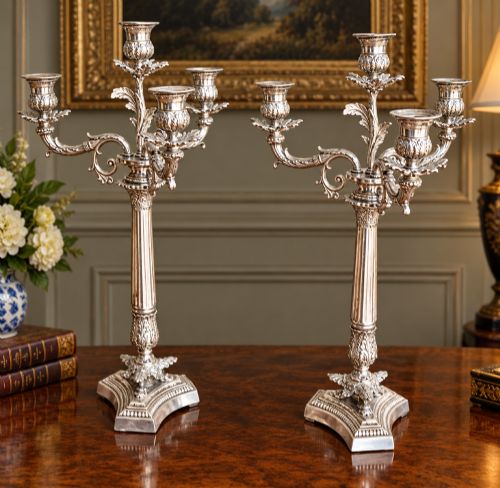
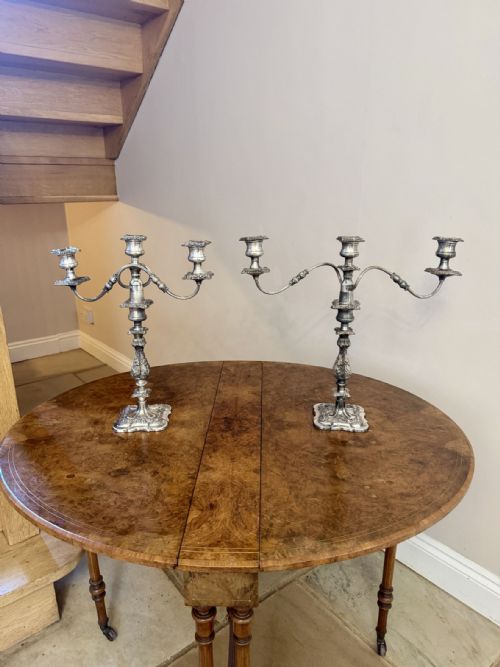
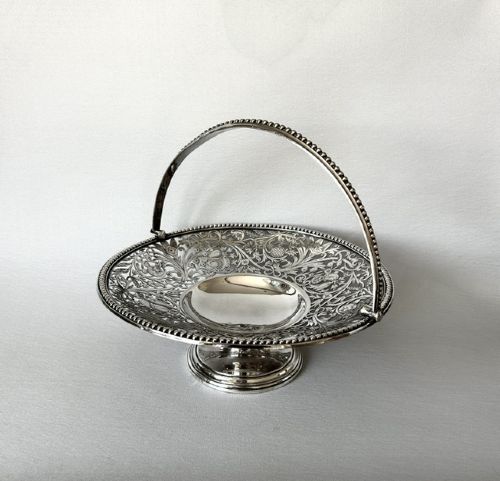
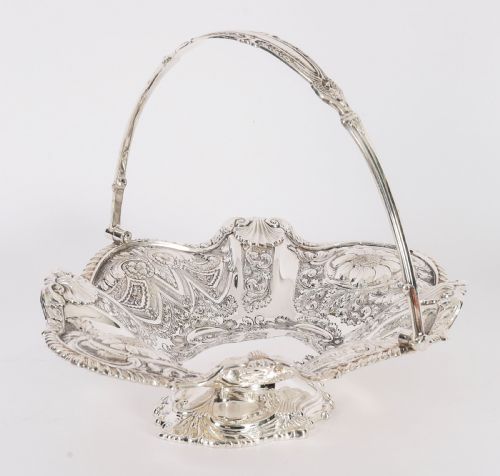
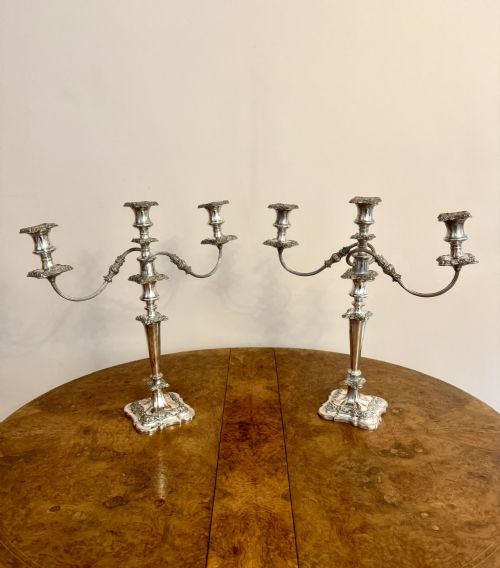
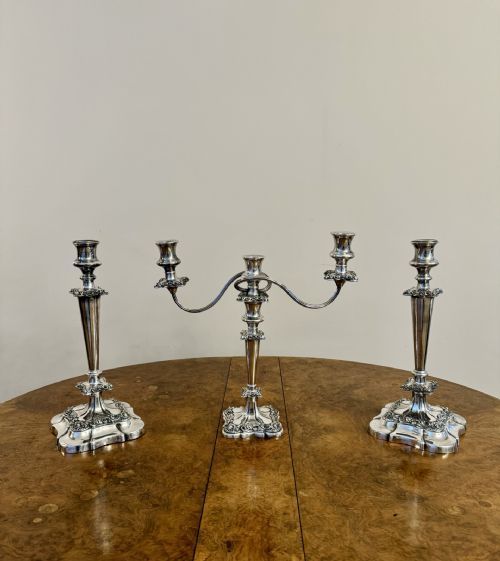
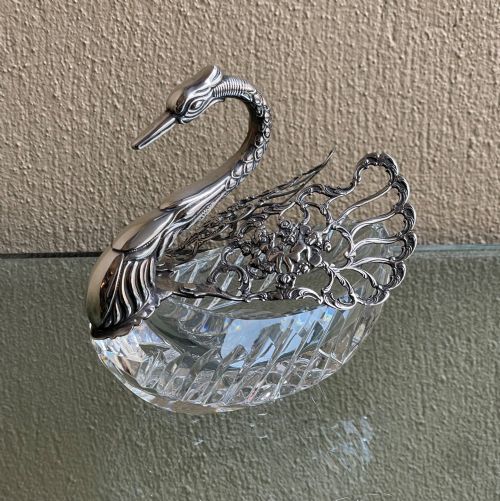
When you search for an ornate silver plated centrepiece, you are looking at substantial table focal points designed for display and service. These objects take the form of elaborate multi-light candelabras, fruit baskets, wine coolers, and decorative bowls.
The versions you are most likely to meet on this page date from the Victorian and Regency periods, drawing heavily on Rococo Revival, Gothic, and Neoclassical styles. They utilise a mix of silver plate, electroplated nickel silver, and cut glass to achieve their grand effect.
Makers often combined candelabra arms with central dishes or figures, creating versatile display pieces for grand dining rooms. They range from single large bowls to monumental six-light candelabra and centrepiece combinations.
How they were made
The foundation of these pieces typically involves base metal, copper, or nickel silver, which then received a heavy application of silver plating through electroplating or older Sheffield plate techniques. This provided the lustrous appearance of solid silver without the prohibitive cost.
Cut glass inserts, marble bases, and silvered bronze elements frequently complement the metalwork, adding textural contrast and weight to the finished objects. Complex casting and piercing techniques allowed workshops to produce elaborate foliate scrolls, cherubs, and openwork fruit baskets.
What varies in quality
The distinction between standard production and the finest items rests on the crispness of the chased and cast ornament. Master silversmiths and major firms invested heavily in deep relief work and sculptural details like cherubs, which remain sharp and well-defined on superior examples.
Weight and structural integrity also separate the grades of manufacture, as better pieces use thicker gauge metals and robust internal construction to support heavy candelabra branches and large cut glass bowls without sagging.
George W. Scott & Sons Ltd·Barker Ellis·Elkington·Blagden, Hodgson & Co.
The Ornate Silver Plated Centrepiece Glossary
- Silver Plate
- A thin layer of silver bonded or electroplated onto a base metal such as copper or nickel silver. This technique became widespread in the nineteenth century to produce accessible luxury tableware.
- Electroplated Nickel Silver
- A durable alloy of copper, nickel, and zinc coated with a layer of silver using an electrical current. It offered a sturdy alternative to older fusion plating methods.
- Sheffield Plate
- An early method of fusing a thin sheet of silver to a thicker copper ingot before rolling them into sheets. This technique is typical of Regency and earlier Georgian production.
- Rococo Revival
- A nineteenth-century design style characterised by asymmetrical scrollwork, C-scrolls, and naturalistic floral motifs. It dominates much of the Victorian metalwork seen here.
- Candelabra
- A branched candlestick designed to hold multiple candles simultaneously. Many examples in this category incorporate central bowls or serveware functions.
Ornate Silver Plated Centrepiece: Frequently Asked Questions
How do I clean an ornate silver plated centrepiece?
Use a soft cloth and a specialised silver polish designed for plated items to avoid wearing through the thin silver layer. Gentle care preserves the underlying base metal and any remaining detail in the chasing.
Avoid harsh scrubbing or abrasive dips, particularly on nineteenth-century electroplated surfaces where aggressive chemicals can cause permanent damage to the finish.
Can I use these candelabras for everyday dining?
These pieces suit formal dining settings and large tables where their height and substantial footprint can be appreciated safely. Many are heavy multi-light structures that require stable placement.
Care must be taken with wax drips and heat near older silver plate surfaces, making them better suited for special occasions or static decorative display.
What is the difference between Old Sheffield Plate and later silver plate?
Old Sheffield Plate involves physically fusing silver sheets to copper through heat and rolling, a method used predominantly before the invention of electroplating. Edges often reveal a thin line of copper where the metals meet.
Later Victorian pieces generally utilise electroplated nickel silver, which provides an even coating over the entire object without the distinct sandwich edge of fused plate.
How do I date a Victorian silver plated centrepiece?
Examine the style of ornament, such as Rococo Revival curves or Neoclassical symmetry, alongside any stamped maker marks or registry numbers. Victorian registration marks can often narrow down the production year significantly.
The weight, construction methods, and materials like cut glass or silvered bronze also offer strong clues to whether a piece originates from the mid or late nineteenth century.