



Ornate Silver Bowl
An ornate silver bowl brings weight and intricate chasing to a dining table, combining tactile materials with nineteenth and twentieth-century metalwork.
Ornate Silver Bowl
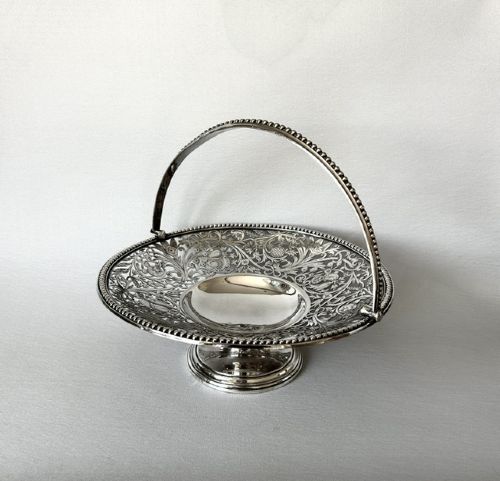
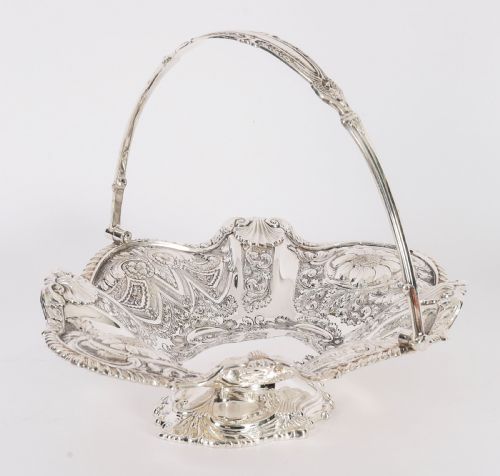
When you search for an ornate silver bowl, you encounter a range of forms spanning fruit baskets, centrepieces, sugar bowls, and decorative dishes. The Victorian and Edwardian periods dominate these pieces, alongside later twentieth-century items from diverse European and international origins.
You are most likely to meet silver-plated or solid sterling silver examples displaying decorative techniques such as pierced metalwork, repoussé floral designs, and chased borders. These domestic objects served functional roles on the dining table or sideboard before surviving as decorative tableware.
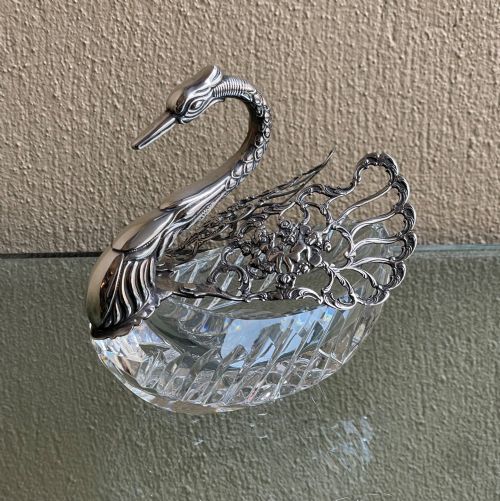
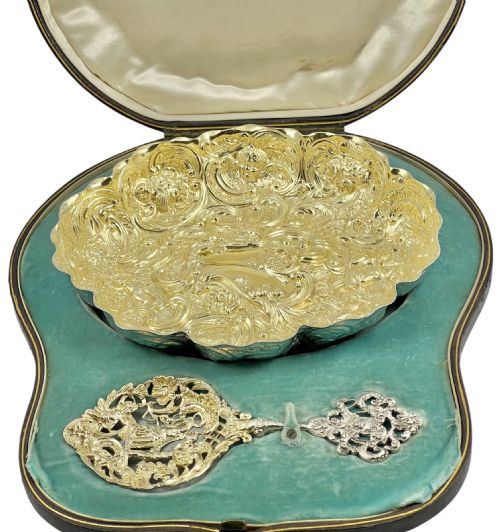
The selection encompasses diverse stylistic revivals, including Rococo and Baroque influences, alongside Art Nouveau curves and Continental interpretations. Certain items arrive with glass liners, ceramic inserts, or fitted spoons, demonstrating how these serveware pieces functioned in period interiors.
How they were made
Silversmiths utilised solid sterling silver, silver plate, and silver on copper, applying techniques like repoussé and chasing to push and hammer intricate floral and bird motifs from the reverse and front. Pierced work required careful hand-sawing through metal plates to create openwork lattice patterns.
Gilding was applied to create silver gilt surfaces, imparting a rich golden sheen over the silver base, while alternative items combined silver mounts with carved horn, cut glass, cranberry glass, or blue and white china bowls.
Electroplated nickel silver and standard silver plate provided durable alternatives to solid metal during the nineteenth and twentieth centuries, allowing workshops to achieve decorative depth through industrial and hand-finished methods.
Certain nineteenth-century dining tables required dedicated warming dishes and wine coolers to keep courtly courses at proper temperatures.
What varies in quality
Depth and clarity in the repoussé and chased ornamentation separate standard production from superior examples, as crisp floral detailing and balanced proportions require skilled hand execution. The weight of the metal and the integrity of the silver plating or solid sterling structure dictate the physical substance of the piece.
Maker marks and assay office stamps provide verifiable evidence of origin and metal purity, adding historical context that influences desirability. The survival of original associated elements, such as fitted glass liners or matching spoons, preserves the structural completeness of the item.
George W. Scott & Sons Ltd·Barker Ellis·Whiting Co.·Henry Wilkinson & Co·Mappin & Webb
The Ornate Silver Bowl Glossary
- Repoussé
- A metalworking technique where the artisan hammers and pushes the design from the reverse side to create a raised relief on the front. This process gives floral and figural bowls their tactile depth.
- Chasing
- A method of working metal from the front by sinking lines with a punch and hammer to refine repoussé details. It sharpens the contours of leaves, petals, and scrolls.
- Silver Gilt
- Silver that has been coated with a thin layer of gold, often referred to as vermeil. This treatment protects the silver underneath and provides a warm dual-tone appearance.
- Electroplated Nickel Silver
- A base metal alloy of copper, nickel, and zinc coated with a layer of pure silver through electrolysis. It became a common method for producing durable serveware from the nineteenth century onward.
- Pierced
- Metalwork that has been perforated with patterned cut-outs to form openwork lattices or borders. This technique lightens the visual weight of large fruit baskets and bread bowls.
Ornate Silver Bowl: Frequently Asked Questions
How were these bowls used historically?
These vessels functioned primarily as table service items for holding fruit, sugar, bread, or preserves during formal dining occasions. Centrepieces occupied the middle of the dining table to anchor the display of silverware.
Smaller dishes served specific culinary purposes, including wine cooling or holding condiments, integrating practical utility with decorative display in period homes.
How do I distinguish solid silver from plated pieces?
Solid silver items typically bear hallmark stamps indicating the purity standard, the assay office, and the maker's mark. Silver-plated pieces usually display marks denoting electroplating or manufacturer initials without standard purity hallmarks.
Examining worn edges can also reveal the base metal underneath thin plating, whereas solid silver maintains consistent colour and composition throughout.
How do I clean and maintain antique silver?
Gentle dusting with a soft cloth removes everyday particles without harming the metal surface. When tarnish accumulates, use a specialist silver polish applied with minimal pressure to preserve delicate chased and repoussé details.
Avoid harsh abrasive dips that strip away patination or damage thin silver plating on older items.
What periods do these bowls come from?
The available pieces originate predominantly from the Victorian and Edwardian eras, spanning the mid-nineteenth to the early twentieth century. Stylistic indicators like Rococo Revival and Art Nouveau help align the pieces with their respective decades.
Mid-century examples also appear, showing how traditional forms persisted into later decades.