






Ornate Scrolled Gilt Mirror
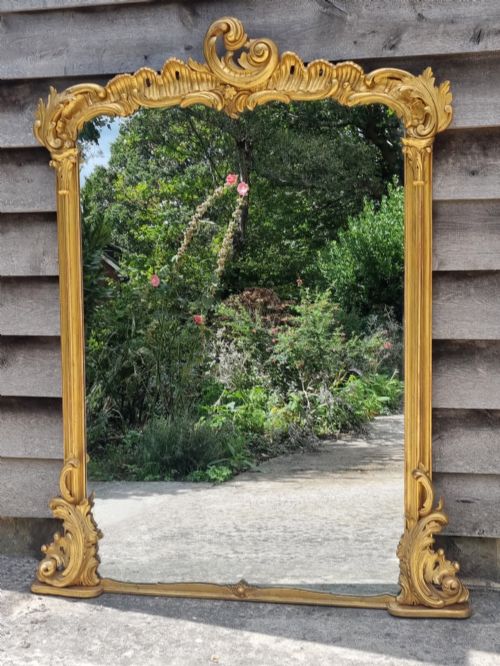
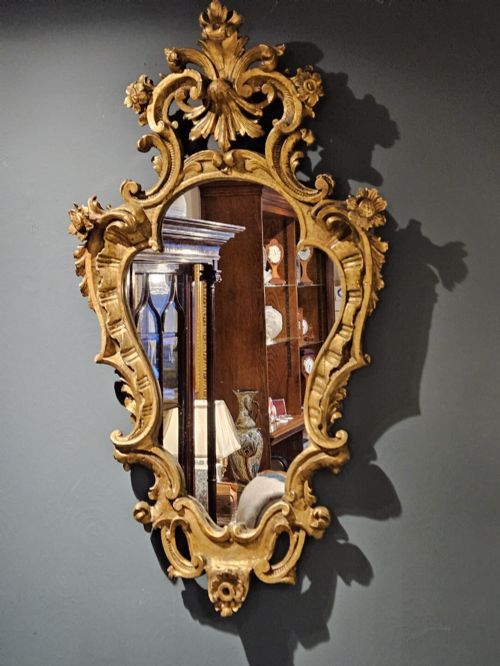
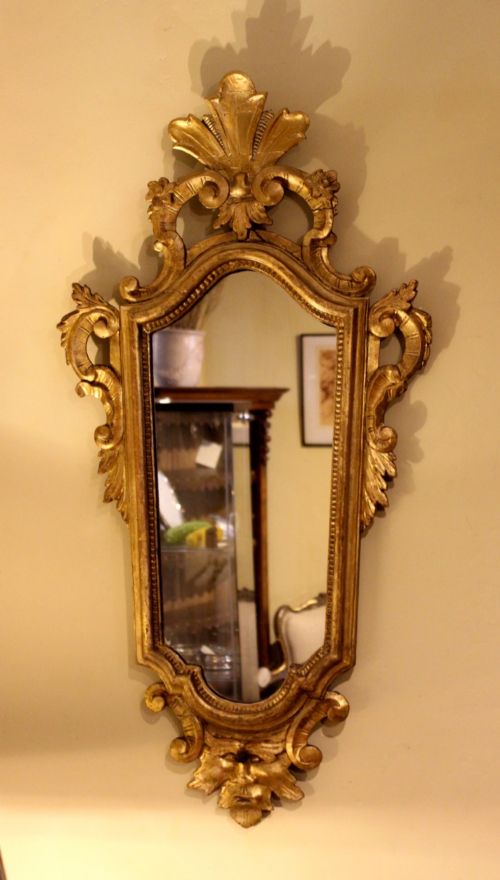
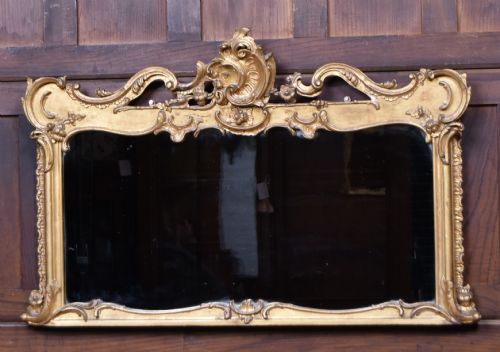
An ornate scrolled gilt mirror brings movement and reflective light to a room through carved wooden frames and golden surfaces.
Ornate Scrolled Gilt Mirror
An ornate scrolled gilt mirror is a reflective glass panel set within a decorative frame of carved wood, gesso, and gold or silver leaf. When searching for an ornate scrolled gilt mirror, buyers encounter wall mirrors, overmantel mirrors, and smaller vanity pieces spanning from the Georgian and 18th century eras through the Victorian period and into the 1930s.
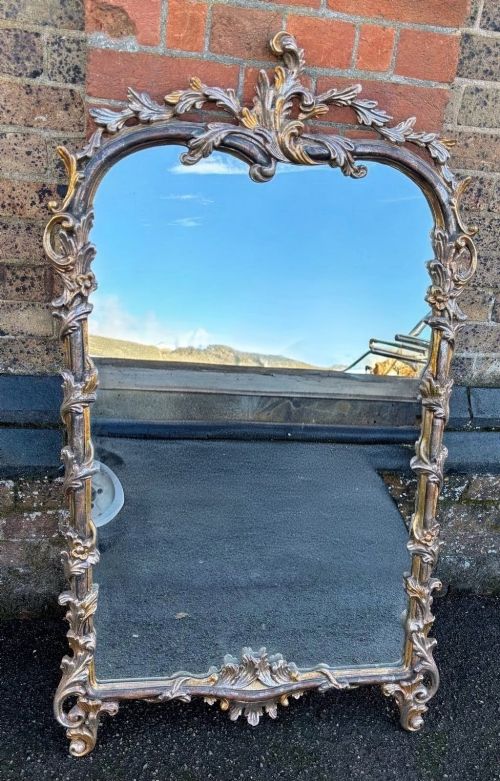
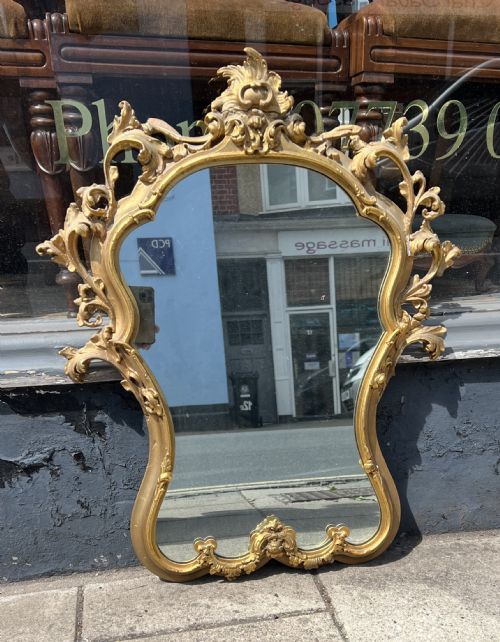
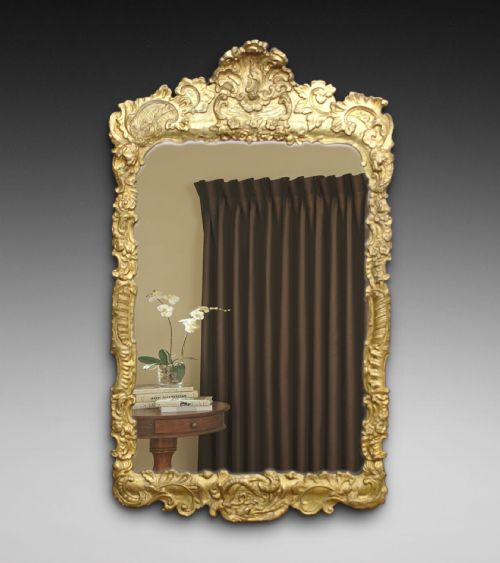
The dominant aesthetic draws heavily on Rococo Revival and Italian Florentine styles, characterised by asymmetrical scrolls, naturalistic motifs, and elaborate pierced carvings. The version most frequently met on this page is the 19th-century wall mirror or overmantel mirror, often reflecting French or Italian craftsmanship.
Originating across England, France, Italy, Ireland, and Spain, these mirrors range from large architectural statement pieces designed for mantelpieces to smaller pier glass mirrors and cushion mirrors. Each piece displays distinct regional interpretations of scrolling ornamentation, from restrained Georgian ovals to exuberant French Rococo frames.
Materials and construction
Makers built the foundational frames using carved timber, frequently applying layers of gesso to smooth the surface before applying gold leaf, silver leaf, or paint. This intricate preparation allowed carvers to achieve sharp relief work and delicate scrolls.
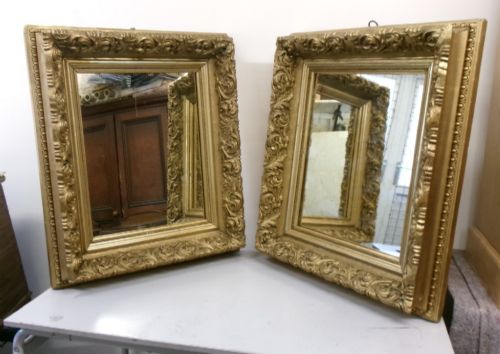
The mirror glass itself is set within these gilded wooden structures, sometimes featuring engraved plates or cushion-moulded forms that reflect light dynamically. Heavy quality carved frames required robust timber construction to support the substantial weight of the glass and complex gesso ornamentation.
Ornate Scrolled Gilt Mirror Retail Price Guide 2026
Typical asking prices for ornate scrolled gilt mirror among the pieces listed under this phrase on Sellingantiques today, from the lower quarter to the upper quarter. They describe what is for sale here now, not the wider market.
Listings span several eras, incorporating 18th century, Georgian, Victorian, and 1930s pieces alongside materials like gesso, silver leaf, and carved wood.
Distinctions in craftsmanship
The depth and fluidity of the hand-carved wooden scrolls separate exceptional examples from simpler moulded or cast substitutes. Superior pieces exhibit crisp undercutting in the foliage and C-scrolls, where the carver's chisel has created genuine three-dimensional relief rather than a flat surface profile.
The application and preservation of the gold leaf or gesso layers dictate the visual richness of the frame. Finer examples retain harmonious patination across the gilded surfaces, where the underlying red bole shows subtly through worn areas, enhancing the depth of the Rococo ornamentation.
The Ornate Scrolled Gilt Mirror Glossary
- Giltwood
- Timber that has been coated with gold leaf or metal leaf. This technique provides the luminous metallic finish characteristic of these frames.
- Gesso
- A plaster-like mixture applied to wooden frames as a base before gilding. It is carved and smoothed to create intricate relief details.
- Overmantel Mirror
- A large mirror specifically designed to hang above a fireplace mantel. These pieces often span horizontal proportions to match the width of the fireplace below.
- Pier Glass
- A tall mirror designed to hang on the wall space between windows. They frequently feature elaborate carved frames to complement interior architectural elements.
Ornate Scrolled Gilt Mirror: Frequently Asked Questions
How do I hang a heavy giltwood mirror?
Due to the substantial weight of carved timber and gesso frames, these mirrors require secure wall fixings anchored directly into structural studs or masonry.
Professional mirror hangers often utilise heavy-duty wall cleats or brackets distributed evenly to support the frame safely without straining the historical joints.
Where should I place an overmantel mirror?
An overmantel mirror traditionally hangs centrally above a fireplace mantelpiece, reflecting light and creating a focal point in reception rooms.
Positioning the glass at the correct height ensures it mirrors the room's activity rather than reflecting the ceiling, balancing the surrounding architectural proportions.
How do I clean a gilded frame safely?
Gilded surfaces require gentle dusting with a soft, dry brush to remove particles without disturbing delicate gesso or leafing.
Water and chemical cleaning agents should be avoided entirely, as moisture can soften the underlying gesso and cause the metallic finish to flake or lift.
What defines the Rococo Revival style?
Rococo Revival design embraces asymmetry, dynamic curves, C-scrolls, and naturalistic motifs such as acanthus leaves and shellwork.
Originating in 18th-century France and revived during the 19th century, this style prioritises theatrical movement and ornate sculptural decoration over strict symmetry.