





Ornate Plant Pedestal
An ornate plant pedestal elevates your greenery and sculpture, bringing classical proportion and decorative presence to interior spaces.
Ornate Plant Pedestal
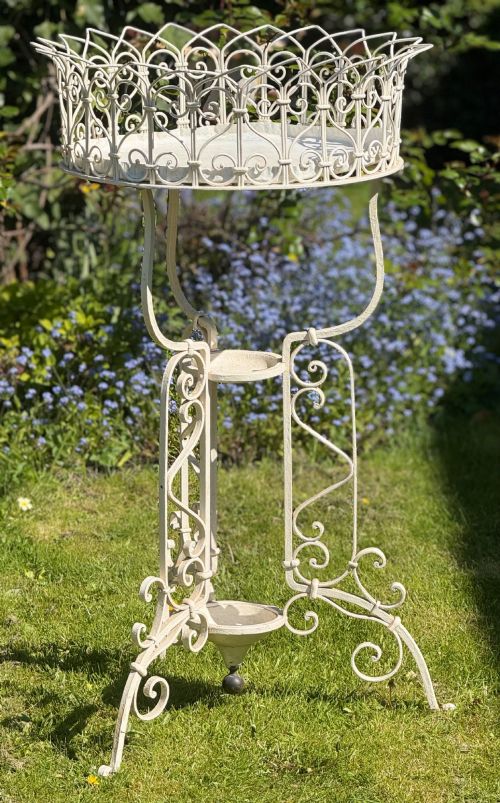
An ornate plant pedestal serves primarily to elevate jardinieres, urns, lamps, and portrait busts above floor level, drawing the eye upwards. These items manifest as slender torcheres, stout columns, and small display tables designed with deliberate visual elaboration.
The selections available here span from the mid nineteenth century through to the early twentieth century, drawing on diverse global aesthetics including Victorian, French Chateau, Rococo Revival, Anglo Indian, and Chinese Export traditions. You will encounter forms intended to display indoor foliage, heavy porcelain bowls, or sculpted marble figures.
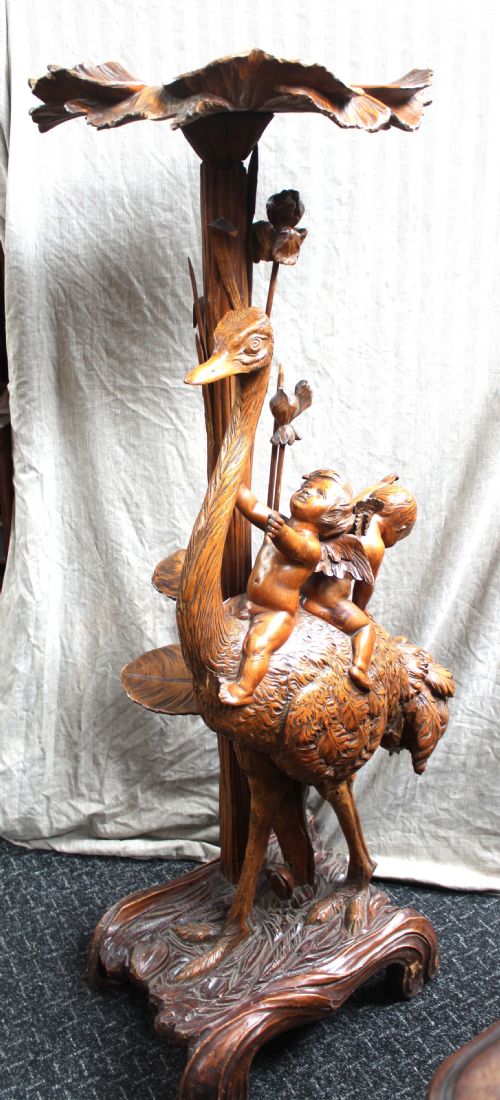
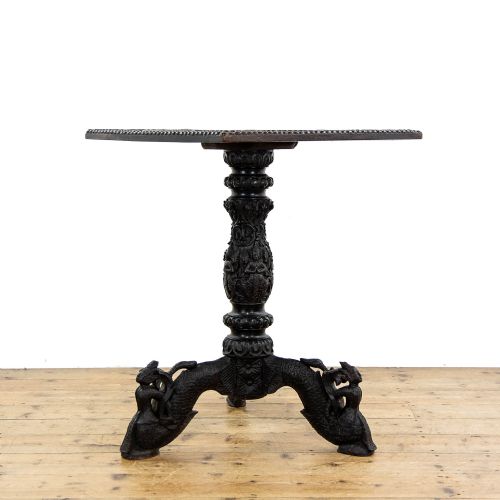
Makers utilised specific regional vocabularies, ranging from the giltwood curves of French influence to the intricate carved hardwoods of Oriental and Anglo Indian workshops. Each piece balances a sturdy weight-bearing capacity with sculptural ornamentation suited to formal reception rooms.
Materials and Construction Techniques
Craftsmen built the structural cores of these supports using dense timbers such as mahogany, walnut, teak, and various hardwoods, alongside metals like cast iron, wrought iron, brass, and bronze. Stone elements such as marble, alabaster, onyx, and red stone provide heavy, stable tops designed to support weighty botanical displays or sculpture.
Decorative surfaces received extensive treatment through hand carving, gesso application, gold leaf gilding, and painted polychrome finishes. Makers employed foundational joinery combined with cast metal components to secure heavy stone platforms upon slender columns and tripod or pedestal bases.
Several stands feature carved blackamoor figures or whimsical swan forms, showing how Victorians loved unexpected creatures holding up their ferns.
Assessing Craftsmanship and Detail
Superior examples distinguish themselves through the depth and precision of hand carving in wood or stone, rather than relying on shallow press moulding. The crispness of foliate scrolls, figural elements, and applied gesso ornamentation indicates the skill invested by the original workshop.
Material selection dictates the structural integrity and visual weight of the piece, with solid natural marbles and dense carved hardwoods holding greater permanence than painted or plated substitutes. Original gilding and integrated patination across bronze, brass, and giltwood surfaces also separate high grade studio output from standard commercial production.
The Ornate Plant Pedestal Glossary
- Torchere
- A tall, slender stand traditionally designed to hold a candle or lamp, frequently adapted to support small floral arrangements or busts. Its slender proportions suit corners and tight spaces.
- Gueridon
- A small French round table supported by one or more columns or figures, typically utilised for display purposes. The form gained popularity in the seventeenth century and persisted through later revival periods.
- Gesso
- A plaster mixture applied to wood surfaces as a base for painting or gilding, capable of being moulded into relief ornament. Artisans carved and gilded this compound to simulate solid metal or stone details.
Ornate Plant Pedestal: Frequently Asked Questions
What weight can an antique pedestal hold?
Most pieces were built to support substantial botanical arrangements, heavy ceramic pots, or carved stone busts without tipping. The load capacity depends heavily on the footprint of the base and whether the top is solid stone or timber.
Heavier marble or cast iron versions offer exceptional stability for large floor urns, while slender giltwood torcheres require careful placement to avoid lateral strain.
How do I care for a marble top stand?
Marble surfaces require gentle cleaning with mild, non acidic soap and water to preserve the polished finish. Avoid placing damp plant pots directly onto unsealed stone or vulnerable wood to prevent ring marks and staining.
Using protective pads or saucers beneath jardinieres ensures moisture does not seep into porous stone or degrade the surrounding wood and gilt finishes.
Where should I place a pedestal in a room?
These supports function effectively in room corners, empty wall spaces, or flanking doorways and fireplace mantels. Their vertical emphasis draws the eye upward and breaks up horizontal furniture lines.
Ensure the piece rests on a level floor surface, particularly when displaying top heavy sculptural items or delicate ceramic jardinieres.
How do I identify the period of a pedestal?
Dating relies on observing stylistic markers, such as the exuberant curves of Rococo Revival or the heavier geometric forms of later twentieth century examples. Material combinations, screw types, and construction methods also provide clues to the decade of manufacture.
Comparing the decorative vocabulary against documented historical periods helps narrow down whether a piece originates from the mid nineteenth century or the Edwardian era.