




Ornate Occasional Chair
An ornate occasional chair brings decorative impact to a room, offering sculptural form alongside practical seating.
Ornate Occasional Chair
When you search for an ornate occasional chair, you encounter a varied group of smaller seating forms designed to accent a room rather than serve as primary lounge seating. The selection spans distinct historical periods, taking shape as side chairs, armchairs, salon chairs, and hall chairs.
The versions you are most likely to meet on this page range from Victorian carved rosewood and oak side chairs to pieces influenced by the Louis XVI and Italian Renaissance Revival styles. Examples stretch across multiple eras, including the eighteenth century, nineteenth century, and early twentieth-century decades like nineteen-twenty and nineteen-thirty.
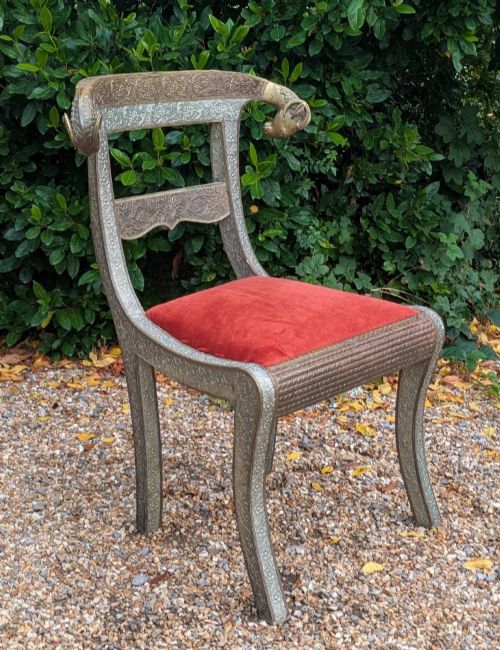
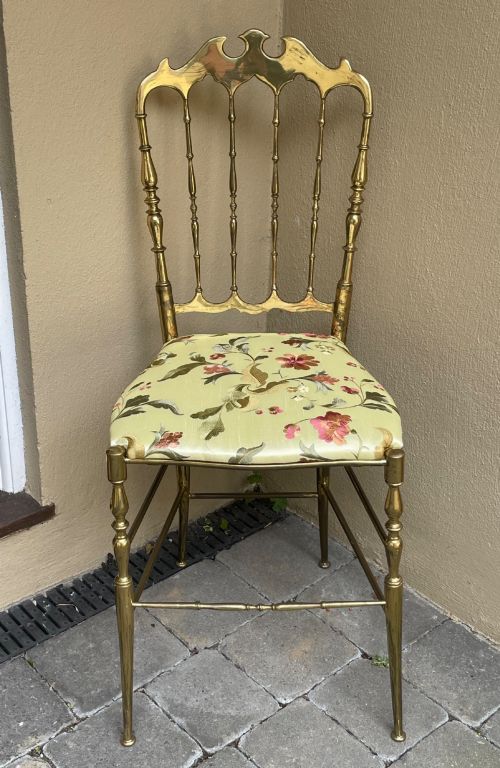
Origins and aesthetics vary widely across the inventory, encompassing Anglo-Indian hardwood pieces with rams heads, French wrought iron Riviera armchairs, polished brass salon chairs, and Georgian gilt seating. Each object brings distinct decorative detailing, utilising diverse timber frameworks and metallic elements to create a striking visual presence.
How they were made
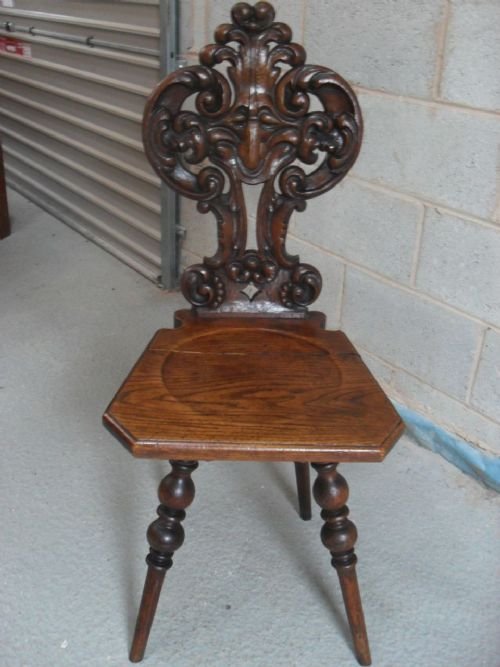
Makers constructed these chairs using robust timbers such as Cuban mahogany, rosewood, oak, and Indian hardwood, often applying intricate hand-carving to the wooden frames. Structural elements frequently incorporate decorative fretwork and shaped backs to achieve an elaborate silhouette.
Metalwork played a significant role in many designs, utilising polished brass, wrought iron, and silver metal sheet to form striking framework and decorative accents. Giltwood finishes were also applied to enhance the visual opulence of select historical pieces.
Upholstery completed the construction of upholstered variants, utilising tactile fabrics, textiles, and velvet to provide colour, texture, and comfort. These soft furnishings were integrated directly into the frame or applied as removable pads.
Ornate Occasional Chair Retail Price Guide 2026
Typical asking prices for ornate occasional chair among the pieces listed under this phrase on Sellingantiques today, from the lower quarter to the upper quarter. They describe what is for sale here now, not the wider market.
What varies in quality
Quality in these chairs rests upon the crispness of the hand-carving and the structural integrity of the timber or metal frame. Finer examples display deep, deliberate chisel work and tight joinery that resists movement under use.
The choice of materials dictates the baseline refinement of the piece, with dense hardwoods, substantial brass castings, and genuine giltwood marking out superior execution. The sophistication of the regional style, whether French Riviera, Georgian, or Italian Renaissance Revival, further elevates the ambition of the design.
The integration of decorative elements, from applied brass rams heads to fret-cut oak backs, distinguishes standard production from more accomplished workshop output. Proportion and balance remain critical, ensuring the ornamentation complements rather than overpowers the functional form.
The Ornate Occasional Chair Glossary
- Sgabello chair
- A type of early Italian Renaissance chair featuring a narrow wooden seat, solid trestle supports, and an ornate carved back. It functioned primarily as a hall chair in grand residences.
- Giltwood
- Timber that has been coated with a thin layer of gold leaf or gilt. This finish creates a luminous, reflective surface popular in formal decorative seating.
- Fret back
- A chair back featuring openwork geometric patterns created by piercing the wooden splat or rails. This technique lightened the visual weight of heavy timbers.
- Salon chair
- A light, decorative chair designed for use in a drawing room or reception space. These seats prioritized elegance and portability over heavy lounging comfort.
- Cuban mahogany
- A dense, dark timber prized for furniture making due to its rich grain and stability. It was frequently utilised in high-status nineteenth-century seating.
Ornate Occasional Chair: Frequently Asked Questions
What is an ornate occasional chair?
An ornate occasional chair is a decorative seating piece designed for specific rooms like halls, salons, or parlours. These chairs prioritize visual presence and stylistic flair over everyday lounging.
They appear in various forms including side chairs, armchairs, and hall chairs. Each piece reflects the aesthetic preferences of its specific period of origin.
How were ornate occasional chairs used?
These chairs served primarily as decorative accents in formal reception rooms and hallways. They provided occasional seating for guests rather than continuous daily use.
Their striking designs allowed them to act as sculptural elements within an interior scheme. They were often placed against walls or in corners when not occupied.
How do I live with an ornate occasional chair?
Place an ornate occasional chair in a space where its decorative carving and materials can be appreciated. It works well as a bedroom accent, a hallway feature, or an addition to a formal sitting room.
Protect the piece from direct sunlight to preserve textiles and wooden finishes. Regular dusting and gentle care of metallic or gilt surfaces will maintain its appearance.
How do I tell periods apart?
Dating these chairs involves examining the timber species, carving style, and construction techniques. Eighteenth-century pieces often display classical Georgian proportions and gilt finishes, while nineteenth-century examples frequently utilise rosewood or mahogany with revival detailing.
Twentieth-century items may introduce alternative materials like polished brass or wrought iron. Comparing decorative motifs against known historical styles helps narrow down the production era.