
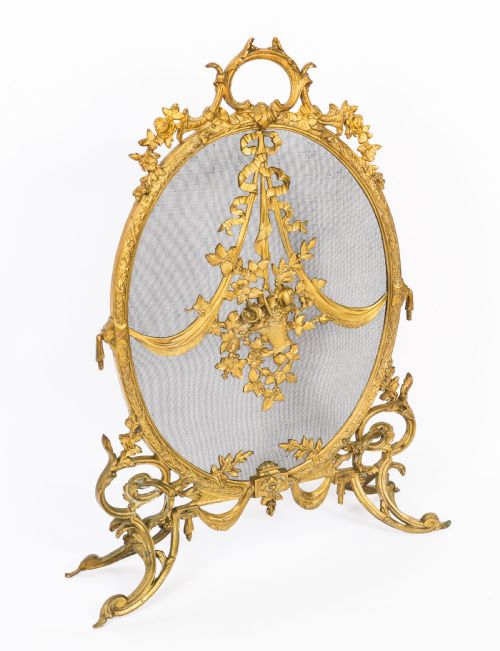
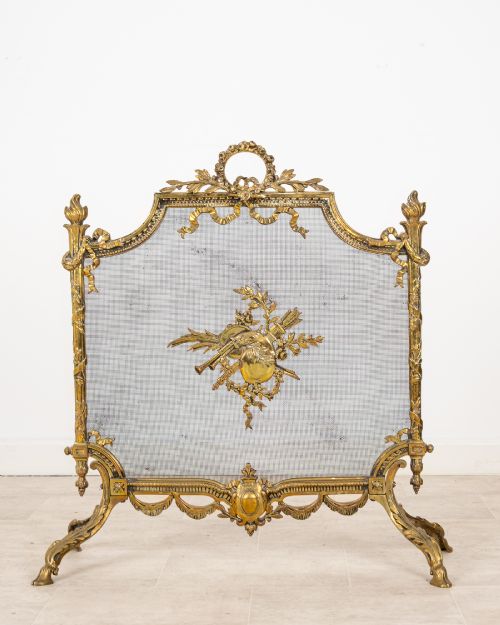

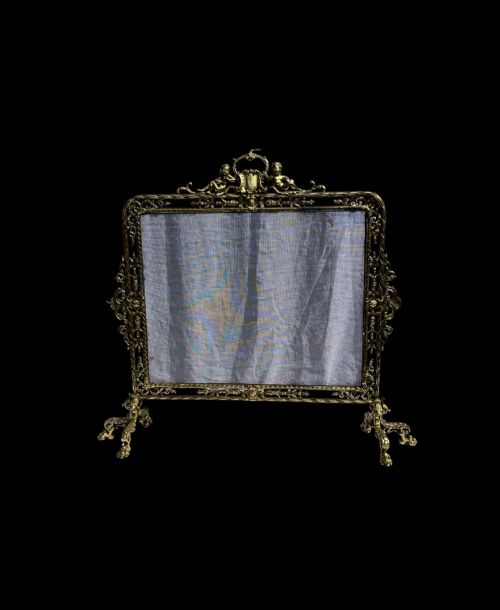
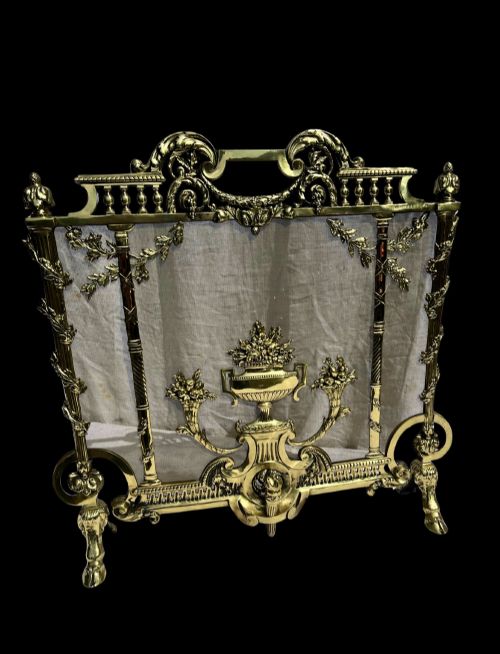




Ornate Metal Hearth Guard
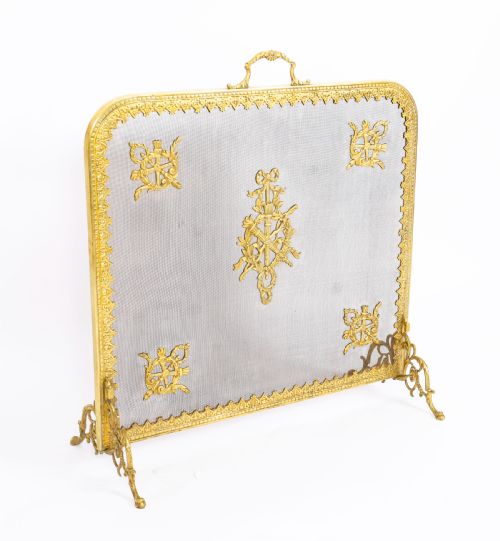
An ornate metal hearth guard brings architectural theatre to a fireplace while keeping stray embers safely contained behind delicate wire mesh.
Ornate Metal Hearth Guard
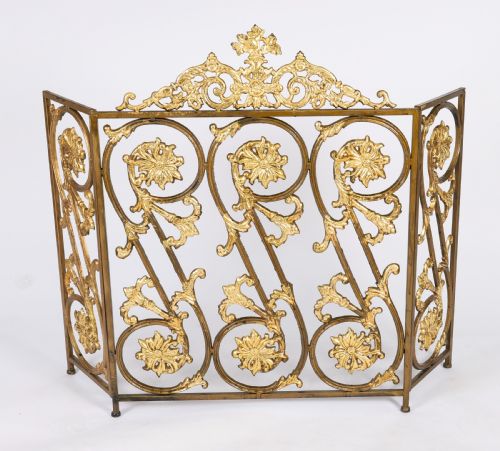
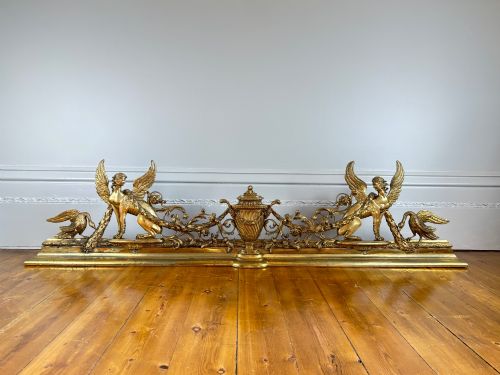
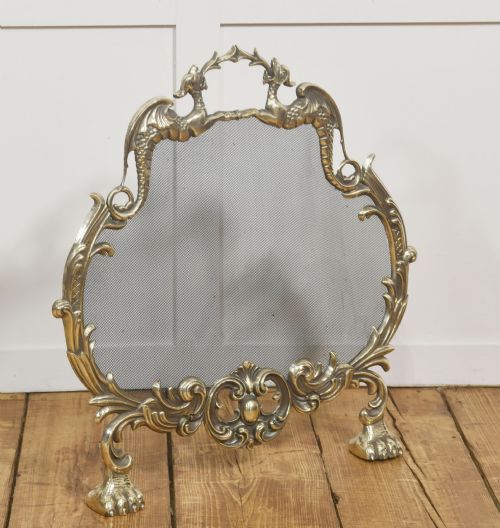
When you search for an ornate metal hearth guard, you encounter fire screens and fireplace fenders originating from the nineteenth century up to the early twentieth century. These pieces divide primarily into standing screens designed to shield the room from radiant heat and low fenders that frame the hearth perimeter.
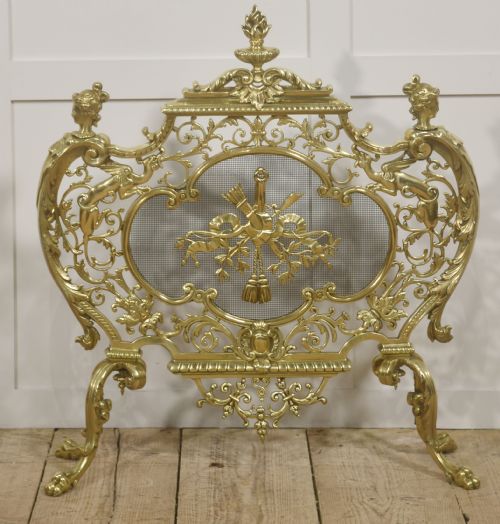
The aesthetic leans heavily into revival movements, with French Rococo, Louis XIV, Louis XVI, and Gothic styles dominating the selection. Makers from these periods employed flamboyant casting and pierced work to turn a practical safety barrier into a focal point of the room.
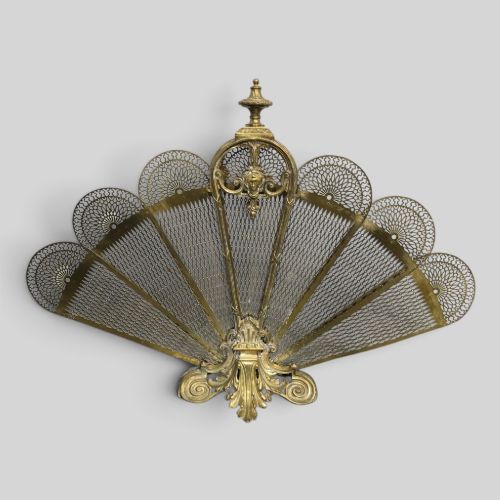
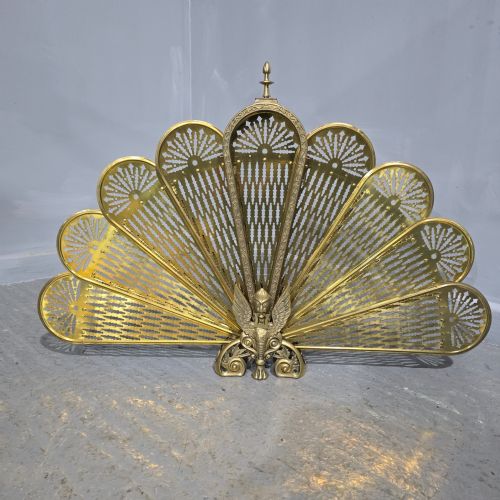
You will most frequently meet brass and gilt bronze examples featuring intricate scrolls, dolphin motifs, or folding peacock fan designs. Iron and steel versions also appear, offering a heavier, more austere alternative to the polished brass and ormolu pieces.
Materials and construction methods
Brass, gilt bronze, ormolu, and wrought iron form the structural backbone of these hearth guards. Founders shaped these metals through casting, piercing, and hammering, creating robust frames capable of withstanding intense hearth temperatures.
Wire mesh and fine metal screening were integrated into the frames to catch sparks while maintaining transparency. Gilt finishes and applied patination were then used to enhance the decorative relief of the metalwork.
Listings span the nineteenth and early twentieth centuries, capturing the shift from Victorian cast iron through to elaborate French revival brass.
Judging the quality of metal hearth guards
The distinction between ordinary and exceptional pieces lies in the crispness of the casting and the depth of the hand-chasing on the metal surface. Superior examples display sharply defined scrollwork, balanced proportions, and substantial weight rather than thin, pressed sheet metal.
Finishing details also dictate quality, particularly the retention of original gilding, such as dore bronze or ormolu, and the careful integration of the mesh into the main frame without clumsy soldering.
E F Caldwell New York
The Ornate Metal Hearth Guard Glossary
- Fire screen
- A freestanding barrier placed before an active fireplace to block excessive heat and contain sparks. They often feature adjustable panels or folding fan designs.
- Fireplace fender
- A low metal guard fitted tightly around the hearth base to prevent logs and embers from rolling onto the floor. They frequently match the decorative language of the fire screen.
- Ormolu
- Finely ground high-carat gold applied in a mercury amalgam to bronze or brass. This technique yields a rich, durable golden surface characteristic of high-end French pieces.
- Dore bronze
- An alternative term for gilt bronze objects treated with mercury gilding. The process creates a warm, deep lustre that resists tarnishing over decades.
- Rococo Revival
- A nineteenth-century design movement inspired by the asymmetrical curves, C-scrolls, and naturalistic motifs of the French eighteenth century. It remains the most common style found on ornate hearth guards.
Ornate Metal Hearth Guard: Frequently Asked Questions
How do I choose between a fender and a screen?
Fenders sit directly on the floor to frame the hearth opening and stop rolling logs, whereas screens stand upright to block radiant heat and flying sparks.
Many period interiors paired both types to achieve complete hearth protection and a balanced decorative scheme.
What is a peacock fire screen?
A peacock fire screen consists of overlapping metal blades that expand outward into a semicircular fan resembling a peacock tail.
This clever Victorian mechanism allowed the screen to fold flat when the fireplace was not in use.
How do I clean an antique brass screen?
Dust the metal gently with a soft dry cloth and avoid harsh chemical dips that strip away desirable age patination.
Preserving the historical surface sheen ensures the piece retains its character and visual depth.
Are these guards safe to use with modern fires?
Most antique guards serve as effective spark barriers, provided the wire mesh and structural joints remain stable and secure.
Heavy cast iron and robust brass frames easily handle the heat of contemporary wood-burning or gas hearths.