


Cast Brass Fireguard
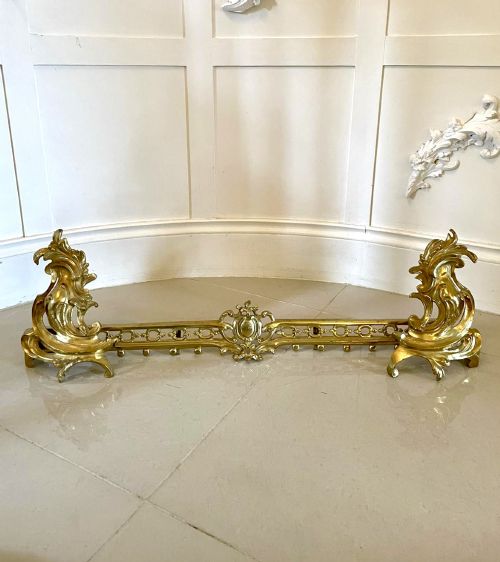
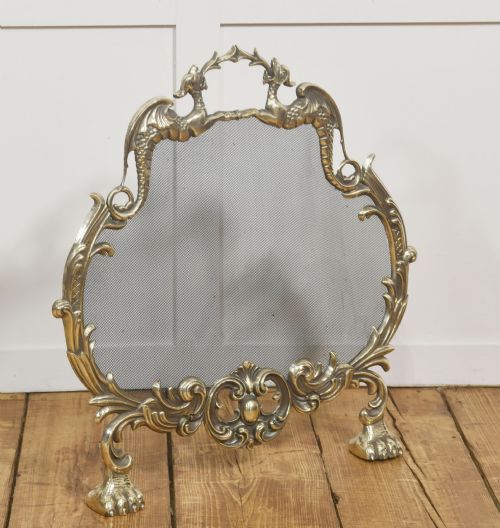
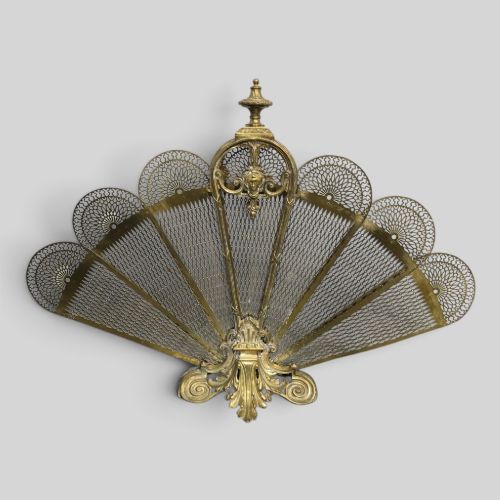
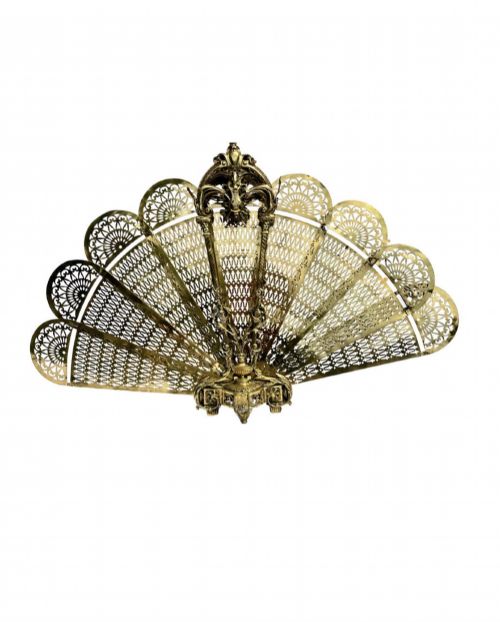
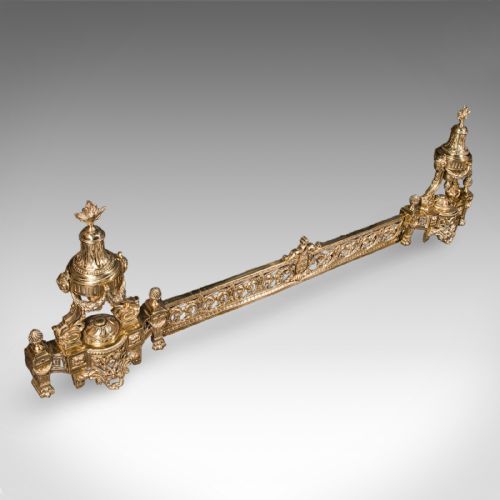
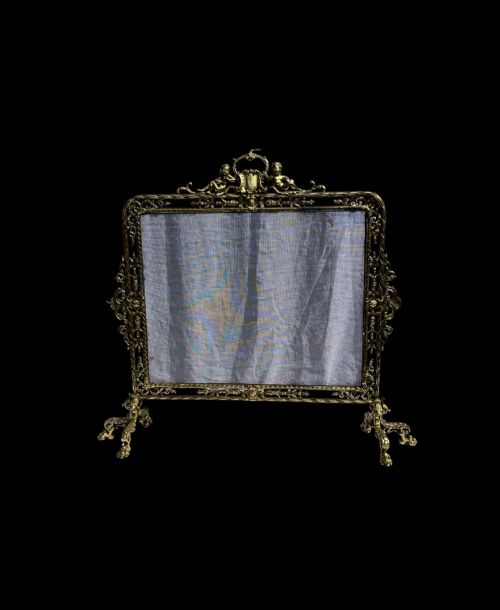
These cast brass fireguard pieces shield a room from stray embers whilst bringing nineteenth-century metalwork straight to the hearth.
Cast Brass Fireguard
A cast brass fireguard forms a protective barrier before an active fireplace, combining practical safety with decorative metalwork. When you search for a cast brass fireguard, you encounter hearth furniture designed principally during the Victorian era and the nineteenth century.
The selection on this page centres heavily on Victorian pieces, alongside specific nineteenth-century dates such as eighteen eighty and eighteen sixty. Forms range from extending fenders and adjustable fire curbs to decorative fire screens featuring wire or iron mesh.
How they were made
These pieces rely primarily on cast brass, often complemented by gilded brass, bronze or ormolu for decorative enrichment. Heavy gauge construction ensures durability around the hearth, whilst steel and iron mesh provide the necessary functional barrier against sparks.
French Rococo and Rococo Revival styles influence the ornamentation, creating ornate scrolling frames and intricate pierced designs. Makers utilised adjustable mechanisms on extending fenders and fire curbs to fit various hearth dimensions.
Listings feature Victorian pieces alongside specific nineteenth-century dates including eighteen sixty, eighteen seventy, eighteen eighty, and nineteen ten.
What varies in quality
The distinction between standard items and superior examples lies in the weight of the metal and the crispness of the casting. Heavy gauge brass and finely chased ormolu details demonstrate a higher grade of manufacture than lighter, simpler productions.
Stylistic ambition also separates the pieces, with elaborate French Rococo Revival frames requiring greater skill than plain utilitarian guards. The presence of sophisticated adjustable mechanisms or integrated wire mesh panels indicates a more thoughtful original design.
The Cast Brass Fireguard Glossary
- Fender
- A low metal frame placed around the hearth to keep burning fuel and debris from spilling onto the floor. They can extend or adjust to fit particular fireplace openings.
- Ormolu
- Gilded bronze or brass applied to decorative objects and furniture mounts. This technique gives the metal a rich golden appearance.
- Rococo Revival
- A nineteenth-century design movement inspired by the French Rococo style of the eighteenth century. It is characterised by asymmetrical scrolling, shell motifs and naturalistic curves.
Cast Brass Fireguard: Frequently Asked Questions
What is a cast brass fireguard used for?
A cast brass fireguard protects the surrounding room from stray embers and sparks thrown by an open fire. Beyond safety, it serves as a permanent decorative fixture that frames the hearth.
During the warmer months when fires are unlit, the decorative screen or fender continues to dress the fireplace opening. Victorian examples often incorporate intricate mesh and scrolling metalwork for visual interest.
How do I date a Victorian fireguard?
Dating relies on stylistic clues such as Rococo Revival motifs, material composition like heavy gauge brass, and construction methods. Many pieces bear the characteristic heavy casting techniques of the nineteenth century.
Examining the fasteners and the type of wire or iron mesh used can also offer chronological clues. Extending mechanisms and adjustable curbs became particularly refined during the Victorian period.
How do I clean cast brass?
Cleaning cast brass requires a soft cloth and gentle metal cleaner appropriate for historic surfaces. Avoid abrasive pads that can scratch the fine patination built up over decades.
Gilded brass and ormolu demand particular care to preserve the thin gold layer. Regular dusting helps maintain the metal without stripping its character.