
Ornate Gilt Frame Portrait
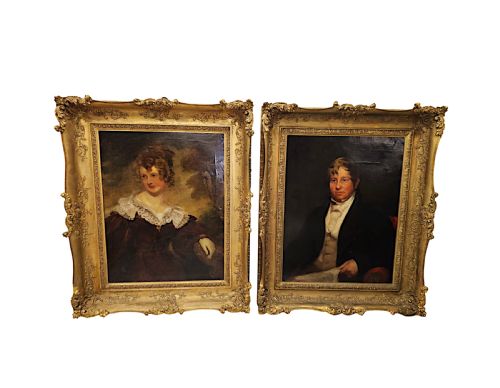
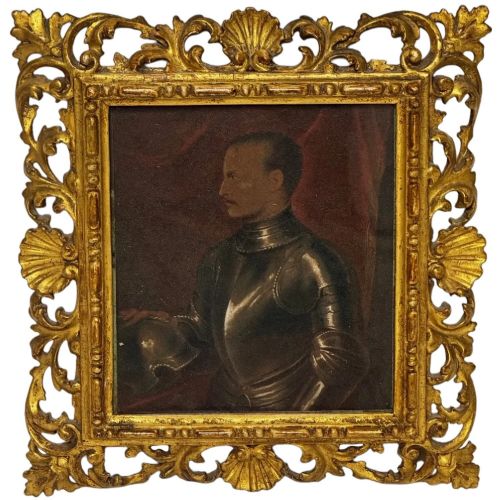
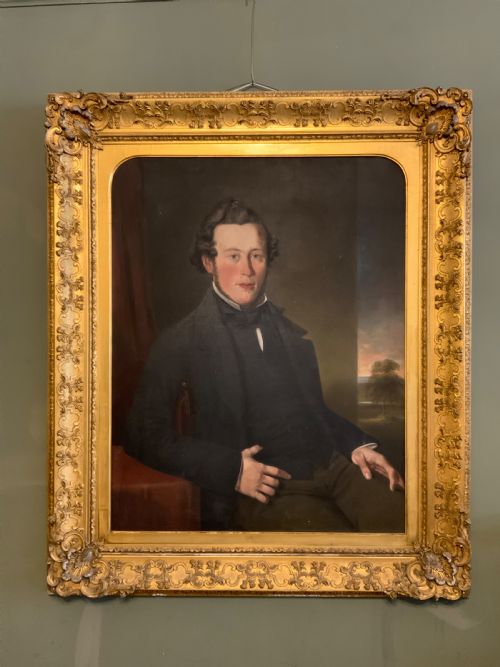
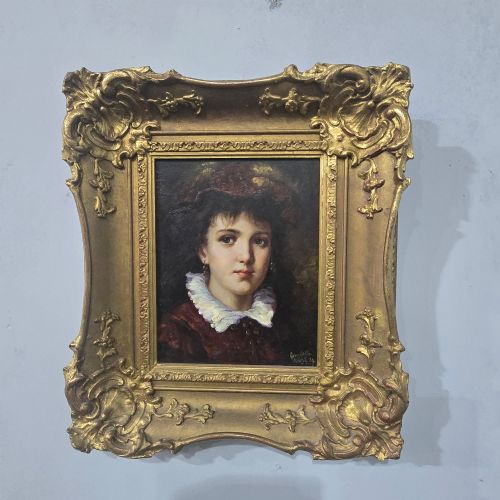
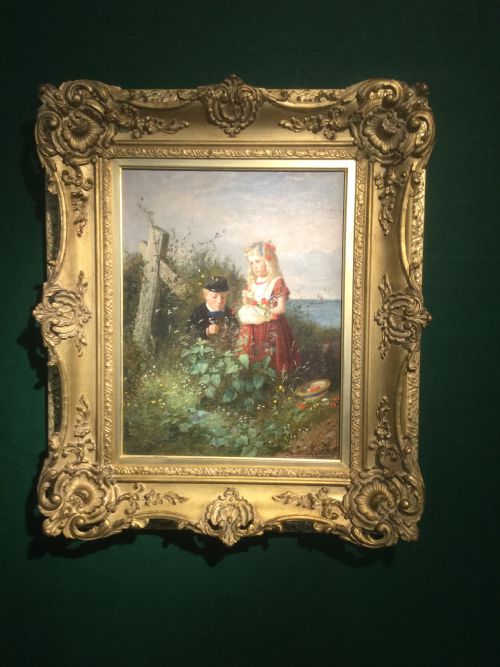
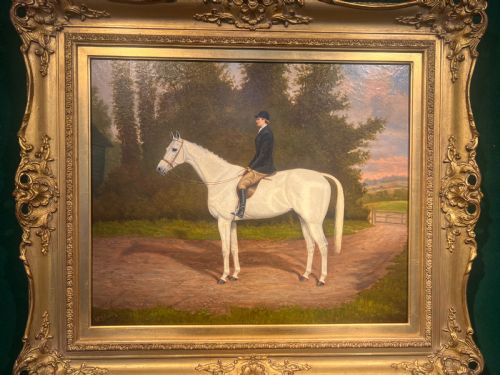
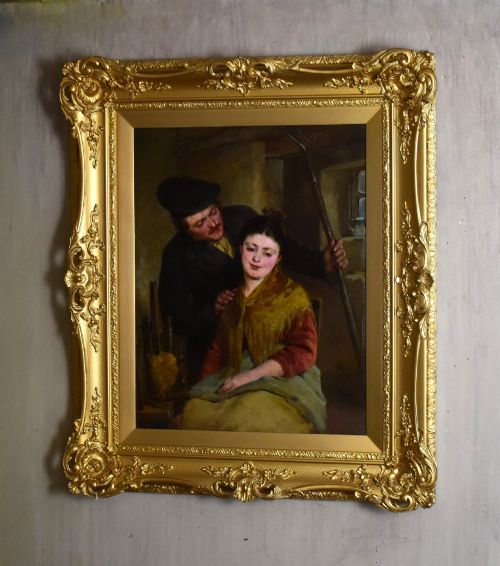
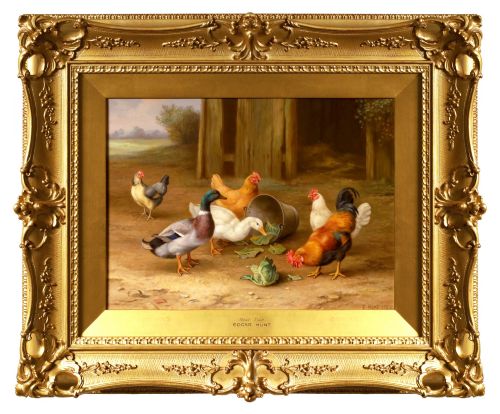
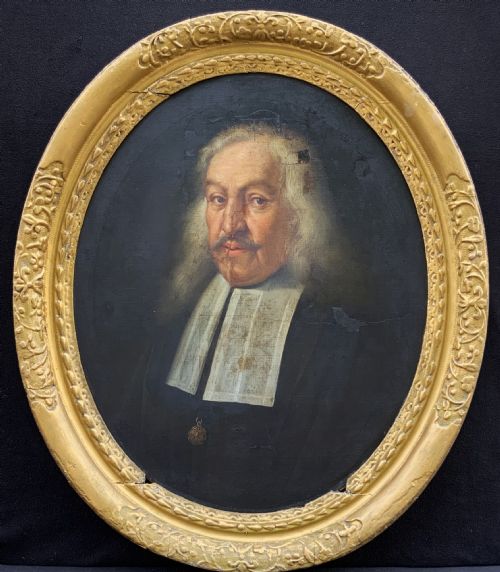
An ornate gilt frame portrait combines expressive painted subjects with heavy, lustrous borders, offering buyers a distinct focal point for interior display.
Ornate Gilt Frame Portrait
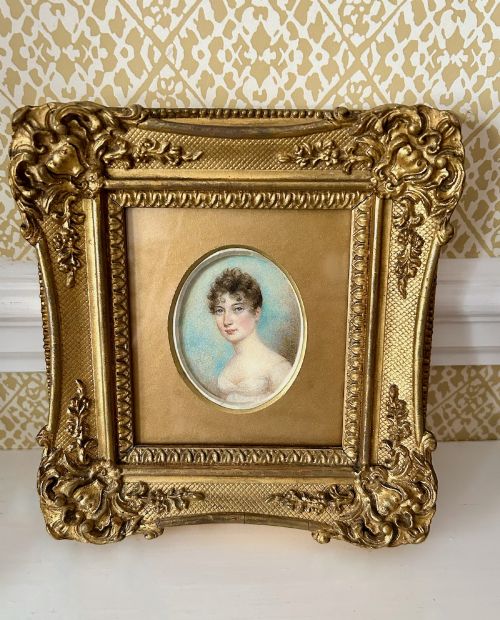
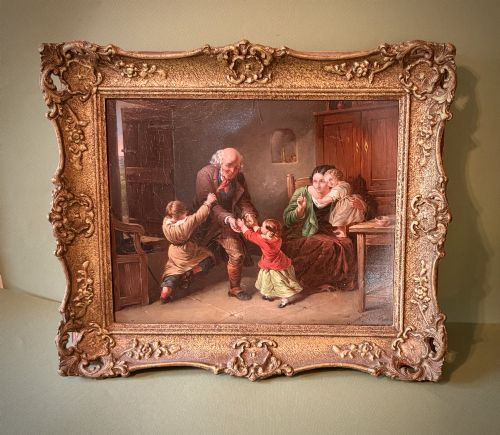
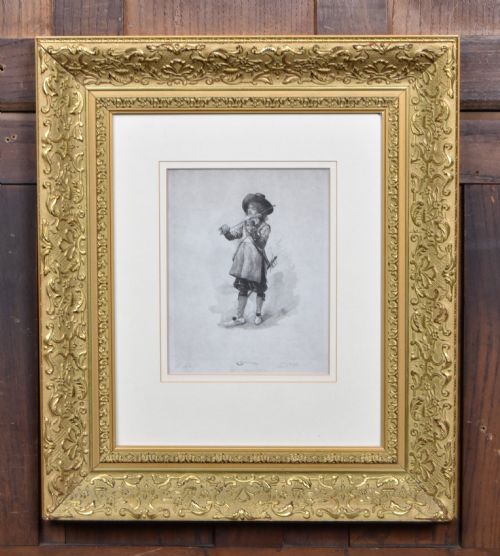
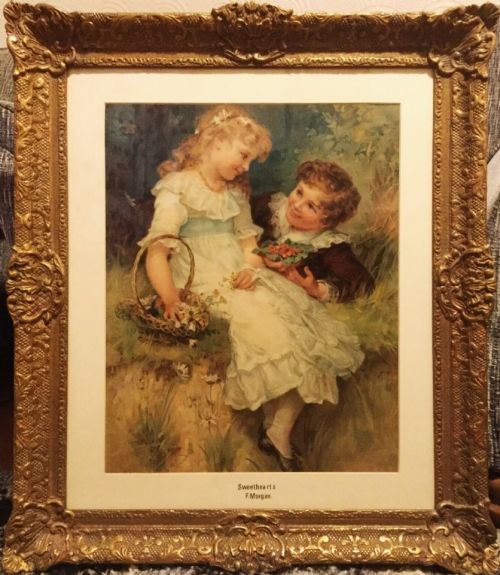
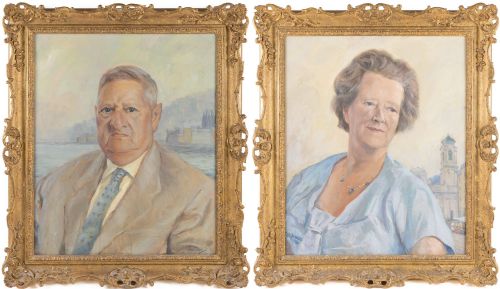
An ornate gilt frame portrait pairs historical artworks with decorative surrounds, capturing centuries of portraiture traditions from the seventeenth century through to the mid twentieth century. Buyers seeking an ornate gilt frame portrait will encounter oil paintings, pastels, watercolours, and prints housed within heavily moulded borders.
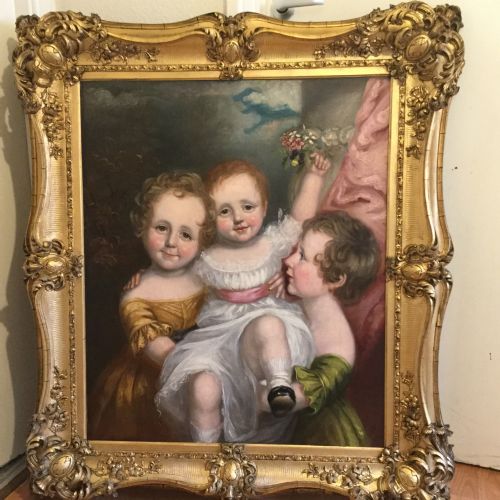
The selection ranges from Regency and Victorian depictions of gentlemen and children to Italian and Dutch school compositions. These pieces deliver a sense of historical depth and visual gravity to domestic spaces through their elaborate framing.
Most examples originate from nineteenth-century workshops, combining traditional portrait subjects with decorative giltwood and gesso housings. Each item merges pictorial art with the craftsmanship of period framing.
Materials and Construction
Makers built the structural housings using wood before applying layers of gesso to carve intricate surface details and relief patterns. Artisans then laid gold leaf over the prepared surfaces to achieve a luminous metallic finish.
Artworks themselves utilise oil on canvas, pastel, watercolour, or gouache on paper and board. These varied painting and drawing media allow for different levels of fine detail in the depiction of human subjects.
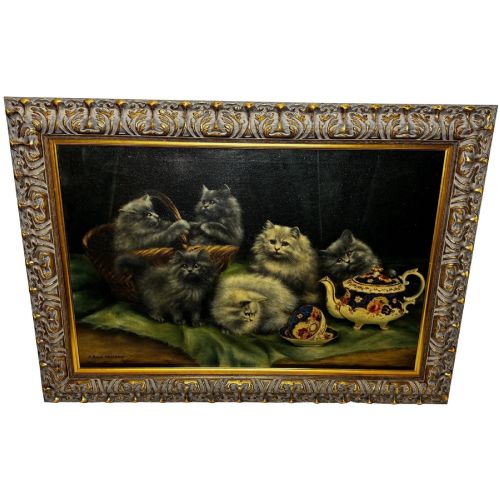
Cats occasionally join human sitters on canvas, receiving the same ornate gilt treatment as their Regency and Victorian counterparts.
Assessing Quality and Execution
The refinement of the gesso moulding and the purity of the gold leaf application distinguish superior decorative frames from simpler production. Superior frames display crisp, deeply undercut foliage and scrollwork rather than soft or moulded plaster substitutes.
The artistic competence of the portrait handling, demonstrated through accurate anatomical drawing and sensitive use of medium, separates masterworks from standard decorative pieces. Original pairings of frame and canvas hold greater historical integrity than later marriages of separate items.
Martin Theodore Ward·Howard Helmick·Toussaint Gelton·Pieter Borseler·Edgar Hunt·Charles Hunt·William Albert Clarke·David Teniers The Younger·Renato Moretti·Emily Eyres·Sir Thomas Lawrence·Arthur Percy Dixon·David Pelbam·William Arthur Breakspeare·Alice Anne Renshaw·George Bernard O'Neill·Frank Moss Bennett·Thomas Edward Roberts·Henry John Yeend King·Bennett Hubbard·Bartolome Esteban Murillo
The Ornate Gilt Frame Portrait Glossary
- Giltwood
- Wood that has been coated with gold leaf or gold paint. This technique creates a durable, reflective surface characteristic of luxury period frames.
- Gesso
- A plaster mixture applied to a wooden frame base to form a smooth surface for carving. It allows artisans to shape elaborate relief decorations.
- Oleograph
- A mechanical colour lithograph produced on canvas to imitate an oil painting. These appeared widely in the nineteenth century as accessible wall art.
- Genre painting
- Artwork depicting scenes from everyday life rather than grand historical or mythological subjects. These compositions often show domestic interiors or outdoor gatherings.
- Swept frame
- A frame moulding featuring dynamic, curving scrollwork that sweeps outwards from the centre. This style gained particular popularity during revival periods.
Ornate Gilt Frame Portrait: Frequently Asked Questions
How do I identify a period frame?
Examine the construction methods visible on the reverse, looking for hand-cut joinery and traditional fixings rather than modern staples. Period frames typically show distinct layers of gesso and preparation beneath the gold leaf.
Inspect the crispness of the carved or moulded ornamentation on the front edges. Stylistic motifs often align with the prevailing fashions of the era in which the portrait was produced.
Were these portraits originally painted for these frames?
Many surviving pieces retain their original matched frames, particularly those commissioned by affluent sitters during the nineteenth century. The dimensions of the canvas and the rebate of the frame should align precisely without modern spacers.
Some historical artworks have been reunited with replacement frames from the same era. A knowledgeable inspection considers whether the scale and style of the border complement the painted subject.
How should I care for gilt frames?
Keep gilt frames away from direct sunlight and damp environments to prevent the gesso foundation from cracking or lifting. Stable indoor temperatures preserve both the wooden structure and the delicate metallic leaf.
Dust the surface very gently with a soft, dry brush to remove particles without abrading the gold. Avoid liquid cleaning products entirely, as moisture penetrates old gesso and causes irreversible damage.
What subjects are most common?
Gentlemen, ladies, and children dominate the painted subjects, often captured in formal bust or three-quarter poses. Artists also produced genre scenes and animal portraits housed within decorative borders.
Regional European schools and British artists produced the majority of these works throughout the eighteenth and nineteenth centuries. The clothing and hairstyles of the sitters provide immediate clues to the date of execution.