
Ornate French Wall Mirror
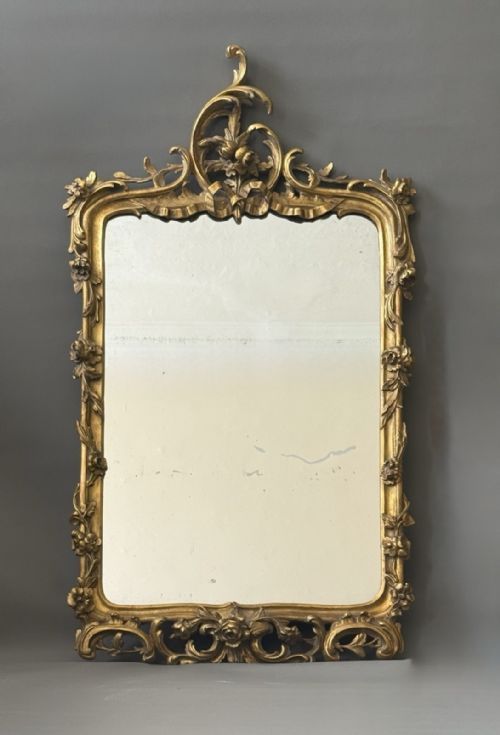
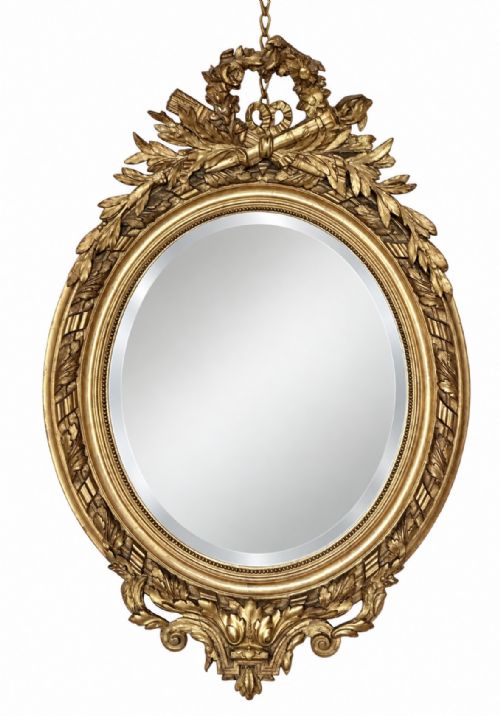
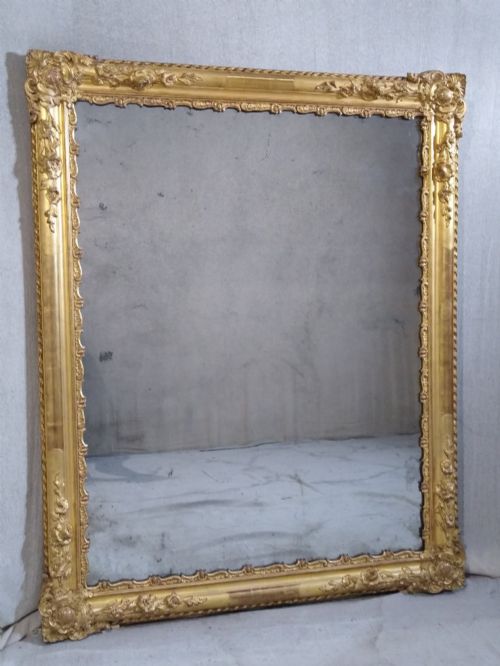
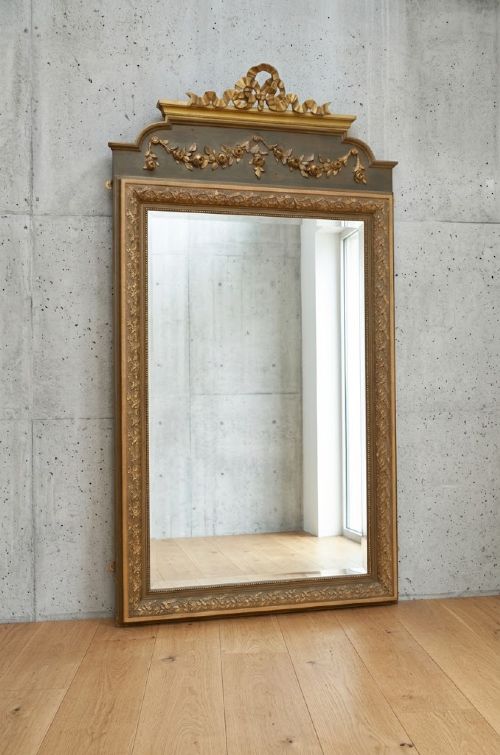
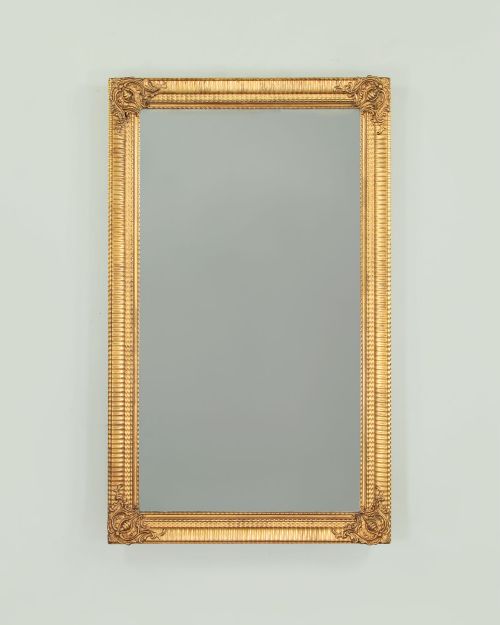
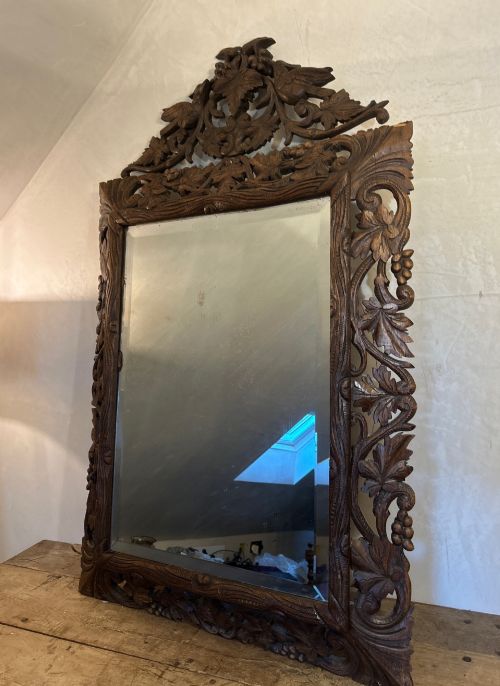
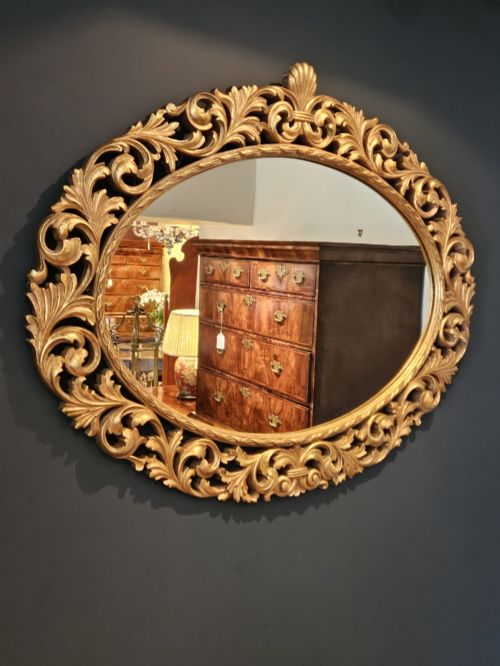
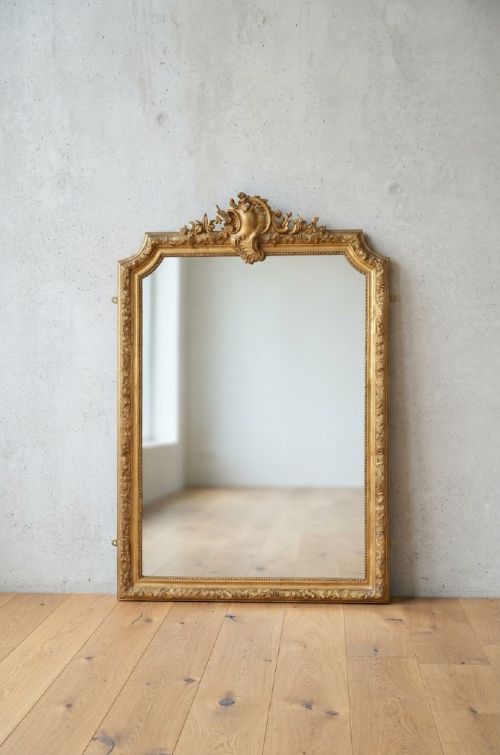
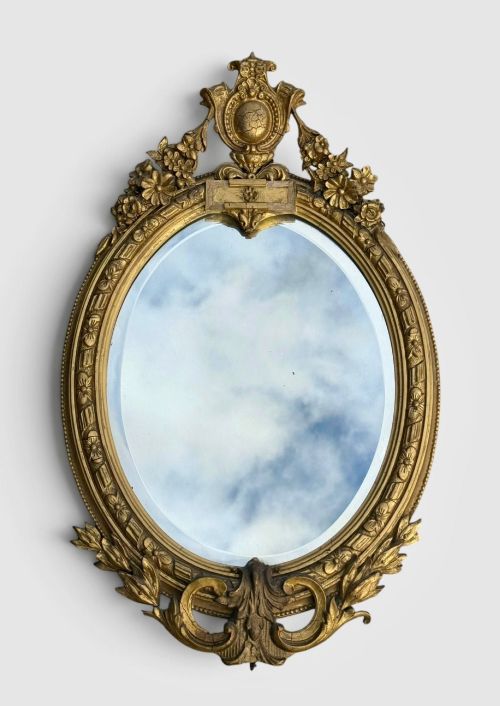
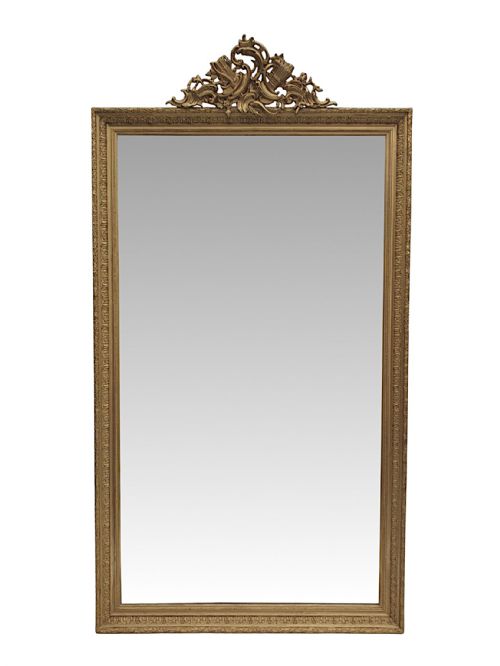
An ornate french wall mirror brings historic presence and reflective light into a room through carved detail and gilded surface.
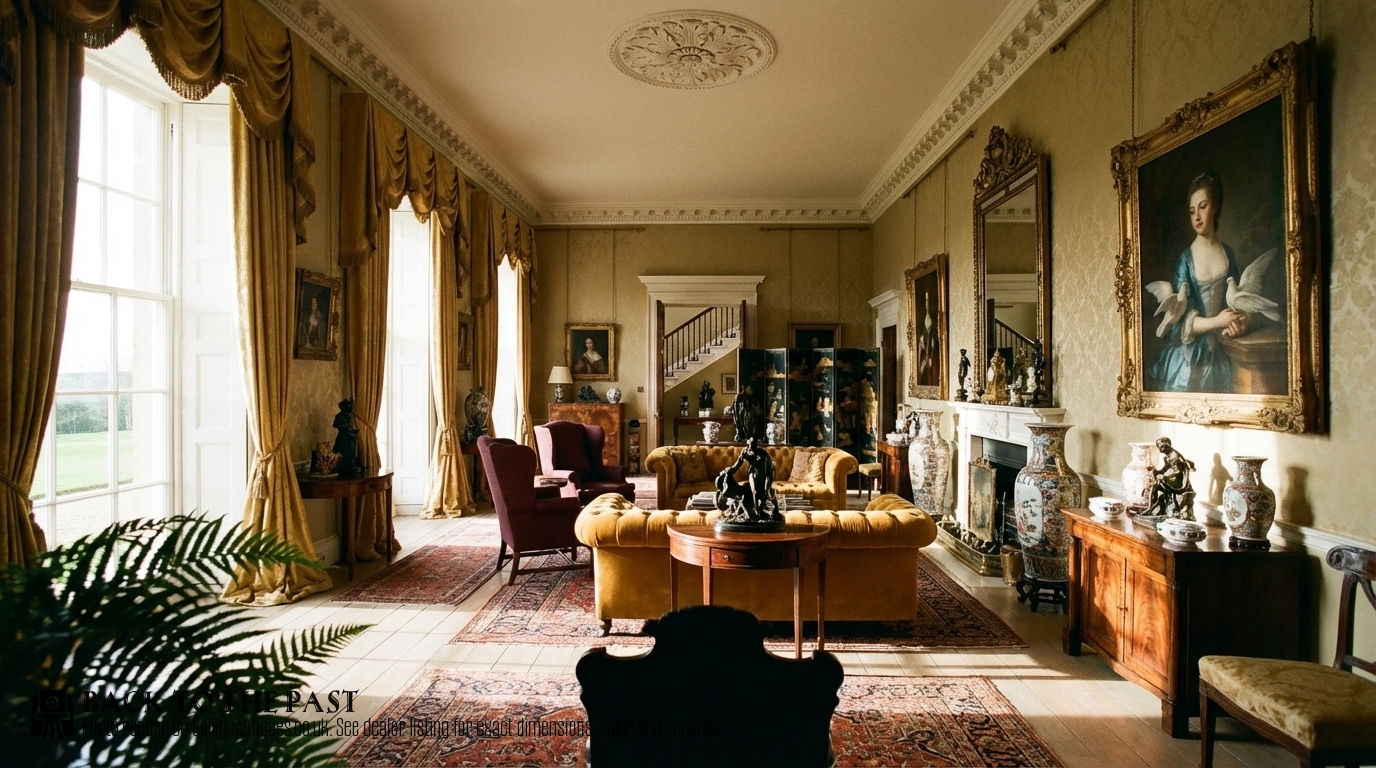
Ornate French Wall Mirror
An ornate french wall mirror serves as a decorative focal point, bringing light and depth to domestic interiors through substantial scale and intricate framing.
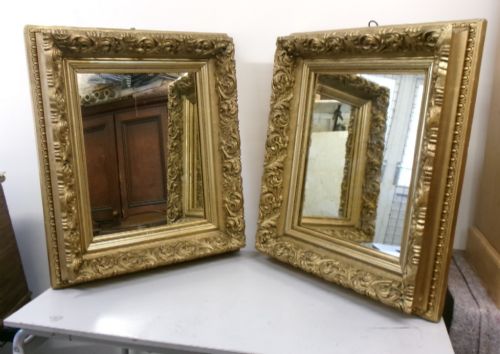
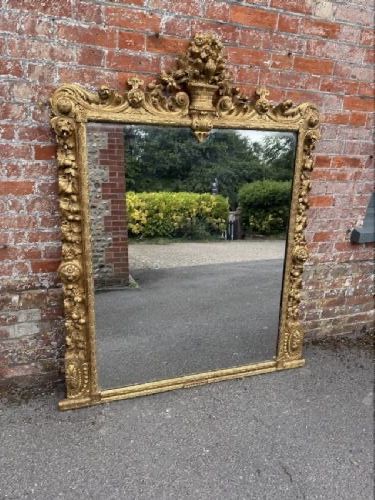
The selections available here lean heavily into nineteenth-century production, spanning grand overmantels, leaner mirrors, and smaller wall-hanging pieces.
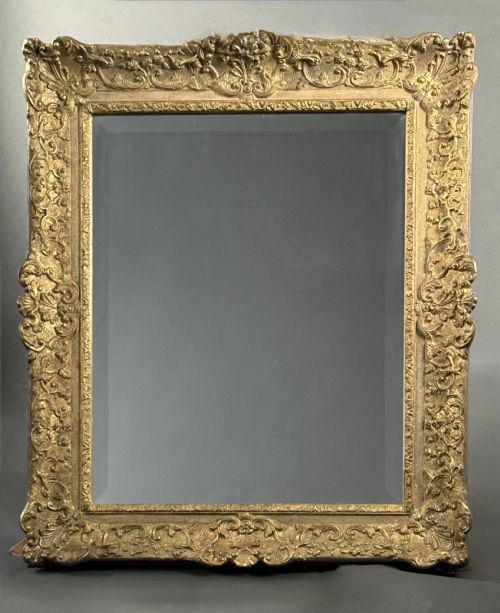
Examples often reflect French Rococo, Louis styles, and Victorian taste, featuring elaborate crests, cartouches, and floral motifs.
How They Were Made
Frames rely on carved wood, composition, and gesso moulded over timber foundations to build up deep, sculptural relief before gilding or painting.
Gilding techniques apply gold leaf, silver-gilt, or metallic paint to the prepared surfaces, sometimes paired with olive green, cream, or white painted finishes.
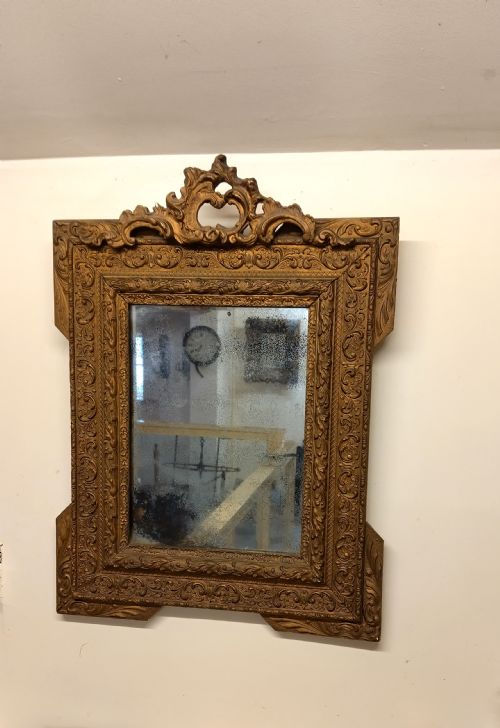
Reflective surfaces include antique mirror glass, bevelled plates, and mercury plate glass showing natural ageing or foxing.
Ornate French Wall Mirror Retail Price Guide 2026
Typical asking prices for ornate french wall mirror among the pieces listed under this phrase on Sellingantiques today, from the lower quarter to the upper quarter. They describe what is for sale here now, not the wider market.
Materials recorded across the inventory include giltwood, gesso, composition, brass, oak, and silver-gilt alongside standard mirror glass and antique plates.
What Varies in Quality
The crispness and depth of the carved woodwork and moulded gesso dictate the visual strength of the frame, separating sharply defined ornamentation from softer, blunter casting.
The preservation of original gilding and the character of the glass plate, whether carrying genuine foxing or clear reflection, determine the integrity of the piece.
The Ornate French Wall Mirror Glossary
- Overmantel mirror
- A large mirror designed to hang specifically above a fireplace mantelpiece. These pieces often feature wide proportions and arched or crested tops.
- Gesso
- A plaster-like material applied to wood frames and carved or moulded into decorative reliefs. It provides a smooth base for subsequent gilding or painting.
- Giltwood
- Timber that has been coated with gold leaf or metallic powder. It yields a rich, reflective surface characteristic of formal period frames.
- Foxing
- The brown spots and speckles that develop in antique mirror glass over time. This chemical reaction occurs within the reflective layer due to age and moisture.
- Girandole
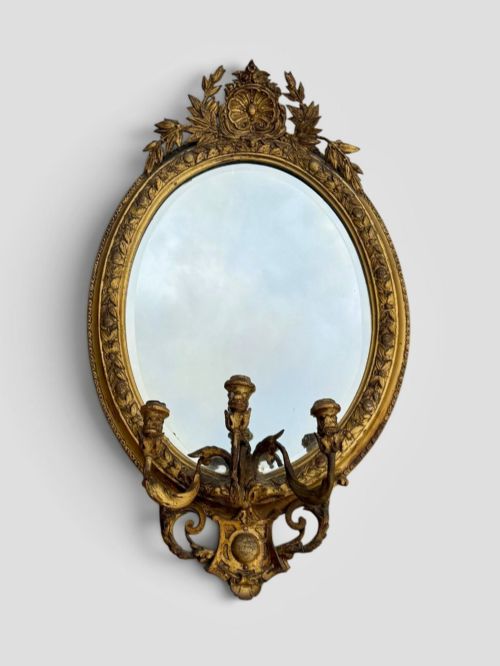
- A decorative wall mirror featuring attached candle sconces or brackets. The candle holders reflect light back into the room from the glass plate.
Ornate French Wall Mirror: Frequently Asked Questions
How do I hang a heavy overmantel mirror safely?
Large overmantel and leaner mirrors require secure wall fixings anchored directly into structural masonry or heavy studwork. Professional installation ensures the substantial weight of the timber and glass frame is properly supported.
Using proprietary mirror plates or heavy-duty D-rings distributed evenly across the back of the frame prevents twisting and distributes the load safely.
What is an antique mercury plate?
Older mirrors often utilise a backing process involving a tin and mercury amalgam applied to the glass. This traditional method produces a distinctive, deep reflection compared to modern aluminium or silver coatings.
Mirrors with original mercury plates frequently display subtle clouding, dark spots, or gentle foxing that marks their age.
Where should I place a large french wall mirror?
Placing a large mirror opposite a window maximises natural light and creates the illusion of expanded space in reception rooms or hallways. Overmantel mirrors sit naturally above fireplace openings, aligning with historical placement.
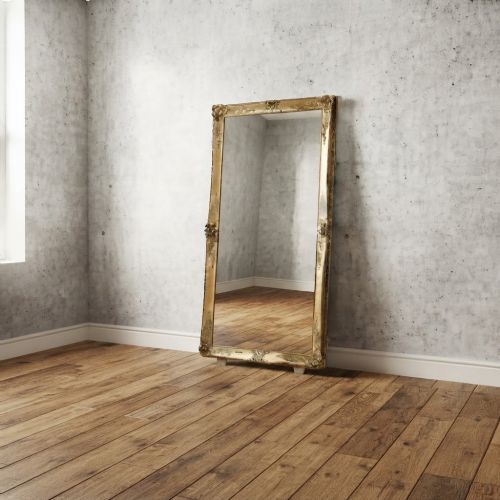
Full-length leaner mirrors function effectively when positioned directly on the floor against a principal wall.
How do I clean an antique gilt frame?
Dust giltwood and gesso frames gently with a soft, dry brush to prevent damage to delicate carved details and fragile gold leaf. Avoid liquid cleaners, moisture, and abrasive cloths entirely.
Water and chemical solvents can strip historical painted or gilded finishes from the composition mouldings.