

Ornate Framed Fine Art
Ornate framed fine art brings together oil paintings, watercolours and pastels enclosed within decorative wooden surrounds from the seventeenth century onwards.
Ornate Framed Fine Art
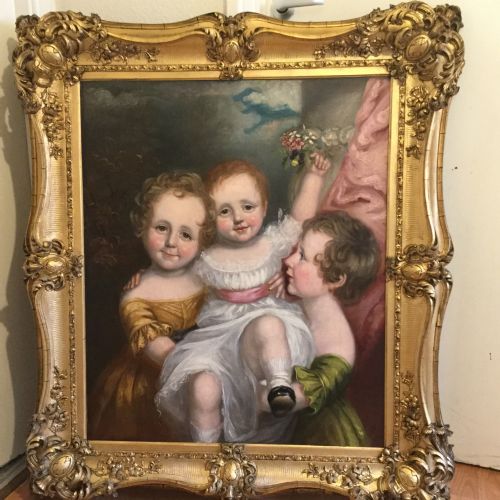
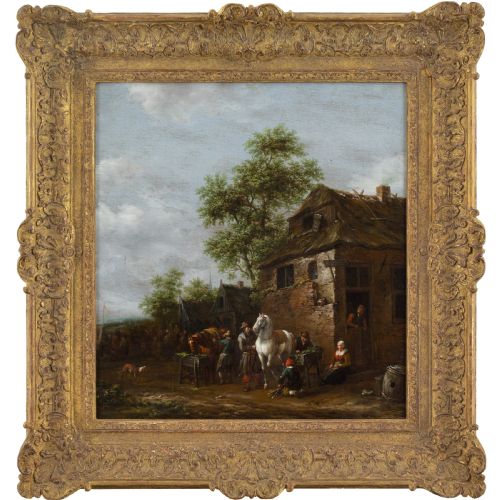
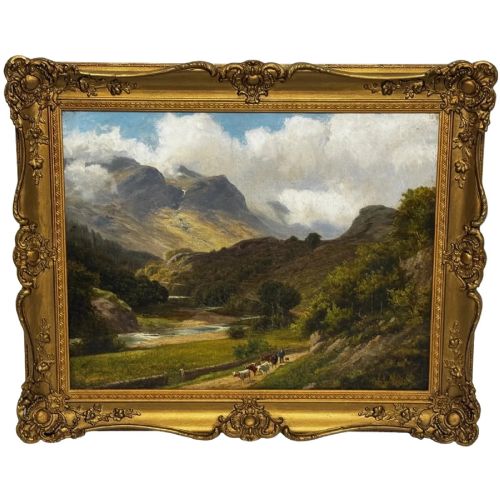
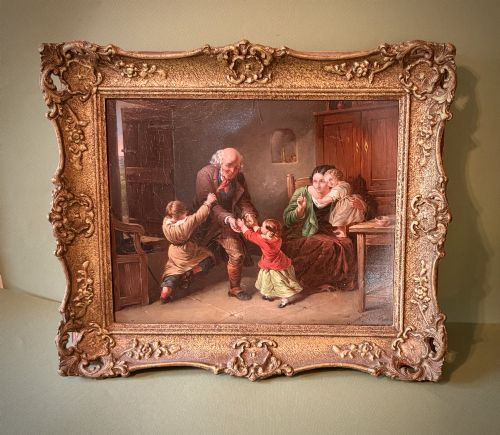
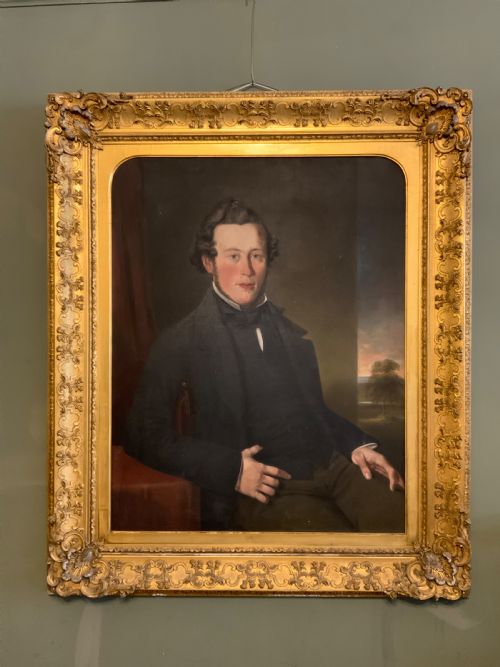
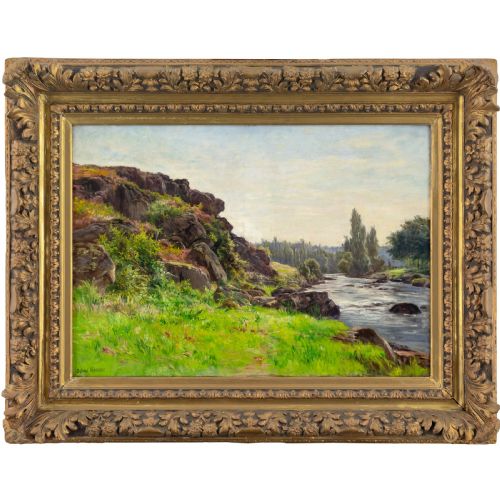
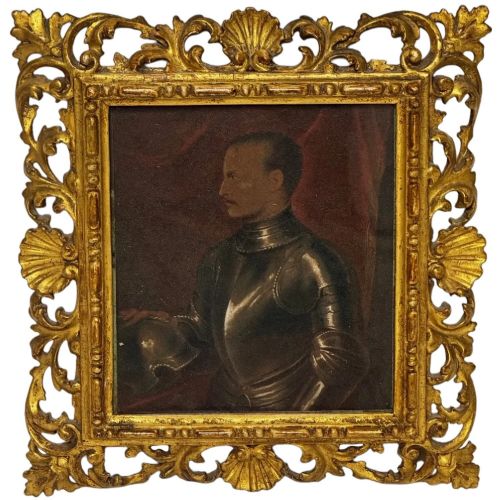
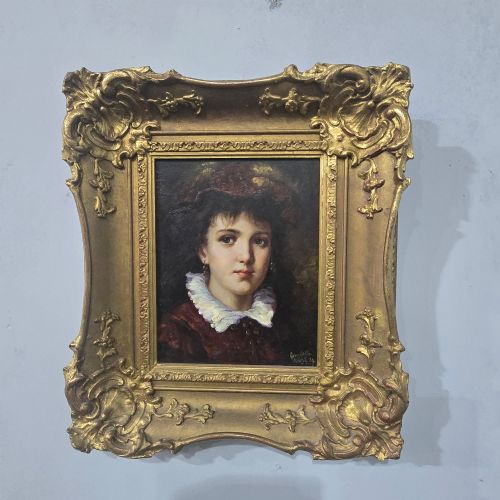
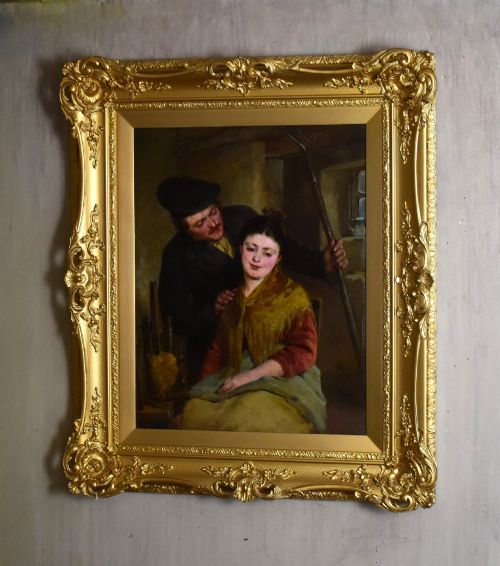
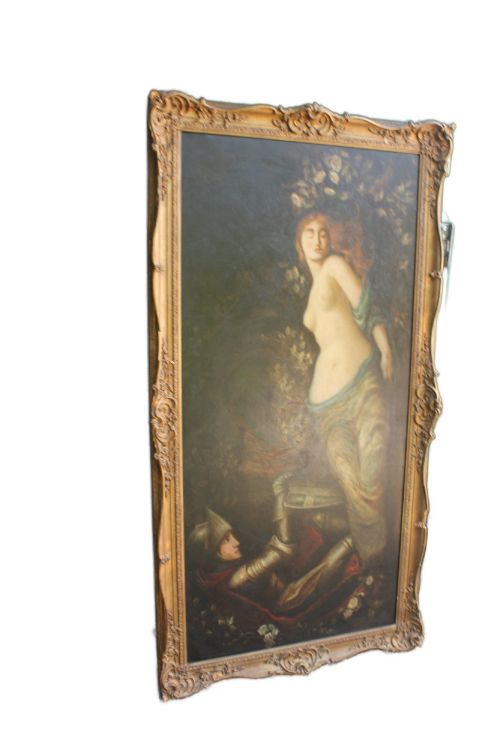
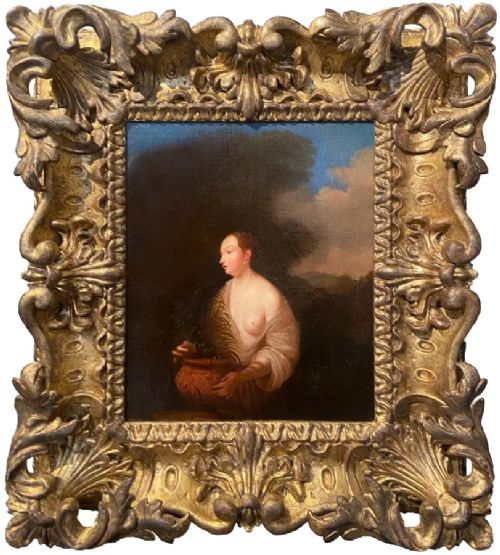
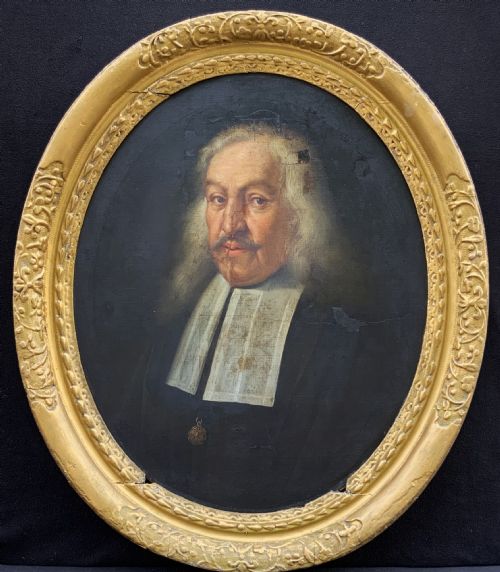
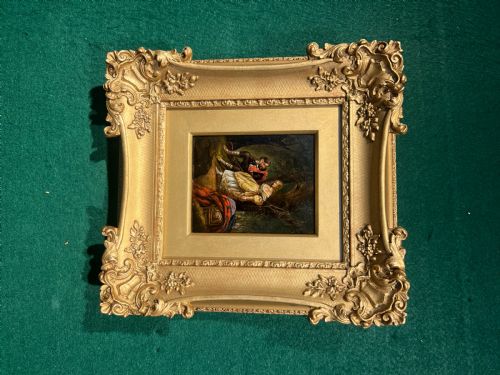
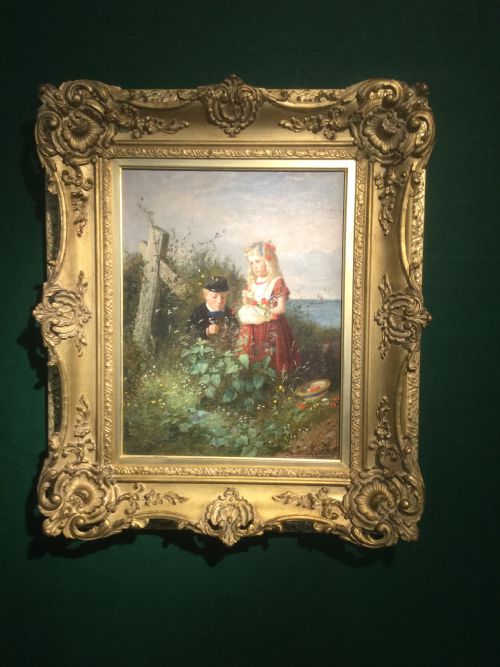
When you search for ornate framed fine art, you encounter painted works on canvas, board and paper housed inside heavily decorated surrounds. These pieces range from seventeenth-century portraits and landscapes to Victorian genre scenes and pastoral compositions.
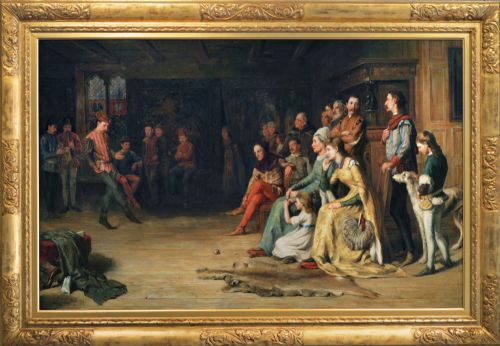
The selections on this page are most commonly Victorian or nineteenth-century works executed in oil or pastel. Subjects span detailed human portraits, coastal views, rural landscapes and historical narratives.
Materials and construction methods
Painters employed oil on canvas or board, alongside pastel and gouache on paper and canvas supports. Pigments were applied by hand to capture light and texture in landscapes, portraits and still lifes.
Surrounds utilise wood, gesso and giltwood to create dimensional decoration, often finished with layers of gold leaf or gilding. These frames were built to complement the imagery and protect the edges of the canvas or paper.
One standout portrait presents a remarkably stylish cat rendered in oil pastels.
Distinctions in craftsmanship and preservation
Superior examples demonstrate meticulous brushwork, anatomical precision in figures and a harmonious balance between the artwork and its surround. Finer frames show crisp moulding in the gesso and careful application of gold leaf rather than flat paint.
Condition plays a central role, distinguishing pieces with original untouched surfaces and intact frame ornament from those requiring extensive restoration. The integration of the period surround with the painting itself dictates the visual cohesion of the object.
Eugène Verboeckhoven·William Beattie-Brown·Gabriel Mathieu·James Hamilton·Pieter Borseler·Abraham Cooper·Paul Désiré Trouillebert·Thomas Kent Pelham·Pieter Cornelis Dommersen·Thomas Edward Roberts·George Vicat Cole·William Duffield·Hendricus Joseph Dillens·William Pitt·Henry H Parker
The Ornate Framed Fine Art Glossary
- Giltwood
- Wood carved and coated with gold leaf or metallic powder. This finish provides a reflective surface commonly applied to nineteenth-century frames.
- Gesso
- A plaster-like mixture applied to wooden frame foundations to create a smooth surface for relief moulding. Artisans carved intricate patterns into this layer before gilding.
- Genre painting
- Artwork depicting scenes from everyday life, ordinary people or domestic interiors. These compositions frequently show historical or domestic narratives.
- Oil on canvas
- Pigment suspended in drying oil applied to a stretched woven fabric support. This technique allows for rich blending of colour and textural depth.
Ornate Framed Fine Art: Frequently Asked Questions
How do I date an ornate frame?
Dating relies on the moulding techniques, the composition of the gesso, and the specific decorative motifs carved into the wood. Stylistic shifts from Regency neoclassical restraint to Victorian exuberance help narrow the period.
Examining the corner joints and the backboards provides additional clues regarding the workshop practices of the era in which the frame was constructed.
Are the frames original to the paintings?
Many paintings retain their period surrounds, which were selected or commissioned to complement the specific aesthetic of the artwork. Over the centuries, however, some canvases were paired with new frames during later conservation.
Evaluating the fit of the canvas within the rebate and checking for matching wear patterns helps determine whether the pairing is contemporary to the creation of the artwork.
How should I clean a gilded frame?
Gilded surfaces require gentle dusting with a soft, dry brush to prevent the accumulation of dirt within the intricate gesso carvings. Moisture and chemical cleaning solutions must be avoided, as they strip the delicate gold leaf.
Professional conservators should handle any losses to the gilding or structural repairs to the wooden corners to preserve the historical integrity of the piece.
What is the difference between oil and pastel?
Oil paintings utilise pigment bound in drying oil on canvas or board, resulting in a durable, luminous surface that can be varnished. Pastels consist of powdered pigment compressed into stick form and applied to paper or canvas.
Pastel works require glass protection to prevent the loose pigment from smudging, whereas oil paintings remain exposed to the air.