




Original Victorian Landscape Artwork
Original victorian landscape artwork brings 19th-century fields, rivers, and coastal scenes directly to your walls.
Original Victorian Landscape Artwork
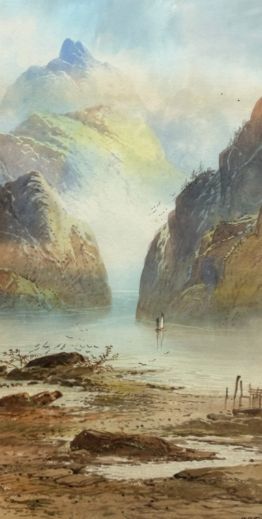
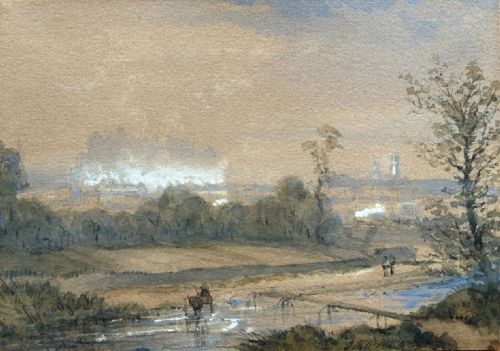
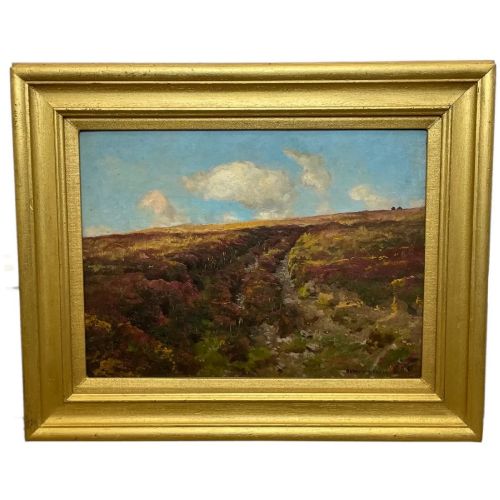
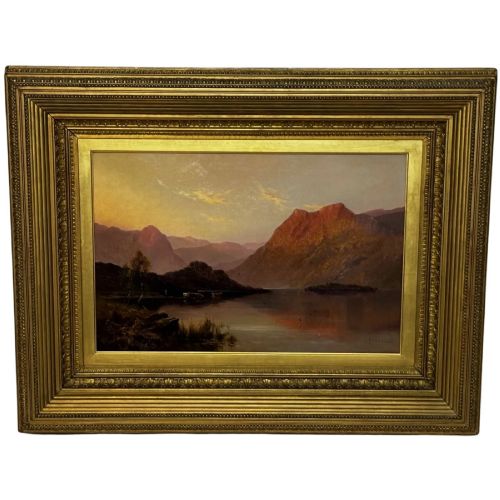
Original victorian landscape artwork comprises paintings and drawings created primarily during the nineteenth century, capturing pastoral views, Scottish highlands, and river valleys. These works document the changing countryside through the eyes of contemporary painters working in oil and watercolour.
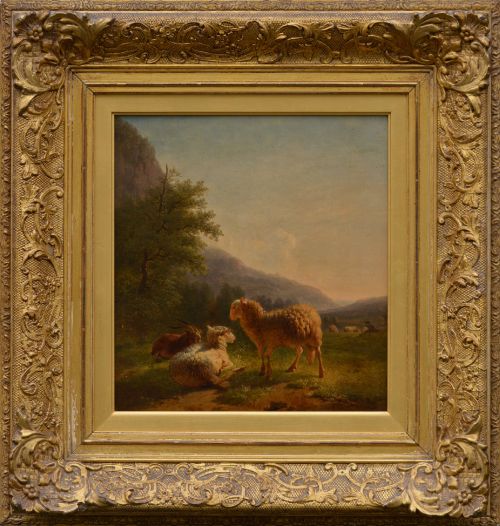
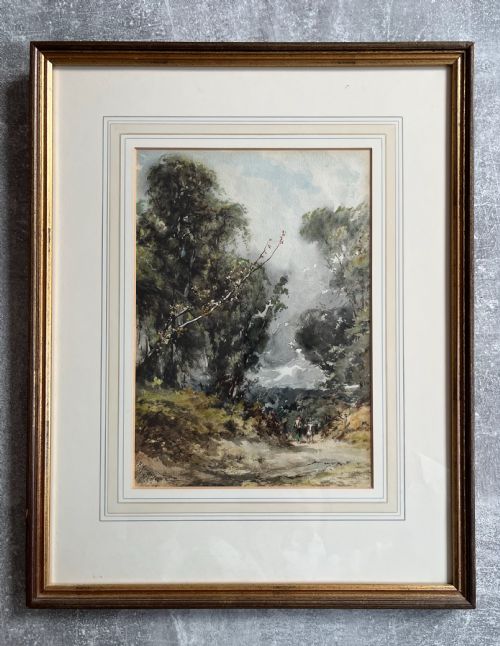
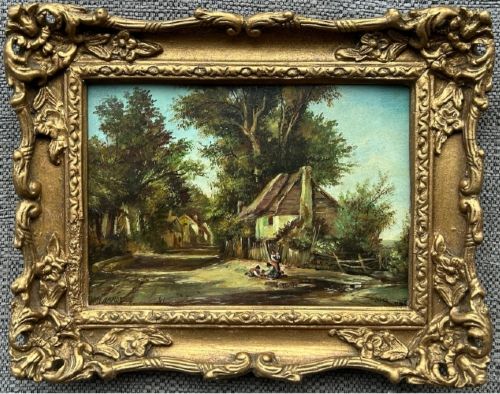
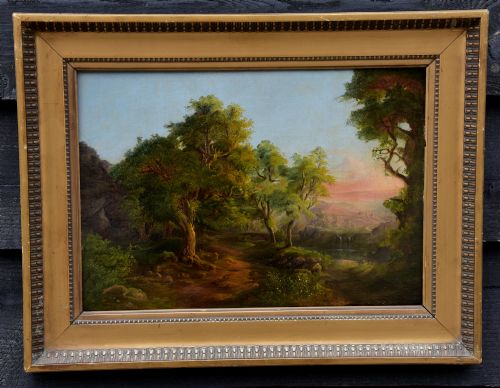
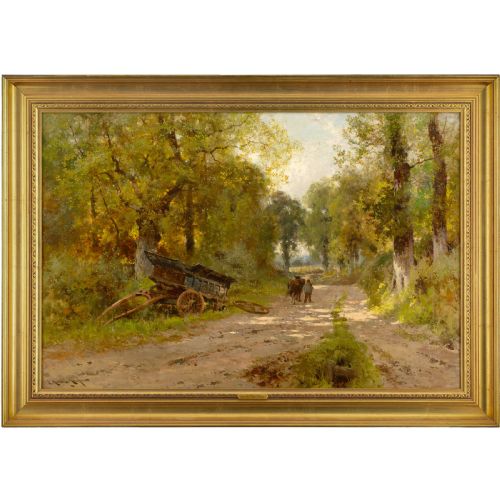
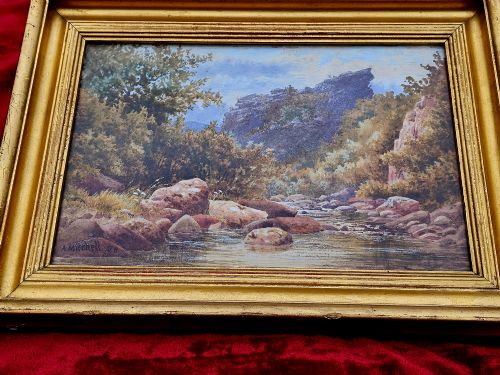
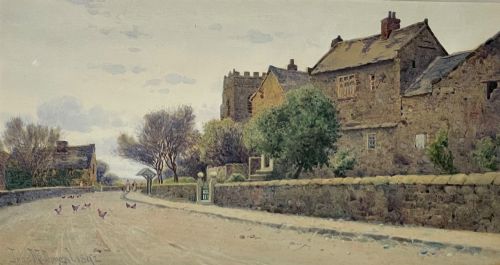
Buyers frequently encounter framed watercolours and oil paintings on canvas, panel, or board bearing nineteenth-century dates. Subjects range from tranquil rural villages and woodland paths to coastal fishing boats and grand Venetian canals.
The selection includes pieces associated with named artists as well as works from the broader British school. Styles span from romanticism and realism to pastoral and tonalist approaches.
How They Were Made
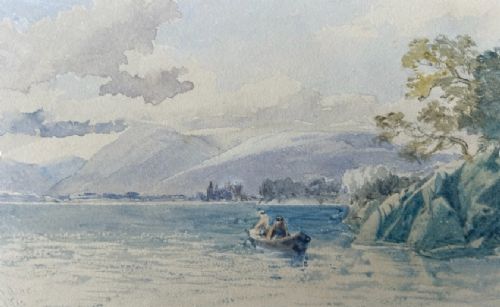
Artists applied oil paint to canvas, wooden panels, or prepared boards, often building up rich textures and deep tones. Watercolours were painted on paper, capturing light through translucent washes and precise brushwork.
Works were framed in wood, frequently featuring giltwood mouldings that enhanced the depth and visual focus of the painted scene. Charcoal drawings on paper and canvas also appear, utilising tonal shading to create atmospheric effects.
Listings feature works spanning the nineteenth century into the early 1900s, executed in oil, watercolour, and charcoal.
What Varies in Quality
Quality rests in the handling of light, atmospheric depth, and the naturalism of the composition. Skilled brushwork brings movement to water, foliage, and figures, whereas lesser works remain stiff and formulaic.
The integration of the original frame also influences the overall integrity of the piece. Preserved signatures, dates, and legible artist documentation elevate the historical weight of the artwork.
Eugène Verboeckhoven·George Fotherly Hargitt·Thomas Miles Richardson Jnr·James Orrock·William Henry Earp·John R Prentice·Alfred Young Nutt·William Howard Hardy·Frederick Marriott·Arthur Wardle·John Horace Hooper·A Mitchell·John McDougal·Alfred Fontville de Breanski Jr·EJ Letheren·William Banks Fortescue·Thomas W Lascelles·Robert A Nottingham·David Bates·Alfred Pollentine·Robert W Macbeth·Robert Thorne Waite·Francis Moltino·Hector Caffieri·Ernest Arthur Rowe
The Original Victorian Landscape Artwork Glossary
- Oil on Canvas
- Pigment bound in drying oil applied to a woven fabric support stretched over a wooden frame. This medium allowed artists to achieve rich colours and rework passages.
- Watercolour
- Paint consisting of colour suspended in a water-soluble vehicle, traditionally applied to paper. It creates luminous, transparent effects favoured for British topographical scenes.
- Gilt Wood
- Wood carved and coated with a thin layer of gold leaf or metallic gilt paint. It is commonly found on the original frames encasing nineteenth-century paintings.
- Pastoral
- A style or subject matter depicting rural life and peaceful countryside scenes. These compositions often include figures, sheep, or cattle within expansive fields.
- Tonalism
- An artistic style that emerged in the late nineteenth century where artists painted landscapes with an overall dominant hue or atmospheric haze.
Original Victorian Landscape Artwork: Frequently Asked Questions
How do I identify a genuine nineteenth-century painting?
Examine the materials, stretcher frames, and paper backing for signs of age appropriate to the period. Signatures, monograms, and period framing often provide direct clues to the date of execution.
Consult artist signatures against historical records of the British school. Patination on the wooden panels or canvas backing also helps confirm the era.
Were these watercolours meant to be framed?
Nineteenth-century watercolours were typically framed behind glass to protect the paper from moisture and dust. Original frames from this era form an integral part of the piece's presentation.
Framing materials changed across the decades, moving from elaborate giltwood designs to simpler wooden mouldings by the early twentieth century.
What subjects are most common in these scenes?
Rural landscapes, river valleys, and coastal fishing harbours dominate the output of nineteenth-century British artists. Scenes featuring cattle, sheep, and farm workers reflect a deep interest in pastoral life.
Topographical views of specific locations, such as Scottish highlands or Venetian canals, also appear frequently across both oils and watercolours.
How should I care for an antique oil painting?
Keep oil paintings away from direct sunlight and dramatic temperature fluctuations to prevent the canvas from cracking. Dust the surface gently with a soft, dry brush without applying pressure.
Avoid using liquid cleaners or household products on the painted surface or the giltwood frame. Professional conservation is recommended for any structural repairs.