

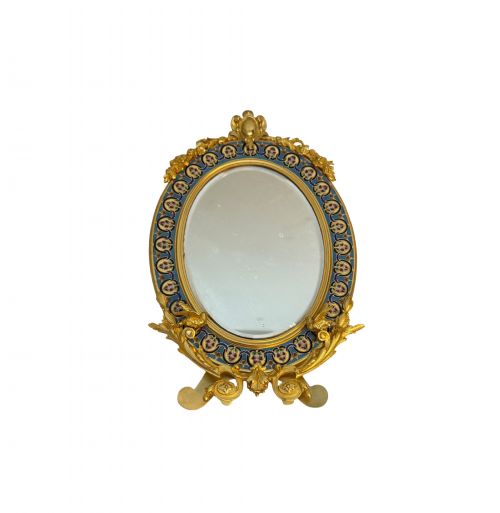


Ornate Dressing Table
An ornate dressing table brings a touch of grand theatre to a bedroom, offering a dedicated surface for mirrors, bottles and personal grooming.
Ornate Dressing Table
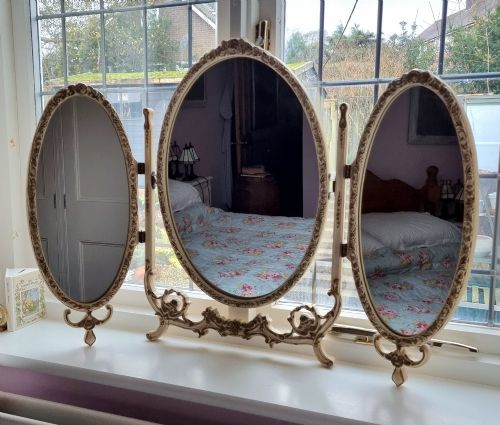
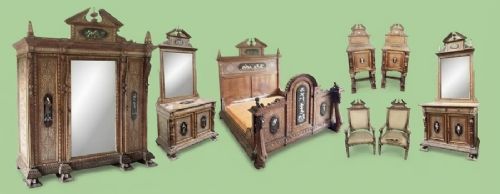
When you search for an ornate dressing table, you encounter a variety of tabletop mirrors, vanity sets and bedroom suites rather than standard full-size writing desks. These pieces originate primarily from the nineteenth century, the Edwardian era and the nineteen-thirties, reflecting historic periods of elaborate interior decoration.
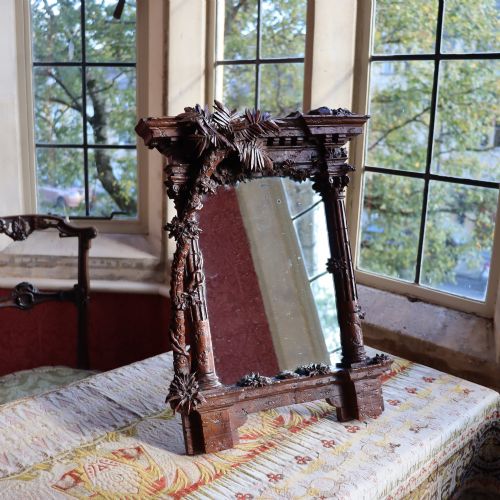
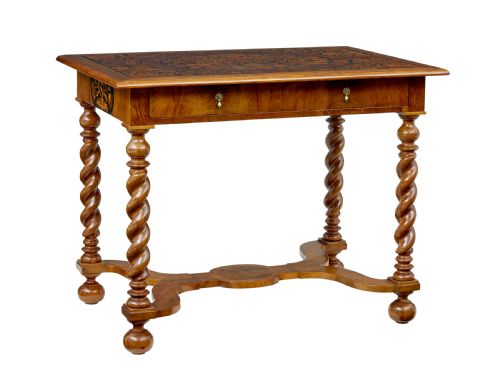
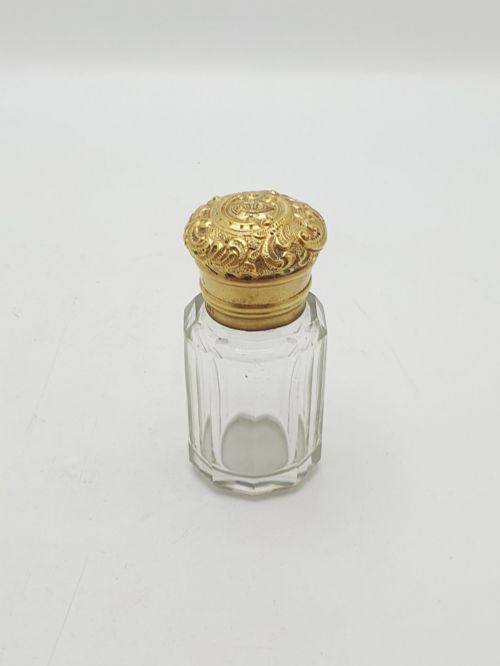
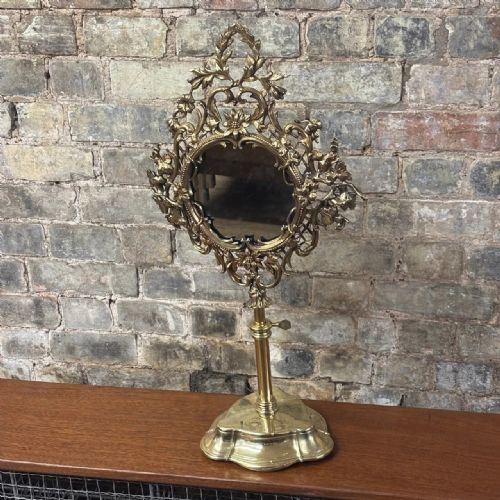
The assortment on this page leans heavily towards table mirrors, dressing mirrors and smaller vanity accessories rather than massive furniture carcasses. Alongside freestanding mirrors, you find side tables, console tables and scent bottles that complete a dressing area scheme.
Stylistic influences span French Rococo Revival, Louis XV Revival, Renaissance Revival and French Chateau aesthetics. These designs incorporate playful curves, floral motifs and sculptural metalwork suited to period boudoirs.
Materials and construction
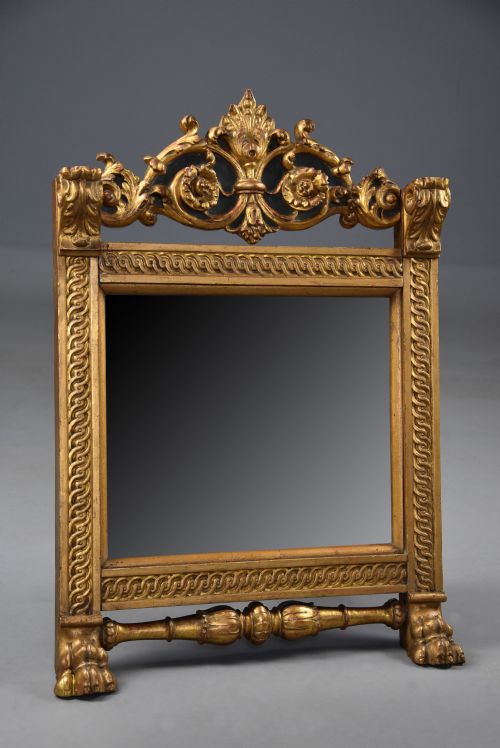
Woodwork relies on walnut, hand-carved marquetry and giltwood, providing rich natural textures and gilded surfaces for frames and tables. Artisans shaped these woods into elaborate scrollwork and easel backs designed to tilt at various angles.
Metal components utilise solid brass, gilt bronze, ormolu and sterling silver mounts. Many frames incorporate champlevé enamel or glass panels, combining cast metalwork with delicate decorative techniques.
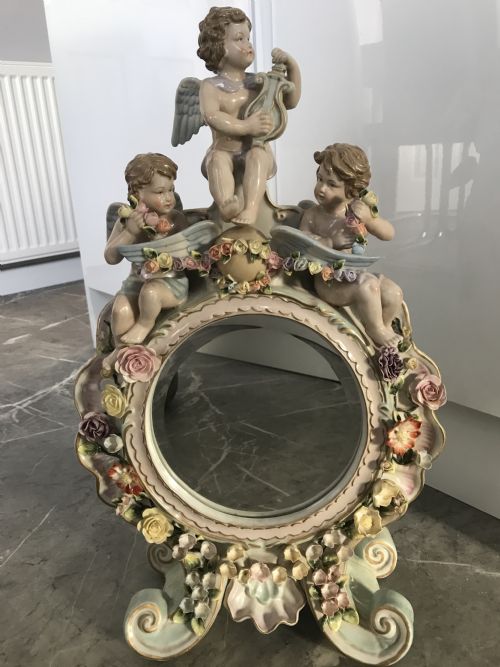
Porcelain elements and hand-cut glass feature prominently in scent bottles, picture frames and mirror surrounds, often embellished with applied flowers or cherub figures.
Ornate Dressing Table Retail Price Guide 2026
Typical asking prices for ornate dressing table among the pieces listed under this phrase on Sellingantiques today, from the lower quarter to the upper quarter. They describe what is for sale here now, not the wider market.
Listings feature items spanning the Victorian era through the Edwardian period and into the nineteen-thirties, alongside mid-twentieth-century examples.
Judging the quality
The finesse of the carving and metal casting sets the finest examples apart from standard production pieces. Look for crisp details in cast brass and bronze, where chased surfaces reveal sharp lines rather than soft, blurred edges.
Materials and finishes dictate the upper tier of the range. Solid walnut frames, genuine champlevé enamel work and heavy sterling silver mounts command greater attention than simpler painted or plated alternatives.
Waring & Gillows
The Ornate Dressing Table Glossary
- Champlevé
- An enamelling technique where artist-cut troughs in the metal surface are filled with coloured glass paste and fired. This produces vibrant decorative patterns across brass and bronze frames.
- Ormolu
- A method of applying finely ground high-carat gold to a bronze object using mercury amalgamation. It yields a rich, warm metallic lustre characteristic of fine French pieces.
- Easel mirror
- A tabletop mirror supported by a hinged leg at the back, allowing it to stand independently at an adjustable angle. These items form a major portion of dressing table accessories.
- Marquetry
- The art of applying thin slices of wood veneer to a structure to form decorative pictorial patterns. Walnut and contrasting timbers create intricate geometric or floral designs on table surfaces.
Ornate Dressing Table: Frequently Asked Questions
What is the difference between a vanity mirror and a dressing mirror?
A vanity mirror generally refers to a smaller tabletop glass piece designed specifically for close-up cosmetic use. These often feature ornate stands, pivoting frames or attached side compartments.
By contrast, a dressing mirror can describe larger swivel glass assemblies mounted on small box bases or supports. Both serve the dressing table environment but occupy different scales of furniture.
How do I date a brass table mirror?
Dating relies on examining the casting quality, the composition of the glass and the fastening screws. Nineteenth-century examples often display sand-cast brass frames with hand-bevelled mirror plates and older screw threads.
Later Edwardian and nineteen-thirties revivals incorporate machine-toothed fixings and alternative backing materials like polished wood or fabric struts. Comparing stylistic motifs such as Rococo scrolls helps narrow down the decade.
Were these mirrors used alone or with tables?
Many table mirrors were designed as standalone items to sit on existing chests of drawers or console tables. They provided a movable reflective surface before fixed wall mirrors became standard in every bedroom.
Complete bedroom suites of the period included matching dressing tables, but individual tabletop mirrors allowed flexibility in smaller rooms. They could be shifted wherever the morning light proved most advantageous.
How do I care for antique gilt bronze and ormolu?
Gilt bronze and ormolu require gentle dusting with a soft, dry microfibre cloth to prevent the accumulation of abrasive particles. Avoid commercial metal cleaners or harsh chemical dips, which strip away the thin gold surface layer.
Maintaining a stable room temperature away from direct sunlight protects the underlying metal and prevents any applied enamel from cracking. Preservation relies on minimal intervention and careful handling.