


Ornate Cast Iron Seating
Ornate cast iron seating brings lasting structure and intricate decoration to outdoor spaces, offering robust construction paired with fine Victorian detail.
Ornate Cast Iron Seating
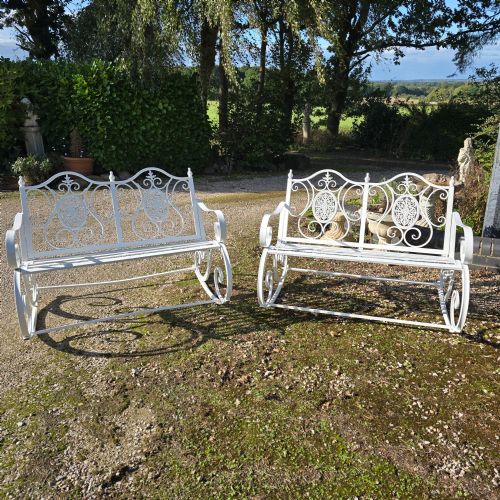
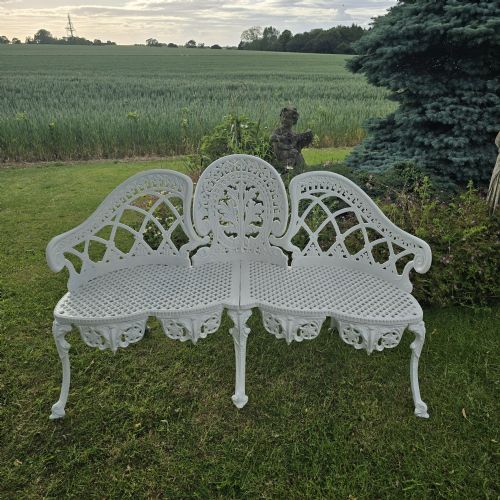
Ornate cast iron seating spans garden benches, daybeds, settees, and garden chairs, offering durable metal frames designed for exterior use. Buyers searching for ornate cast iron seating will encounter pieces largely rooted in the Victorian period and the nineteenth century, alongside later revivals.
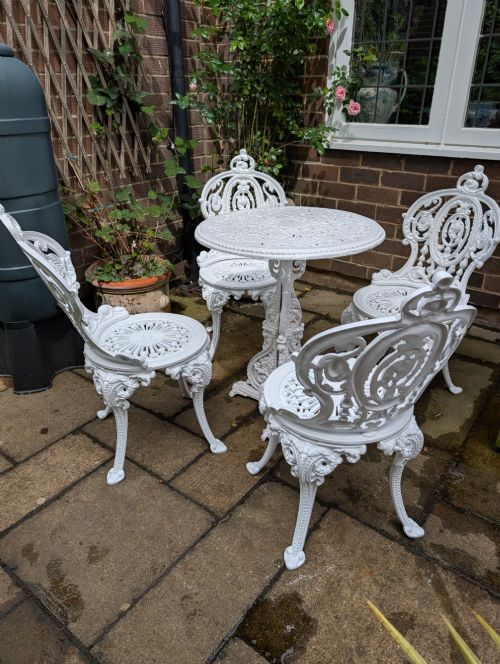
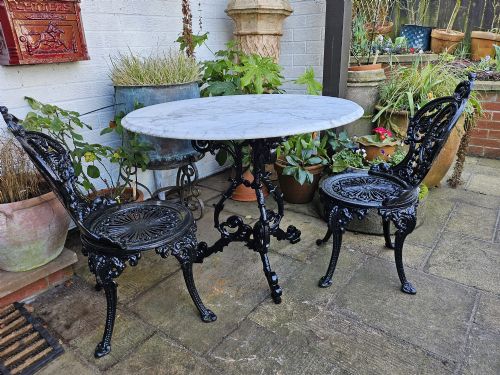
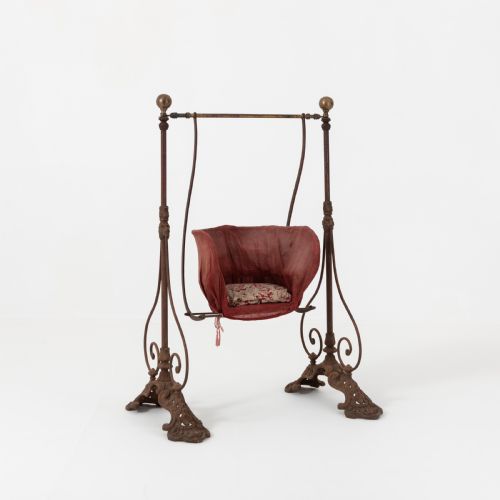
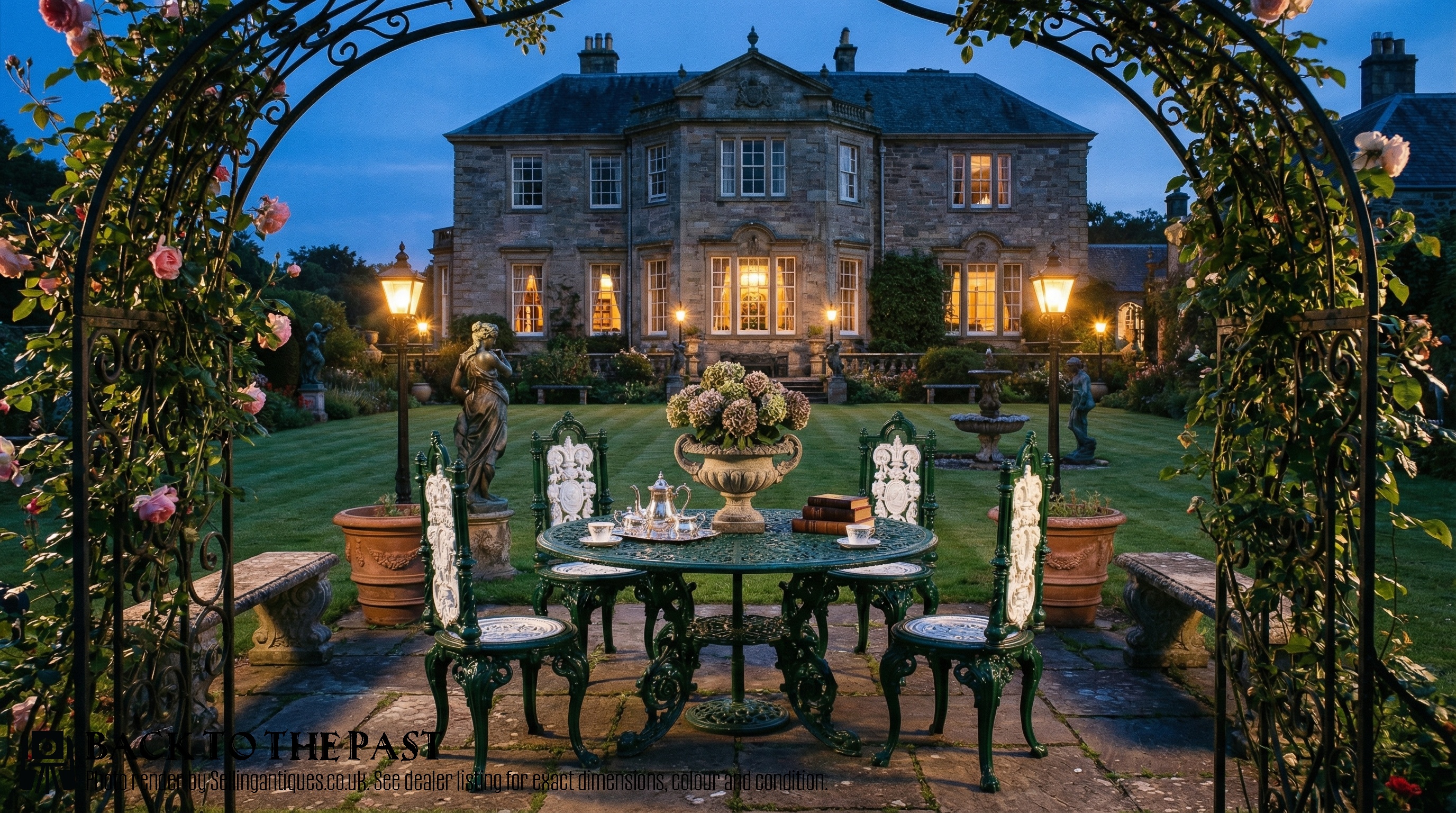
The inventory on this page ranges from complete garden dining sets and bistro sets with marble tops to child's swings and standalone bench ends. Early Victorian examples sit alongside twentieth-century iterations, showing how these heavy metal frameworks adapted across decades of domestic and garden design.
Materials and construction
Makers utilised molten cast iron poured into moulds to create intricate openwork patterns, scrolling foliage, and figural details for bench ends and chair backs. These rigid metal components were frequently combined with timber slats, fabric upholstery, or stone elements such as marble tops to complete the functional object.
Surviving pieces often display layers of paint applied to protect the metal from oxidation over time. Some later items incorporate alternative metals like cast aluminium alongside brass fixtures and wooden elements.
Listings span the Victorian era, 1850, 1860, 1870, 1930, and the nineteenth century, utilising cast iron, timber, marble, fabric, and brass.
Assessing quality and craftsmanship
Quality in these pieces rests upon the crispness of the casting and the depth of the decorative detail moulded into the ironwork. Finer examples display sharp relief in their scrollwork and botanical motifs, whereas lesser pieces can exhibit softer, shallower definition from worn or repeated moulds.
The integrity of the structural joins and the condition of the original or replaced materials, such as timber slats and marble tops, further distinguish the grade of a piece. Attribution to known foundries like Coalbrookdale elevates certain bench ends through documented design heritage.
Coalbrookdale
The Ornate Cast Iron Seating Glossary
- Cast Iron
- An iron-carbon alloy poured into a mould to form rigid objects. This material allows for intricate decorative patterns that withstand outdoor elements.
- Bench Ends
- The structural cast iron sides of a garden seat that support the backrest and seat. These components often carry the most elaborate ornamentation and maker signatures.
- Garden Settee
- A medium-sized outdoor seat designed for two or more people. These pieces typically feature ornate cast iron backs paired with timber or iron seating surfaces.
- Bistro Table Set
- A small matching table and chair grouping intended for compact spaces. These sets frequently incorporate cast iron bases paired with marble or metal tops.
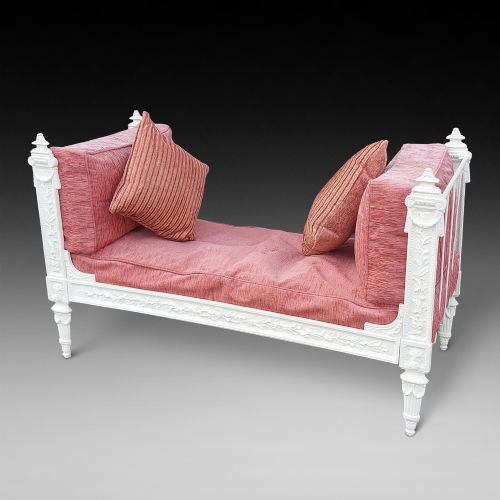
- Daybed
- A versatile piece of furniture functioning as both a seat and a bed. Victorian examples in iron often feature decorative scrollwork along the frame and back.
Ornate Cast Iron Seating: Frequently Asked Questions
How do I date Victorian cast iron?
Dating these pieces relies on stylistic cues, registration marks, and documented foundry designs from the nineteenth century. Victorian items often feature registration diamonds or specific registry numbers cast into the reverse of the iron.
Comparing the complexity of the scrollwork and the thickness of the metal against known period catalogues helps narrow down the decade of production. Earlier nineteenth-century examples tend to display heavier, more substantial casting proportions than later revivals.
Can these benches stay outside year-round?
Cast iron is exceptionally durable and withstands outdoor conditions well, making it a traditional choice for garden furniture. However, regular maintenance is necessary to prevent rust formation where paint finishes wear thin.
Protecting the pieces during harsh winter months or storing them undercover prolongs the life of both the metal frame and any integrated timber or fabric elements.
How should I clean ornate ironwork?
Cleaning requires gentle washing with mild soapy water and a soft brush to remove dirt accumulated within the intricate scrollwork and recesses. Avoid harsh abrasives or metal scrapers that can strip protective paint layers and expose the bare iron to moisture.
Applying a suitable metal wax or fresh protective paint coating helps preserve the surface once the iron is thoroughly dry.
What is the difference between a bench and a settee?
Garden benches generally feature simpler, utilitarian construction focused on sturdy back support and uniform slat seating. Settees incorporate more decorative, domestic styling reminiscent of interior parlor furniture adapted for sheltered outdoor use.
Settees frequently showcase lighter, more elaborate casting patterns and curved armrests designed for decorative appeal rather than heavy communal seating.