



Antique Metal Patio Seating
These antique metal patio seating options bring enduring character to outdoor spaces, offering robust construction and timeless garden utility.
Antique Metal Patio Seating
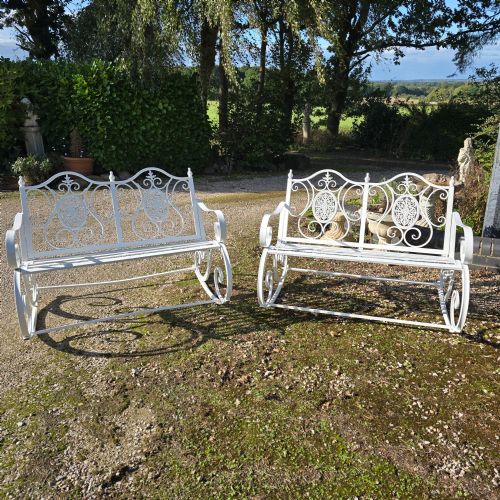
When you search for antique metal patio seating, you are looking at sturdy outdoor furnishings designed for gardens, terraces, and park settings. The pieces available here span from the nineteenth century through the interwar period, capturing styles ranging from Victorian to French Riviera and French Country.
How they were made
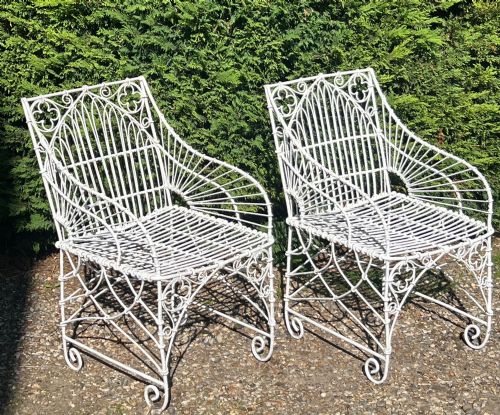
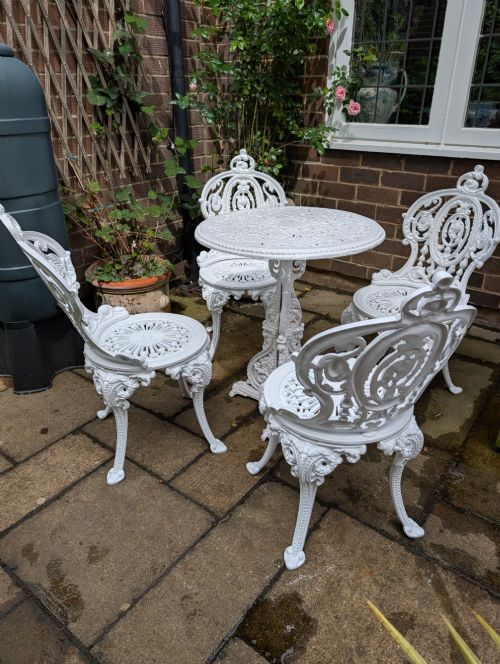
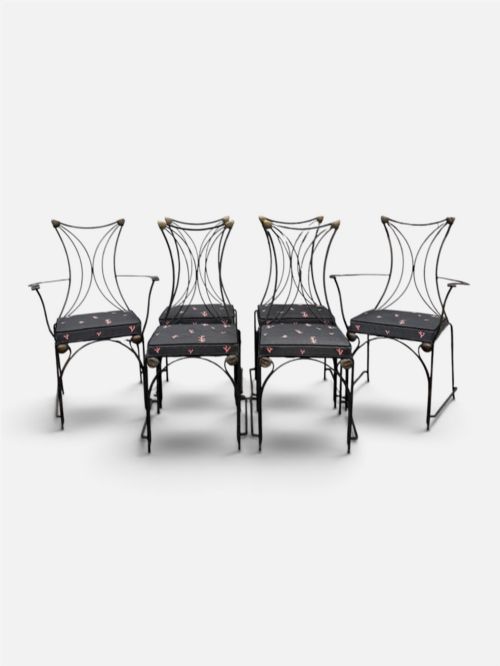
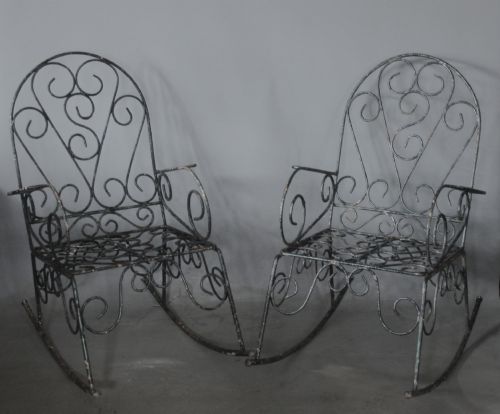
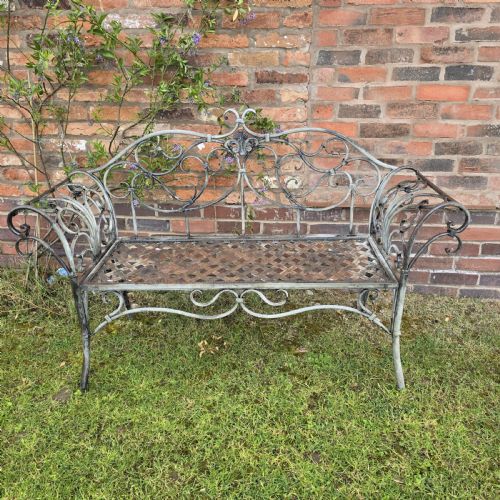
The construction of these outdoor pieces relies heavily on cast iron and wrought iron, frequently shaped into intricate strap work, wirework, or solid frameworks. Makers utilised techniques such as casting molten metal into detailed moulds or manually forging wrought iron bars to create durable garden furniture.
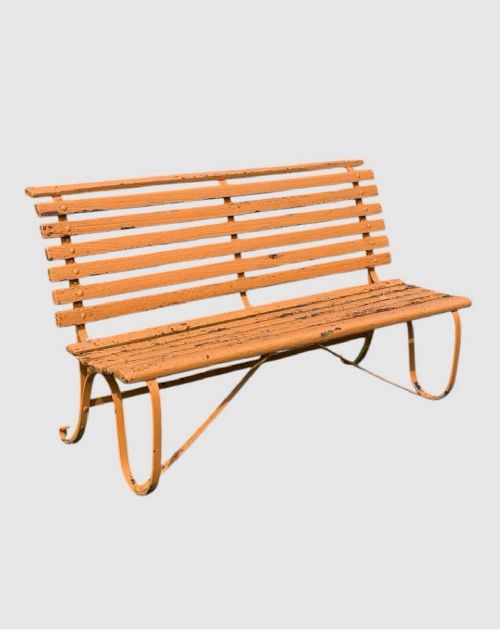
Surface treatments typically involve layers of paint applied to protect the metal from the elements, while certain configurations incorporate wood slats or leather elements for seating comfort. Structural integrity is maintained through heavy metal fixings and robust framing designed to withstand outdoor use.
Materials recorded across these garden furnishings include cast iron, wrought iron, wirework, wood, and leather.
What varies in quality
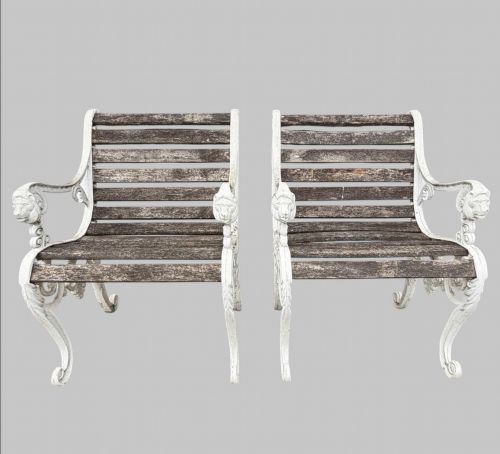
Quality in these outdoor furnishings rests upon the refinement of the metalwork and the crispness of decorative details such as lion masks or strap work patterns. Pieces cast with sharp, well-defined motifs demonstrate superior foundry work compared to softer, worn castings.
The structural harmony of complete sets, where benches and chairs share matching design traits and balanced proportions, elevates the piece above mismatched assemblages. Furthermore, the integrity of the original metal substrate beneath layers of paint dictates the longevity and authenticity of the item.
Christopher Dresser Table
The Antique Metal Patio Seating Glossary
- Cast iron
- A sturdy alloy poured into moulds to create rigid forms. This material allows for intricate decorative motifs like lion masks and elaborate openwork patterns.
- Wrought iron
- Iron beaten and forged by hand into robust structural shapes. It provides flexible strength, visible in curved armrests and folding chair frames.
- Strap work
- Flat strips of metal interwoven or applied in geometric patterns. This decorative technique appears on Regency style seats and architectural garden benches.
- Wirework
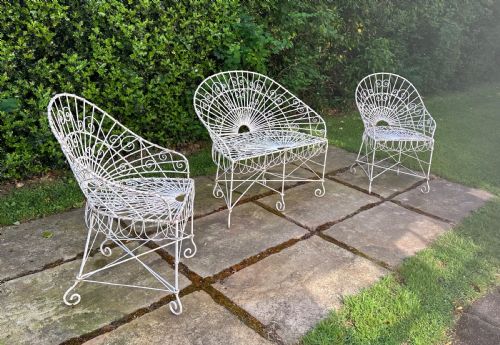
- Metal wires bent and soldered into intricate lattice designs. Victorian examples utilise this method to create lightweight yet resilient seating.
Antique Metal Patio Seating: Frequently Asked Questions
How do I care for antique metal patio furniture?
Keep the metal clean and dry where possible, applying protective coatings if the pieces are exposed to heavy weathering.
Inspect the paint layers periodically to ensure moisture does not reach the underlying iron substrate.
Were these seats designed for indoor or outdoor use?
These pieces were built specifically for exterior environments, including gardens, patios, and park spaces.
Their heavy iron construction ensures they remain stable on uneven ground outdoors.
How can I tell Victorian pieces from later styles?
Victorian examples often feature heavier cast iron components and ornate decorative detailing such as foliage or animal motifs.
Later interwar designs tend towards simpler geometric forms or practical folding mechanisms.
Are complete dining sets common in this category?
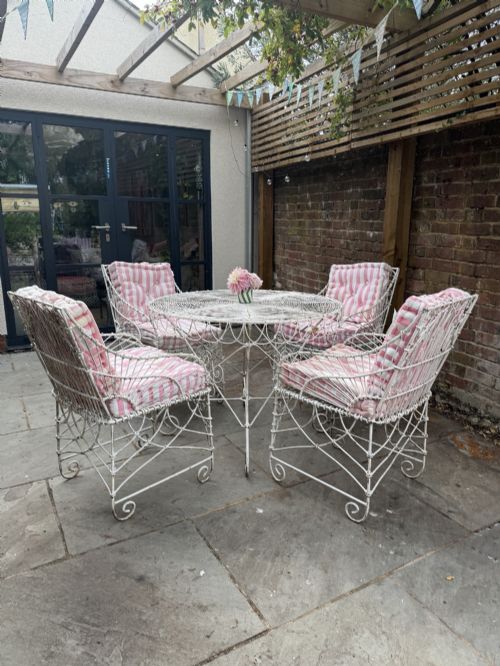
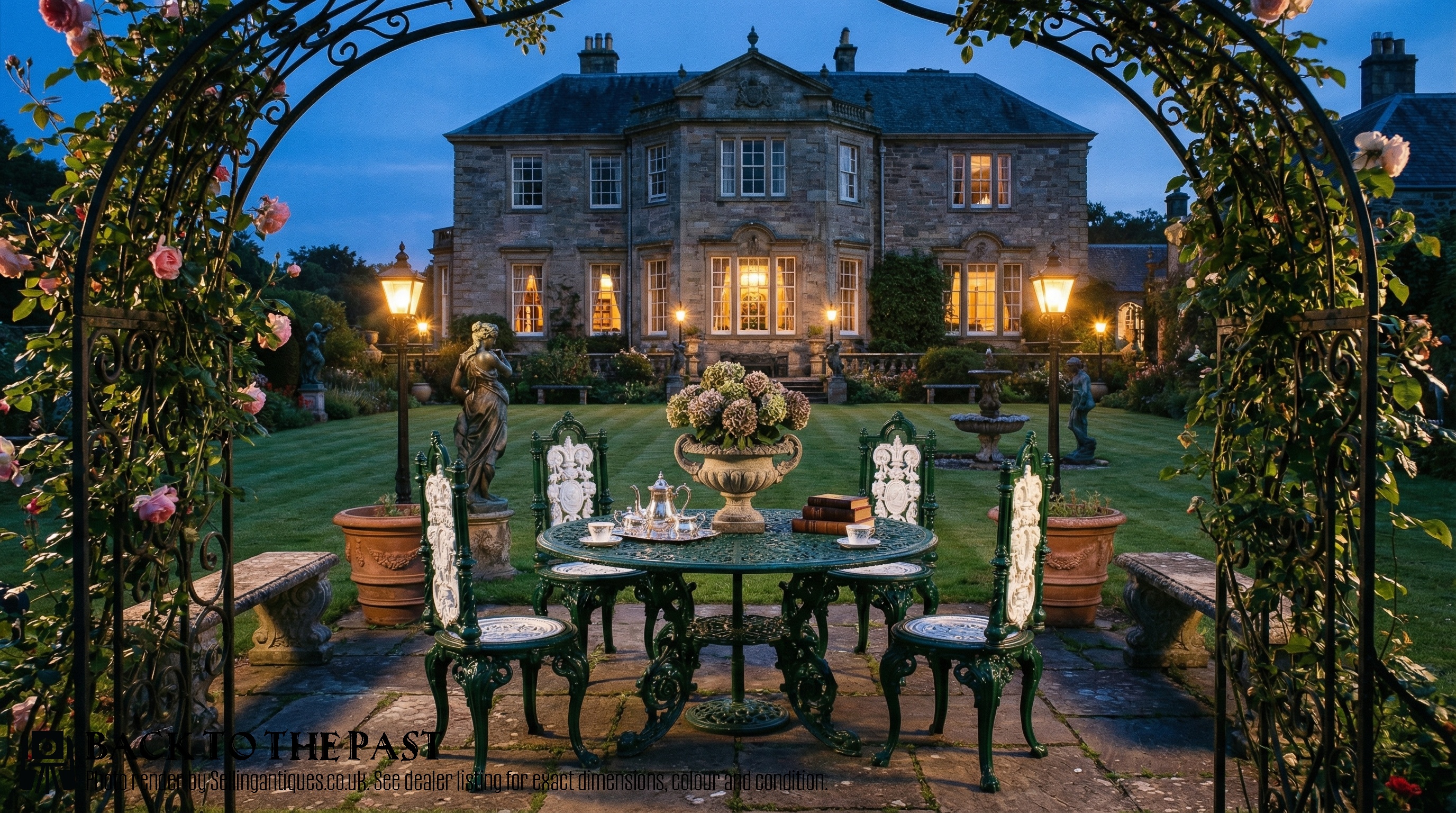
Complete sets combining a table with matching chairs do appear among the available inventory alongside individual benches and pairs of armchairs.
Finding a matched set adds considerable uniformity to a garden terrace setup.