
Antique Cast Iron Seating
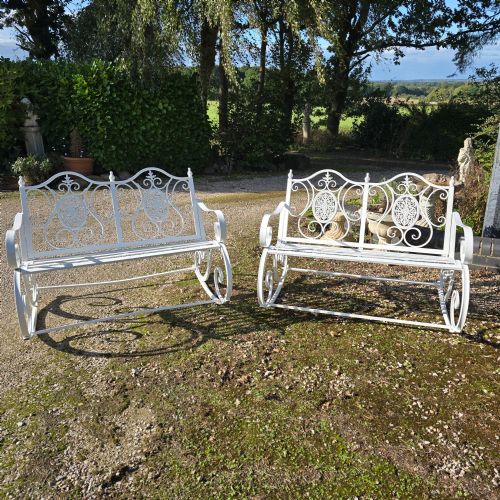
Antique cast iron seating brings heavy structural frames and botanical or industrial patterns together for outdoor and workshop use.
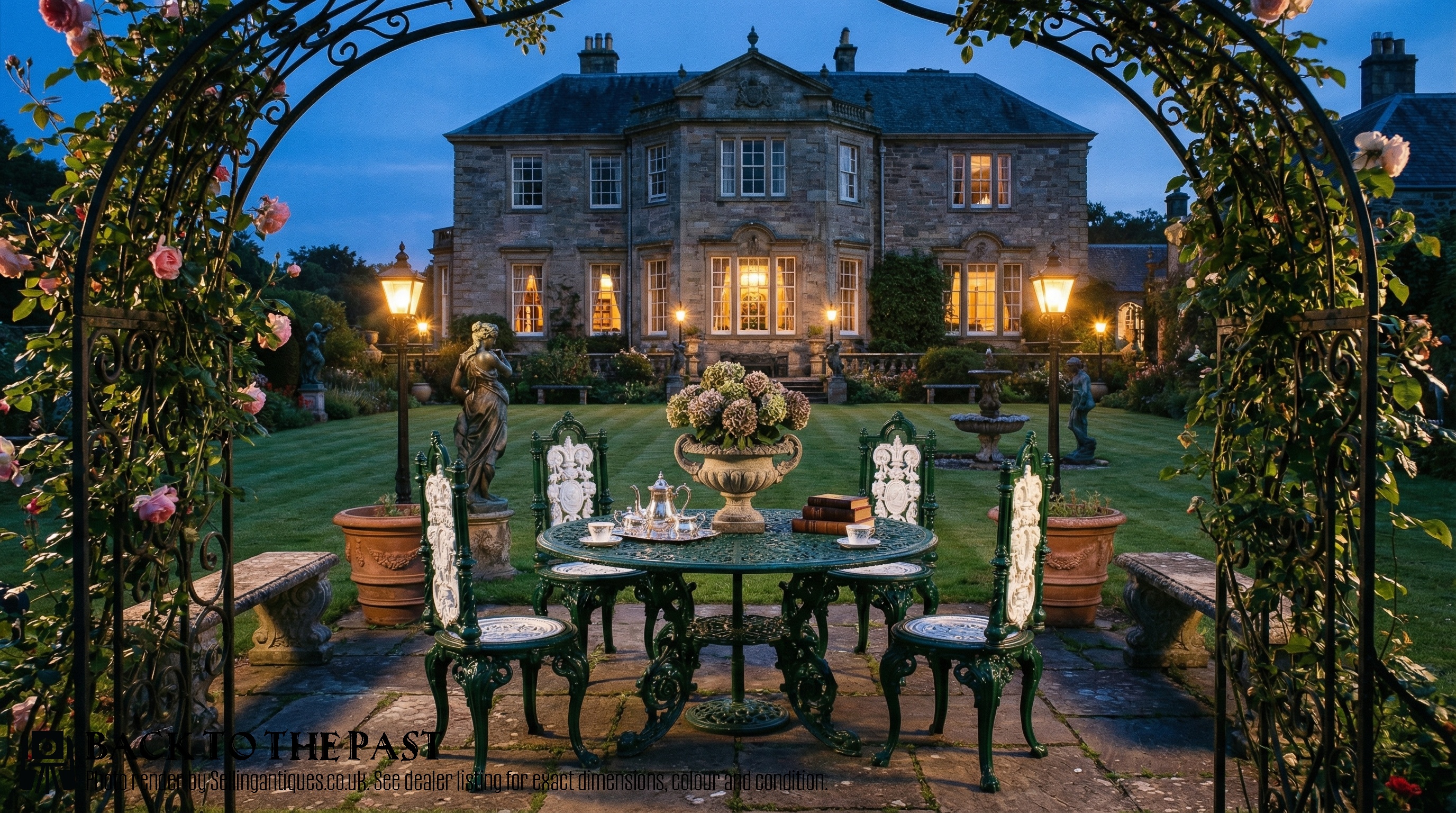
Antique Cast Iron Seating
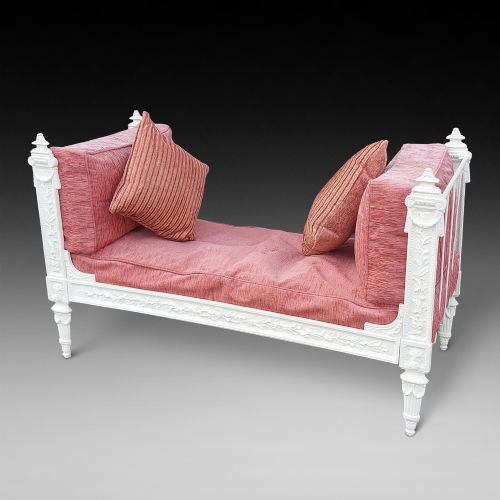
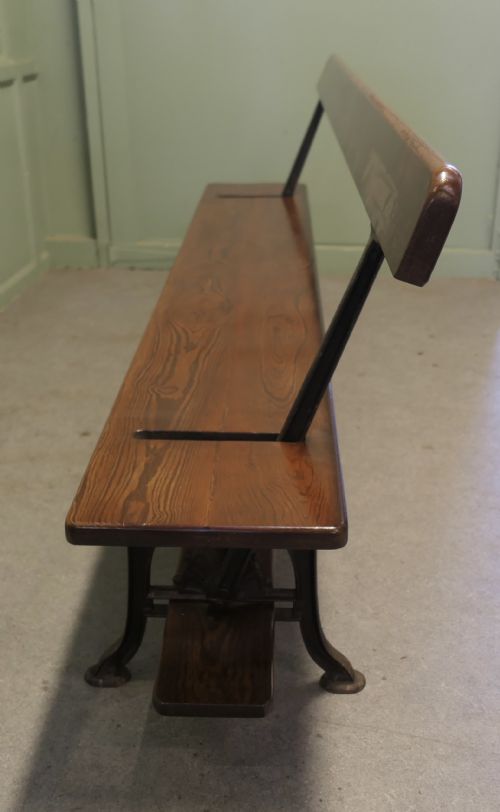
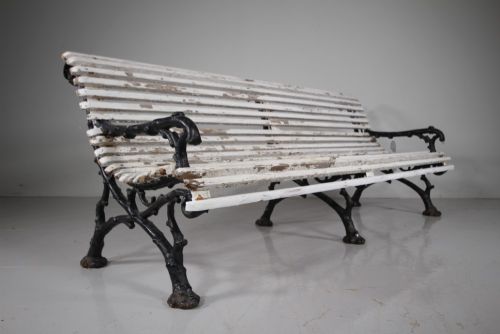
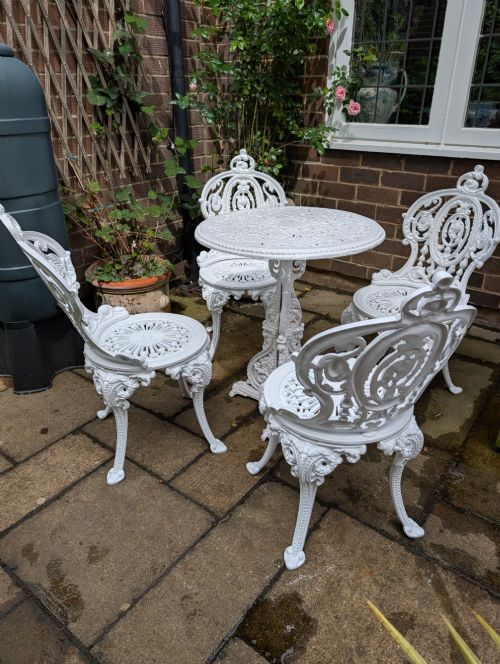
When you search for antique cast iron seating, you encounter durable garden benches, park seats, and industrial stools designed to withstand weather and heavy daily use. The pieces appearing here span the nineteenth century and the early twentieth century, taking forms such as garden armchairs, daybeds, and revolving workshop seats.
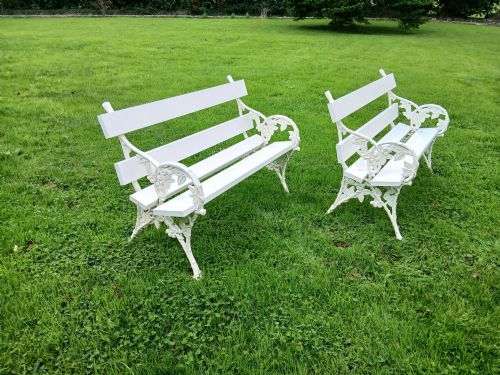
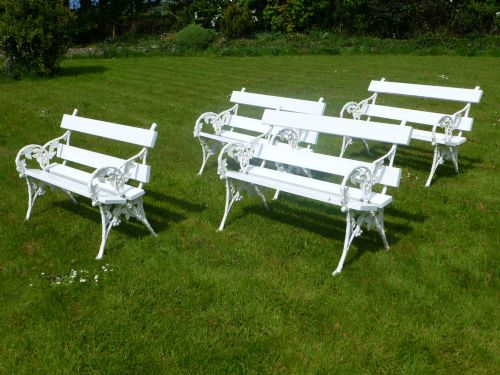
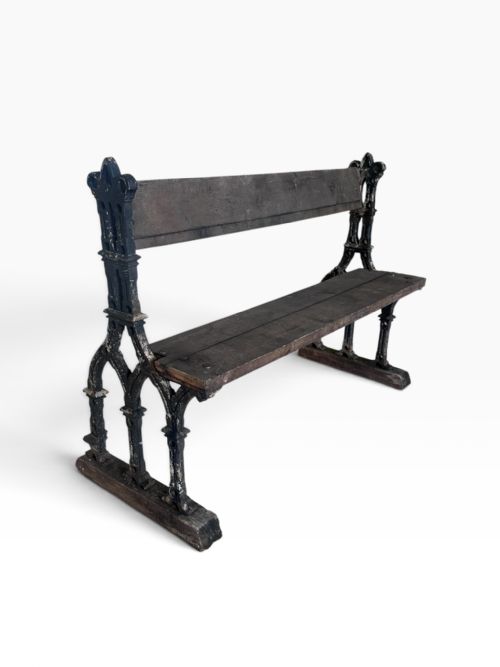
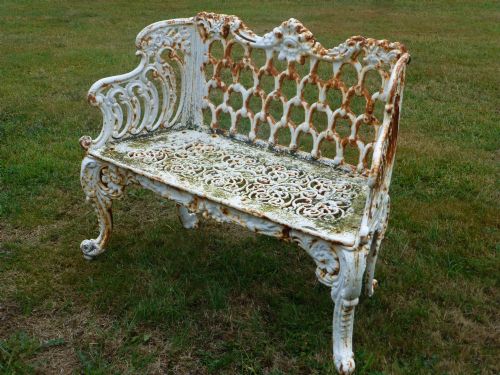
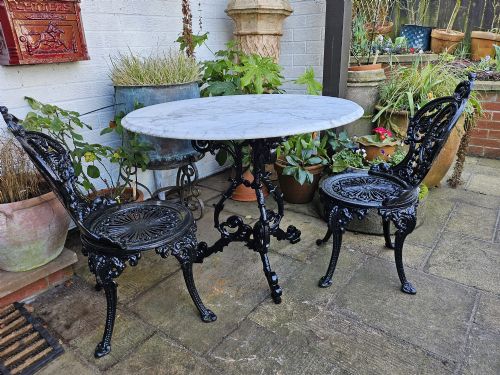
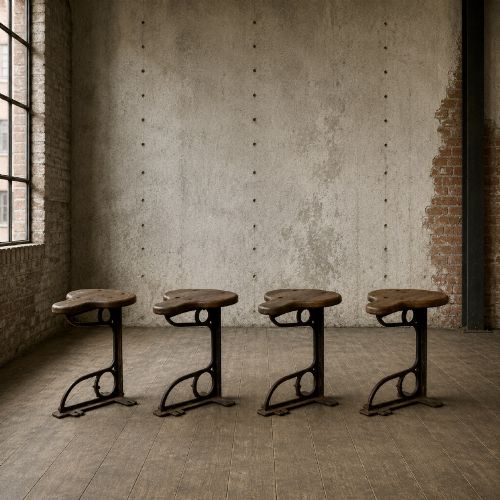
Victorian examples dominate the selection, often displaying ornate plant motifs like blackberry, leaf, and rose patterns across the backrests and ends. Alongside domestic garden furniture, the inventory includes utilitarian items like industrial machinist stools and railway station benches stamped with locations.
Materials and construction
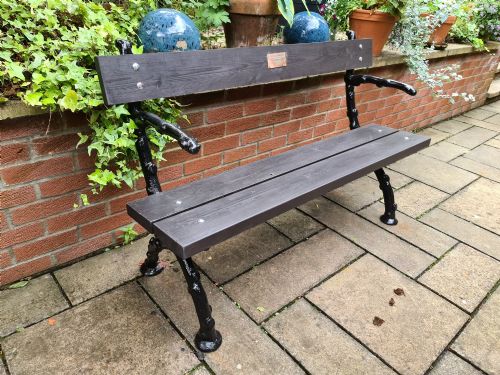
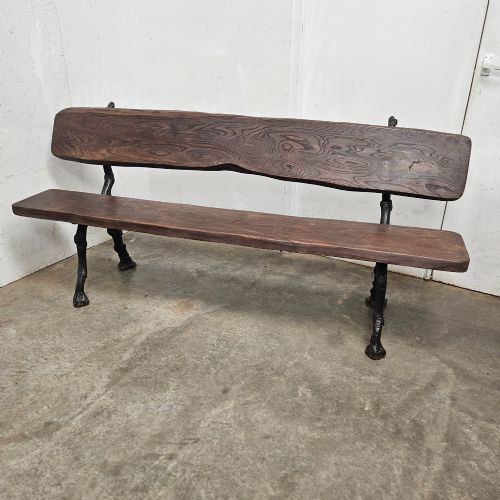
Foundries produced the heavy structural elements by pouring molten metal into sand moulds, creating intricate relief patterns and rigid frames. These iron components combine with timber slats in oak, pitch pine, or elm for the seats and backs, secured by bolts.
Makers integrated wrought iron straps or wooden elements to complete the frames, while surface treatments typically involved exterior paint or protective coatings over the raw metal.
A Victorian child's swing hangs ready for action alongside heavy tram benches and dentist chairs.
Casting crispness and maker attribution
Quality rests in the sharpness of the casting detail, where superior pieces retain deep, clean relief in botanical motifs like leaves and fruit without blurring from worn moulds. Recognised foundry attribution, such as Coalbrookdale or Falkirk, elevates an example above unmarked workshop output.
The integrity of the timber slats and the survival of original structural components determine the overall standard, distinguishing properly maintained survivals from heavily altered or mismatched reconstructions.
Falkirk Carron Foundry·Coalbrookdale·Christopher Dresser·Singer·Evertaut
The Antique Cast Iron Seating Glossary
- Faux bois
- Imitation wood. This technique mimics natural timber grain and branches in cast iron or concrete, popular in Victorian garden designs.
- Machinist stool
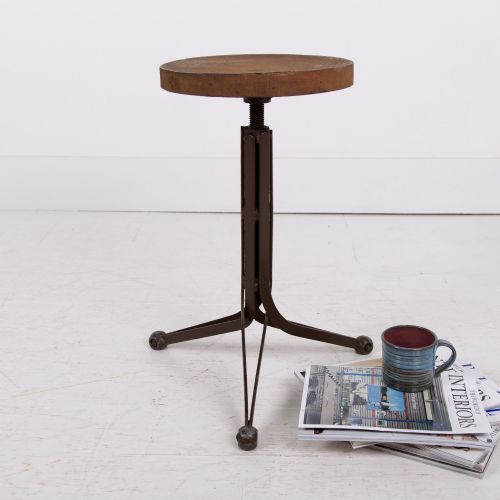
- Industrial seating. These work chairs employ cast iron bases with wooden revolving seats for factory and workshop environments.
- Strap work
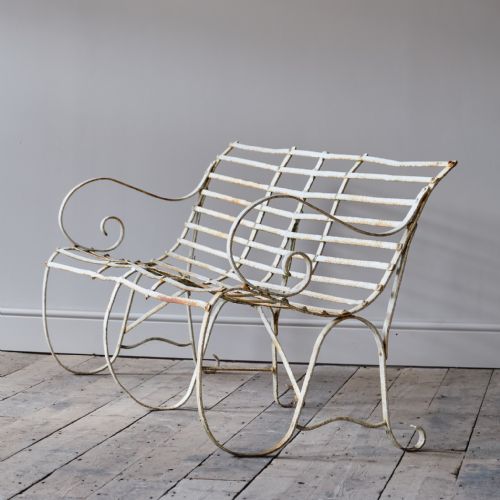
- Metal reinforcement. This construction uses flat strips of iron riveted together to form supportive openwork frames on benches.
- Shell form
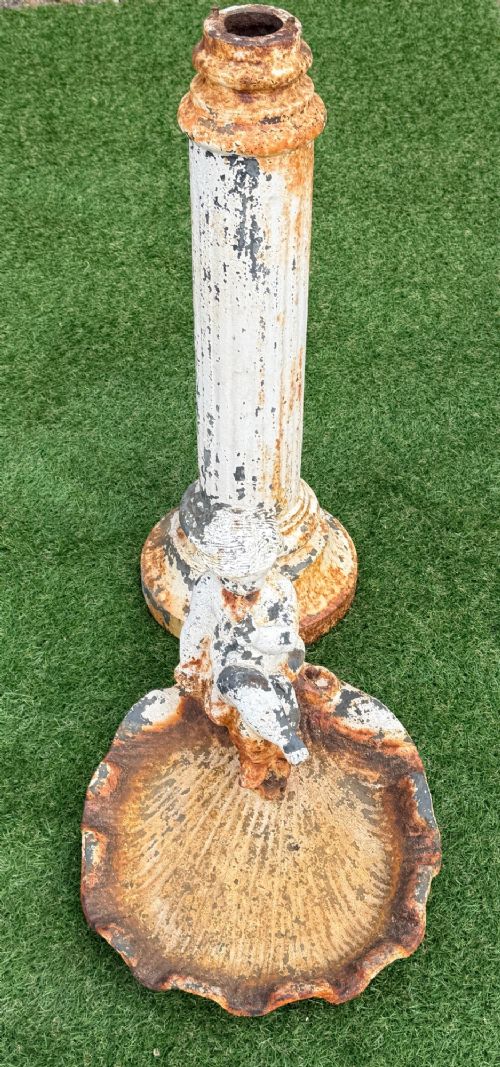
- Moulded decoration. This design shapes the iron into the fluted contours of a natural scallop shell.
Antique Cast Iron Seating: Frequently Asked Questions
How do I maintain antique cast iron?
Keep the metal clean and dry, applying suitable protective exterior paint when previous coatings flake or show rust.
Check timber slats regularly and treat wooden components with appropriate oils or preservatives to prevent rot.
Can these benches stay outside year round?
Cast iron handles outdoor conditions well, though prolonged exposure to standing water and frost can test old joints and paint.
Move wooden components under cover during severe winter weather to prolong the life of the timber.
How to date a cast iron bench?
Examine the bolt heads, casting crispness, and registration or foundry marks stamped into the iron frame.
Compare the decorative style, such as Victorian Gothic or rustic branch patterns, against known foundry catalogues from the nineteenth century.
Are industrial stools comfortable?
Machinist stools offer adjustable revolving wooden seats designed for upright posture during long hours of work.
They lack upholstery or backrests, prioritising sturdy mechanical utility over domestic lounge comfort.