


Ornate Carved Table
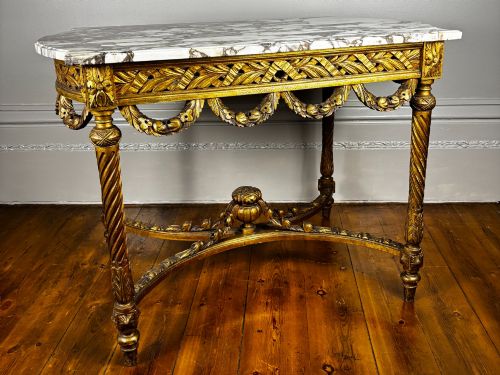
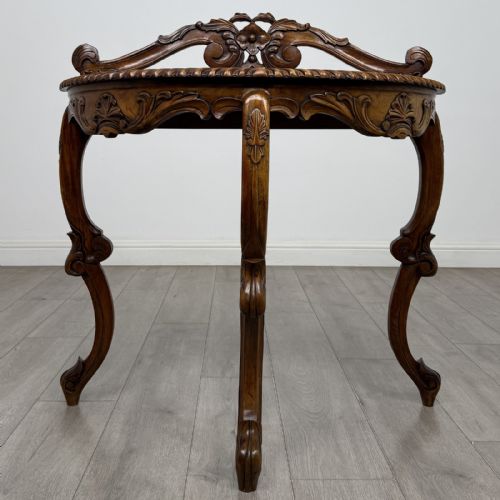
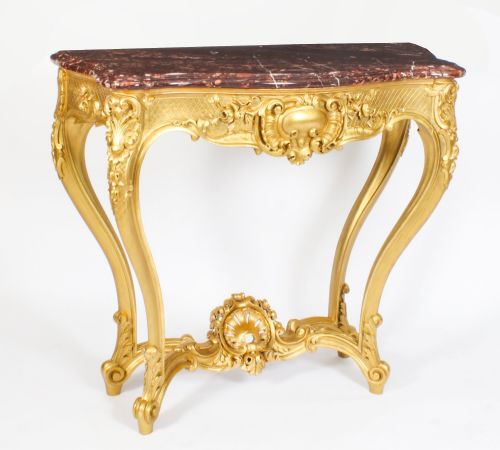
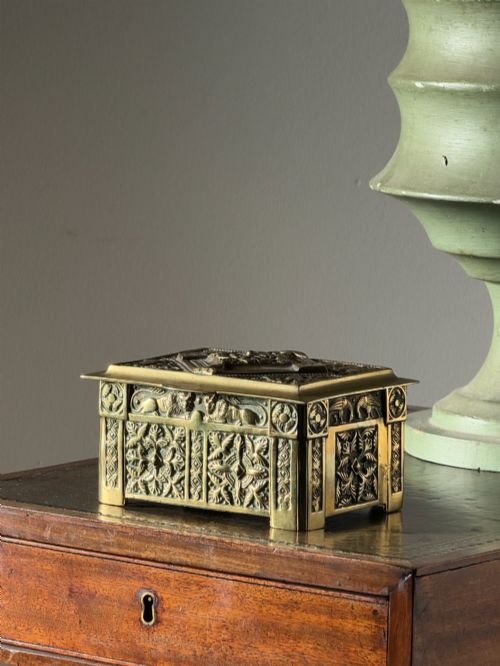
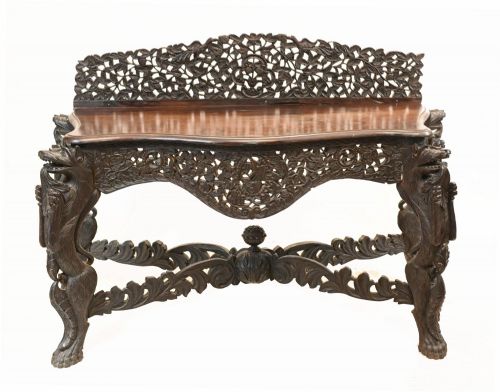
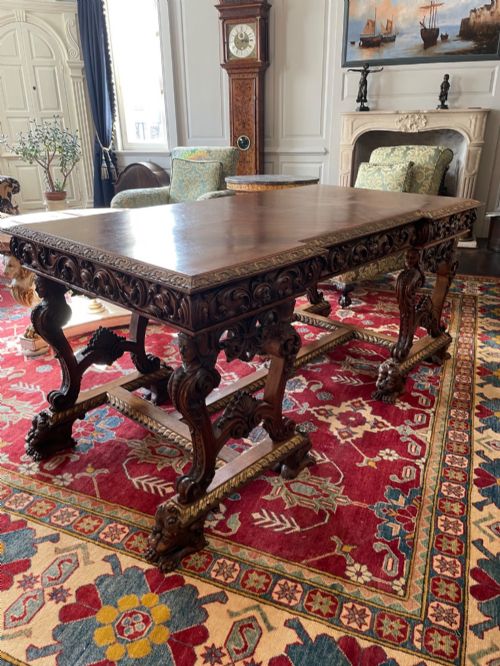
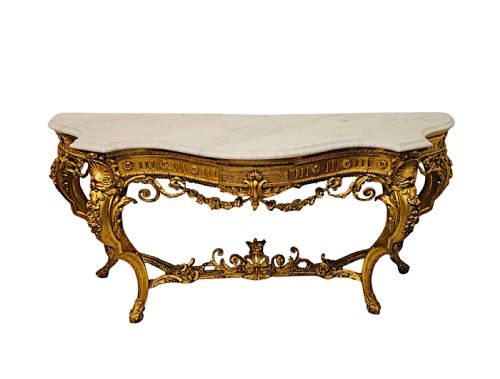
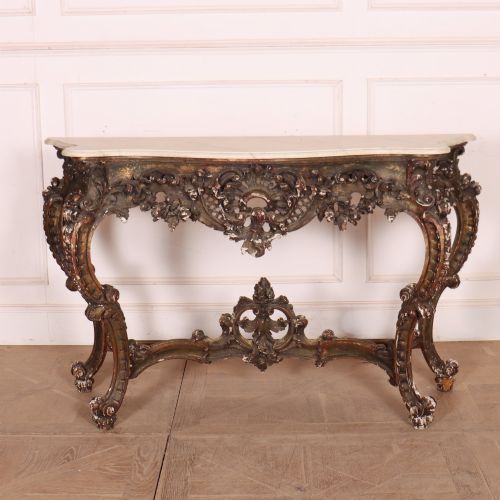
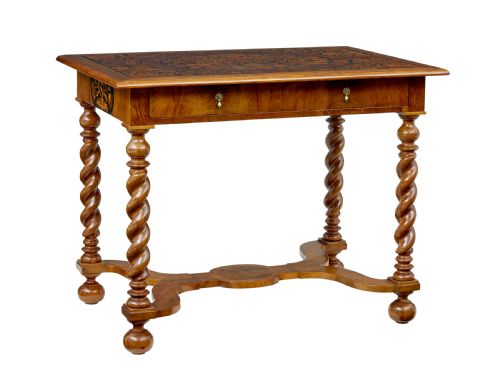
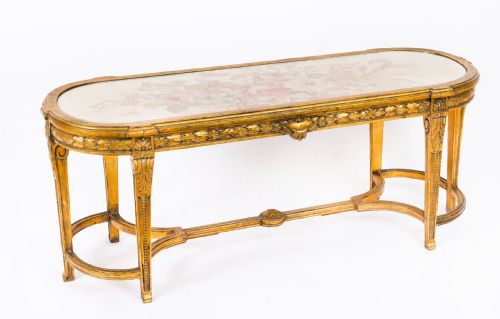
An ornate carved table brings heavy giltwood, rich walnut and carved detail into a room, offering both a surface and a focal point.
Ornate Carved Table
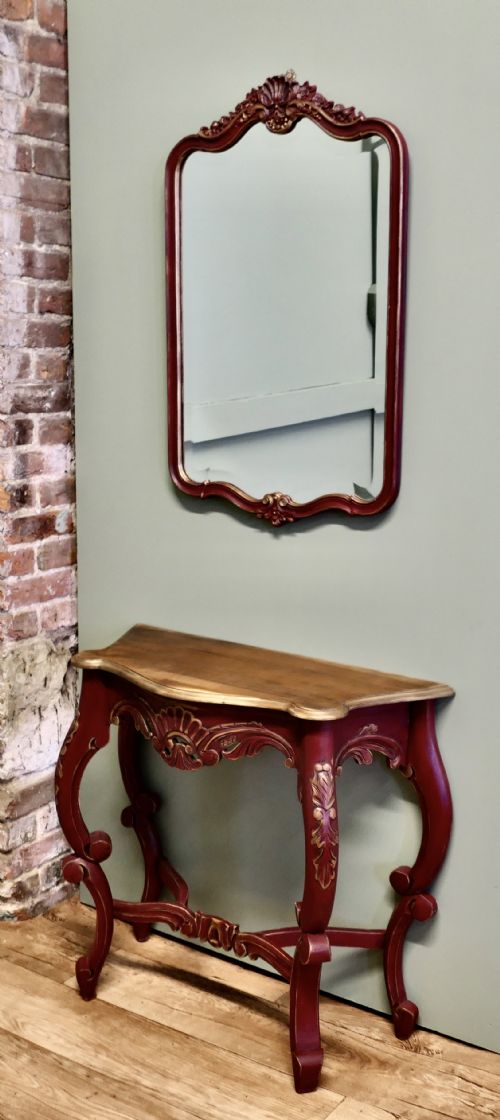
When you search for an ornate carved table, you encounter a selection spanning the eighteenth, nineteenth, and early twentieth centuries, dominated by console tables, centre pieces, and occasional surfaces. These items emerge from various distinct styles, including French Rococo, Italian revivals, Victorian craftsmanship, and Anglo-Indian traditions.
Console tables form a major part of the selection, frequently paired with matching wall mirrors or topped with marble. Centre tables and occasional tables provide circular or serpentine surfaces in walnut, mahogany, and giltwood.
The objects originate from diverse European and global workshops, bringing varied regional aesthetics into domestic interiors. Pieces range from grand architectural consoles to smaller coffee tables and low planters.
How they were made
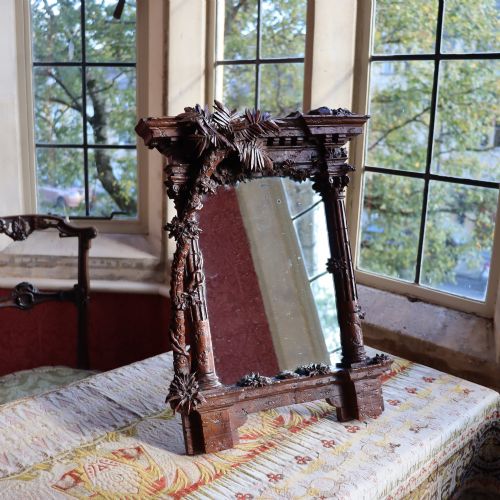
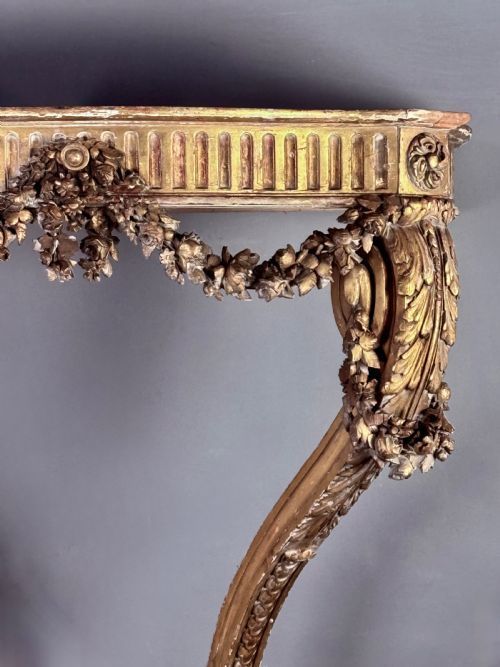
Carpenters and cabinetmakers utilised solid woods such as walnut and mahogany, applying hand-carved relief work and intricate marquetry. Giltwood pieces received layers of gold leaf or gesso over carved wooden frames to achieve a brilliant metallic sheen.
Insets of polished marble, onyx, and slate provided durable, decorative table surfaces. Specialised regional work involved mother-of-pearl inlay within carved wooden structures, particularly seen in Anglo-Indian and Kashmiri pieces.
Ornate Carved Table Retail Price Guide 2026
Typical asking prices for ornate carved table among the pieces listed under this phrase on Sellingantiques today, from the lower quarter to the upper quarter. They describe what is for sale here now, not the wider market.
Among the heavy marble consoles and gilt mirrors sits a well-weathered bird bath waiting in the garden.
What varies in quality
The depth and crispness of the hand carving separate simpler production work from superior execution. Sharp undercutting and fluid scrollwork indicate skilled hand labour by named makers or specialised workshops.
Materials dictate the upper tier of the range, where heavy solid marble tops, genuine gold leaf application, and dense native walnuts elevate the construction. Uniformity in the gilding and stability in the joinery reflect the original workshop standards.
Felix Alfred Ternisien·Amleto Bertoni·Waring and Gillows·Harrods
The Ornate Carved Table Glossary
- Console table
- A table designed to stand against a wall, frequently supported by ornate scrolled brackets or legs rather than four standard posts.
- Giltwood
- Timber coated with gold leaf or gold paint, standard in French Rococo and revival interiors to reflect candle and window light.
- Marquetry
- Inlaid wood veneers arranged in geometric or pictorial patterns across a tabletop or furniture surface.
- Rococo Revival
- A nineteenth-century design movement mimicking the asymmetrical scrolls, shell motifs, and natural curves of the eighteenth-century French style.
- Serpentine front
- A furniture edge curved in a convex-concave-convex wave shape, requiring precise cabinetmaking.
Ornate Carved Table: Frequently Asked Questions
Where should I place a console table?
Console tables fit naturally against entrance hall walls or beneath large living room mirrors. Their shallow depth allows them to occupy narrow circulation spaces without blocking movement.
Many of these tables were originally designed specifically for wall placement, often accompanied by hanging mirrors to balance the room composition.
How do I clean a marble table top?
Dust the marble surface regularly with a soft, dry cloth to prevent grit accumulation. Avoid acidic cleaners, vinegar, or harsh detergents that etch polished stone.
Use coasters under glasses and wipe spills immediately, as coloured liquids like wine can penetrate unsealed marble over time.
What is the difference between giltwood and gesso?
Giltwood refers to timber finished with a layer of actual gold leaf applied over a prepared base. Gesso is a plaster-like mixture used to coat wood before gilding or painting.
Carvers often used gesso to build up fine relief details on intricate mouldings before laying down the gold leaf.
How do I identify a revival piece?
Revival items date from the nineteenth or early twentieth centuries but adopt the decorative vocabulary of earlier eras like Louis XV or the Renaissance. Examine the construction methods, secondary timbers, and fastener types to determine the actual manufacturing period.
Stylistic elements alone can be misleading, as craftsmen frequently revived historical aesthetics long after the original movement ended.