

Ornate Carved Gilt Mirror
An ornate carved gilt mirror brings reflective light and decorative depth to a room through centuries-old craftsmanship.
Ornate Carved Gilt Mirror
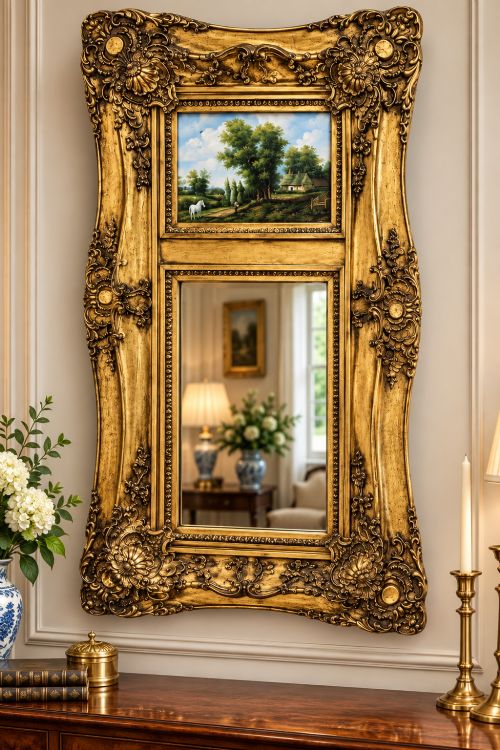
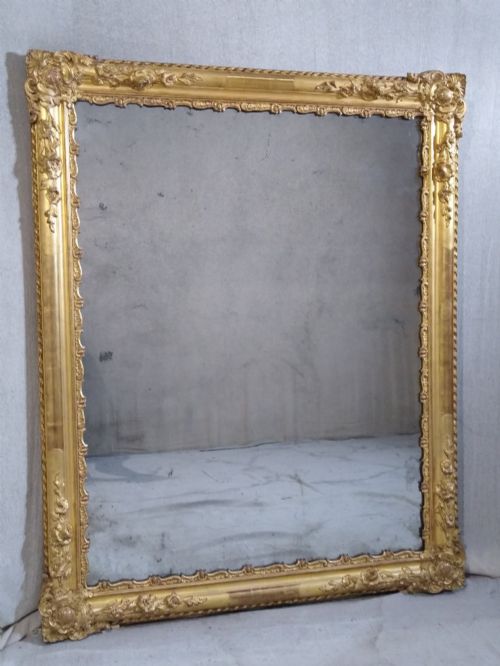
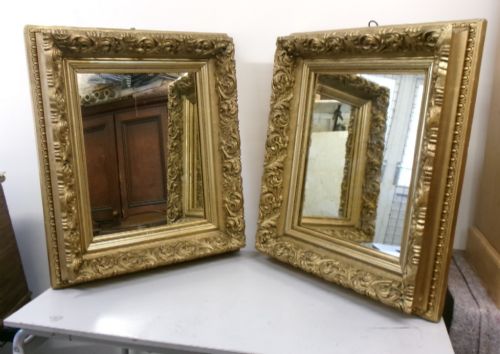
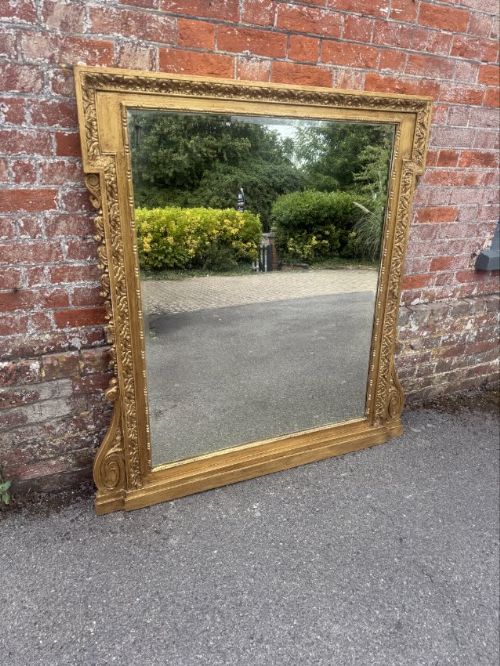
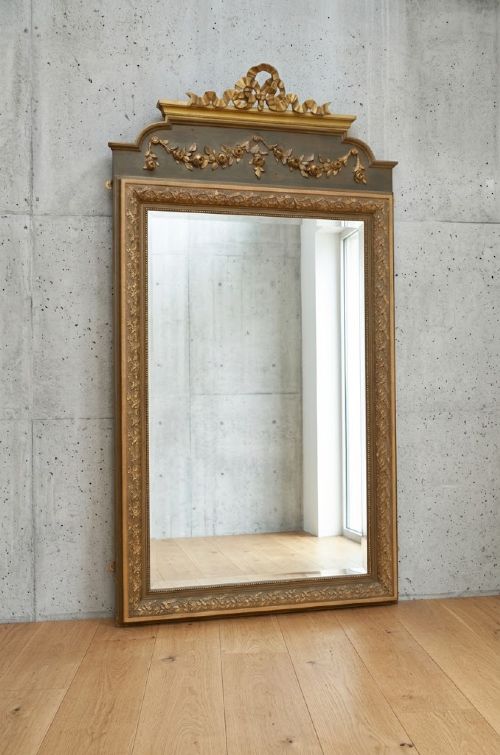
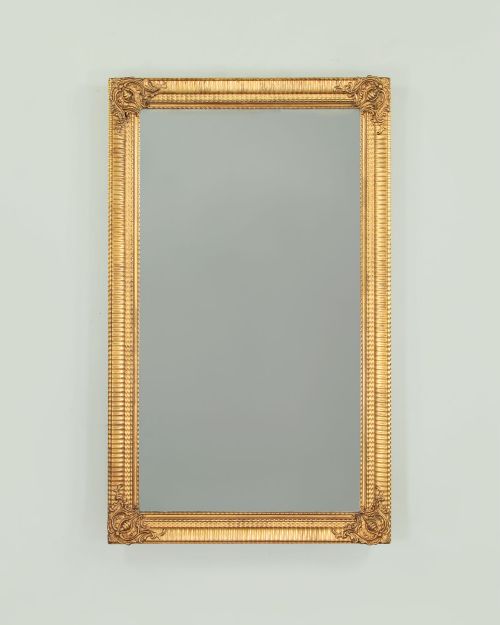
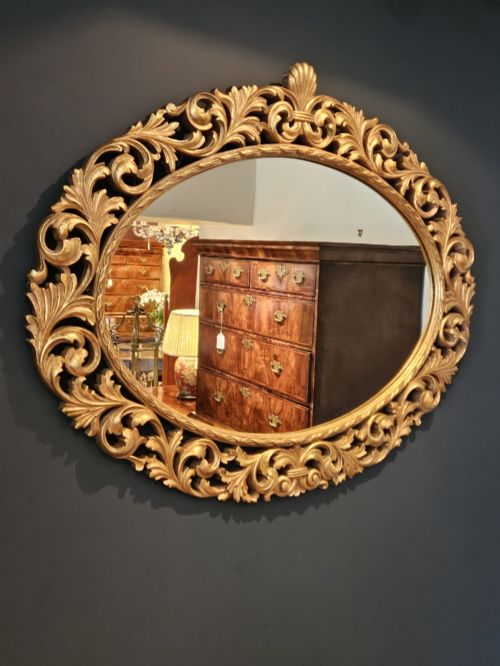
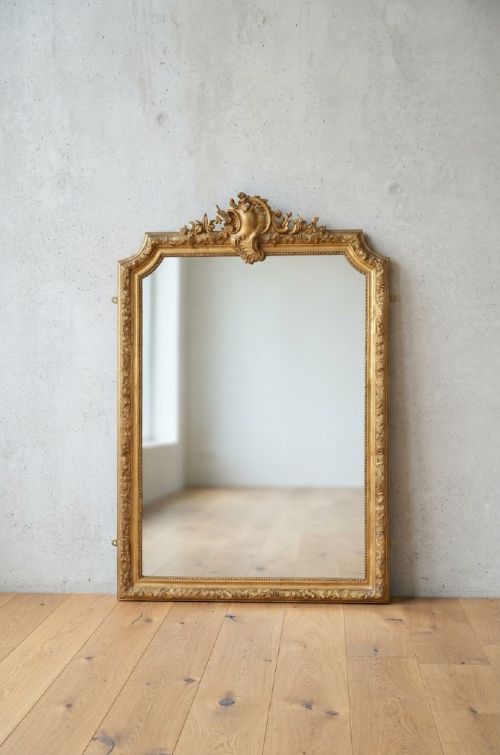
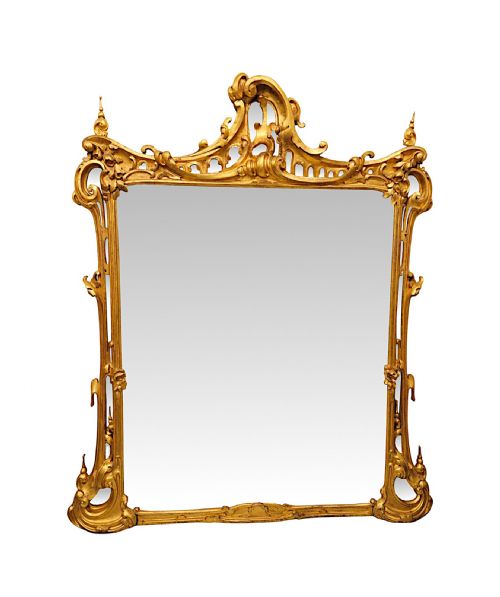
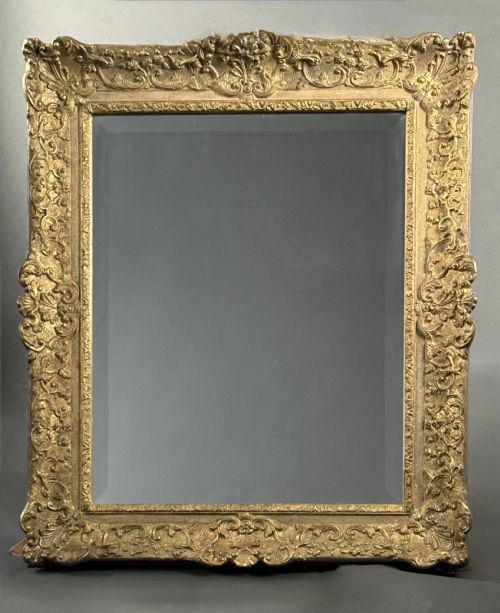
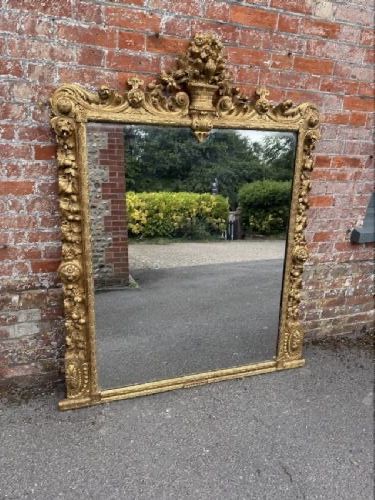
An ornate carved gilt mirror serves primarily as a wall-mounted focal point, frequently found spanning the nineteenth and eighteenth centuries in forms ranging from compact wall pieces to large overmantles. Buyers seek these items for their architectural presence, which draws the eye and brightens interior spaces through combined metallic leaf and glass.
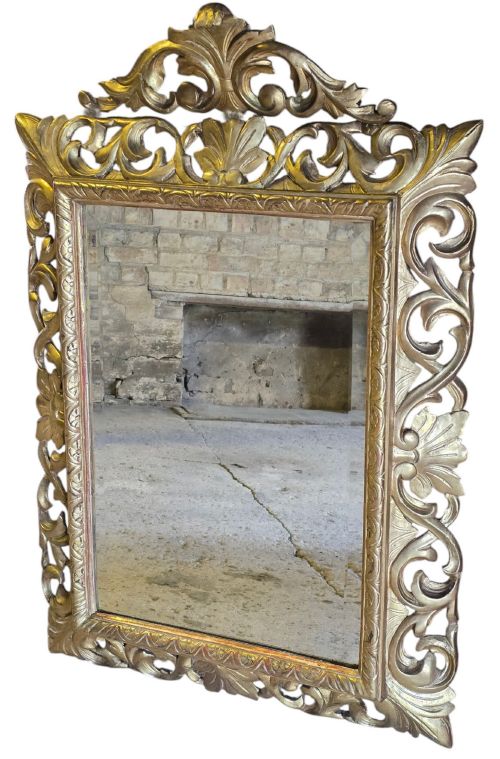
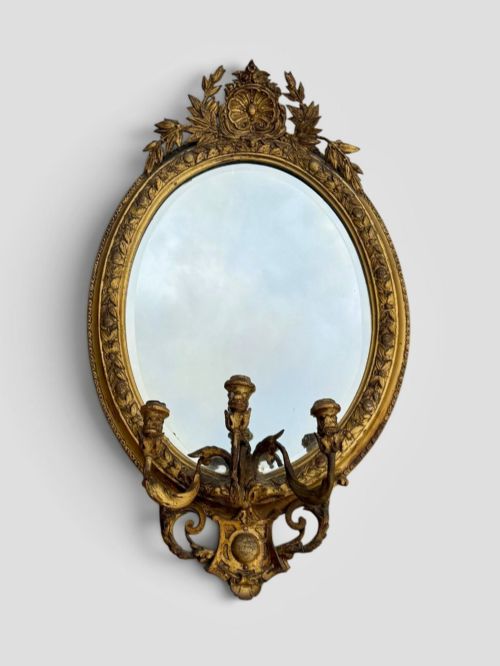
The selections available here lean heavily toward nineteenth-century English and French examples, alongside Italian Florentine and Rococo Revival pieces. Common formats include pier glasses, girandoles with candle sconces, and grand overmantle mirrors designed to sit above fireplace hearths.
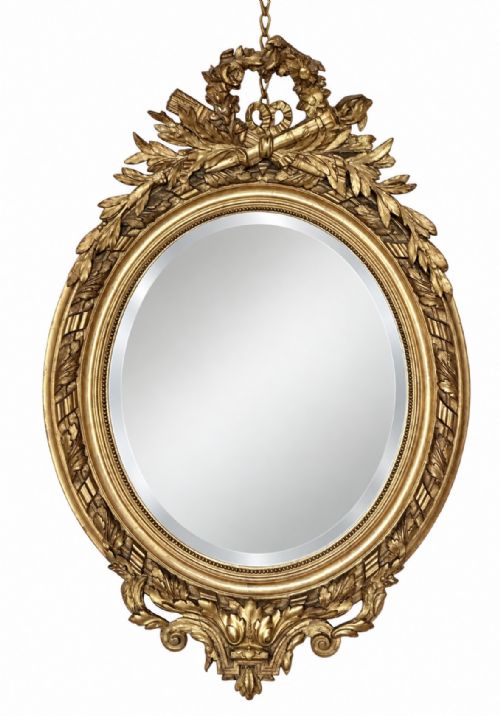
Origins span regional workshops across Britain, France, and Italy, reflecting distinct local interpretations of classical and revivalist ornamentation. Whether configured as an oval, an arch top, or a rectangular frame, each object combines utility with sculptural ambition.
How they were made
Makers shaped structural carcasses from timber such as pine or hardwood, applying layers of gesso to build up intricate relief details before carving. Artisans then laid delicate sheets of gold leaf or composition metal onto the prepared surface, sealing the finish to catch ambient light.
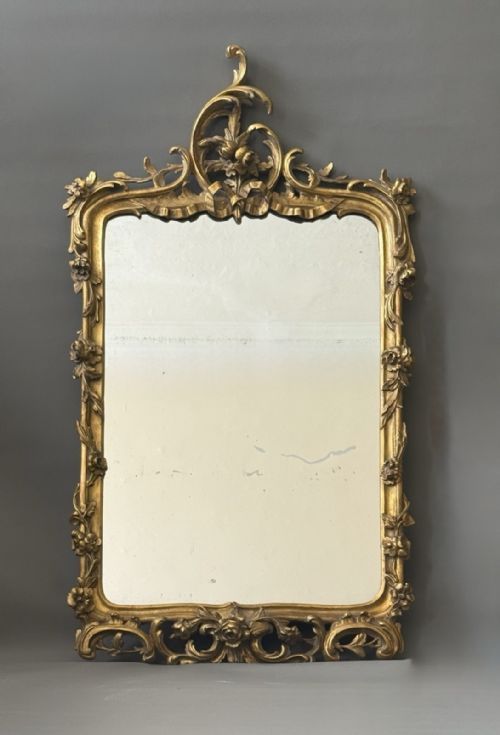
Reflecting plates were traditionally cast or blown from glass, sometimes featuring bevelling along the edges or displaying foxed, aged patination from centuries of oxidation.
What varies in quality
Depth and crispness of the carved ornamentation separate standard production from superior examples, as hand-chiselled timber and layered gesso retain sharper relief than mass-moulded composition. The integrity of the original gilding, whether gold leaf or applied metal, dictates how light plays across the surface over time.
Structural preservation of the wooden frame and the retention of period mirror plates, rather than modern replacements, influence the overall character and historical continuity of the piece.
The Ornate Carved Gilt Mirror Glossary
- Giltwood
- Timber coated with gold leaf or metallic powder over a prepared gesso ground. This technique provides the signature reflective warmth seen on period frames.
- Gesso
- A plaster-like mixture applied to wood frames to create a smooth, malleable surface for carving relief ornamentation. It accepts fine detailing before gilding takes place.
- Overmantle Mirror
- A large horizontal looking glass designed specifically to hang above a fireplace mantelpiece. These pieces often anchor the proportions of a reception room.
- Girandole
- A decorative wall mirror fitted with attached candle sconces or arms. The metal or glass branches multiply the illumination of candles in a room.
- Pier Glass
- A tall, narrow mirror traditionally hung on the solid pier of wall space situated between two windows. It maximised daylight in period interiors.
- Foxed Glass
- Mirror plate displaying dark spots or patches caused by the degradation of the backing silver over decades. Collectors value this natural ageing for its atmospheric authenticity.
Ornate Carved Gilt Mirror: Frequently Asked Questions
How do I hang a heavy overmantle mirror safely?
These substantial wooden frames require secure wall fixings anchored directly into masonry or heavy timber studs. Professional installation ensures the weight of the timber and glass is supported safely.
Position the mirror at a height that reflects eye level or architectural details across the room, balancing its visual mass against surrounding furniture.
What is the difference between gesso and carved wood?
Carved wood involves shaping the actual timber foundation with chisels and gouges to form floral or scroll motifs. Gesso is a chalk-and-glue mixture applied over the wood base to build up finer relief details.
Many antique frames combine both techniques, using carved timber for structural integrity and thick gesso for intricate surface decoration.
How should I clean antique gilt surfaces?
Dust the carved frame gently with a dry, soft-bristled brush to remove surface debris without disturbing the delicate metallic leaf. Avoid liquid cleaners, modern detergents, or abrasive cloths entirely.
Glass plates can be wiped carefully with a microfibre cloth and minimal glass cleaner, taking care not to let moisture seep behind the frame edges.
Why do some mirror plates look spotty?
The speckled appearance, known as foxing, occurs when moisture interacts slowly with the silver backing over generations. This chemical transformation causes the reflective coating to oxidise in characteristic patches.
Rather than a defect, foxing serves as a primary indicator of genuine age and historical depth in antique mirrors.