



Ornate Carved Back Chairs
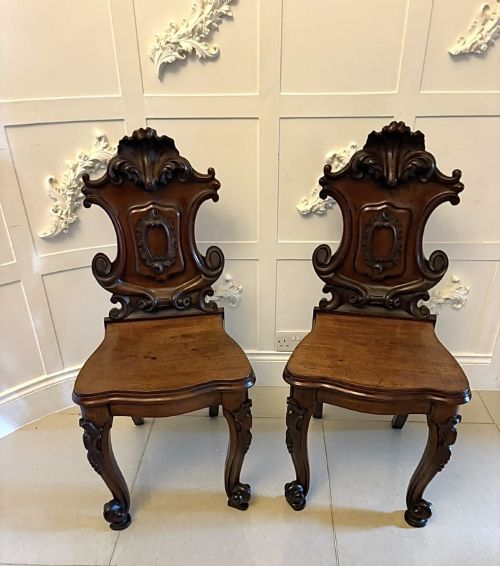
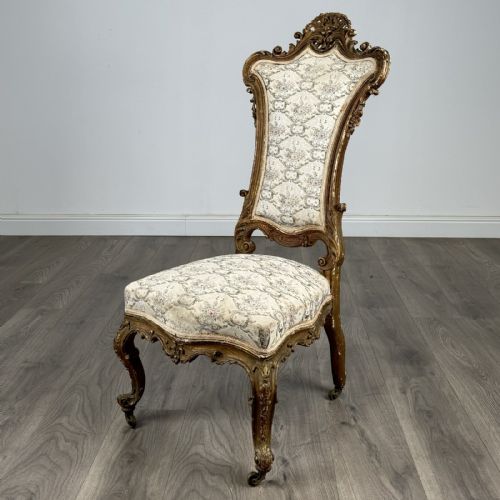
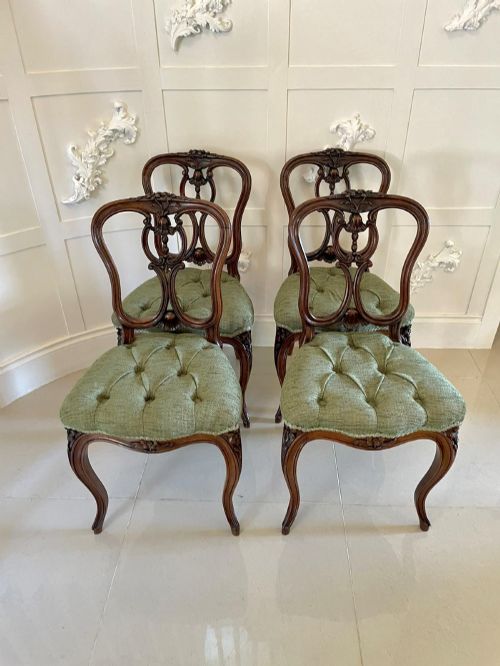
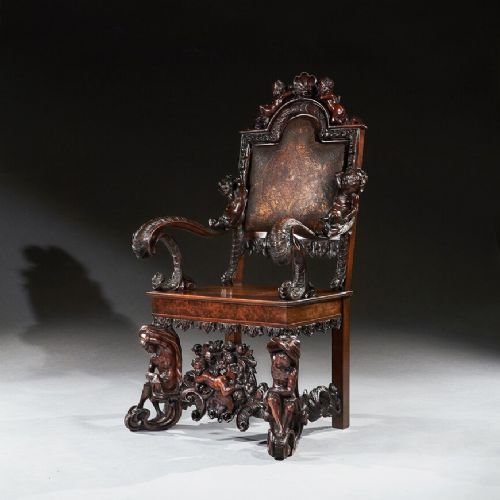
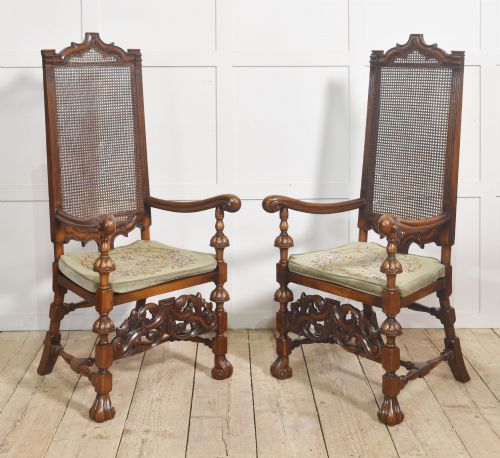
These ornate carved back chairs combine dense decorative woodwork with period seating forms, offering strong historic character for any interior.
Ornate Carved Back Chairs
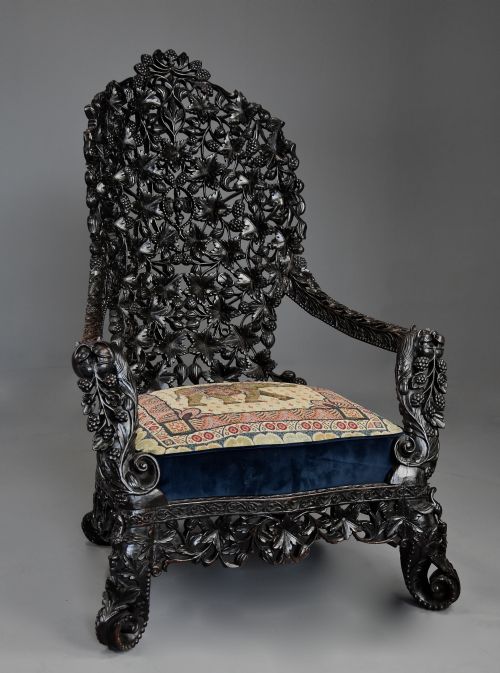
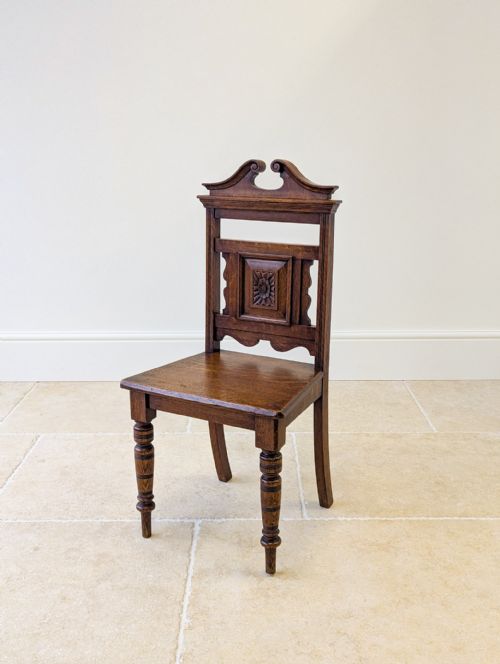
When buyers search for ornate carved back chairs, they encounter a diverse selection of seating originating primarily from the nineteenth century, including the Victorian era. The forms span armchairs, side chairs, hall chairs, salon chairs, and dining chairs, alongside specific regional variations such as Anglo-Indian, Burmese, Moroccan, and Chinese pieces.
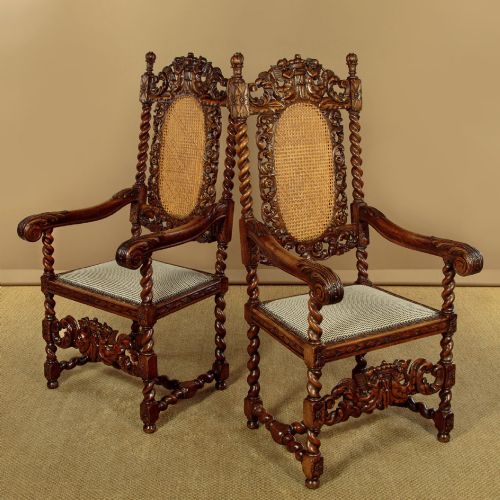
Walnut, oak, and mahogany form the structural backbone of these designs, often paired with elaborate ornamentation ranging from Rococo and Baroque revivals to Gothic and Carolean styles. Buyers meet matching pairs, sets, and single focal pieces designed for display as much as for use in reception rooms and halls.
Materials and construction methods
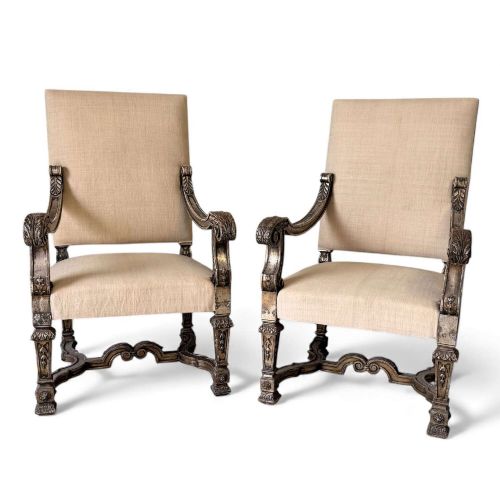
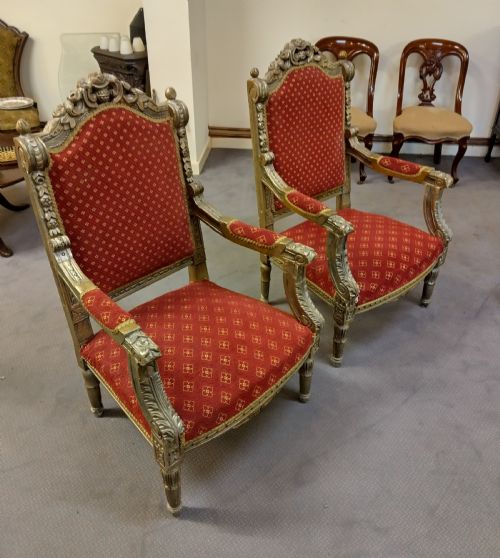
Cabinetmakers utilised hardwoods such as walnut, mahogany, and oak, selecting them for their density and ability to hold deep, crisp chisel work. Giltwood and painted finishes also appear, adding surface sheen and colour to specific Continental and decorative items.
The decorative surfaces rely entirely on hand carving, featuring pierced frets, high-relief scrolls, figures, and architectural motifs integrated directly into the structural frames. Upholstery materials like leather, silk, velvet, and various textiles are traditionally secured to support the heavy woodwork.
Ornate Carved Back Chairs Retail Price Guide 2026
Typical asking prices for ornate carved back chairs among the pieces listed under this phrase on Sellingantiques today, from the lower quarter to the upper quarter. They describe what is for sale here now, not the wider market.
Listings feature regional variations including Anglo-Indian, Burmese, Ceylonese, Moroccan, and Chinese forms alongside European revival styles.
Distinctions in standard and execution
The depth, sharpness, and spatial command of the chisel work dictate the standard of the carving, distinguishing casual production from exhibition pieces designed for display. Handling of human figures, animals, and foliage reveals the sculptor's direct capability.
Selection of timber grain and structural integrity under heavy ornamentation separate everyday seating from pieces made for formal settings. The harmony between the turned or carved legs, the seat frame, and the elaborate backrest governs the overall presence.
Andrea Brustolon
The Ornate Carved Back Chairs Glossary
- Carolean Style
- A late seventeenth-century aesthetic revived during the Victorian period, characterised by scrollwork, crown motifs, and pierced carving in walnut or oak. It provides a distinct seventeenth-century look to nineteenth-century seating.
- Giltwood
- Timber treated with gold leaf or metallic paint to create a lustrous surface finish. This technique highlights elaborate Baroque and Rococo ornamentation on formal chairs.
- Hall Chair
- A rigid wooden seat traditionally placed in entrance halls, often featuring a solid carved back displaying heraldic or decorative motifs. These pieces prioritise display and durability over cushioned comfort.
- Savonarola Chair
- A folding chair constructed from intersecting curved wooden slats, forming an X-shaped frame of Italian Renaissance origin. Examples often incorporate detailed regional carving.
- Balloon Back
- An upholstered dining or side chair back formed in a continuous curved oval shape resembling a balloon. This form frequently carries elaborate Victorian carved decoration.
Ornate Carved Back Chairs: Frequently Asked Questions
Where were ornate carved back chairs placed?
These chairs served specific functions depending on their form, with hall chairs positioned in grand entrances for formal reception. Salon chairs and armchairs inhabited drawing rooms to display wealth and artistic taste.
Dining sets gathered around large tables for formal meals, while veranda or garden variants suited semi-outdoor domestic spaces in warmer climates.
How do I date a carved chair?
Dating relies on examining the timber species, joinery methods, and the specific revival style employed by the maker. Nineteenth-century interpretations often mix historical motifs with industrial-era wood preparation.
Matching the carving depth and secondary woods helps separate genuine period production from later adaptations or style copies.
Are these chairs comfortable for daily use?
Many examples prioritize decorative visual impact over ergonomic comfort, featuring upright wooden backs and firm seating. Hall chairs and throne chairs were designed for posture rather than lounging.
Upholstered salon chairs and armchairs offer softer support, though original stuffing may require professional assessment for regular sitting.
How do I care for antique carved wood?
Maintain stable indoor humidity levels to prevent the dense hardwood and intricate carvings from drying out or splitting. Avoid placing pieces near direct heat sources or strong sunlight that affects finishes.
Dust regularly with a soft, dry brush to reach deep into the carved recesses without damaging the patina.