


Ornate Brass Desk
An ornate brass desk demands substance and presence, bringing heavy cast metal, polished surfaces and period weight directly to the study.
Ornate Brass Desk
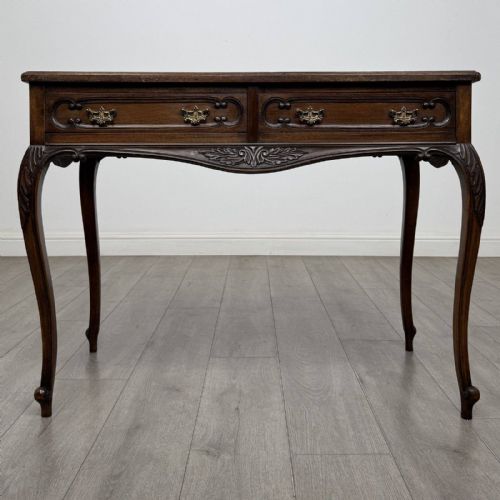
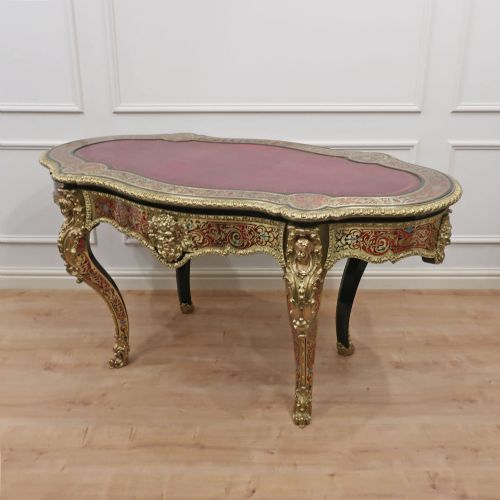
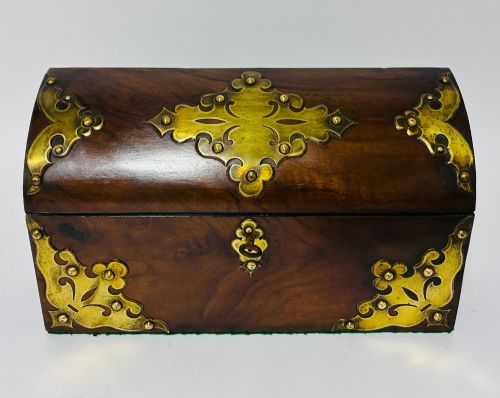
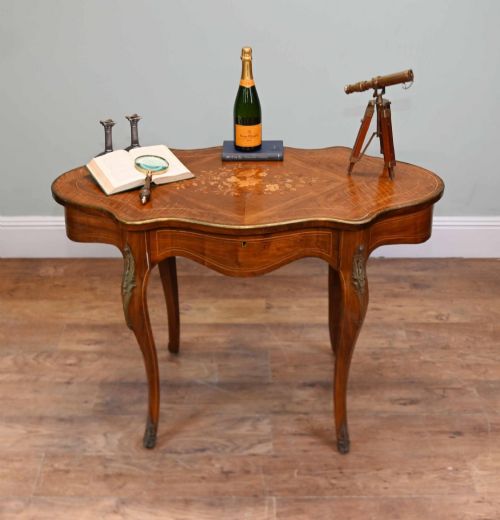
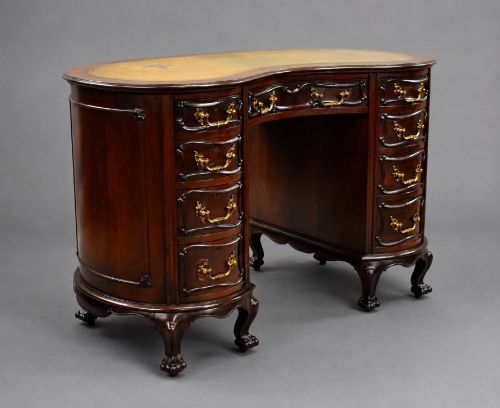
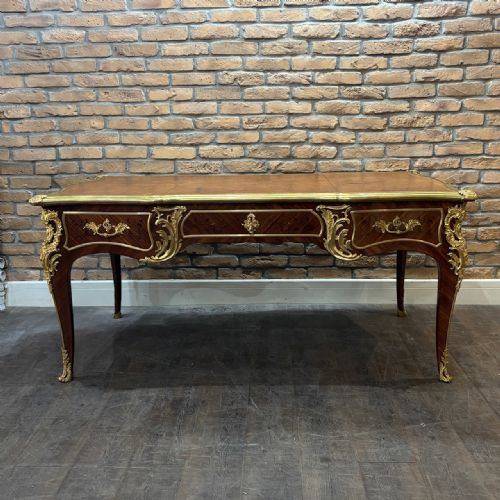
When you search for an ornate brass desk, you encounter heavy metal mountings, inlaid wooden surfaces and elaborate nineteenth-century revival styles designed for formal writing rooms. These pieces combine structural timber with extensive metallic embellishment, often drawing on French Rococo or Louis XV influences.
The versions most common in these listings span the Victorian and Edwardian eras, utilising brass, gilt bronze and ormolu alongside mahogany, walnut or marquetry tops. They bridge the gap between functional writing furniture and decorative display pieces.
How they were made
Construction relies on joining dense hardwoods with cast, chased and polished brass components fixed by traditional screws and pins. Metal mounts are shaped through casting before receiving manual finishing to sharpen decorative foliage and scrolls.
Surface ornamentation integrates cast ormolu and gilt bronze trims fitted closely to wood veneers, glass inserts or leather writing surfaces. Workshops employed specialised metalworkers alongside cabinetmakers to achieve the complex union of timber and brass.
Ornate Brass Desk Retail Price Guide 2026
Typical asking prices for ornate brass desk among the pieces listed under this phrase on Sellingantiques today, from the lower quarter to the upper quarter. They describe what is for sale here now, not the wider market.
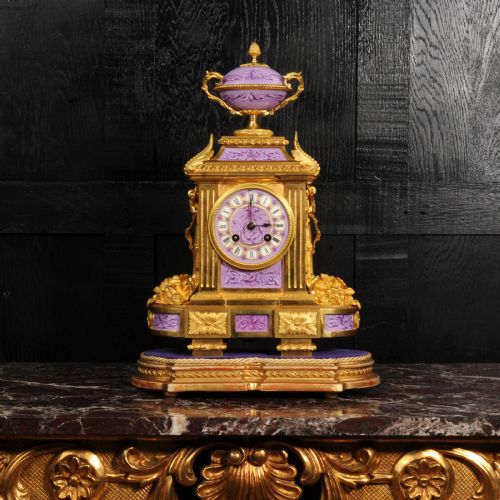
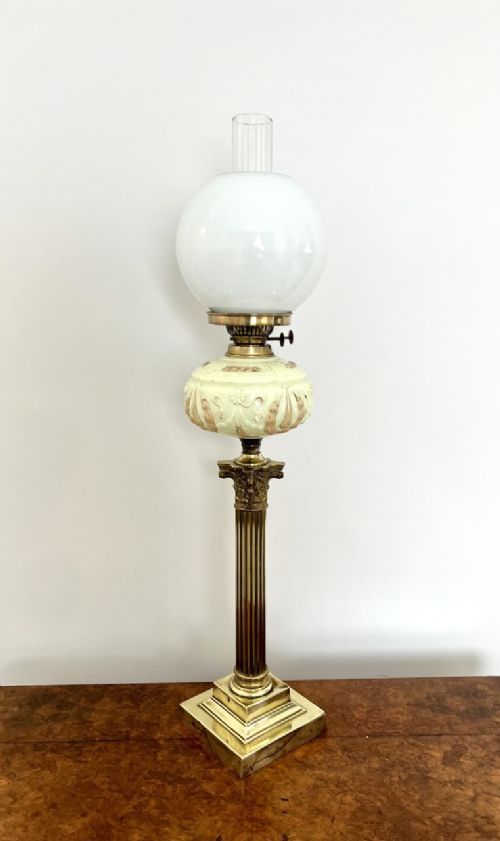
Several pieces preserve the exact tick of nineteenth-century clockwork alongside the sturdy timber of a working desk.
What varies in quality
Quality rests primarily in the crispness of the metal chasing and the depth of the casting, where sharper details and heavier gauge brass separate superior work from simpler stamped components. The integration between the brass mounts and the underlying timber reveals the precision of the maker's hand.
Materials dictate the upper tier, with fire-gilded ormolu and dense hardwoods showing greater endurance and finish than plated base metals and softer pine structures. Finer examples retain intact original mountings and unblemished surface patination across both metal and wood.
Achille Brocot·Wild and Wessel
The Ornate Brass Desk Glossary
- Ormolu
- Gilded bronze produced by applying a mixture of gold and mercury to a bronze base and heating it. This technique creates a durable, warm metallic lustre found on high-end period furniture.
- Marquetry
- The art of applying decorative pieces of veneer to a structural structure to form intricate patterns. It frequently decorates the writing surfaces and drawers associated with these desks.
- Chasing
- The hand-working of metal with a hammer and small punches to refine cast details and surface texture. Finer chasing yields sharper relief on decorative mounts.
- Louis XV Style
- A revival design movement characterised by asymmetrical scrollwork, naturalistic foliage and C-scrolls. It heavily influences the curved lines and mounts of mid-nineteenth-century desks.
Ornate Brass Desk: Frequently Asked Questions
How do I clean ornate brass?
Dust regularly with a dry, soft cloth to prevent grime accumulation in recessed chased details. Avoid harsh chemical polishes that strip away historical patination and damage adjacent wood veneers.
For stubborn tarnish, use a mild, non-abrasive metal cleaner applied sparingly with a cotton bud. Work carefully around the edges to protect the surrounding timber or fabric components from staining.
Are these desks suitable for daily writing?
Period writing tables provide stable surfaces and functional proportions designed specifically for correspondence and administrative tasks. Their sturdy timber frames support modern writing materials without compromising structural integrity.
Protect delicate leather or marquetry surfaces with a suitable blotter or desk pad during heavy use. This prevents accidental ink stains and surface scratching while preserving the antique finish underneath.
How do I identify a nineteenth-century desk?
Examine the construction methods visible inside the drawers and beneath the writing surface for hand-cut dovetails and older fastening techniques. Machine-made screws and modern glues indicate later reproduction work rather than period manufacture.
Check the quality of the brass casting and the wood species used for secondary framing, such as oak or mahogany. Victorian and Edwardian examples display consistent material usage appropriate to their specific revival style.
What maintenance do wood and brass need?
Maintain stable indoor humidity levels to prevent the timber framework from warping or shrinking around the metal mounts. Sudden temperature shifts can cause the wood to expand and loosen fixed brass screws.
Apply a microcrystalline wax periodically to nourish both the wood finish and the metal surface. Buff gently to maintain a protective barrier against moisture and atmospheric wear.