



Ornate Planter
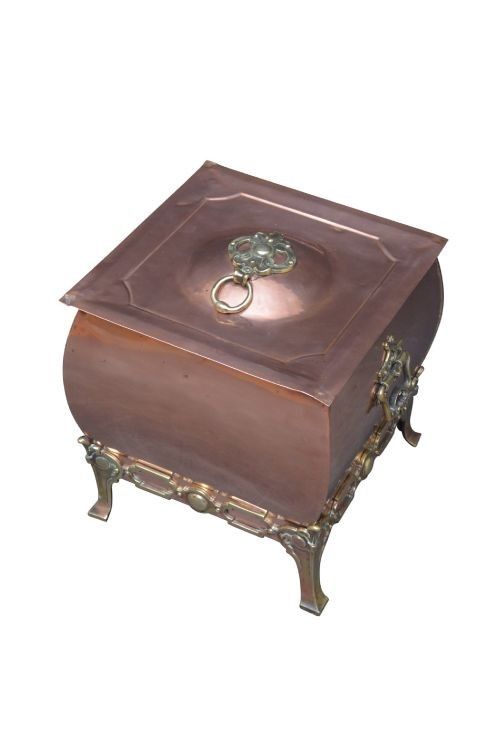
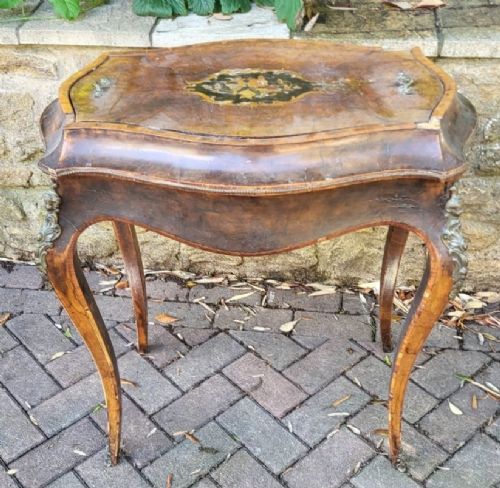
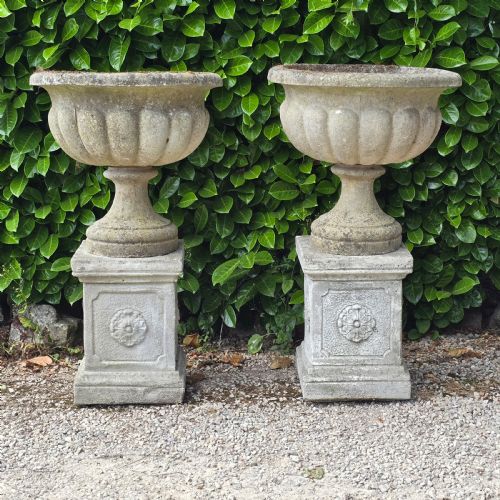
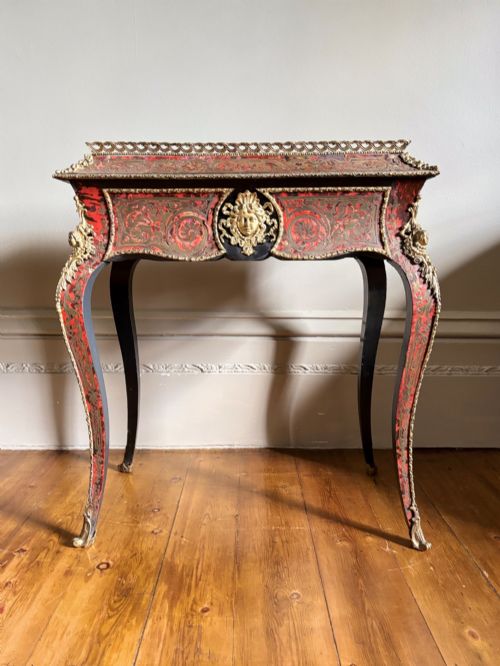
An ornate antique planter brings sculptural presence and botanical display together, rooted in nineteenth century craftsmanship.
Ornate Planter
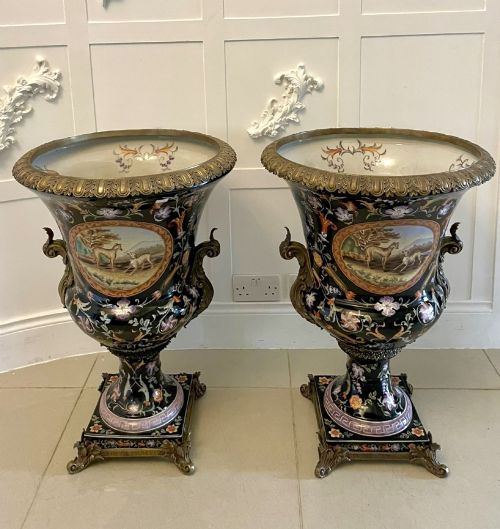
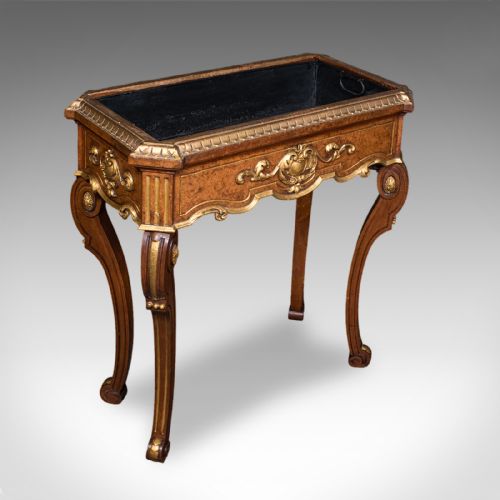
Buyers will encounter materials ranging from cast iron and brass to porcelain, gilt bronze, and carved mahogany. Many items integrate handles, repoussé decoration, or inset porcelain panels to elevate their decorative utility within a reception room or conservatory.
Assessing quality in historical planters
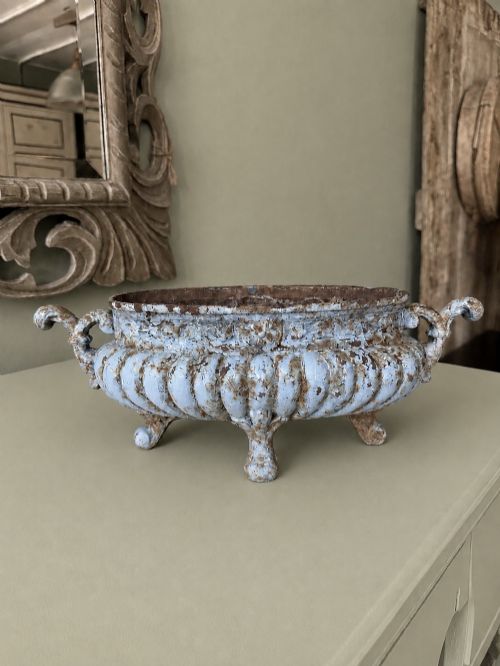
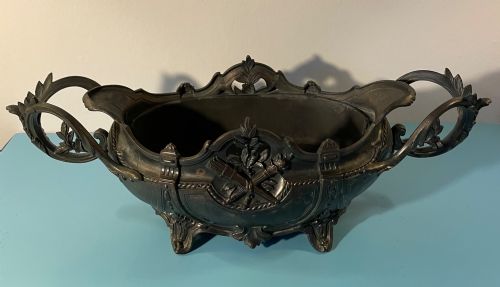
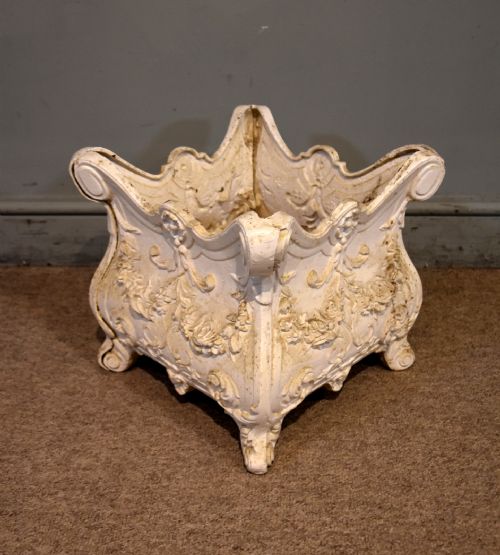
The precision of the casting and chasing separates standard metalwork from superior examples, particularly on cast iron garden urns and brass vessels. Crisp relief work on animal masks, handles, and floral motifs indicates skilled hand finishing.
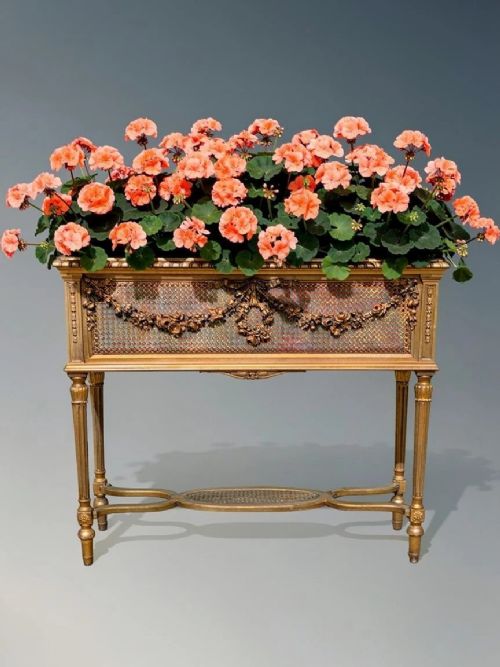
The integration of mixed media defines the finer stands and tables, where porcelain panels, Ormolu mounts, and marquetry woodwork align without clumsy joints. Superior ceramic bodies show refined hand painted detail rather than mass produced transfer printing.
Barbedienne·Coalbrookdale·Doulton Lambeth·Samson
The Ornate Planter Glossary
- Jardiniere
- A decorative pot or stand designed to hold flowers or plants, typically originating from French interior traditions. These vessels sit on tables or floor stands.
- Ormolu
- Gilt bronze ornamentation applied to furniture, clocks, and planters during the eighteenth and nineteenth centuries. This technique uses a mercury and gold amalgam fired onto the bronze base.
- Repoussé
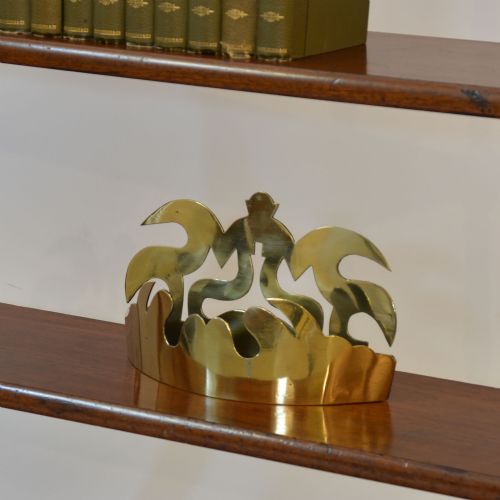
- A metalworking technique where the artisan hammers the design from the reverse side to form a raised relief on the front. Brass and copper planters frequently employ this method.
- Boulle
- An elaborate marquetry process using tortoiseshell and brass inlay developed in France. This finish appears on sophisticated nineteenth century planter stands.
- Cloisonné
- An ancient enamel technique where thin wire partitions create compartments on a metal surface that are filled with coloured enamel paste. These pieces require careful firing.
Ornate Planter: Frequently Asked Questions
How do I clean a brass planter?
Dust the surface gently with a soft dry cloth to preserve any patination and historic finishes.
Avoid abrasive chemical polishes that strip away the aged character accumulated over centuries.
Can these planters hold live plants?
Many historical vessels lack drainage holes because they served primarily as indoor decorative jardiniere displays.
Use a secondary inner pot or liner to protect the antique material from moisture damage and soil.
Where should I place a heavy cast iron urn?
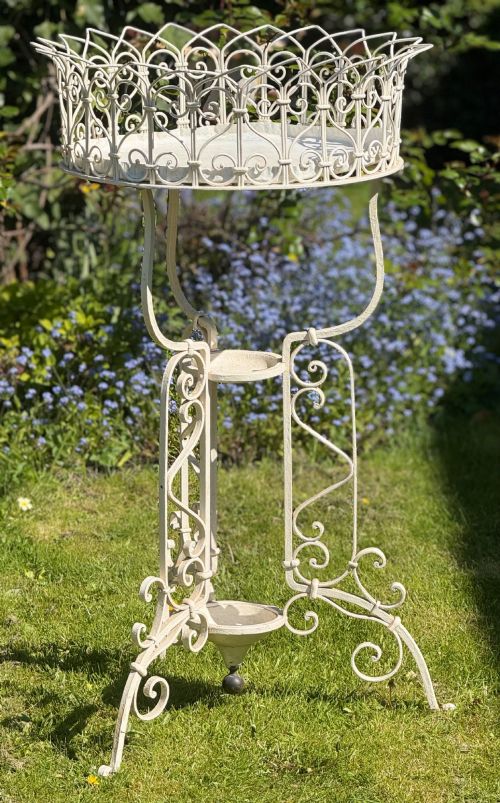
These robust pieces suit covered porches, gardens, or grand entrance halls where the weight provides stability.
Ensure the flooring beneath can support the substantial mass of cast iron and damp earth.
How do I identify Victorian pieces?
Look for characteristic design markers such as Gothic Revival motifs, heavy cast iron construction, and burr walnut veneers.
Construction details like hand cut screws and dovetailing help confirm the mid to late nineteenth century timeline.