



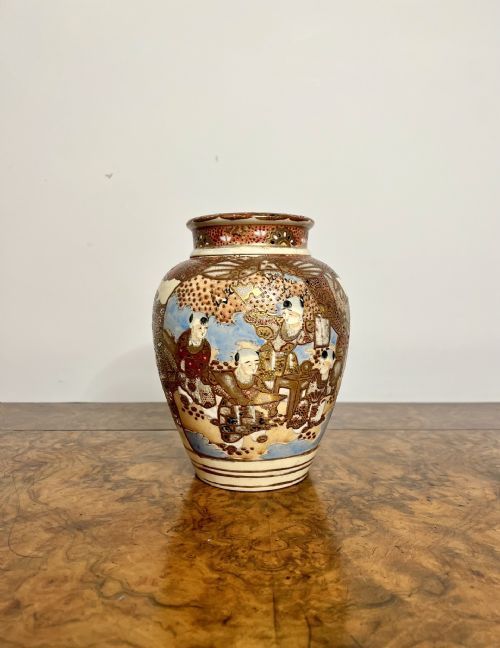


Ornamental Porcelain Vase
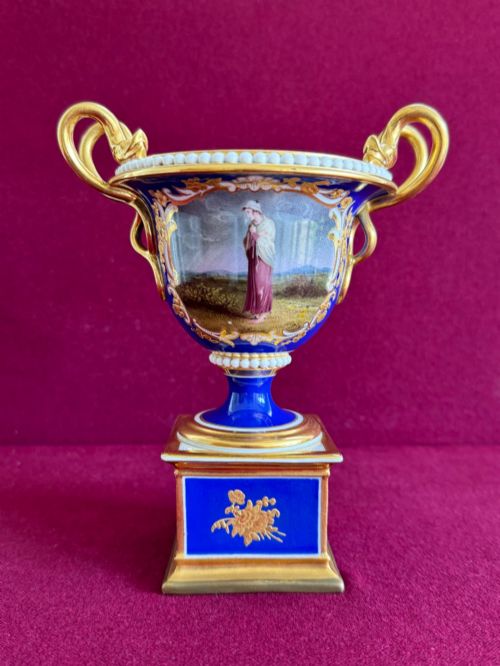
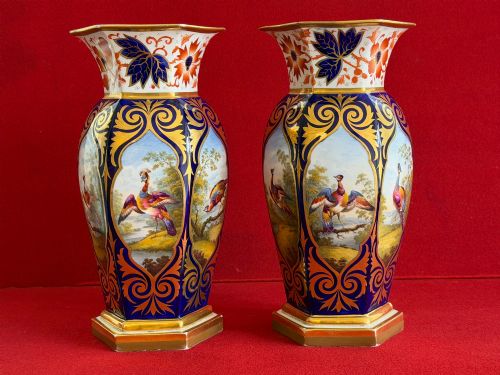
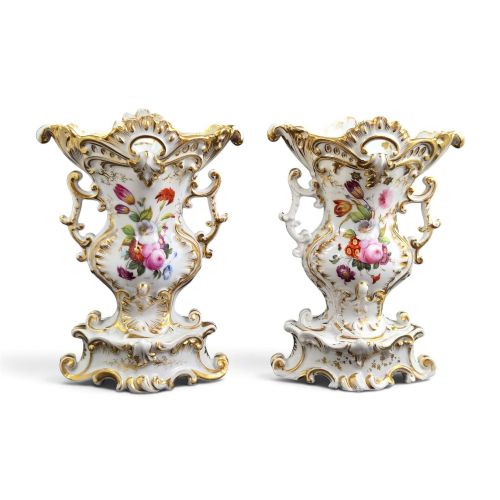
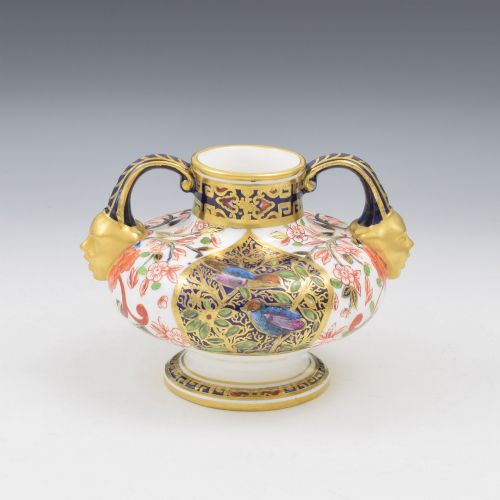
An ornamental porcelain vase brings cabinet presence and hand-painted detail into a room, spanning periods from the eighteenth century to the twentieth.
Ornamental Porcelain Vase
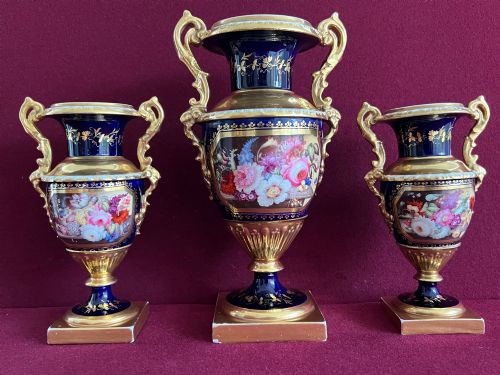
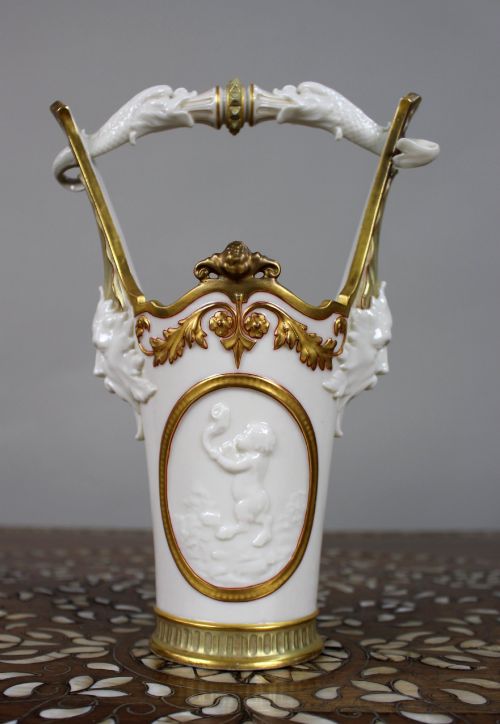
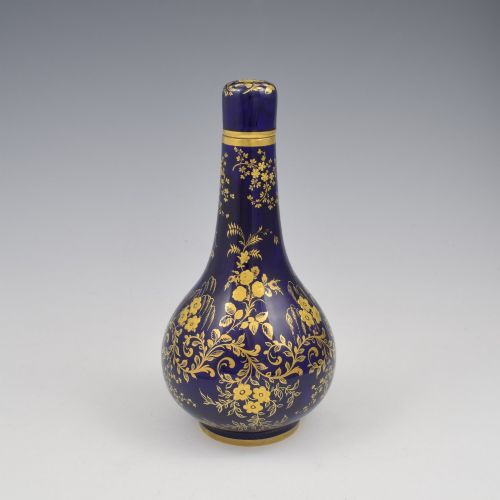
When a buyer searches for an ornamental porcelain vase, they encounter display vessels produced across British and continental potteries. These pieces range from cabinet-sized scent bottles and jars to large pedestal ewers and covered urns intended for formal display.
The selections span distinct historical periods, notably the Regency era, the Victorian period, and the Edwardian years. Forms take inspiration from classical antiquity, Rococo revivalism, and nineteenth-century aesthetic movements.
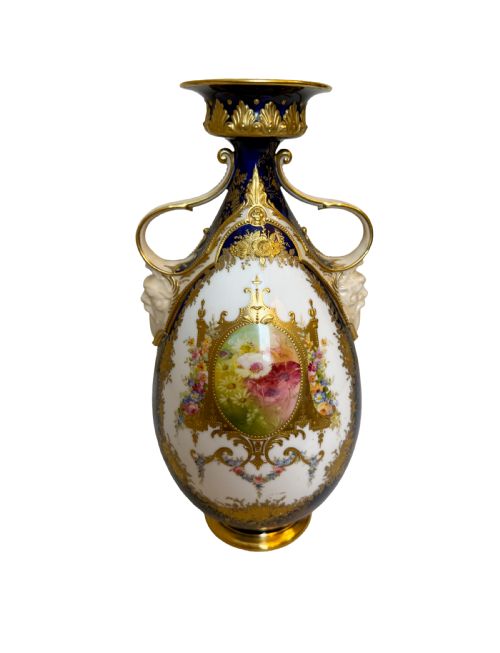
Makers represented include prominent names such as Flight, Barr and Barr, Jacob Petit, Royal Worcester, and Royal Crown Derby. Many pieces incorporate hand-painted topographical scenes, floral studies, or gilded accents upon white body porcelain.
Materials and construction
The primary body material is porcelain, alongside bone china and earthenware. Potters shaped these materials on the wheel or cast them in moulds to create complex shapes like ewers, urns, and ginger jars.
Decoration relies on enamel colours, gold leaf, and raised gilt highlights applied over a vitreous glaze. Master painters frequently executed detailed naturalistic motifs by hand before a final kiln firing fixed the pigments.
Ornamental Porcelain Vase Retail Price Guide 2026
Typical asking prices for ornamental porcelain vase among the pieces listed under this phrase on Sellingantiques today, from the lower quarter to the upper quarter. They describe what is for sale here now, not the wider market.
Listings feature porcelain pieces spanning the eighteenth, nineteenth, and twentieth centuries, incorporating materials such as enamel, bone china, and gold leaf.
Evaluating quality and execution
Quality rests primarily in the execution of the hand-painted decoration and the crispness of the porcelain moulding. Fine examples display delicate brushwork in subjects such as birds, flowers, and topographical landscapes, whilst lesser pieces rely on transfer printing.
The application of gilding indicates standard. Raised gold leaf and chased details denote higher workmanship than flat, painted gold washes that show wear or rubbing across high points.
Flight Barr and Barr·Jacob Petit·Royal Worcester·Royal Crown Derby·Hadley and Sons
The Ornamental Porcelain Vase Glossary
- Ewer
- A large jug with a shaped spout and handle, frequently produced purely for decorative display in pairs alongside matching urns or vases.
- Gilding
- The application of gold leaf or gold paint to ceramic surfaces for decorative enrichment. It is often raised and chased on finer nineteenth-century pieces.
- Pot Pourri
- A pierced lidded vessel designed to hold dried scented plant materials. These feature perforated covers to allow fragrance to diffuse into a room.
- Satsuma
- A type of earthenware with a crackle-glaze finish, originating in Japan. Pieces are typically decorated with enamels and intricate gilt work.
- Topographical
- A style of painted decoration featuring specific landscape views rather than imaginary scenes. These often record named British or European locations.
Ornamental Porcelain Vase: Frequently Asked Questions
How do I display an ornamental porcelain vase?
These vessels suit placement on sturdy mantelpieces, cabinets, or console tables where their painted surfaces and gilt highlights catch the light. Because many are paired items, keeping them together preserves their visual balance.
Position them away from direct sunlight and high traffic areas to protect delicate enamel colours and raised gold leaf from accidental knocks or fading.
Were these vases used for flowers?
Most pieces designed as ornamental vases, urns, or ewers served primarily decorative functions within nineteenth-century drawing rooms rather than holding water and stems. Pot pourri jars and lidded vessels were specifically intended for dry aromatics.
Using antique porcelain for fresh water carries risks to old glazes and interior bodies, so modern owners generally keep them empty as display objects.
How can I tell a Regency vase from a Victorian one?
Regency pieces often display neoclassical forms, crisp white bodies, and topographical or classical painted panels associated with factories like Flight, Barr and Barr. Victorian examples frequently embrace busier Rococo revival curves, deeper cobalt blue grounds, and heavier gilding.
Examining the style of the painted signature, the factory mark underneath, and the specific shape vocabulary helps determine whether a piece belongs to the early nineteenth century or later decades.
What is the difference between porcelain and bone china here?
Traditional porcelain formulas yield a hard, dense body often associated with continental and early English factories. Bone china incorporates calcined bone ash, creating a slightly warmer tone and a strong vitrified body favoured by major Staffordshire and Worcester potteries.
Both materials accepted enamel colours and gilding readily, though surface translucency and weight often help distinguish them under close inspection.