
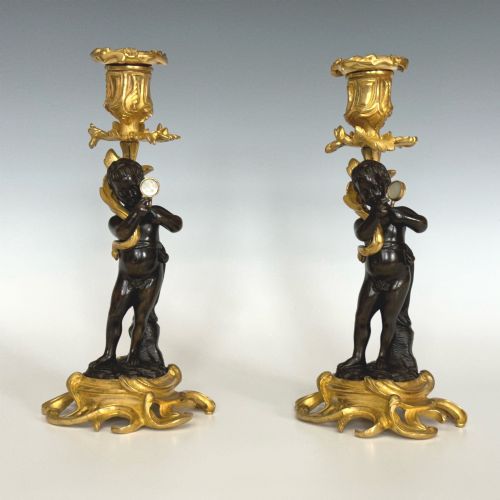
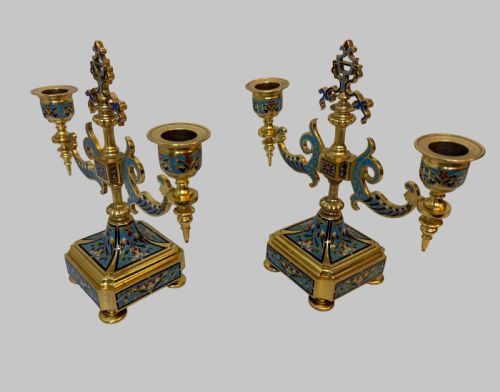


Ormolu Table Candlesticks
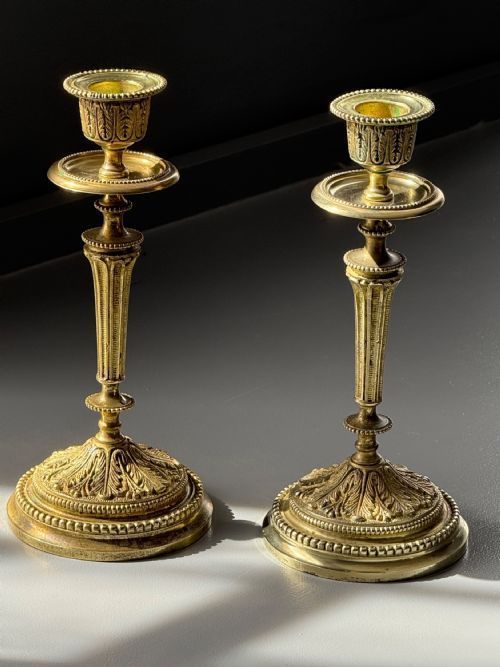
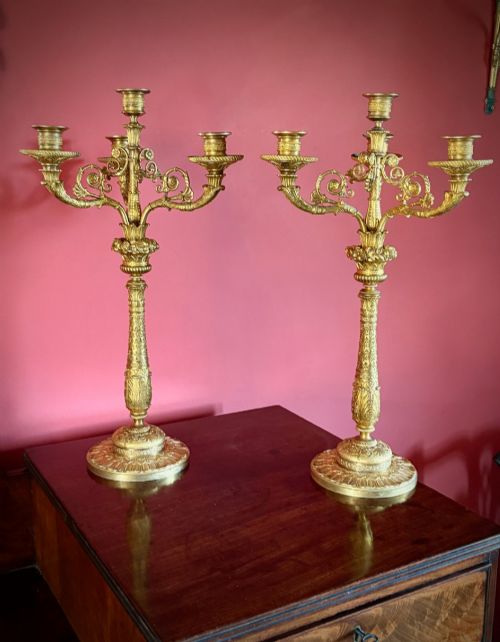
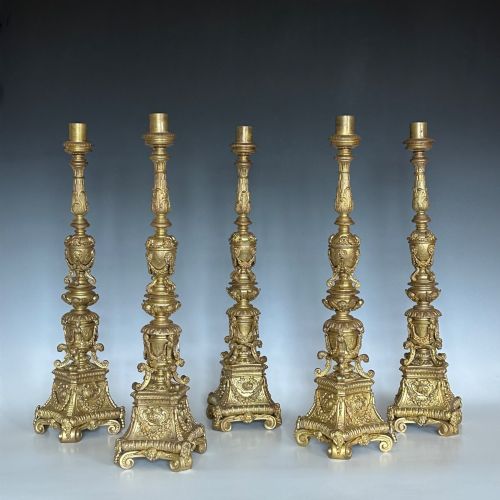
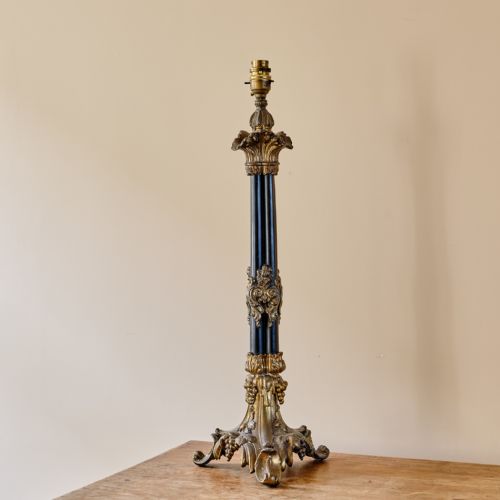
These ormolu table candlesticks bring warm metallic lustre to a room, cast in bright gilt bronze and shaped by French and English hands.

Ormolu Table Candlesticks
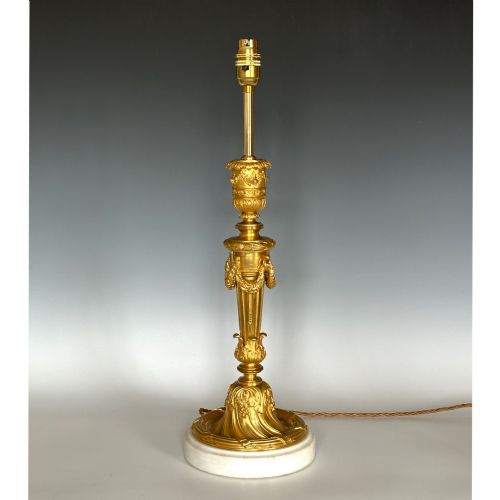
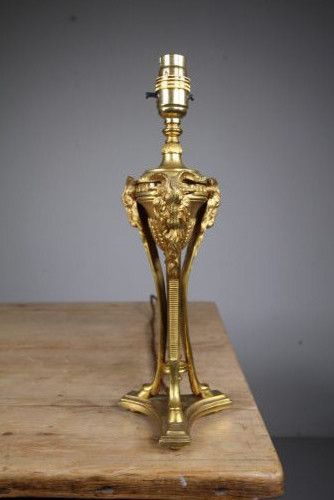
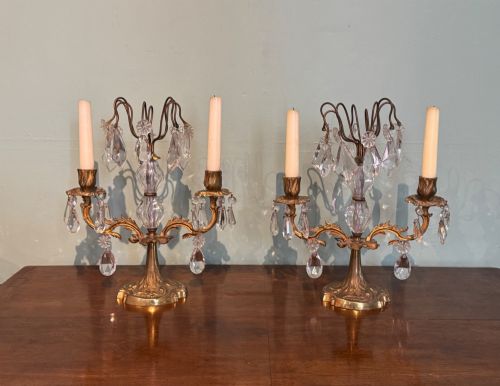
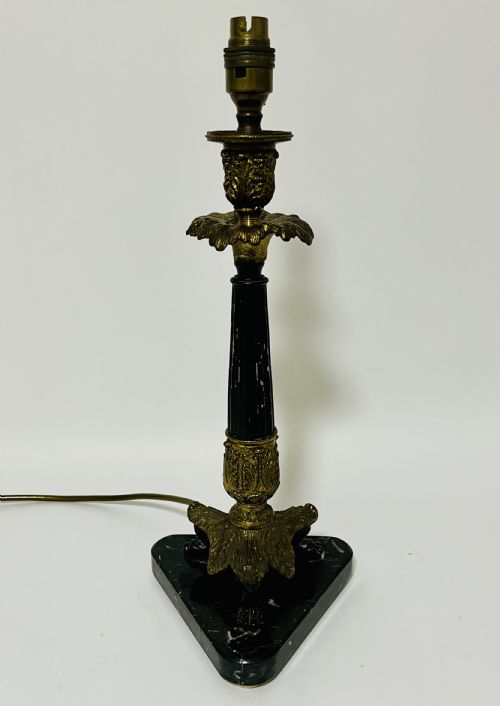
When you search for ormolu table candlesticks, you encounter heavy metal lighting fixtures designed to hold candles or wired later to serve as lamps. Most examples stem from the nineteenth century, drawing upon Regency, French Empire, and Louis XVI styles.
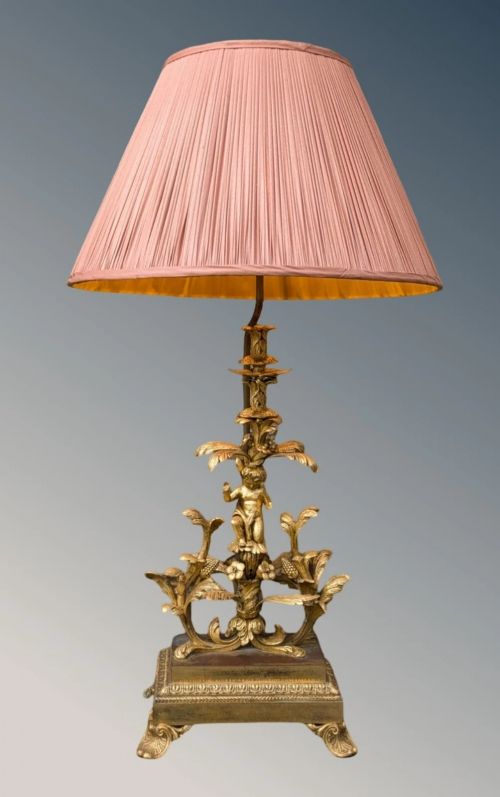
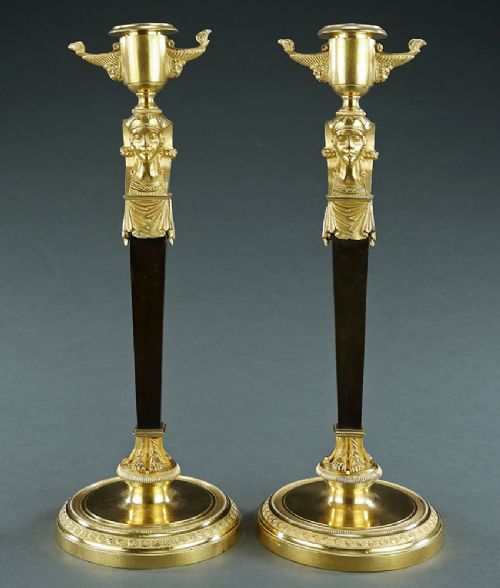
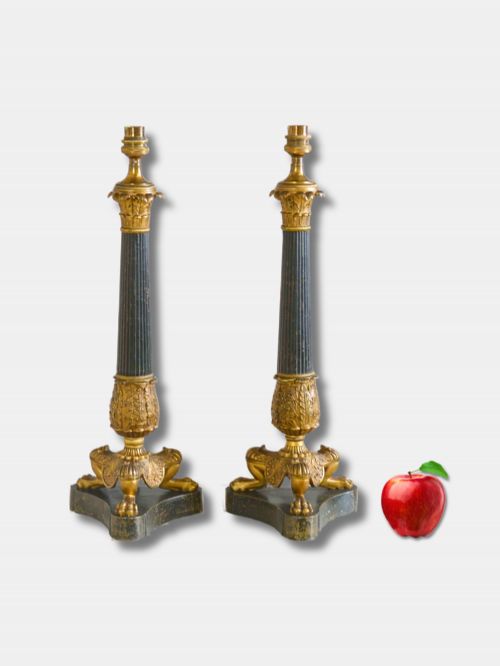
Makers and designers produced these items to illuminate grand interiors, utilising classical motifs such as rams' heads, lions' paws, and caryatids. Many surviving pieces show adaptations where candle sockets were converted into electric lamp bases.

How they were made
The manufacture of these objects relies on bronze casting, where molten metal is poured into intricate moulds to create figurative or architectural shafts. Craftsmen then applied a fine layer of gold amalgam to the bronze surface through the traditional mercury gilding process known as ormolu.
Several examples incorporate zodiac symbols and roaring lion paws to keep your desk firmly anchored in the nineteenth century.
What varies in quality
Quality rests primarily in the crispness of the bronze chasing and the depth of the original gilding. Finer pieces retain sharp undercuts and varied surface textures, whereas lesser examples appear soft and flat where details have been worn or poorly cast.
The choice of secondary materials also dictates the tier of the piece, with solid marbles and heavy fire-gilt surfaces marking out superior workshops. Weight, structural balance, and the integration of multiple branches or adjustable arms further separate standard production from exceptional design.
Jean Demosthene Dugourc
The Ormolu Table Candlesticks Glossary
- Ormolu
- A method of applying finely ground high-carat gold to a bronze object using a mercury amalgam. It yields a rich, warm yellow surface that resists tarnishing.
- Candelabra
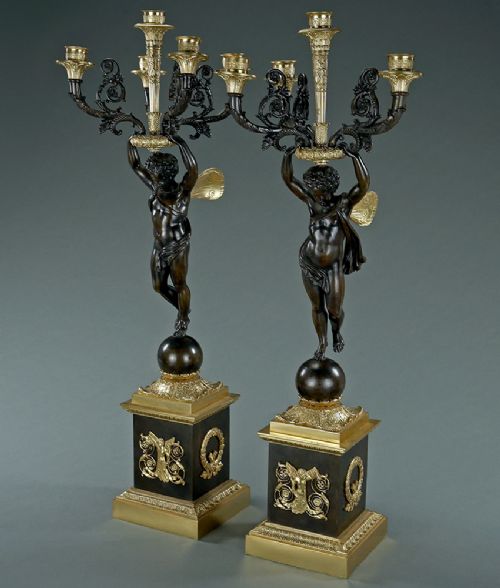
- A branched candlestick holding multiple lights on separate arms. These often feature central shafts decorated with classical figures or foliage.
- Patinated bronze
- Bronze that has been treated chemically to darken the surface. This creates a contrasting dark tone against the bright flash of ormolu.
- Table lustre
- A candlestick or lamp hung with glass prisms designed to reflect candlelight. The cut glass pendants refract the flame to increase ambient illumination.
- Champleve
- An enamelling technique where troughs are dug into the metal surface and filled with coloured vitreous paste before firing.
Ormolu Table Candlesticks: Frequently Asked Questions
How do I clean ormolu?
Dust gently with a soft dry cloth to protect the delicate gold layer.
Avoid chemical polishes and abrasive cloths, which strip away the thin historic gilding entirely.
Were these electrified originally?
Original examples held wax candles or oil before later conversions.
Wiring was added during the twentieth century to transform them into table lamps without damaging the antique metal.
How do I date an Empire style piece?
Look for specific architectural motifs such as lions' paws, sphinxes, and strict symmetry.
Compare the casting weight and the richness of the mercury gilt against known nineteenth-century production standards.
What is the difference between ormolu and brass?
Ormolu consists of a mercury gold layer applied over a bronze base metal.
Brass is a yellow alloy of copper and zinc throughout its entire mass, lacking the distinctive warmth of true fire-gilding.