


Ormolu Style Lighting
Ormolu style lighting brings the warmth of antique gilt metal and classical French design directly into domestic interiors.
Ormolu Style Lighting
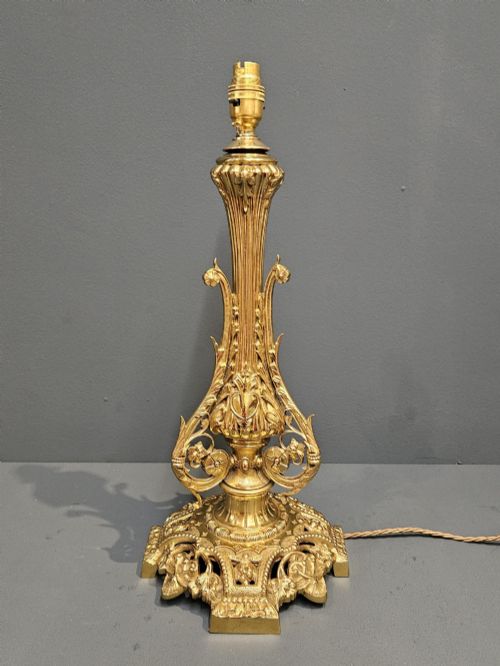
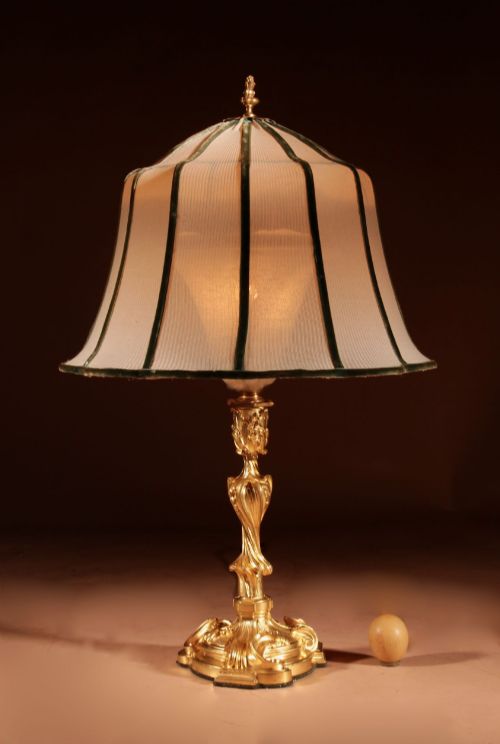
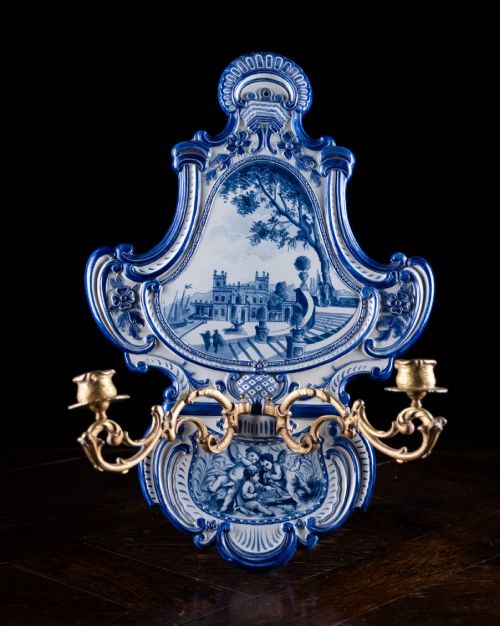
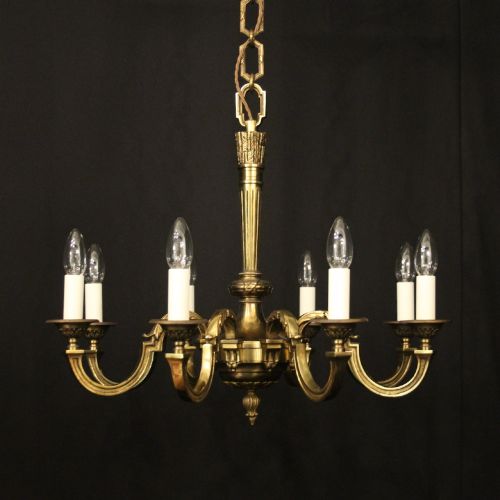
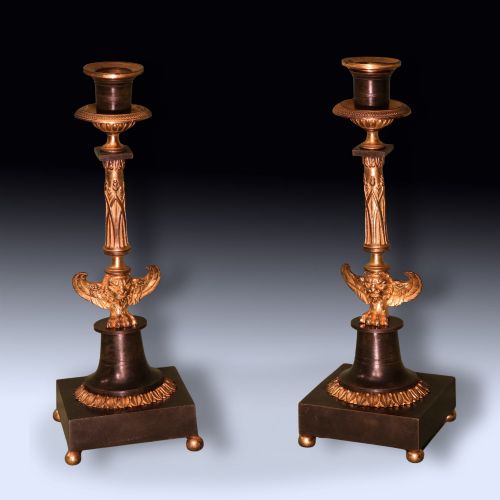
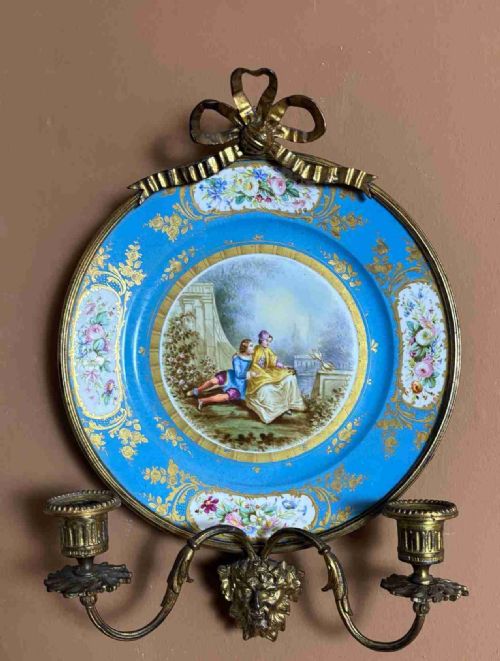
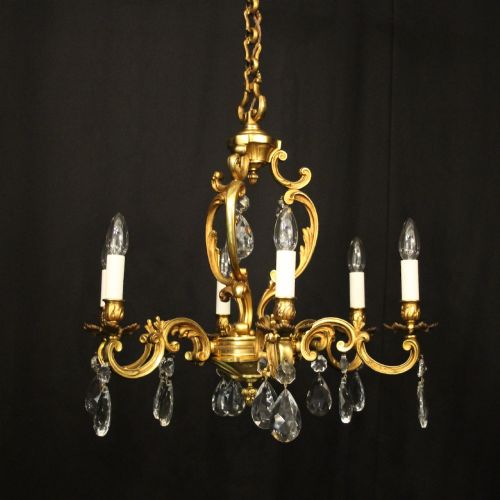
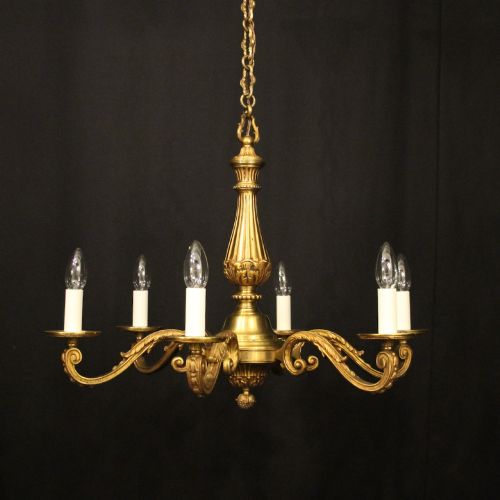
Ormolu style lighting encompasses decorative fittings designed to illuminate interiors through the use of gilded metals, patinated bronze, and crystal. Pieces searchably styled as ormolu style lighting include multi-arm chandeliers, wall lights, sconces, candelabra, and candlesticks originating primarily from the nineteenth and early twentieth centuries. French aesthetic movements heavily influence these fixtures, particularly the Empire, Louis XVI, and Rococo revival styles.
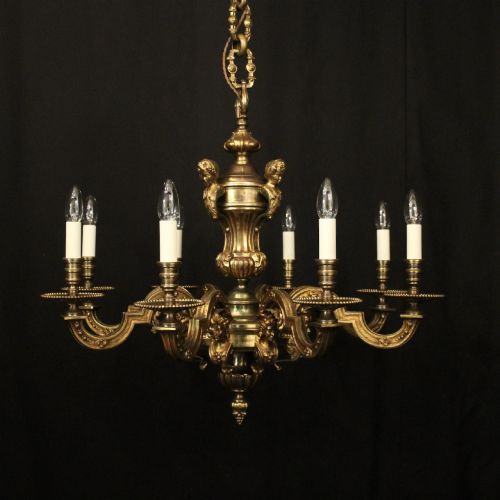
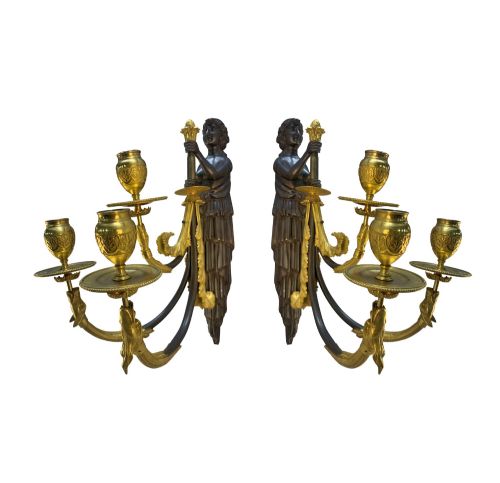
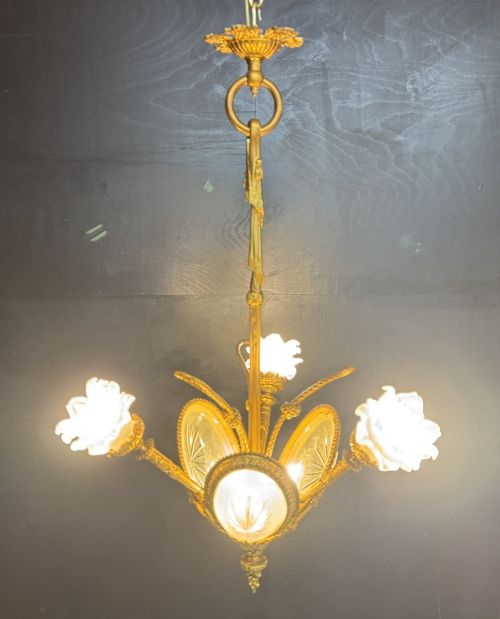
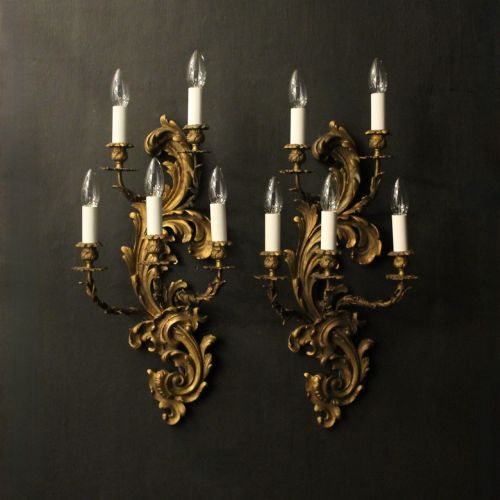
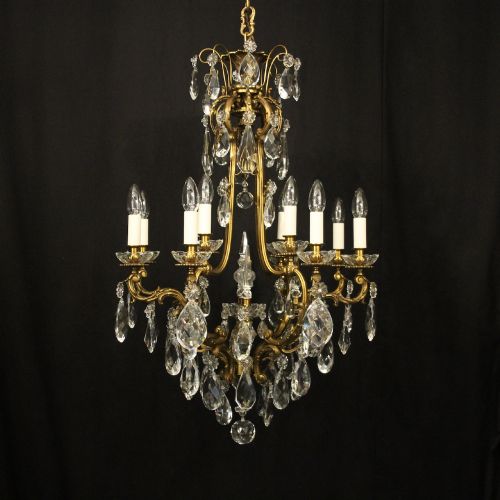
Buyers most frequently encounter pairs of wall lights and multi-light chandeliers utilising gilt bronze or brass components. These domestic fittings often incorporate classical motifs such as winged cherubs, putti, lyres, and intricate foliate scrolls. The selection spans from compact twin-arm wall appliques to large twenty-five light chandeliers hung with cut glass crystals.
How they were made
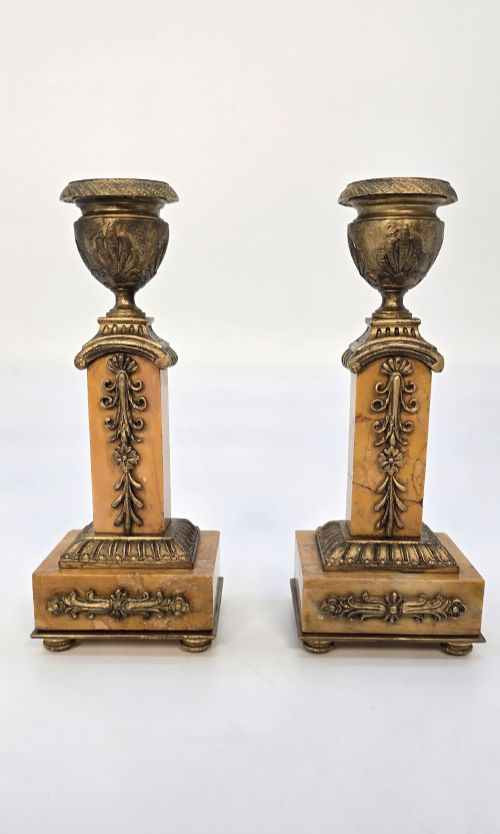
Maker workshops constructed these light fittings using cast bronze, brass, and gilt metals, often combining patinated bronze elements with bright fire-gilt surfaces. Many pieces integrate contrasting materials such as Carrara marble, Sevres style porcelain, fluorspar, and clear crystal drops to enhance visual depth.
Foundries shaped the metal components through traditional casting techniques before applying mercury gilding or modern electroplating methods to achieve the characteristic ormolu finish. Cut glass and crystal elements were hand-faceted and wired together to form the tent and waterfall drops seen on period chandeliers.
Ormolu Style Lighting Retail Price Guide 2026
Typical asking prices for ormolu style lighting among the pieces listed under this phrase on Sellingantiques today, from the lower quarter to the upper quarter. They describe what is for sale here now, not the wider market.
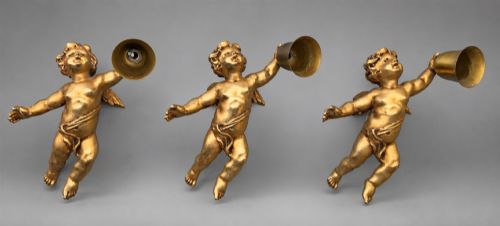
Winged cherubs and putti frequently hang from the arms of these chandeliers, seemingly caught mid-flight above the dining table.
What varies in quality
Quality in these lighting fixtures rests upon the crispness of the metal casting and the depth of the original gilding. Finer examples display sharply chiselled details on figures like putti and acanthus leaves, whereas lesser pieces exhibit softer contours from worn moulds.
The integration of secondary materials also separates the standard productions from exceptional works. The inclusion of heavy cut crystal, fine porcelain inserts, and substantial marble bases distinguishes pieces designed for prominent chateau interiors from simpler domestic alternatives.
Casier·Francois Redmond·Pierre Philippe Thomire·Villeroy and Boch
The Ormolu Style Lighting Glossary
- Ormolu
- A golden-coloured alloy of copper and zinc, or bronze treated with an acid-gold mixture, used to mount decorative objects and light fittings. It provides the characteristic rich metallic lustre seen on French antique hardware.
- Applique
- A wall-mounted lighting fixture designed to hold candles or electric bulbs, directing light outward into a room. These are frequently found in pairs or matching sets of four.
- Candelabra
- A branched candlestick holding multiple lights on distinct arms. Period examples often feature central figural stems flanked by scrollwork branches.
- Chandelier
- A large, branched ceiling-mounted lighting fixture designed to hold numerous light sources. Many nineteenth-century versions incorporate glass waterfalls and crystal drops.
- Patinated bronze
- Bronze that has been chemically treated to alter its surface colour, usually resulting in a dark brown or greenish tone. It provides a striking visual contrast against bright ormolu mountings.
Ormolu Style Lighting: Frequently Asked Questions
How do I clean ormolu lighting?
Gilt bronze surfaces require very gentle dusting with a soft, dry cloth to preserve the fragile metallic finish. Moisture and chemical cleaning agents can strip the historical gilding from the bronze base.
Professional restoration is recommended if deep cleaning becomes necessary. Avoid all abrasive compounds on brass and ormolu components.
Are these antique lights electrified?
Most nineteenth-century wall lights and chandeliers have been adapted for modern electricity during their lifetimes. Original candle-holding sockets are frequently converted to house internal wiring.
Buyers should inspect the internal wiring of each piece upon arrival. Rewiring by a qualified electrician ensures safe operation in contemporary homes.
How do I date an ormolu chandelier?
Dating relies on stylistic clues, casting methods, and material combinations seen across the fixture. Pieces reflecting Louis XVI or Empire revivals often date from the nineteenth century, while simpler forms appeared later.
Examining the construction of the mounting pins, arms, and glass drops provides further chronological context. Comparisons with marked pieces from known workshops help narrow the production era.
Can wall sconces be paired easily?
Matching separate wall lights requires careful attention to scale, casting style, and metal composition. Many period sconces were manufactured in sets of four or in matched pairs.
Mixing distinct pairs in a single room works best when the historical period and metal finish align closely. Ensure the mounting backplates share compatible dimensions for visual balance.