





Ormolu Standing Lamp
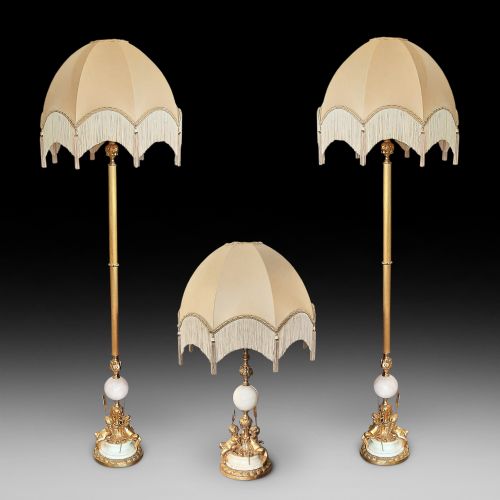
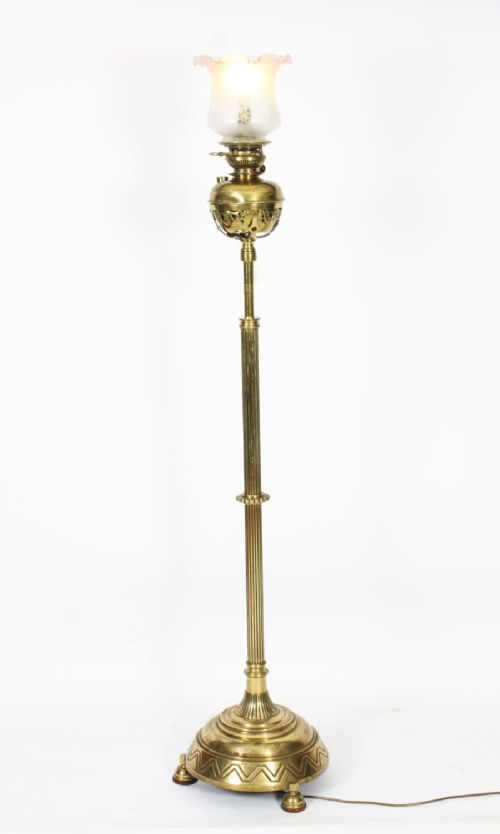
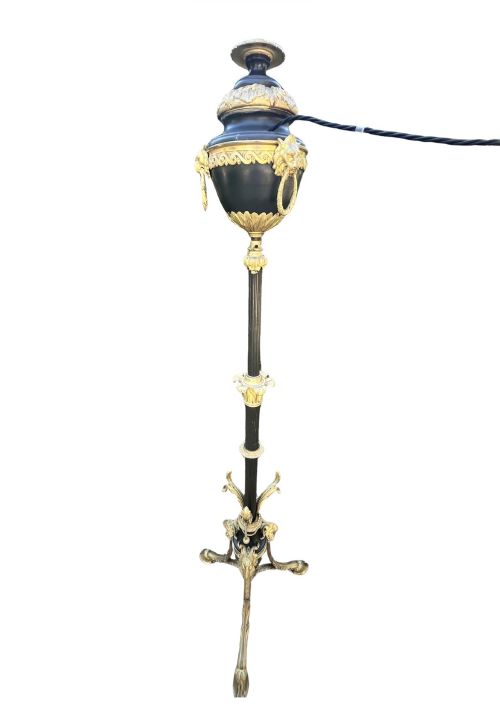
These ormolu standing lamp examples combine gilt metal mounts with timber and marble to anchor a room in period presence.
Ormolu Standing Lamp
When searching for an ormolu standing lamp, buyers encounter floor lamps, standard lamps, and torchieres dating from the nineteenth century through the early twentieth century. These pieces combine vertical stands with gilt bronze mounts, often incorporating materials such as alabaster, marble, and hardwoods.
The most common examples on this page reflect French Louis styles, Neoclassical designs, and Victorian aesthetics. They function primarily as floor-standing illumination or architectural pedestals repurposed for lighting.
Makers and designers of the period looked to classical forms, producing slender columns and mounted standards designed to anchor grand reception rooms.
Materials and construction
The construction relies on cast bronze and brass finished with mercury gilding or modern electroplating to create the characteristic ormolu surface. Artisans mounted these metallic embellishments onto turned wooden standards, carved alabaster, or variegated marble columns.
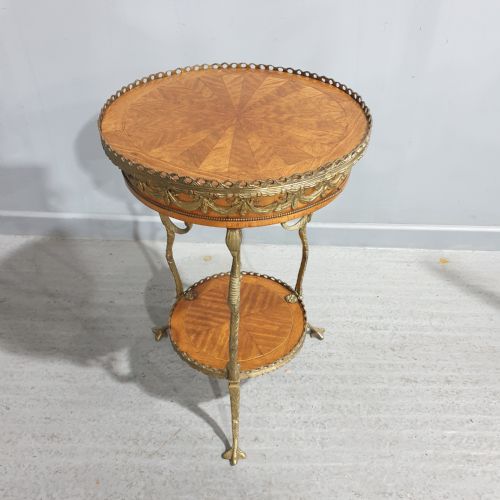
Secondary structural elements incorporate mahogany, walnut, and exotic veneers shaped into marquetry and parquetry patterns. Joinery combines traditional cabinet-making techniques with threaded metal rods to secure heavy stone and bronze components safely.
Ormolu Standing Lamp Retail Price Guide 2026
Typical asking prices for ormolu standing lamp among the pieces listed under this phrase on Sellingantiques today, from the lower quarter to the upper quarter. They describe what is for sale here now, not the wider market.
Current listings feature floor lamps and standard lamps dating from 1850 to 1930, utilising brass, gilt bronze, and mahogany.
Evaluating craftsmanship
Quality rests in the crispness of the bronze chasing and the depth of the fire gilding across the mountings. Finer examples display hand-tooled details on the foliage and scrolls rather than soft, mass-produced cast surfaces.
The choice of base materials also divides the range, with solid alabaster, heavy marbles, and finely figured mahogany marking out the more ambitious commissions.
Coutan·Linke
The Ormolu Standing Lamp Glossary
- Ormolu
- Gilt bronze, typically produced by applying a mercury and gold amalgam to cast bronze before heating to drive off the mercury. This technique leaves a durable, rich golden surface.
- Torchere
- A tall stand or ornamental candlestick originally designed to hold a torch or light source. In later periods, these forms were adapted into standing electric lamps.
- Marquetry
- The art of applying pieces of veneer to a structure to form decorative patterns and pictures. Craftsmen utilised contrasting timbers to create floral or geometric designs.
- Gueridon
- A small French table supported by one or more columns, frequently utilised as a candle stand or occasional piece. Many later standard lamps incorporate gueridon tiers into their design.
Ormolu Standing Lamp: Frequently Asked Questions
How do I wire an antique floor lamp?
Rewiring requires running modern heat-resistant flex through the central channel of the standard while preserving the original brass or bronze components.
Professional electricians ensure the vintage socket and internal weighting meet safety standards without altering the exterior brasswork.
What is the difference between ormolu and gilt brass?
Ormolu specifically describes high-status mercury-gilt bronze from the eighteenth and nineteenth centuries, displaying a deep, warm metallic lustre.
Gilt brass generally refers to a brighter, yellow finish applied over a softer alloy base, commonly found in later Victorian and Edwardian standard lamps.
How do I clean ormolu mounts?
Dust the gilt surfaces gently with a soft, dry artist brush to remove particles settled within the chased recesses of the bronze.
Avoid abrasive metal polishes and harsh chemical solvents, which strip away the historic gold layer and expose the base metal underneath.
Where should I place a standing lamp?
Position these tall standards beside heavy upholstery or in corner spaces where their vertical bronze columns create architectural height.
Keep them away from direct sunlight and moisture to protect the timber veneers and delicate marble or alabaster sections.