





Ormolu Plant Stand
An ormolu plant stand brings French nineteenth-century elegance into a room through gilded bronze mounts and rich marquetry.
Ormolu Plant Stand
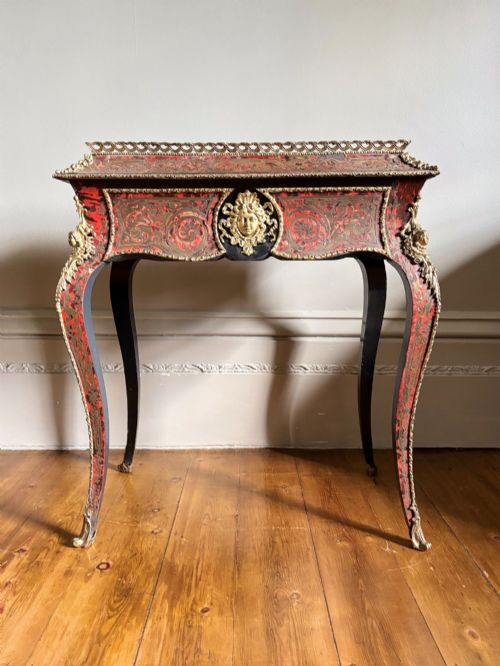
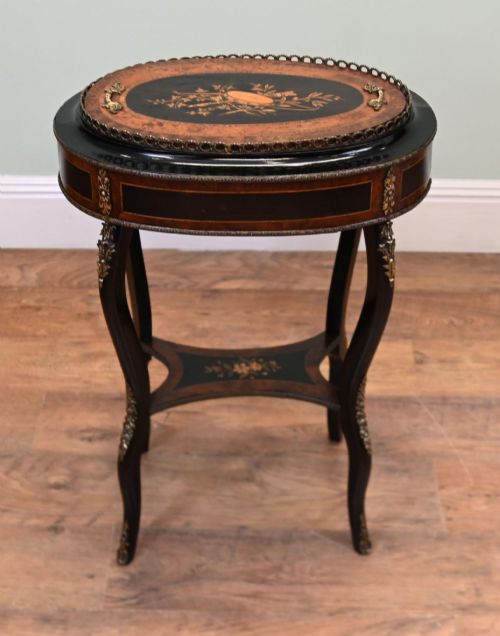
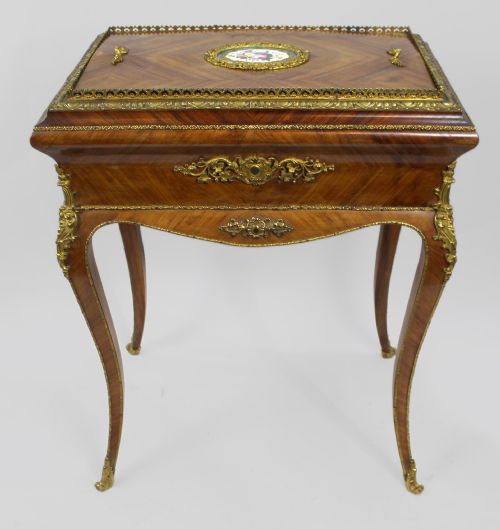
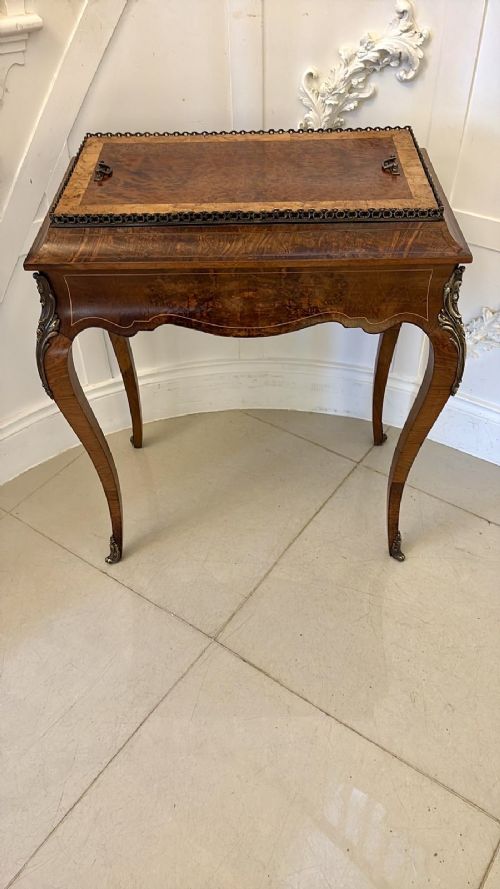
When searching for an ormolu plant stand, buyers encounter a refined category of nineteenth-century French furnishings designed to display flora or decorative objects. These pieces frequently manifest as jardinière tables, pedestals, columns, and occasional tables originating from Victorian and Edwardian periods.
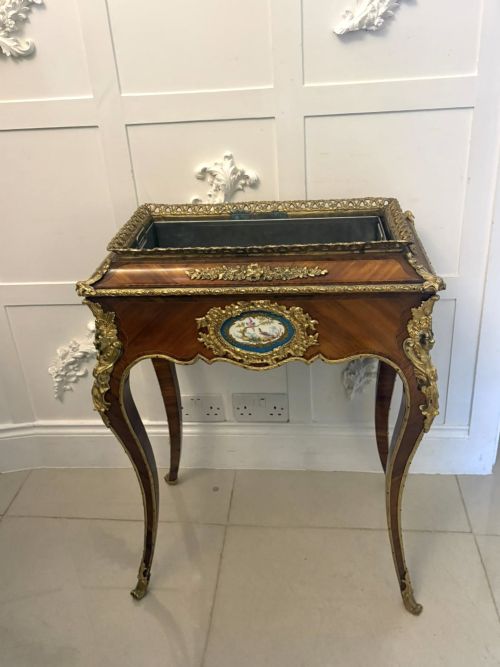
The dominant forms on this page include mahogany, kingwood, and burr walnut planter stands outfitted with metal liners and intricate wood inlays. Makers of the era drew heavily upon Louis XV, Louis XVI, Empire, and Rococo revival styles to shape these decorative supports.
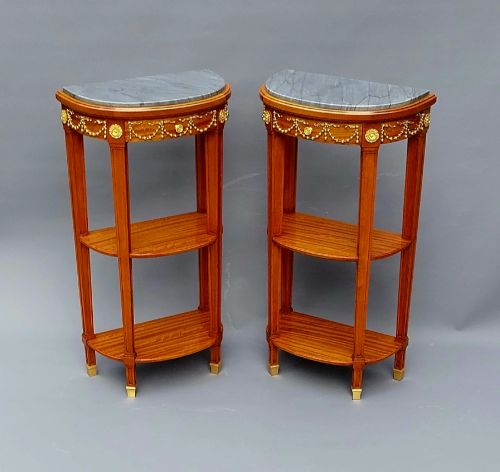
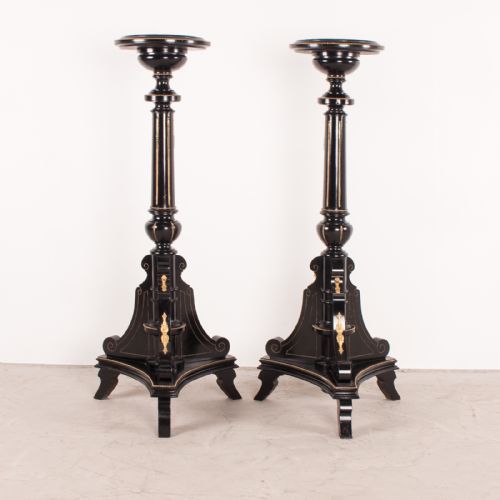
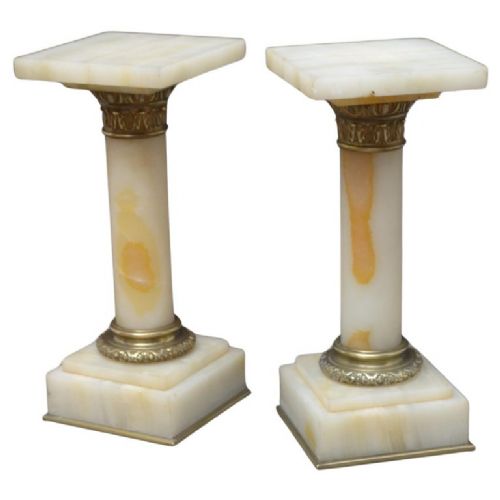
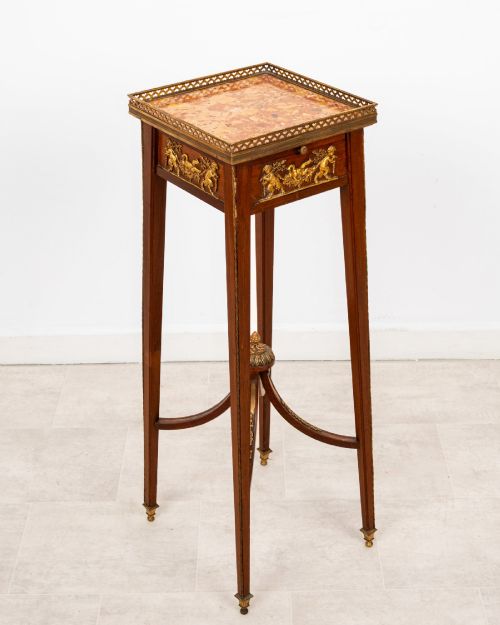
Buyers also find demilune side tables, marble-topped gueridons, and onyx columns embellished with gilt bronze collars. Each variation serves the dual function of furniture and ornamental display within a grand interior scheme.
How they were made
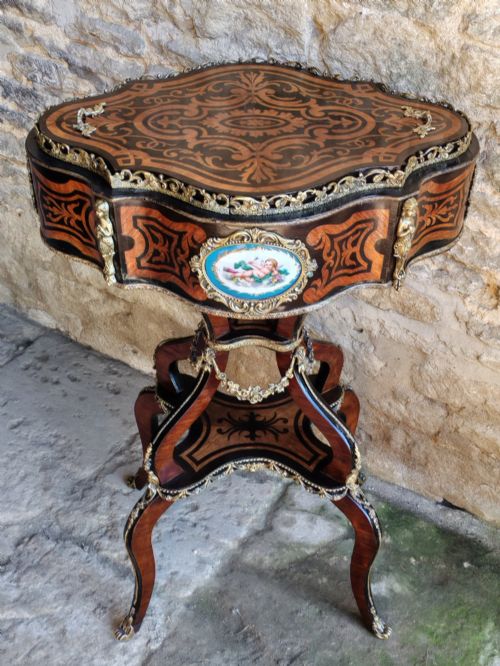
Cabinetmakers constructed these stands using dense hardwoods such as mahogany, satinwood, and walnut, often applying veneers of kingwood or exotic marquetry. Surfaces received intricate brass or ormolu mounts, cast and chased in gilt bronze to accent corners, friezes, and feet.
Many jardinières incorporate inset porcelain plaques and marble tops of rouge or white varieties. Ebonised finishes and vernis martin lacquer techniques further distinguish the French workshop production of the period.
Ormolu Plant Stand Retail Price Guide 2026
Typical asking prices for ormolu plant stand among the pieces listed under this phrase on Sellingantiques today, from the lower quarter to the upper quarter. They describe what is for sale here now, not the wider market.
Listings here feature nineteenth-century French pieces combining ormolu mounts, marble tops, and marquetry in kingwood and walnut.
What varies in quality
The standard of an ormolu plant stand rests upon the crispness of the bronze casting and the depth of the hand-chasing on the gilt mounts. Superior examples exhibit finely detailed floral and scrollwork rather than soft, mass-produced metal edges.
Marquetry and parquetry execution also dictate value, with tightly fitted contrasting wood veneers setting apart finer workshop pieces. The integration of high-grade marble tops and painted porcelain plaques elevates the overall sophistication of the construction.
The Ormolu Plant Stand Glossary
- Ormolu
- Gilt bronze mounts applied to furniture. This technique involves coating cast bronze in a layer of gold amalgam to achieve a bright golden finish.
- Jardinière
- A decorative stand or container for holding plants and flowers. These often feature metal liners to protect the surrounding wood framework from moisture.
- Marquetry
- Decorative veneer patterns assembled from pieces of wood, shell, or ivory. Craftsmen apply these designs to the primary furniture surfaces.
- Torchère
- A tall ornamental stand designed to support a light or a display object. Nineteenth-century versions frequently utilise onyx or carved wood.
Ormolu Plant Stand: Frequently Asked Questions
What is an ormolu plant stand used for?
These stands serve as decorative pedestals or planter tables for displaying potted plants and floral arrangements inside a home. They combine functional water-resistant liners with ornate woodwork and gilt mounts.
During the nineteenth century, affluent households utilised them in drawing rooms and reception spaces to bring botanical elements indoors. Today, collectors employ them to display sculptures, vases, or interior greenery.
How do I identify French revival styles?
French revival pieces incorporate distinct design motifs borrowed from earlier royal reigns such as Louis XV and Louis XVI. Look for asymmetrical curves and naturalistic rococo flourishes on the earlier side, versus strict symmetry and neoclassical columns on the later.
Ormolu mounts, parquetry veneers, and shaped marble tops further signal nineteenth-century interpretations of these classical French aesthetics.
Where should I place a pedestal in a room?
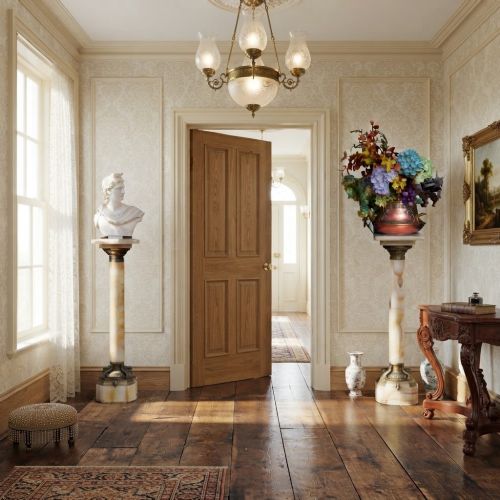
Pedestals and torcheres suit corners, entrance halls, or flanking spaces where vertical height breaks up flat wall expanses. Their narrow footprint allows them to occupy tight areas while displaying objects at eye level.
Placing one in a well-lit corner highlights the detailed grain of woods like satinwood or burr walnut alongside the gilded bronze mounts.
How do I care for antique wood and ormolu?
Preserve the timber surfaces by applying microcrystalline wax sparingly to maintain the natural sheen of mahogany, walnut, or kingwood. Avoid liquid polishes that can seep into veneer seams and loosen historical adhesives.
Clean the ormolu mounts gently with a dry, soft cloth to prevent abrasive wear on the thin layer of fire gilt. Keep these pieces away from direct heat sources and strong sunlight to protect the aged patination.