

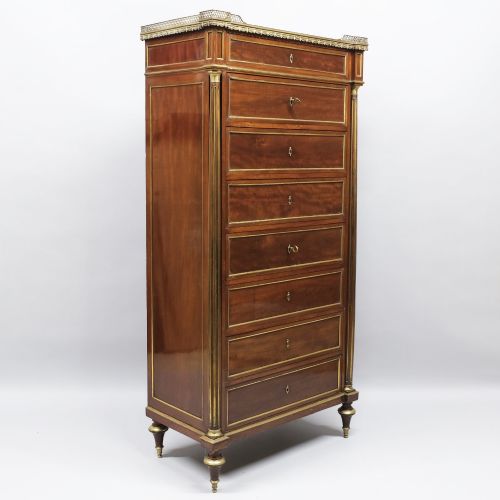
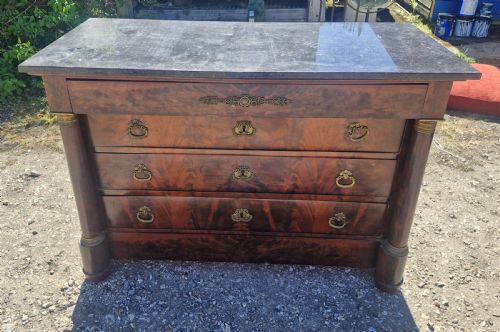


Ormolu Mounted Mahogany Chest
An ormolu mounted mahogany chest brings together rich cabinet timbers and gleaming gilt mounts to anchor a room with architectural weight.
Ormolu Mounted Mahogany Chest
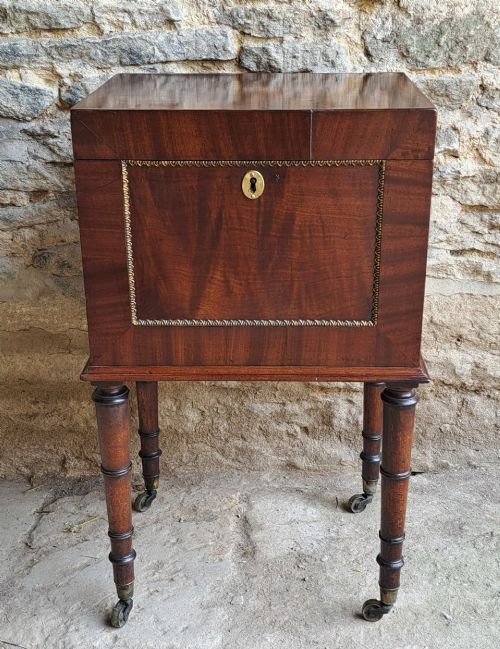
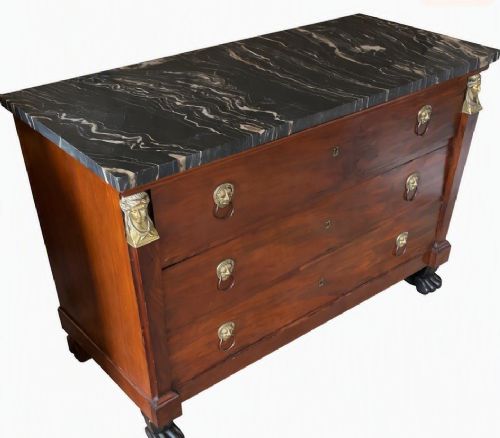
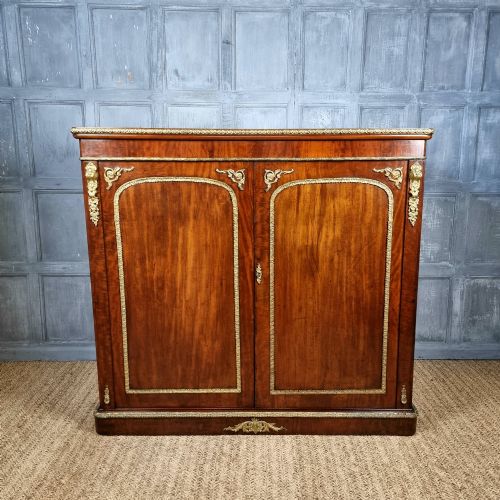
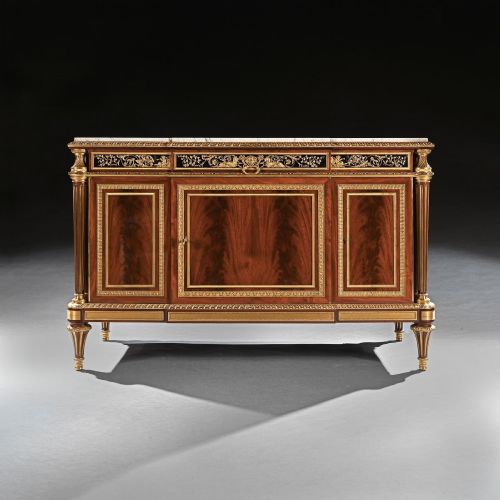
When you search for an ormolu mounted mahogany chest, you encounter substantial case furniture primarily originating from nineteenth-century France and England. These pieces take the form of commodes, tall chests, bedside cabinets, and side cabinets, frequently displaying neoclassical or revival designs. The selection leans heavily towards French Empire and Louis XVI styles, where formal symmetry dictates the layout.
The most common examples on this page are French commodes and drawer chests dating across the nineteenth century, often topped with marble slabs. You will also find specialised storage forms such as semainiers, cartonnier chests, and miniature chests alongside standard drawer configurations. Mahogany serves as the unifying primary timber across these diverse functional types.
How they were made
Cabinetmakers constructed these pieces using solid and veneered mahogany, sometimes incorporating flame mahogany, kingwood, or marquetry and parquetry patterns. Timber carcasses were built to house multiple drawers or enclosed shelving, occasionally paired with fitted marble tops in white or coloured stone. Structural integrity relied on traditional joinery methods suited to heavy case pieces.
Gilt bronze or ormolu mounts were cast and chased by hand before being affixed to the mahogany body to frame drawers, corners, and aprons. Brass and gilt metal elements appear alongside mercury-gilt bronze, providing sharp contrasts against the dark grain of the polished wood. These metal additions required precise fitting to follow the serpentine or straight contours of the commodes.
Ormolu Mounted Mahogany Chest Retail Price Guide 2026
Typical asking prices for ormolu mounted mahogany chest among the pieces listed under this phrase on Sellingantiques today, from the lower quarter to the upper quarter. They describe what is for sale here now, not the wider market.
Design styles span French Empire, Louis XVI, French Neoclassical, and Louis XV Revival periods.
What varies in quality
The crispness and depth of the ormolu chasing separate standard production from exceptional work, as finer metalwork displays sharp detail in the acanthus leaves and classical motifs. The weight and thickness of the gilt bronze mounts indicate the level of craftsmanship invested in the hardware. Lesser examples rely on simplified brass stampings rather than heavily cast and chased bronze.
Timber selection and veneer matching dictate the visual strength of the mahogany surface, with figured grains and precise marquetry laying marking the upper tiers. Structural execution, including the smooth movement of heavy oak-lined drawers and the integration of heavy marble tops, distinguishes standard provincial work from pieces produced by recognised makers.
Henry Dasson·Gillows·Mon Krieger·Weisweiler·Jean-Henri Riesener
The Ormolu Mounted Mahogany Chest Glossary
- Ormolu
- Gilt bronze ornamentation applied to furniture mounts. The technique involves fusing a mercury and gold amalgam to a bronze base through heat.
- Commode
- A low chest of drawers, typically decorative and standing on relatively short legs. French commodes of the nineteenth century often feature marble tops.
- Semainier
- A tall, narrow chest traditionally containing seven drawers, one for each day of the week. These pieces maximise vertical storage space in bedrooms.
- Cartonnier
- A piece of furniture fitted with multiple shallow compartments or drawers designed for holding papers and documents. They frequently appear as part of elite writing furniture suites.
Ormolu Mounted Mahogany Chest: Frequently Asked Questions
Where were most of these chests made?
The vast majority of pieces catalogued here originate from nineteenth-century French workshops, particularly in Paris. Makers adapted earlier neoclassical vocabulary from the reigns of Louis XV and Louis XVI.
English makers are also represented through robust cabinet work from firms like Gillows, though the French influence regarding gilt mounts remains predominant.
Are the marble tops original?
Many nineteenth-century commodes and cabinets were designed and built specifically to carry heavy marble slabs on their upper surfaces. These stone tops provided a durable, cool surface that complemented the polished mahogany and gilt bronze.
Replacement marble tops do occur due to centuries of domestic use, so inspecting the seating of the stone against the timber rebate is standard practice.
How do I care for the ormolu?
Gilt bronze mounts require gentle dusting with a soft, dry brush to prevent the accumulation of grit in the chased recesses. Avoid harsh chemical polishes entirely, as abrasive substances can strip the remaining fire-gilt finish from the bronze base.
Maintenance of the mahogany involves occasional waxing with traditional beeswax to nourish the timber grain without building up sticky layers.
What is the difference between Empire and Louis XVI style?
Louis XVI furniture relies on lighter, rectilinear proportions, straight fluted legs, and restrained classical mounts derived from archaeological discoveries. The aesthetic emphasises grace and symmetry.
French Empire pieces, dating from the early nineteenth century onwards, introduce heavier architectural mass, bolder mahogany veneers, and martial or imperial symbols within the ormolu mounts.