
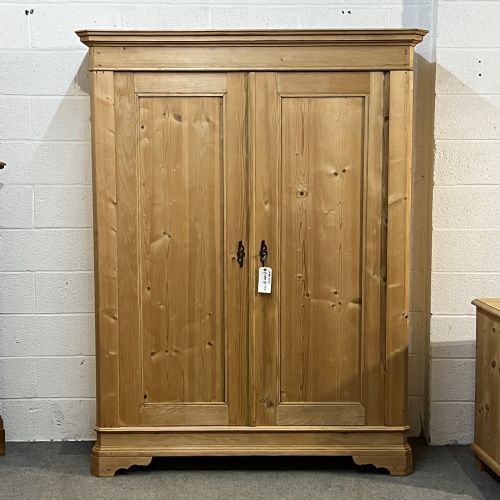
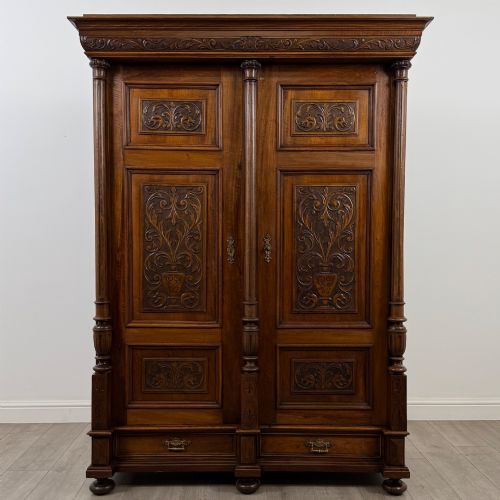
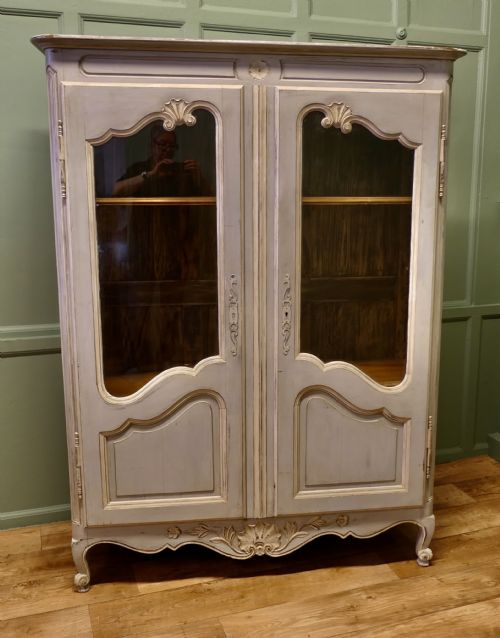
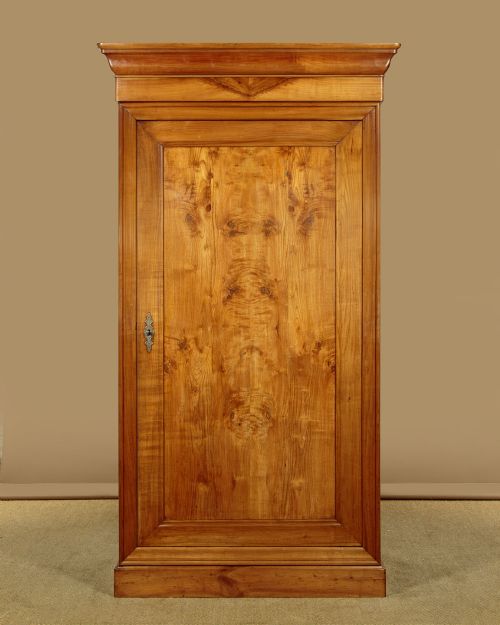
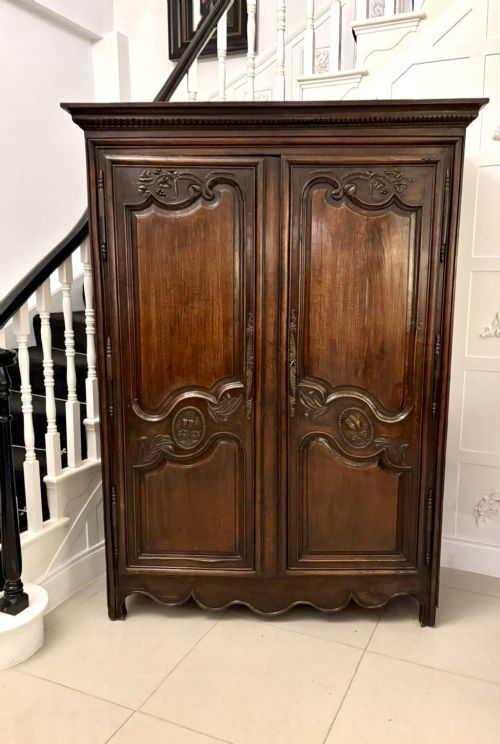
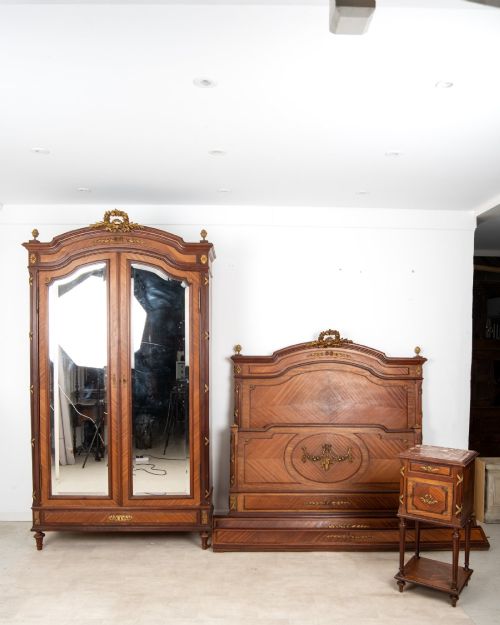
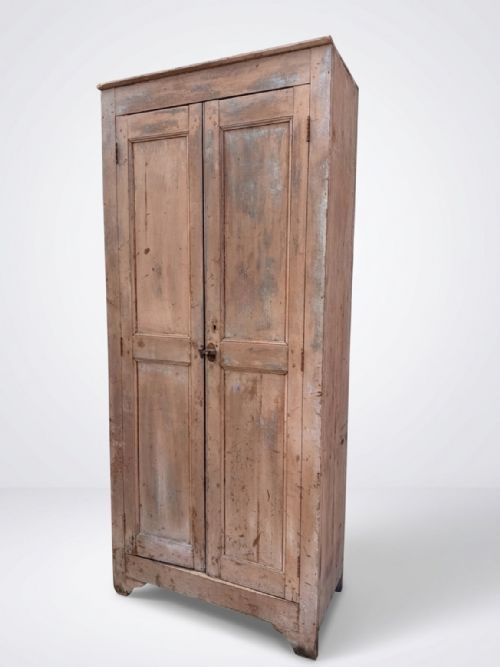
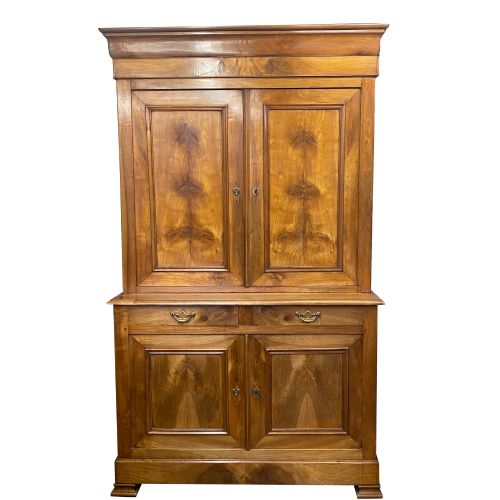
Antique French Armoire Cabinet
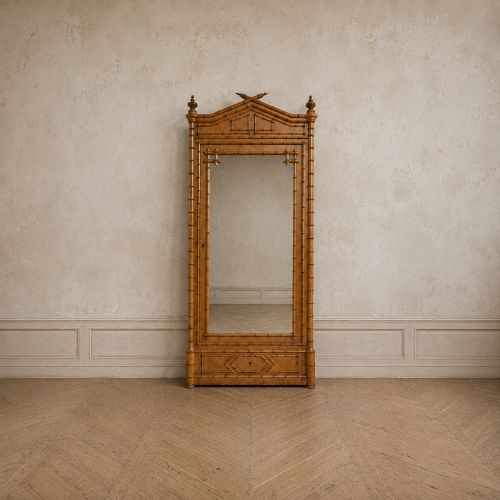
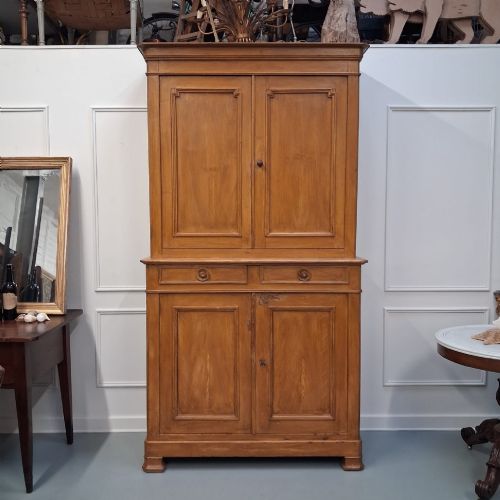
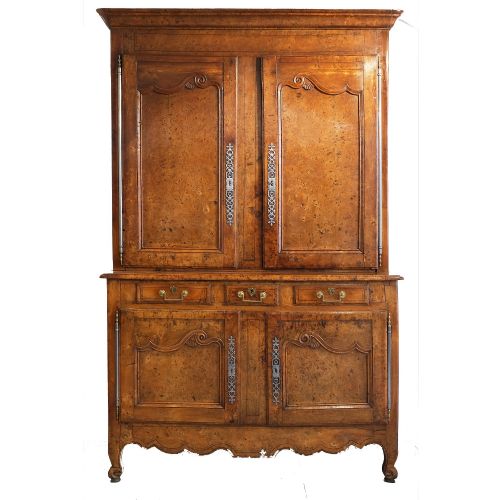
An antique French armoire cabinet provides monumental timber storage, uniting heavy provincial craft with refined urban revival styles.
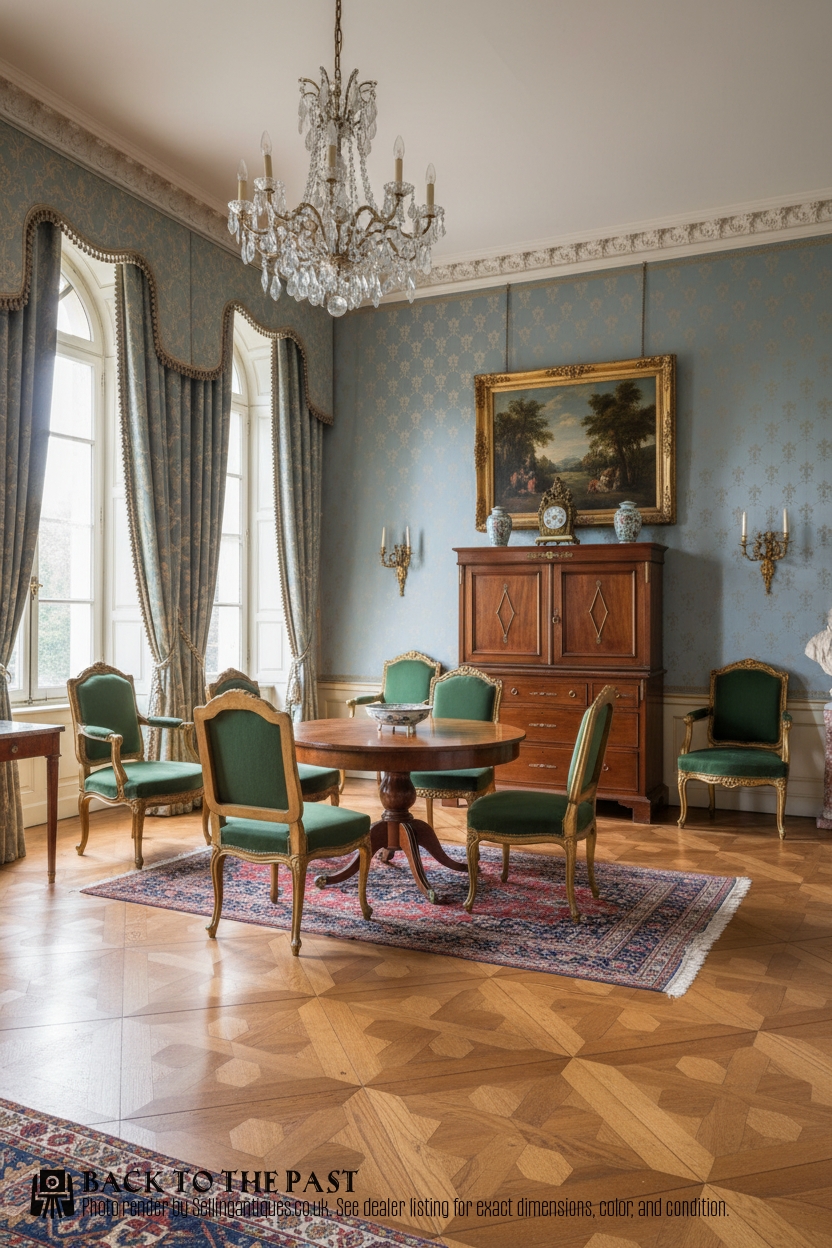
Antique French Armoire Cabinet
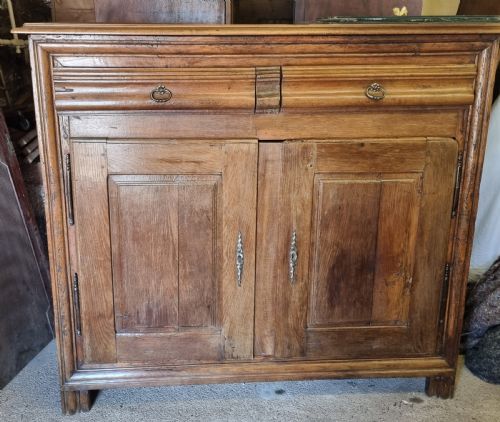
The antique French armoire cabinet search phrase brings together substantial timber storage pieces spanning several centuries of continental design. Buyers encounter regional housekeeper cupboards alongside grander pieces built for urban bedrooms and reception rooms.
The nineteenth century yields the highest volume of surviving examples on this page, particularly walnut and pine wardrobes bearing the marks of provincial workshops or later revival movements.
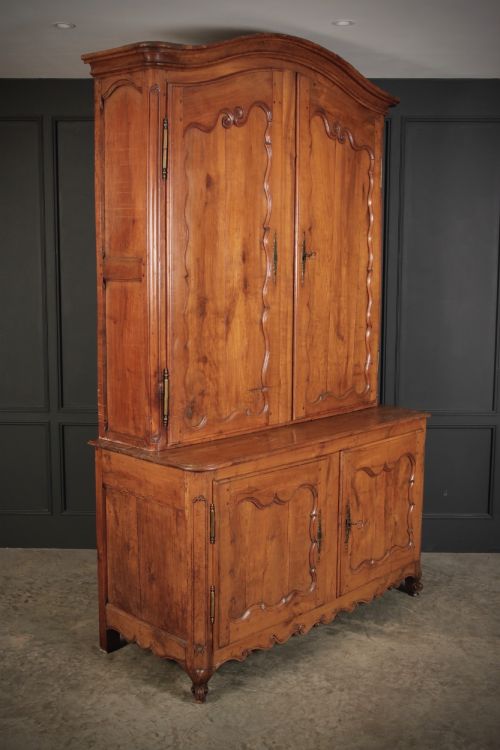
Earlier centuries appear through heavy oak and fruitwood pieces, including two-part buffet deux corps and mountain cupboards constructed for rural domestic use.
Materials and Construction
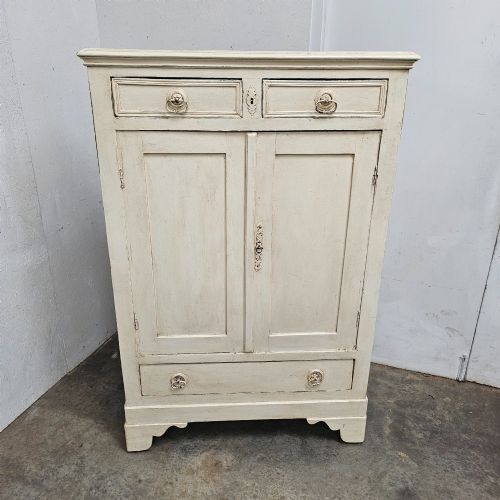
Makers utilised native hardwoods like oak, walnut, cherry, ash, and fruitwood, often selecting dense regional timbers for structural integrity. Pine and pitch pine served both regional vernacular builds and later painted domestic storage.
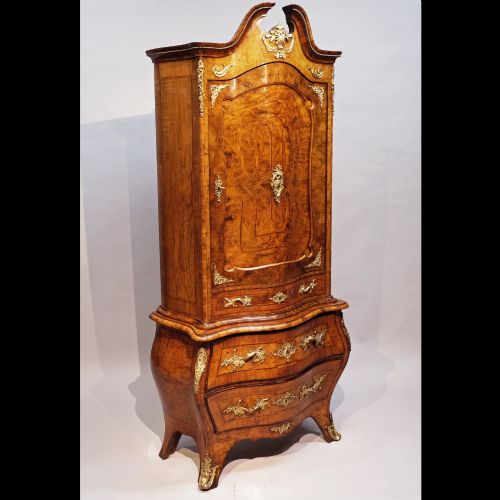
Joinery relied on traditional pegged mortise and tenon frames, accommodating large panel doors that required substantial iron hinges and brass hardware. Decorative enrichment combined deep hand carving with applied ormolu mounts and marquetry details in revival pieces.
Listings span multiple centuries, ranging from sixteenth-century Gothic cupboards to twentieth-century pine cabinets.
Judging the Workmanship
Quality rests on the depth of timber selection and the precision of the primary joinery, separating utilitarian farm furniture from elite cabinetmaker output. Superior examples retain original backboards, internal shelving configurations, and working locks.
The crispness of hand-carved ornamentation or the integration of bronze and ormolu mounts dictates the tier of the piece. Proportion also governs value, as massive architectural forms require balanced cornice work and well-hung doors to succeed aesthetically.
The Antique French Armoire Cabinet Glossary
- Armoire
- A large wardrobe or cupboard, traditionally used for storing garments and household linens. These items form the backbone of tall timber storage on the continent.
- Buffet deux corps
- A two-part storage cupboard featuring a smaller upper section stacked upon a deeper lower base. This regional format often serves as a kitchen or dining room larder.
- Vitrine
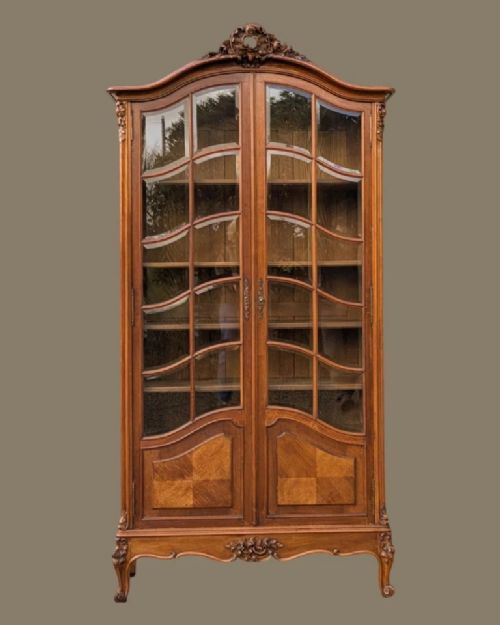
- A glass-fronted cabinet or display case designed for showing ceramics and books. The style frequently incorporates delicate tracery or painted finishes.
- Ormolu
- Gilt bronze mounts applied to furniture for decorative enrichment. Master cabinetmakers utilised this metalwork to accent walnut and mahogany surfaces.
- Marquetry
- Inlaid wood veneers arranged in pictorial or geometric patterns across a cabinet surface. Artisans contrasted lighter exotic timbers against darker walnut grounds.
Antique French Armoire Cabinet: Frequently Asked Questions
How do I fit a large armoire in a modern home?
Many early pieces, particularly two-part units and regional cupboards, are designed to dismantle completely for transport and assembly on site. Check the ceiling height and clearance of the intended room before acquiring a monumental carved oak or walnut wardrobe.
Position the cabinet away from direct heat sources and sunlight to protect historic timbers and applied finishes from drying and splitting over time.
What is the difference between an armoire and a wardrobe?
An armoire is a traditional continental term for a large cupboard with doors, whereas wardrobe specifically denotes a piece configured for hanging garments. In practice, many antique armoires feature converted interiors that accommodate modern clothes rails.
Original layouts often included fixed timber shelves or linen presses, meaning buyers frequently choose whether to retain historic partitioning or adapt the internal space for daily use.
How do I identify a provincial piece?
Provincial pieces display simpler construction methods, local timbers such as fruitwood, cherry, or ash, and regional carving motifs that reflect rural workshop traditions. These items prioritize functional domestic storage over fashionable urban trends.
Urban pieces from the same era typically showcase refined mahogany veneers, exotic inlay, and formal revival styles like Louis XVI or Empire.
How should I care for timber surfaces?
Maintain antique timber by applying a microcrystalline wax polish sparingly to nourish the grain without building up sticky residues. Avoid silicone sprays and harsh chemical cleaners that degrade historic beeswax or french polished surfaces.
Keep the room at a stable relative humidity to prevent the massive oak or walnut panels from warping or shrinking across the seasonal changes.