
Ormolu Mounted Glass Vitrine
An ormolu mounted glass vitrine brings French revival elegance and gilt bronze highlights into a room, designed to showcase porcelain and curiosities behind fine glazing.
Ormolu Mounted Glass Vitrine
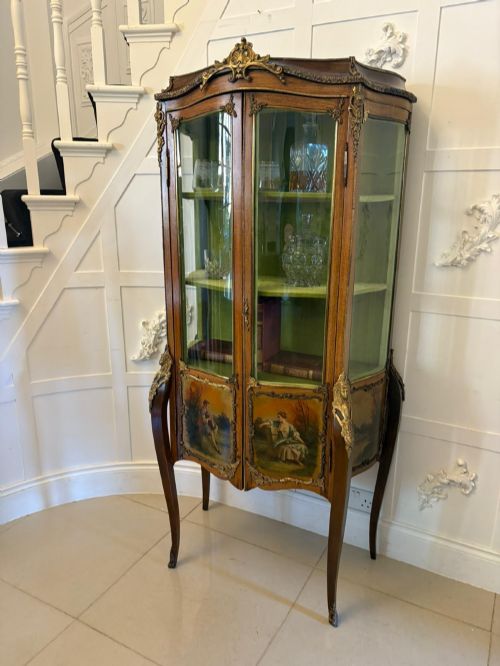
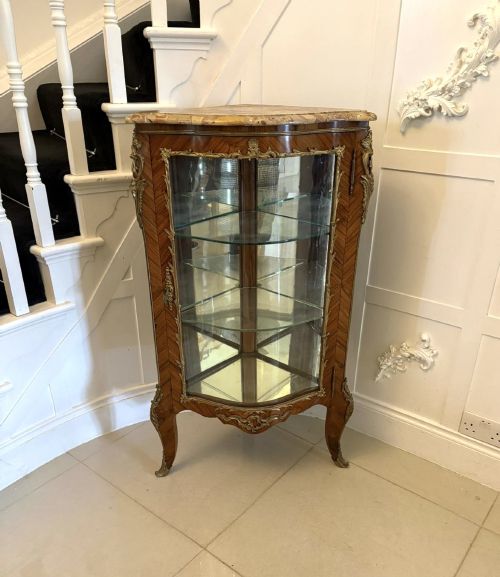
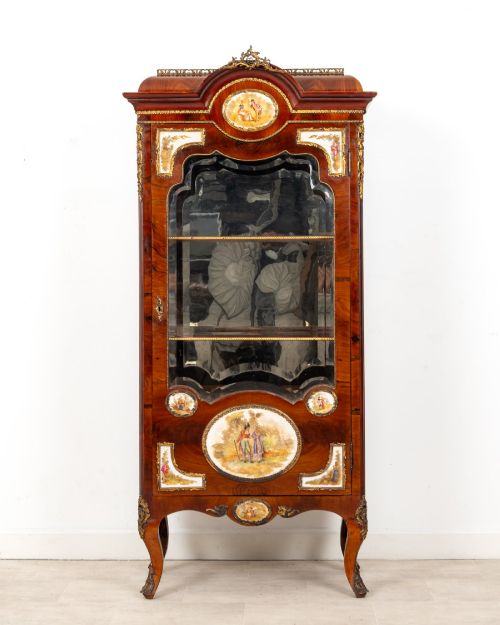
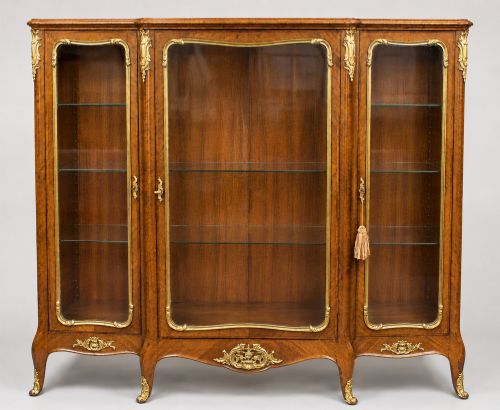
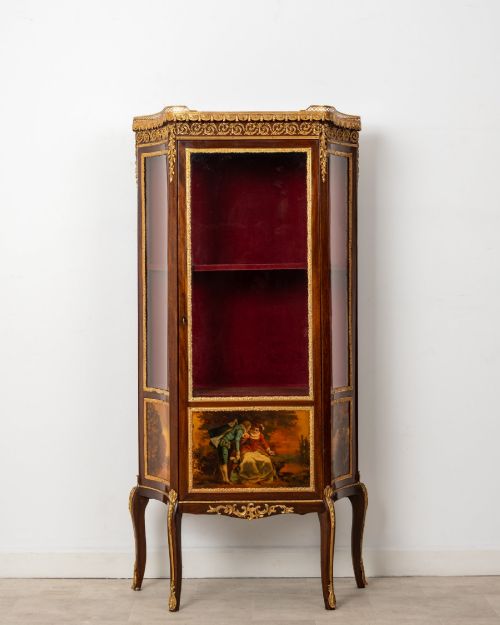
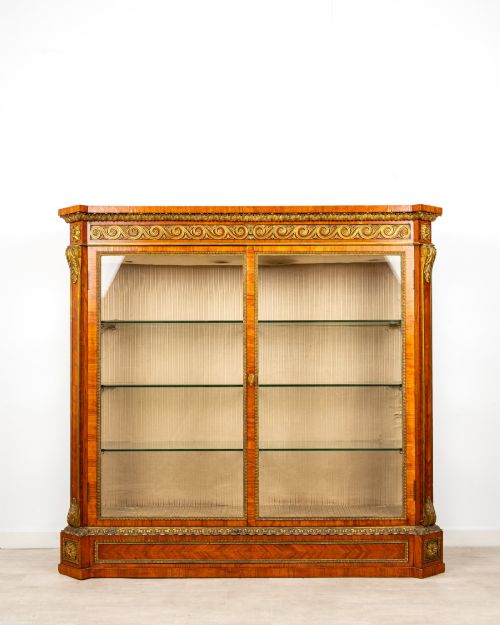
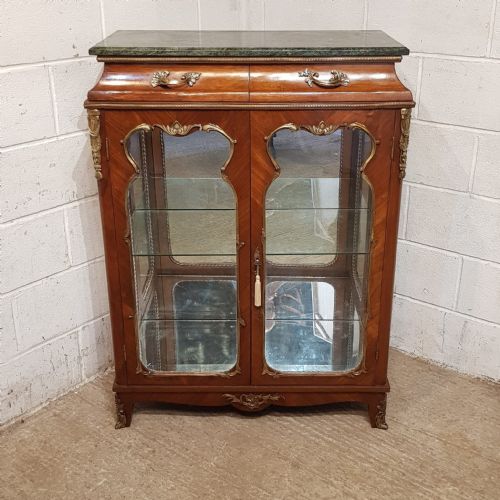
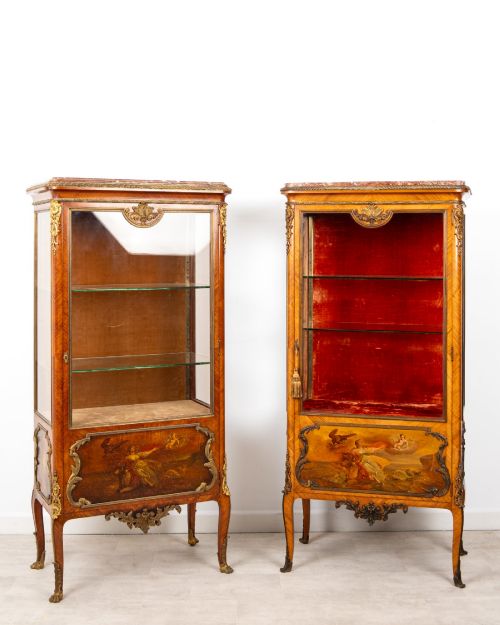
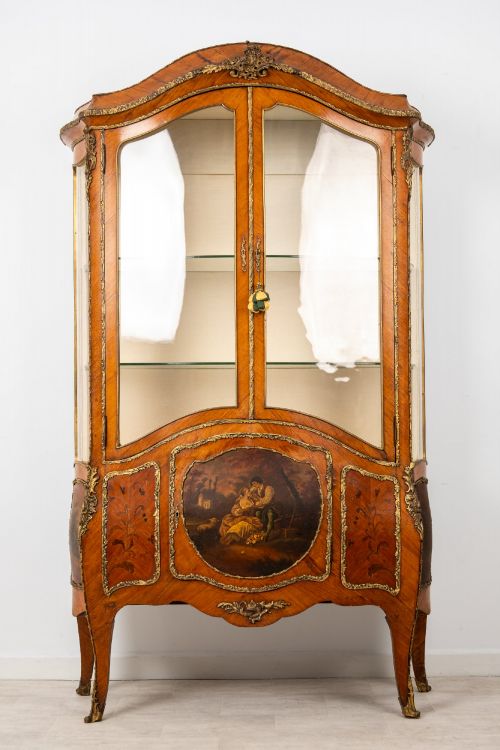
An ormolu mounted glass vitrine stands as a primary piece of display furniture, appearing frequently in Victorian and Edwardian iterations influenced by Louis XV and Louis XVI revivals. These cabinets combine glazed door panels with gilt bronze mounts, functioning as focal points for interior spaces requiring refined object presentation.
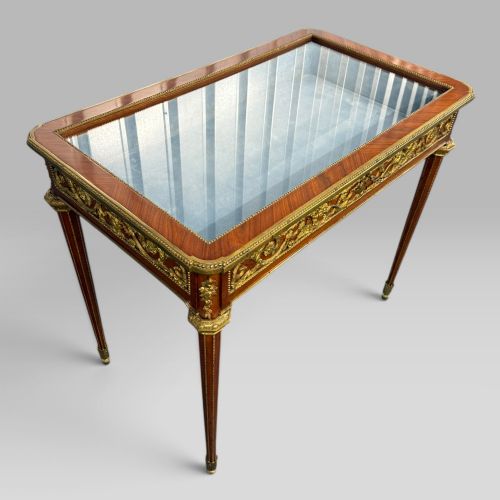
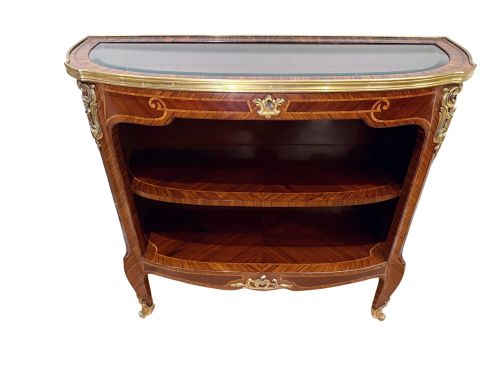
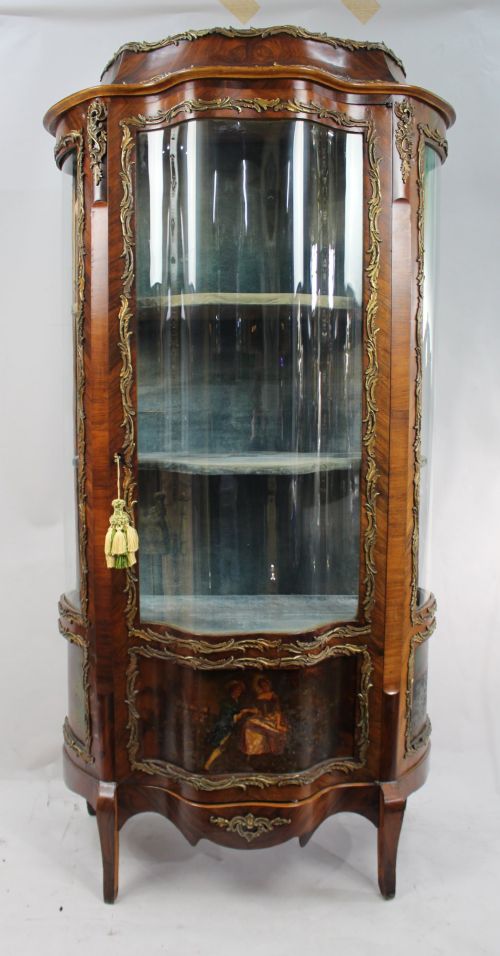
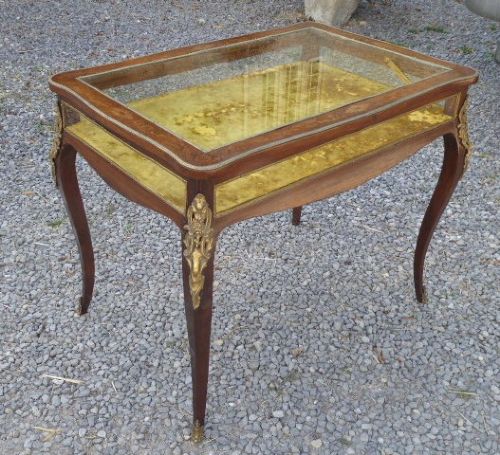
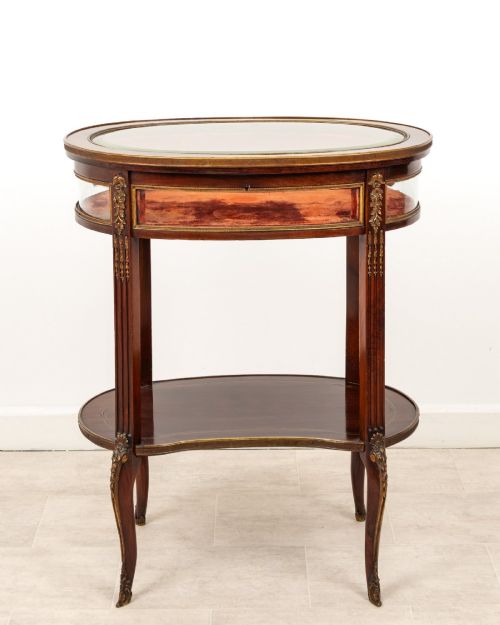
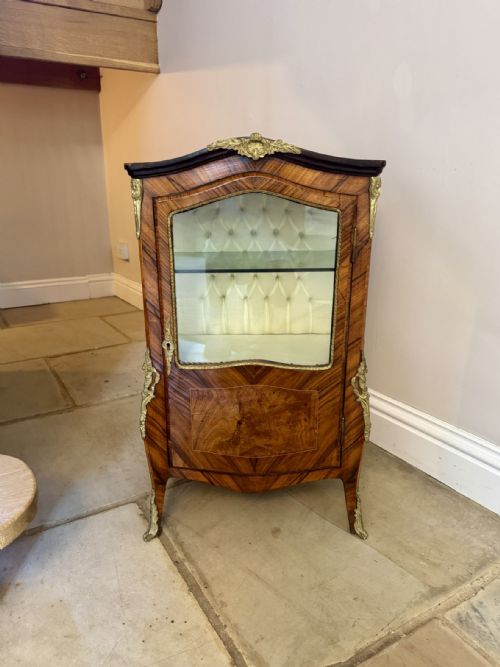
The category encompasses serpentine corner cabinets, freestanding display cabinets, and table-height bijouterie cases designed for smaller collectibles. Walnut, kingwood, and mahogany form the predominant timber carcases supporting the glass and metal components across the nineteenth and early twentieth centuries.
Construction and materials
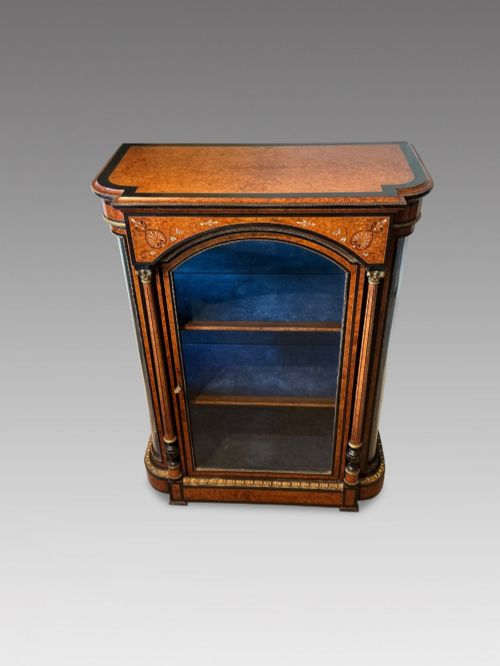
Cabinetmakers constructed these pieces using dense hardwoods like kingwood, walnut, and mahogany, often applying marquetry or Vernis Martin painted panels to the surfaces. Ormolu mounts, cast as gilt bronze or gilt metal, were meticulously chased and secured to corners, feet, and friezes to accent the timber outlines.
Glazing techniques required curved or flat glass panes fitted into timber framing, sometimes supplemented by marble tops in white or coloured varieties. Interior shelving typically featured velvet or fabric linings tailored to cushion delicate porcelain and objets d'art.
Listings feature eighteenth-century revival styles including Louis XV, Louis XVI, and French Rococo, executed in mahogany, kingwood, and walnut.
Gradations in craftsmanship
Quality rests upon the crispness of the ormolu casting and the depth of hand-chasing applied to the gilt bronze mounts, distinguishing workshop pieces from standard commercial production. Heavier, more finely articulated mounts reflect superior fabrication standards associated with notable makers.
The selection of timbers, such as figured kingwood veneers or intricate marquetry patterns, dictates the visual richness of the carcase. Additionally, the integration of curved serpentine glass and original marble tops elevates the construction complexity.
François Linke·H. J. Hatfield and Sons·Paul Sormani
The Ormolu Mounted Glass Vitrine Glossary
- Ormolu
- Gilt bronze or brass mounts applied to furniture, finished through mercury gilding or modern electroplating methods. These decorative elements provide metallic contrast against dark hardwoods.
- Vitrine
- A glass-fronted cabinet designed for displaying porcelain, silver, and curiosities. The term derives from the French word for glass.
- Vernis Martin
- A type of simulated Japanese lacquer developed in eighteenth-century France, featuring painted pastoral or romantic scenes under clear varnish. It appears frequently on revival display cabinets.
- Bijouterie table
- A shallow glass-topped display table intended for jewellery, medals, and small trinkets. These tables often feature hinged lids and velvet interiors.
- Marquetry
- Inlaid wood veneers arranged in geometric or floral patterns across the surface of a cabinet. Craftsmen utilise contrasting timbers to create pictorial designs.
Ormolu Mounted Glass Vitrine: Frequently Asked Questions
What is an ormolu mounted glass vitrine?
An ormolu mounted glass vitrine is a display cabinet featuring glazed panels and gilt bronze or brass decorative mounts. These pieces were developed primarily in nineteenth-century France and Britain during revival periods.
Cabinetmakers utilised hardwoods like kingwood and walnut to frame the glass, creating secure enclosures for displaying porcelain, silver, and other valuable collectibles within formal rooms.
How were these cabinets used?
These cabinets served to display precious objects, family collections, and delicate ceramics away from dust and damage. The glass panels and mirrored interiors allowed light to circulate around the items.
Drawing rooms and reception spaces housed these pieces to demonstrate the owner's taste and sophistication to visiting guests through curated displays of small treasures.
How do I distinguish Louis XV and Louis XVI styles?
Louis XV revival pieces feature sweeping serpentine lines, asymmetric ormolu mounts, and naturalistic rococo curves. The overall silhouette appears flowing and organic.
Louis XVI style emphasises neoclassical symmetry, straight fluted legs, and geometric or rectangular proportions with crisp architectural mounts and urn motifs.
Where should I place a vitrine?
A vitrine requires a stable environment away from direct sunlight, which can fade interior velvet linings and delicate painted panels. Placing the cabinet against an interior wall protects the timber from extreme temperature fluctuations.
Ensure the floor is level so the doors and glass panels align properly within their frames during everyday use.