



Ormolu Desk Stand
An ormolu desk stand brings the heavy, polished glamour of nineteenth-century writing furniture straight onto your desktop.
Ormolu Desk Stand
When you search for an ormolu desk stand, you are looking at substantial writing accessories made primarily during the nineteenth century. These pieces usually combine gilt metalwork with heavy stone bases designed to hold inkwells, pens, and paper.
The version you are most likely to meet on this page is a French nineteenth-century model, often featuring a marble or onyx base paired with cast gilt bronze or ormolu mounts. Many examples incorporate inkwells or candlestands as part of their fitted layout.
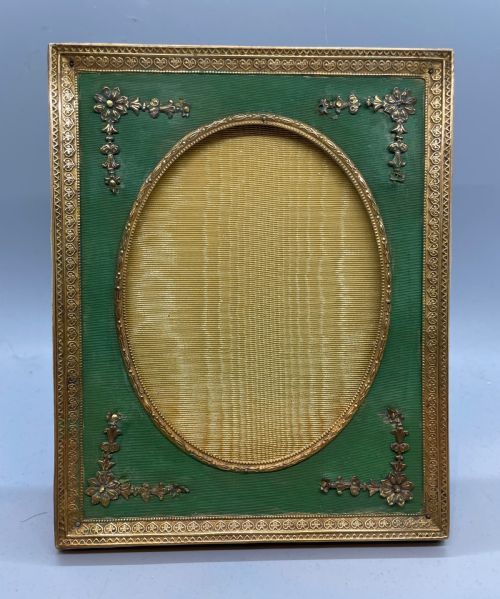
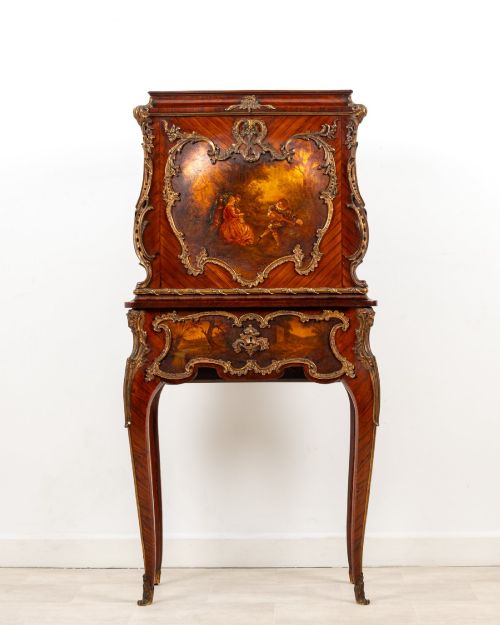
Alongside dedicated inkstands, the selection includes related tabletop accessories and writing cabinets decorated with similar gilt mounts. These pieces reflect revival styles such as Louis XV and French Empire, alongside later Victorian and Edwardian productions.
How they were made
Maker's workshops built these stands by combining cast bronze or brass with natural materials like marble, onyx, kingwood, and coromandel. The metal components received a fine gold gilt finish, known as ormolu, which gave the bronze a bright, warm sheen.
Foundries cast the decorative mounts in intricate shapes such as lions, cherubs, and scrolling foliage before chasing the surface details by hand. Artisans then mounted these heavy metal elements securely onto fitted stone bases or wooden desk bodies.
Ormolu Desk Stand Retail Price Guide 2026
Typical asking prices for ormolu desk stand among the pieces listed under this phrase on Sellingantiques today, from the lower quarter to the upper quarter. They describe what is for sale here now, not the wider market.
Watch for detailed cast dragonflies and cherubs sharing desk space with miniature busts of Napoleon.
What varies in quality
The choice of base material also separates standard examples from exceptional ones. Solid variegated marbles, rich exotic woods like kingwood, and the inclusion of signed components by known makers elevate a piece above simpler brass and glass configurations.
Albert Marionnet·Marti
The Ormolu Desk Stand Glossary
- Ormolu
- A method of applying finely ground high-karat gold to a bronze object, creating a rich golden surface finish. This technique was widely utilised by nineteenth-century French metalworkers.
- Gilt bronze
- Copper alloy treated with a gold coating, functionally similar to ormolu. It provides the bright metallic lustre seen across many inkstands and desk sets.
- Secrétaire à abattant
- A tall writing cabinet featuring a drop-front desk flap concealing pigeonholes and small drawers. These pieces frequently display heavy ormolu mounts.
- Étagère
- An open tiered piece of furniture used for displaying small objects on a tabletop. Examples often incorporate inlaid timbers and gilt bronze mounts.
- Inkstand
- A fitted desk tray designed to hold inkwells, pen holders, and sometimes a sander or bell. They form the core of the desk stand category.
Ormolu Desk Stand: Frequently Asked Questions
What is an ormolu desk stand used for?
These stands served as the central writing accessory on nineteenth-century desks, holding inkwells for dip pens and providing a stable tray for writing implements.
Today, they function primarily as decorative tabletop pieces or functional ink stands for traditional desk setups.
How do I date an ormolu desk stand?
Dating relies on stylistic clues, such as the heavy use of French Empire or Louis XV revival motifs popular during the mid-nineteenth century. Material choices like variegated marble bases and specific bronze casting techniques also point to the Victorian era.
Examining the underside, construction screws, and any maker stamps helps narrow down the period of manufacture.
What materials are used in these stands?
The primary materials include cast bronze with a gold gilt finish, known as ormolu, mounted onto heavy stone bases like marble or onyx.
Some pieces incorporate exotic woods such as kingwood, coromandel, and mahogany, occasionally accented with glass inkwells or paste stones.
How do I care for ormolu and marble?
Maintenance requires gentle dusting with a soft, dry cloth to prevent dirt buildup on the delicate gilt bronze surfaces. Harsh chemical cleaners must be avoided, as they can strip the gold finish from the bronze.
Marble bases can be wiped clean with a damp cloth and mild soap, ensuring the stone dries completely afterwards.