


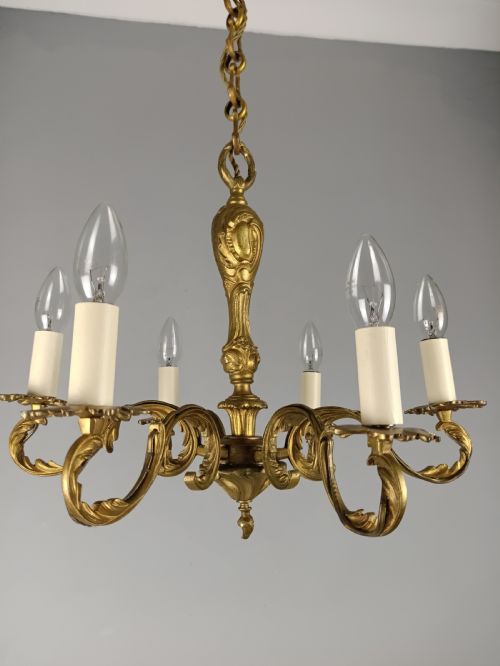

Ormolu Ceiling Light Fixture
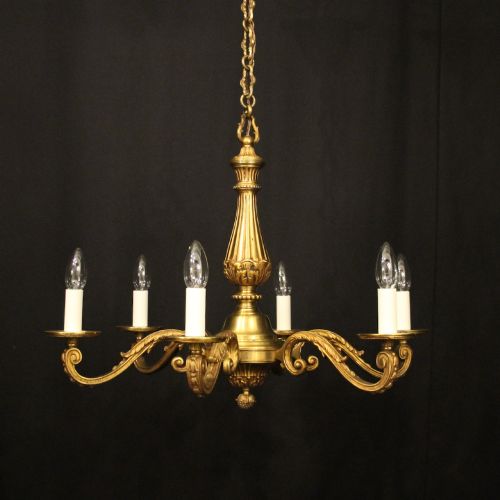
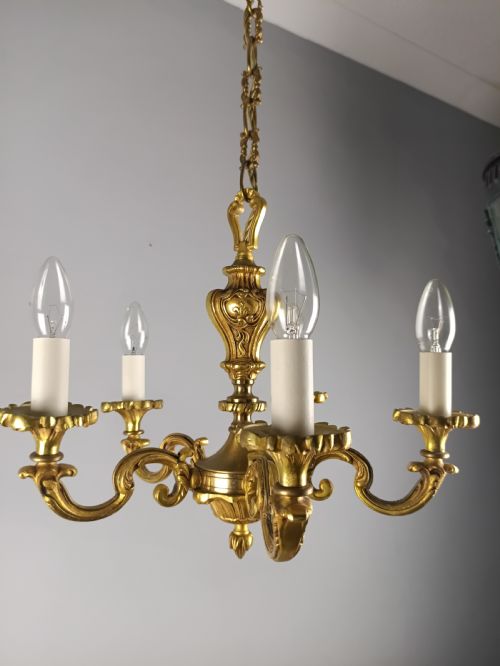
An ormolu ceiling light fixture brings heavy French grandeur to a room, cast in gilt bronze and hung with crystal.
Ormolu Ceiling Light Fixture
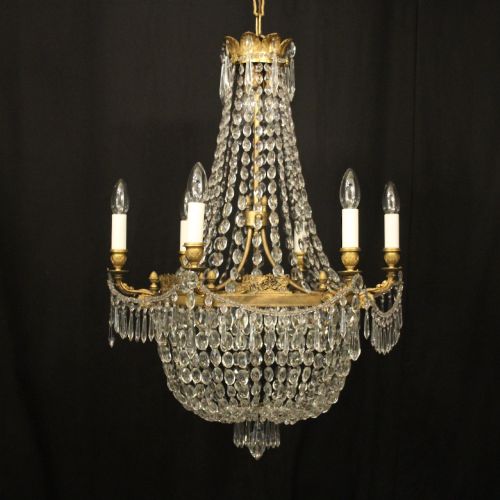
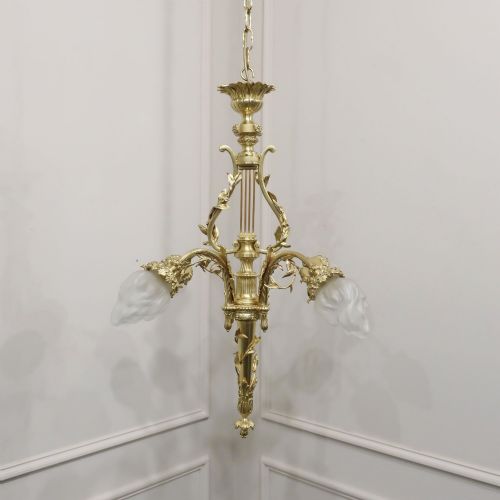
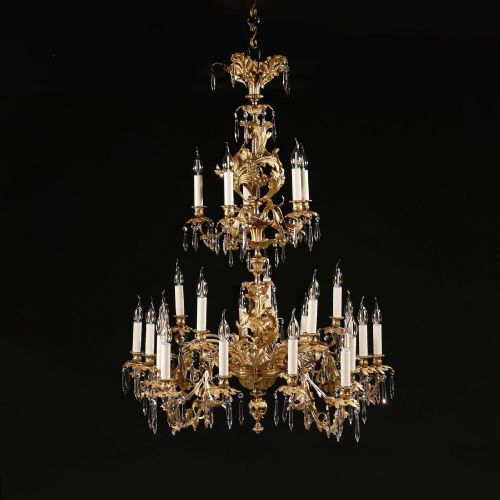
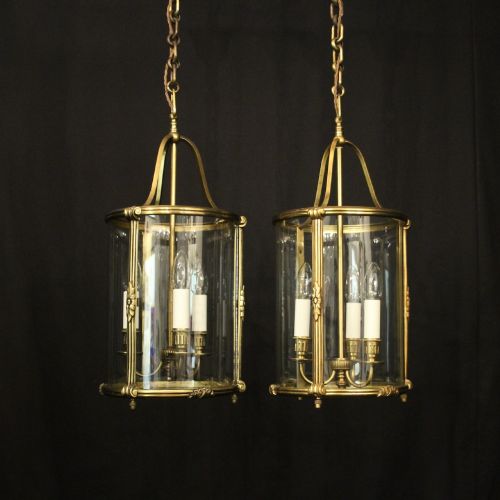
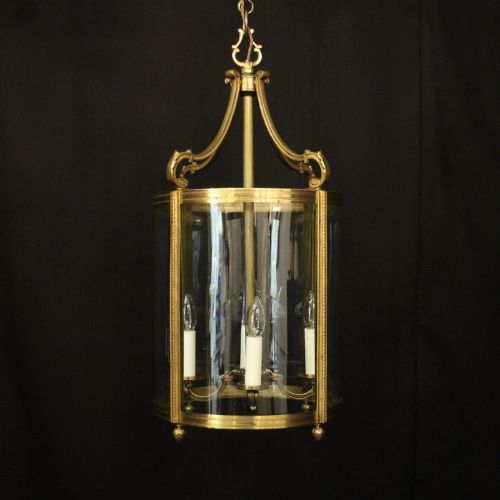
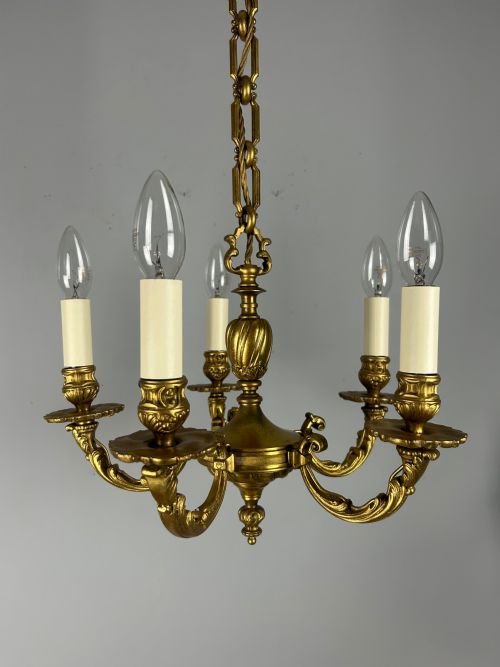
An ormolu ceiling light fixture encompasses elaborate chandeliers, hall lanterns, and plafonniers originating mostly from France during the nineteenth and early twentieth centuries. These fixtures range from intimate five-light configurations to massive double-tiered installations holding up to twenty-five lights.
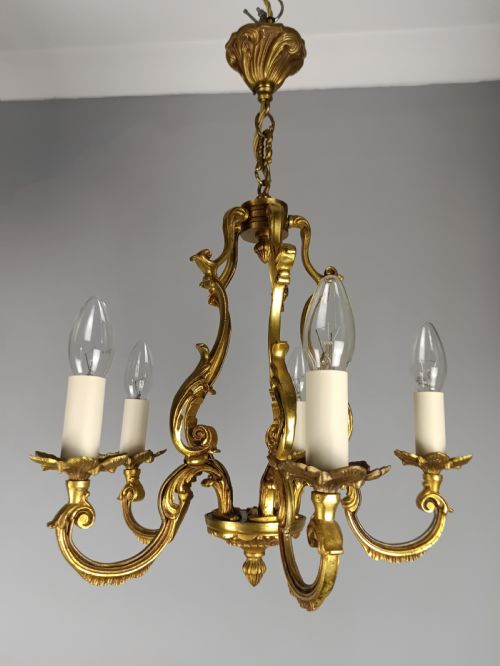
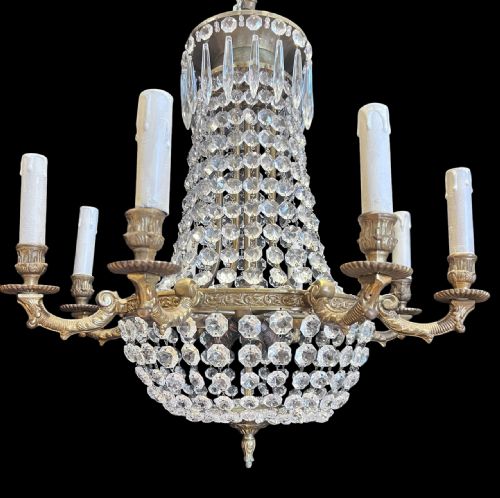
The selections here lean heavily toward French design vocabularies, including Rococo, Neoclassical, Empire, and Louis XVI styles. Buyers frequently encounter cage, birdcage, and tent-and-waterfall chandeliers embellished with cut glass drops.
Materials and Construction
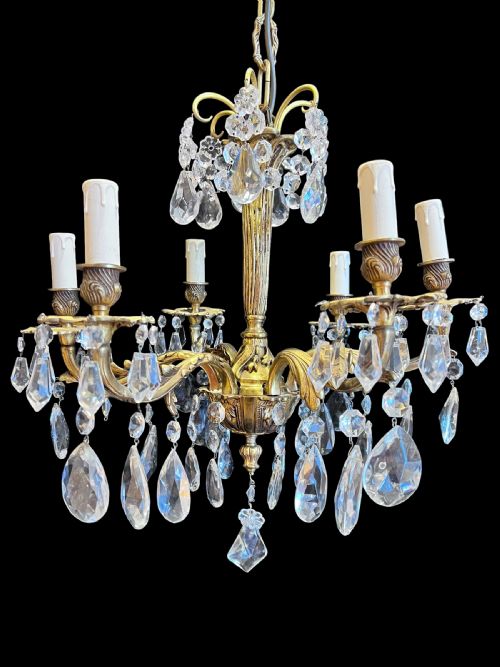
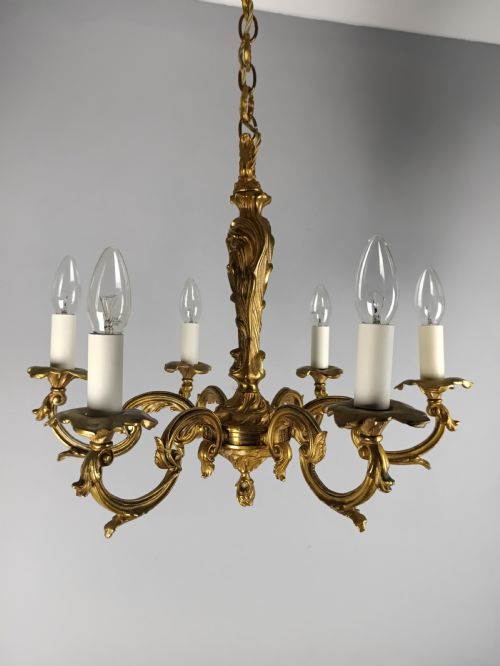
These fixtures are constructed primarily from cast bronze, brass, and gilt metals finished with applied ormolu or gilding. Metalwork forms the structural chassis, shaping arms, bands, and decorative motifs such as cherubs, lyres, and scrolling foliage.
Cut glass and crystal elements are integrated to refract illumination from multiple bulb branches. Drop pendants and cascading crystals attach directly to the metal frames to complete the classic silhouette.
Listings span periods from the late nineteenth century through the 1930s, featuring materials such as gilt bronze, brass, cut glass, and crystal.
Craftsmanship and Proportion
The caliber of an ormolu ceiling light fixture depends on the crispness of the bronze casting and the depth of the mercury gilding or ormolu finish. Superior pieces exhibit finely chased details in the metalwork that retain sharp relief rather than soft contours.
Structural harmony also dictates quality, particularly in multi-tiered or crystal-laden designs where balance and the precise integration of cut glass drops determine the visual weight of the fixture.
The Ormolu Ceiling Light Fixture Glossary
- Ormolu
- A metallic technique involving the application of a finely ground, high-karat gold-mercury amalgam to bronze. This historical process yields a warm, durable surface lustre distinct from modern electroplating.
- Plaffonier
- A ceiling-mounted lighting fixture sitting flush or close to the ceiling surface rather than suspended on a long chain. It typically pairs a gilt metal frame with glass panels or cut crystals.
- Chandelier
- A branched ornamental light fixture designed to be suspended from the ceiling. These pieces hold multiple light sources arranged across single or double tiers.
- Hall Lantern
- An enclosed hanging light fixture often glazed with glass panels within a decorative metal framework. They were traditionally positioned in entrance halls and corridors.
- Cut Glass
- Glass shaped and faceted by grinding and polishing wheels to enhance light refraction. In these fixtures, cut glass drops and beads hang from the metal armature.
Ormolu Ceiling Light Fixture: Frequently Asked Questions
How do I hang a heavy bronze chandelier?
Installation requires anchoring directly into ceiling joists or securing a heavy-duty ceiling box capable of supporting substantial bronze and crystal weight.
Professional electrical assistance ensures the wiring safely accommodates the multi-light capacity of these antique fixtures.
What rooms suit an empire style chandelier?
Empire and Neoclassical fixtures suit high-ceilinged formal spaces, dining rooms, and grand entrance halls where their vertical proportions command attention.
Rooms with classical architectural details provide a natural complement to the symmetrical bronze and crystal forms.
How do I clean cut glass drops?
Crystal elements require gentle cleaning with a mild solution of warm water and appropriate glass cleaner while attached, or removal for individual washing.
Harsh chemical abrasives should be avoided to protect the surrounding ormolu and gilt surfaces from damage.
How do I identify a rococo revival piece?
Rococo revival lighting displays asymmetrical scrollwork, naturalistic floral motifs, and flowing organic curves inspired by eighteenth-century French design.
Branches twist fluidly outward from a central stem without strict geometric symmetry.