



Ormolu Bronze Candle Stands
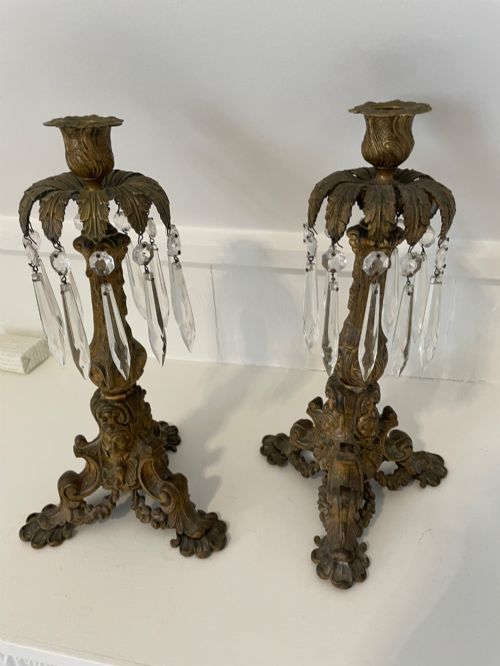
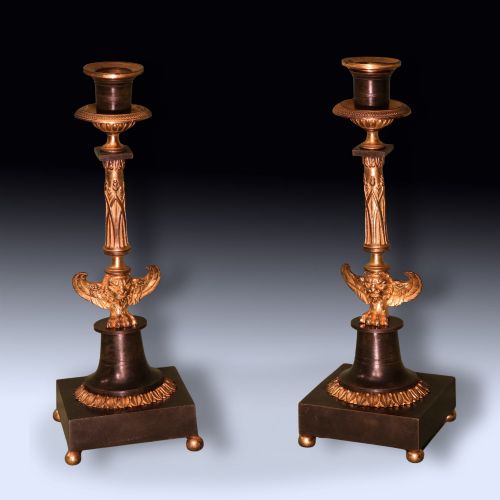
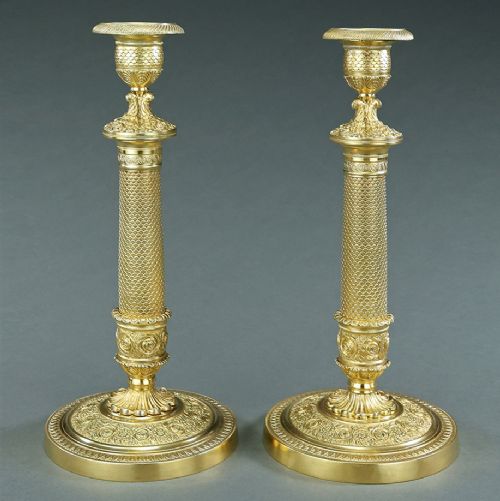
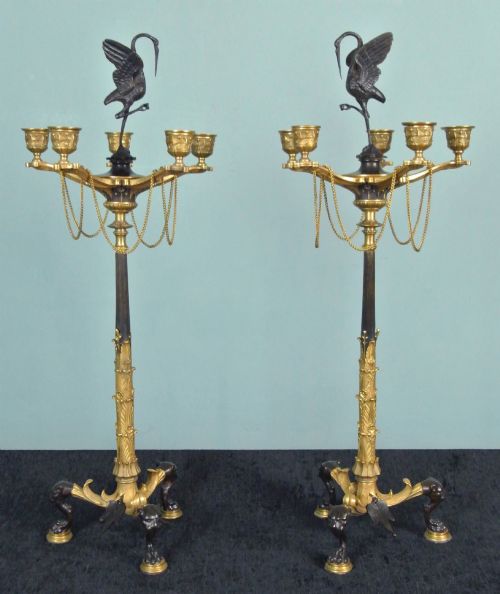
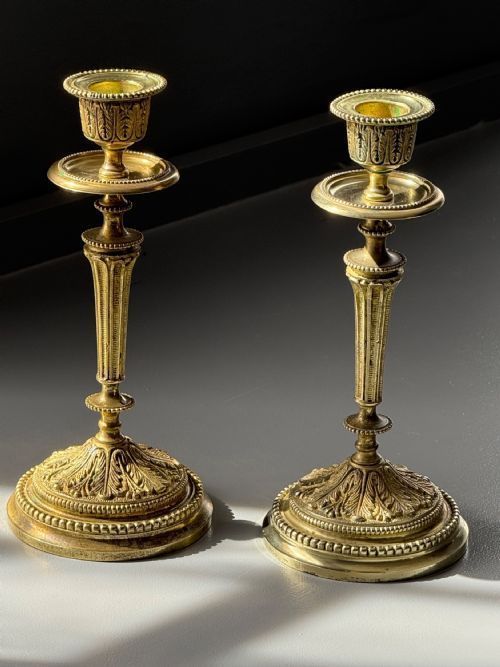
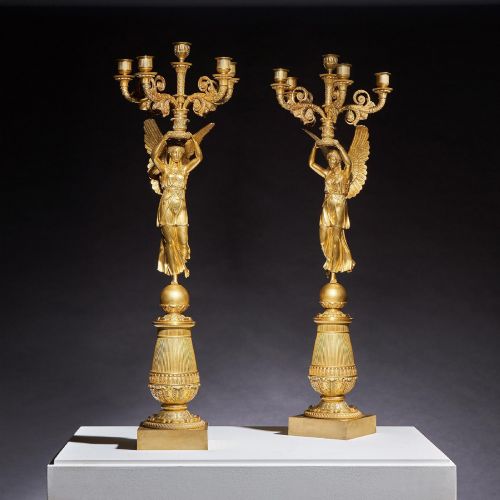
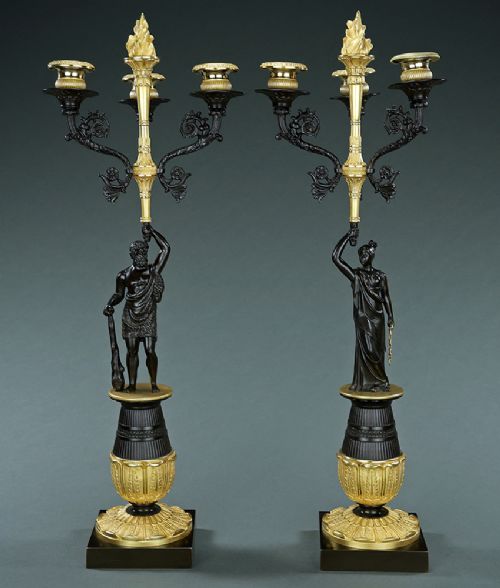
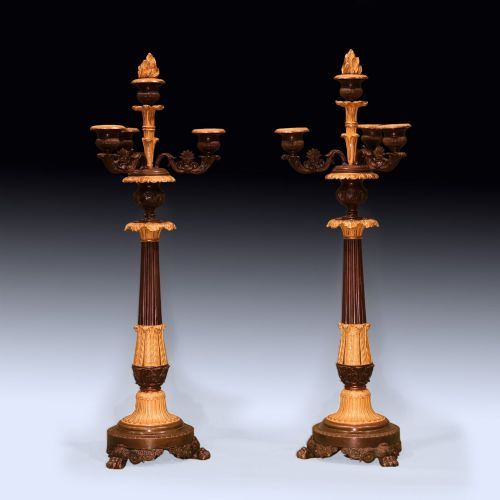
These ormolu bronze candle stands combine gilt metal and dark cast figures to bring sculptural warmth and period weight to a room.
Ormolu Bronze Candle Stands
These items include candlesticks, multi-branched candelabra, and small pedestals designed to hold light or display objects in domestic settings. When you search for ormolu bronze candle stands, you encounter paired lighting pieces spanning the nineteenth century alongside earlier Regency and eighteenth-century influences.
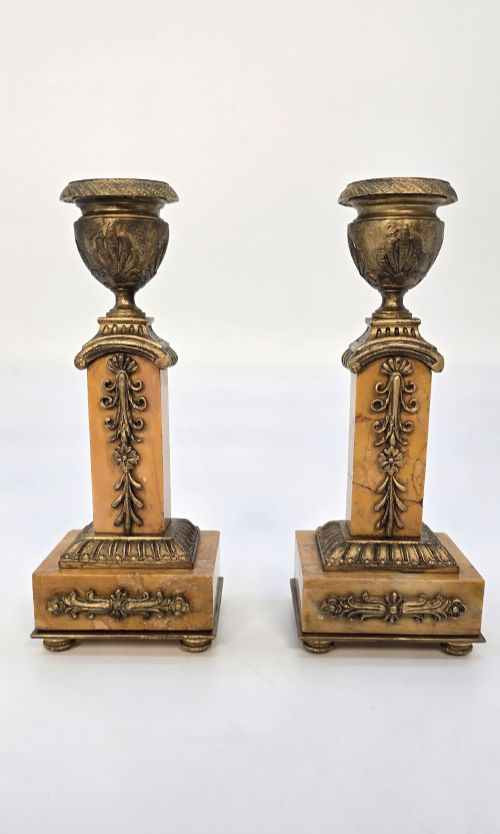
The selection on this page leans toward French ateliers, incorporating styles such as Empire, Louis XVI, and Rococo Revival. Many examples combine cast metallic mounts with bases made from marble, onyx, or porphyry.
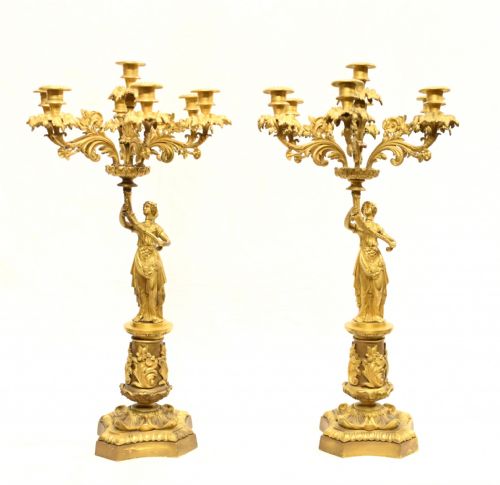
Figural shafts depicting cherubs, caryatids, dolphins, and mythological figures frequently appear alongside simpler columnar designs. Pairs dominate the offerings, built either for standard single tapers or configured with multiple candle arms.
Materials and construction methods
Maker workshops utilised two primary metallic components: dark patinated bronze for figural elements and bright gilt bronze, or ormolu, for decorative highlights. The gilding process involved applying a mercury and gold amalgam to a bronze base before heating it to vaporise the mercury and bond the gold layer.
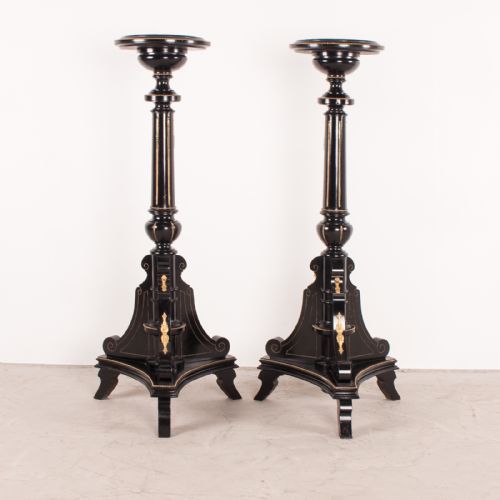
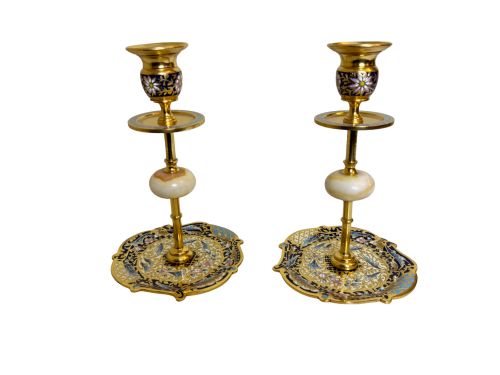
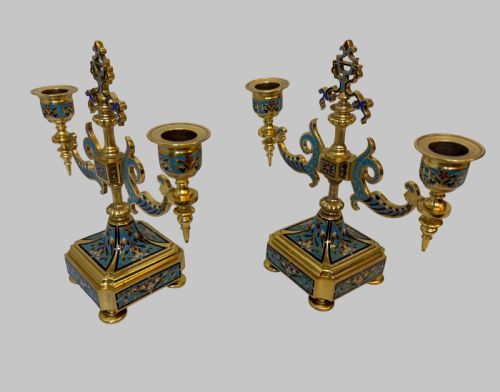
Stonework bases required skilled masonry to turn marble, Carrara, white marble, or onyx into plinths that anchored the heavy metal tops. Champlevé enamel and porcelain elements occasionally added colour to the metallic framework of later nineteenth-century pieces.
Ormolu Bronze Candle Stands Retail Price Guide 2026
Typical asking prices for ormolu bronze candle stands among the pieces listed under this phrase on Sellingantiques today, from the lower quarter to the upper quarter. They describe what is for sale here now, not the wider market.
Listings feature 19th Century, Regency, and 18th Century periods, incorporating Gilt Bronze, Ormolu, Patinated Bronze, Marble, Brass, and Champleve Enamel.
Assessing manufacture and design standard
The crispness of the chasing separates standard production from exceptional work. Master workshops hand-chiseled the cast bronze after removal from the mould to sharpen details in hair, drapery, and acanthus leaves before applying the gold finish.
The weight and integrity of the component parts also distinguish finer items. Superior examples utilise heavy, solid bronze castings joined securely to substantial stone bases, whereas lesser pieces rely on thinner metal and lighter assemblies.
Barbedienne·Pierre Philippe Thomire·Rabiat·Auguste Cain
The Ormolu Bronze Candle Stands Glossary
- Ormolu
- Gilt bronze created by applying a mercury-gold mixture to a bronze casting. This historical technique yields a distinctive matte and burnished golden surface.
- Patinated bronze
- Bronze treated with chemical solutions to darken the surface to a deep brown or black tone. This finish contrasts with the bright gold sections of the stand.
- Candelabra
- A branched candlestick holding multiple lights on separate arms. These pieces often feature removable central finials or matching drip pans.
- Champlevé
- An enamelling technique where troughs are dug into the metal surface and filled with vitreous paste before firing. This method adds colourful decorative bands to the piece.
- Caryatid
- A sculpted female figure serving as an architectural support. In candle stands, these figures form the central shaft holding the light.
Ormolu Bronze Candle Stands: Frequently Asked Questions
What is the difference between ormolu and brass?
Ormolu consists of a gold amalgam fired onto a bronze substrate, producing a deep, rich metallic lustre that differs fundamentally from solid yellow brass.
Brass is an alloy of copper and zinc cast as a single yellow metal throughout, whereas ormolu sits upon a darker bronze core.
How were these stands used historically?
These pieces provided illumination in formal reception rooms, placed upon mantelpieces, sideboards, or pier tables where reflected candlelight enhanced the gilt surfaces.
Multi-armed versions served grand dining spaces and drawing rooms, while single candlesticks populated bedroom dressing tables or smaller intimate parlours.
How do I care for antique ormolu?
Dust the surfaces gently with a soft, dry brush and avoid all chemical cleaning agents or metal polishes. Abrasive liquids will strip away the historical gold layer permanently.
Keep the items away from direct heat sources and moisture to protect both the gilding and the underlying stone bases.
How do I distinguish French Empire style?
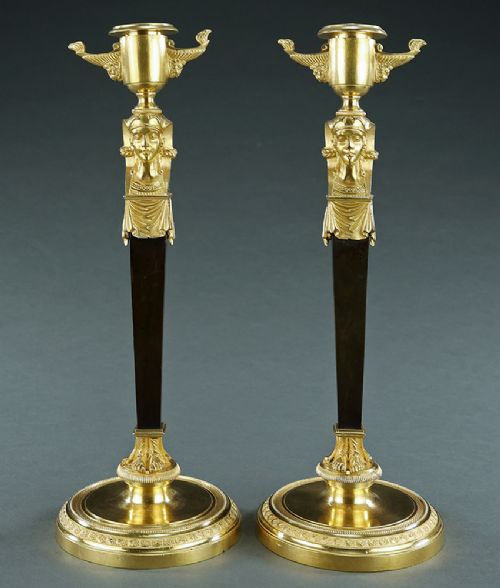
French Empire pieces display strict symmetry, classical mythological motifs, military trophies, and dark patinated bronze contrasted against bright ormolu mounts. Architectural columns, sphinxes, and caryatids frequently define the shafts.
This aesthetic reflects the Napoleonic era's fascination with classical antiquity, particularly Roman and Egyptian design vocabulary.