
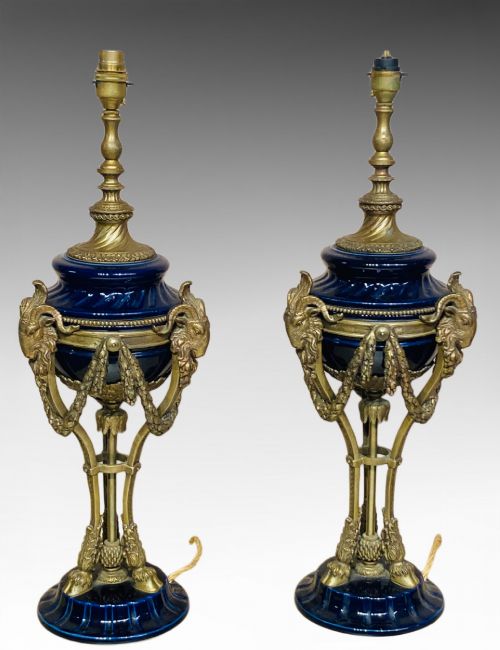
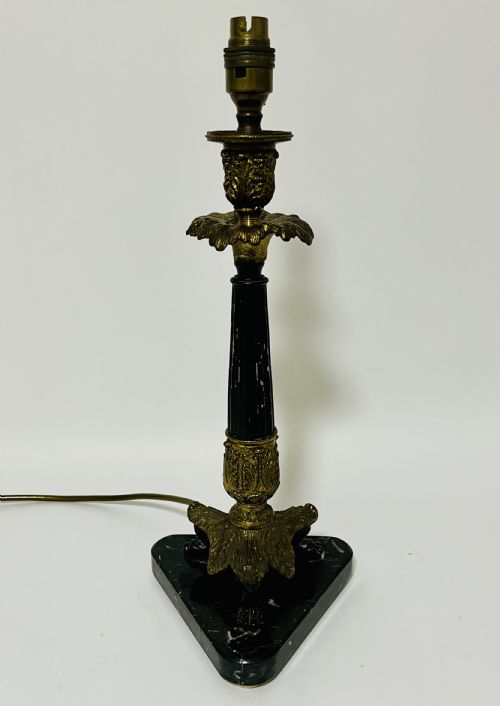


Ormolu Base Desk Lamp
An ormolu base desk lamp brings nineteenth-century French elegance and warm metalwork to a working surface.
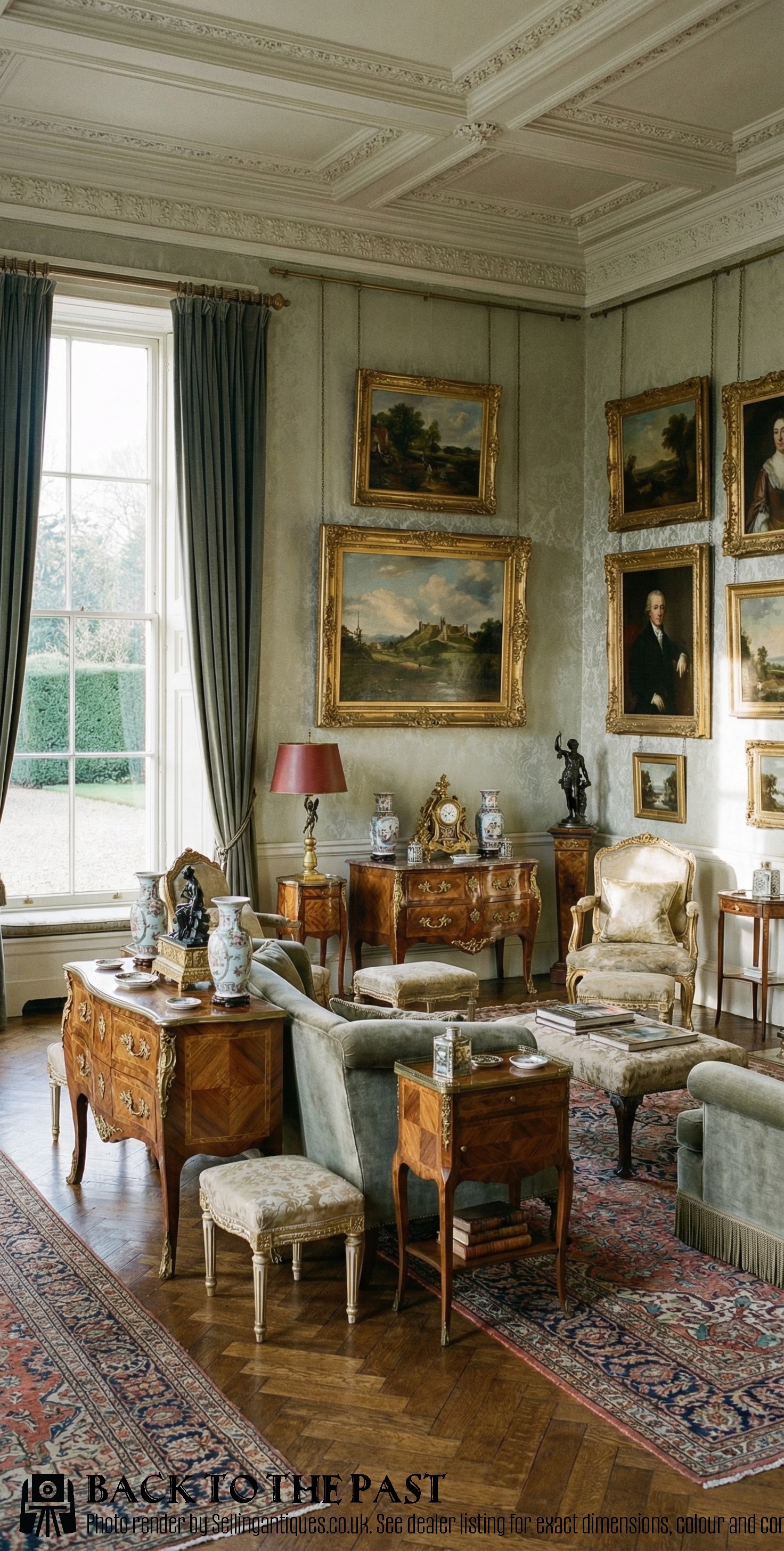
Ormolu Base Desk Lamp
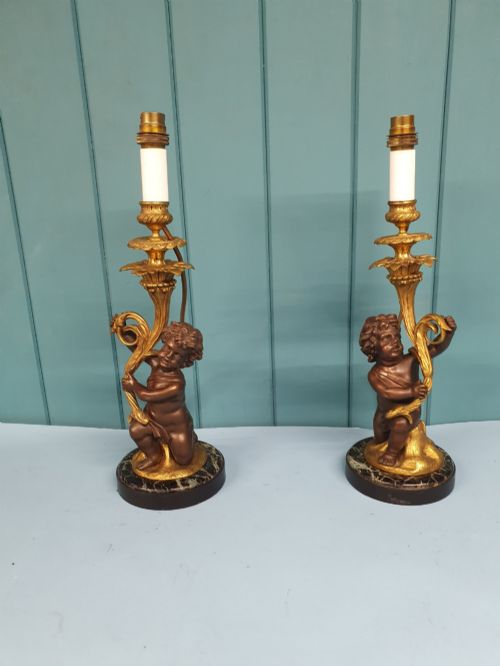
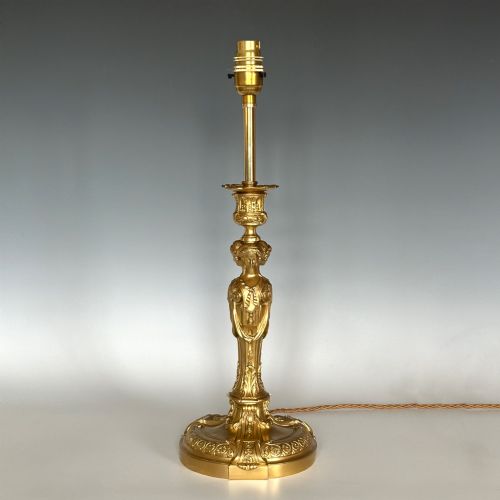
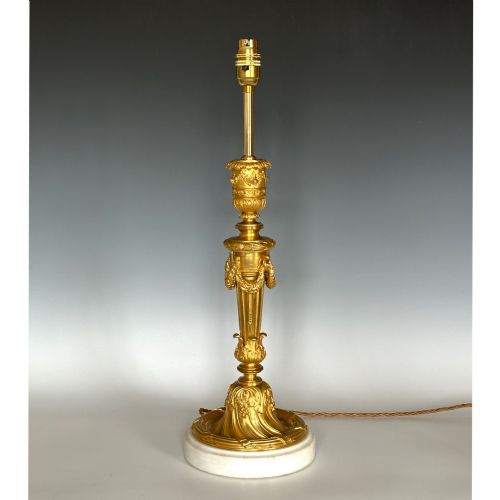
An ormolu base desk lamp combines cast metal mounts with functional illumination, appearing frequently in nineteenth-century French and Victorian forms. These pieces often incorporate classical urns, figural cherubs, or architectural columns mounted upon heavy stone plinths.
Materials and construction
Gilt bronze and ormolu provide the distinctive golden surface finish, applied through mercury gilding or modern electroplating over a cast bronze base. Artisans combined these gilded elements with contrasting materials such as white marble, green onyx, blue glass, and glazed ceramics.
Foundry work involved sand casting or lost-wax casting methods to shape detailed cherubs, acanthus leaves, and classical figures. Structural components were then assembled with threaded rods and secured to heavy stone plinths for stability.
Materials recorded across the inventory include marble, onyx, bronze, brass, and fabric components.
Distinctions in quality
The crispness of the chased detail on the ormolu separates superior castings from softer, later reproductions. Hand-chasing after casting sharpens featherwork, hair, and drapery, giving the metal depth and catchlights that simple casting misses.
The selection of secondary materials dictates overall weight and presence, with dense veined marble, rock crystal, and genuine lapis lazuli accents marking higher-tier pieces. Integration between the electrical fittings and the antique metalwork also shows the care taken during conversion.
The Ormolu Base Desk Lamp Glossary
- Ormolu
- Gilt bronze produced by applying a gold-mercury amalgam to a bronze base and heating it until the mercury vaporised. The resulting finish yields a warm, deep lustre that resists tarnishing over centuries.
- Chasing
- The manual refinement of a cast metal surface using tiny punches and hammers to sharpen details. This skilled bench work distinguishes high-end foundry pieces from mass-produced items.
- Tole peinte
- Painted sheet metal used for decorative shades and bodies on period lighting. It provides a matte colour contrast against polished gilt bronze mounts.
- Patinated bronze
- Bronze that has been chemically treated or allowed to age naturally to a dark brown or green surface. This dark tone highlights the brightness of adjacent ormolu mounts.
Ormolu Base Desk Lamp: Frequently Asked Questions
Are these lamps French or English?
The majority of these pieces originate from France, following Empire, Louis XVI, and Rococo Revival design traditions. French makers excelled in the combination of fire-gilt ormolu with patinated bronze figures and marble plinths.
English workshops also produced column lamps and gilt metal lighting during the nineteenth century, often adopting continental motifs. Maker attributions usually depend on foundry stamps or characteristic casting techniques.
How do I clean ormolu safely?
Cleaning should be limited to dusting with a soft, dry brush to prevent removing the thin layer of historical gilding. Avoid all abrasive metal polishes and chemical dips, which strip away the gold entirely.
Persistent grime can be addressed with a slightly damp cloth using distilled water, followed immediately by thorough drying. Preservation of the original surface patina maintains the historical integrity of the piece.
What shades suit these lamp bases?
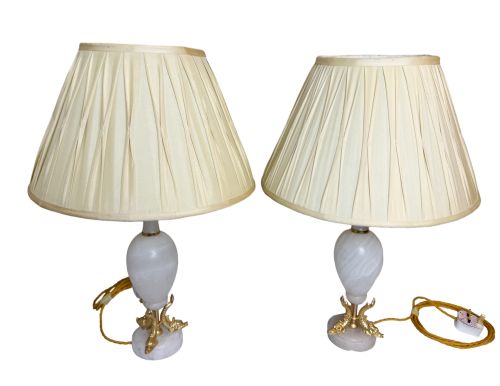
Fabric shades in simple neutral tones or traditional tole peinte cylinders complement the heavy metal and stone construction. The scale of the shade should balance the substantial weight of the marble or onyx plinth below.
Clip-on or bridge-arm fitters generally accommodate the older bulb holder configurations found on nineteenth-century conversions. Choosing a translucent fabric allows light to pass downwards while illuminating the decorative bronze work.