
Ormolu Accent Table
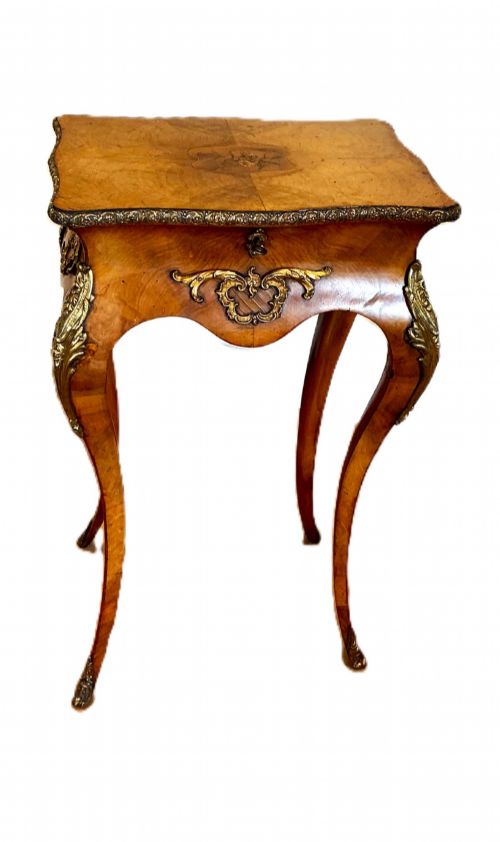
An ormolu accent table brings the tactile warmth of gilded bronze mounts and rich timbers into a room, offering surface space with decorative presence.
Ormolu Accent Table
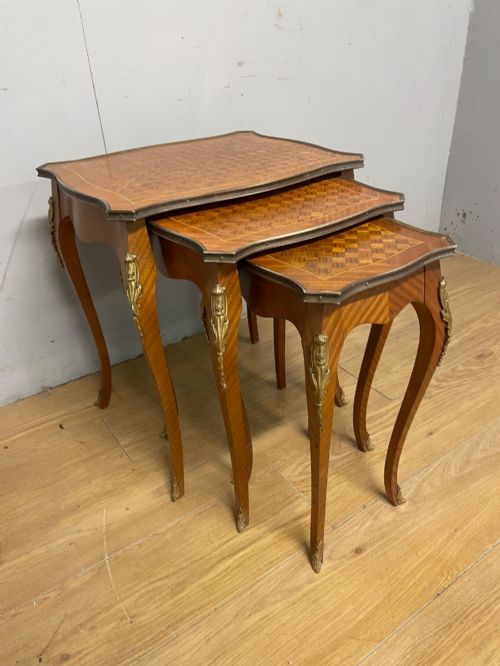
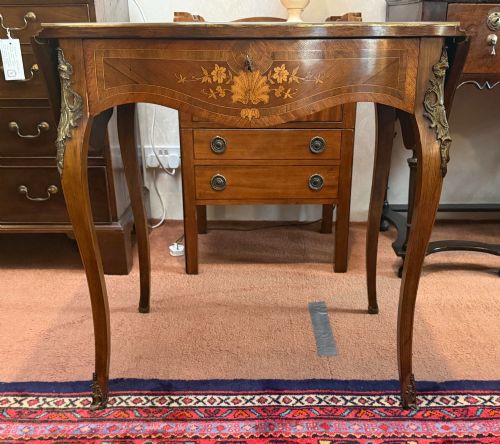
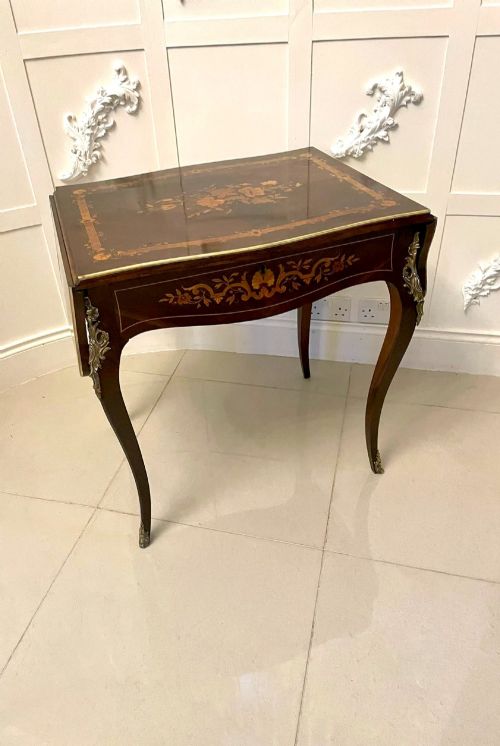
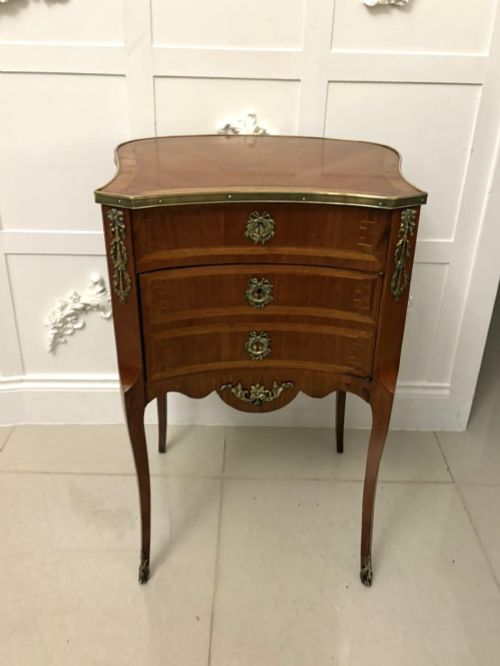
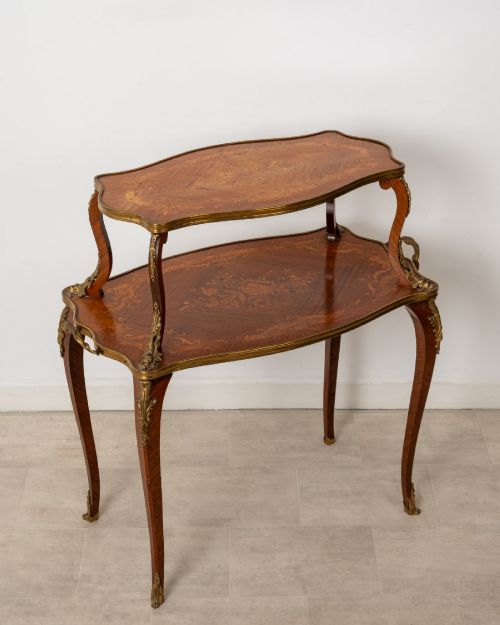
When searching for an ormolu accent table, buyers encounter nineteenth-century occasional pieces, side tables, and centre tables originating predominantly from French workshops. These tables combine structural timbers with cast and chased metal mounts that follow historic design vocabularies.
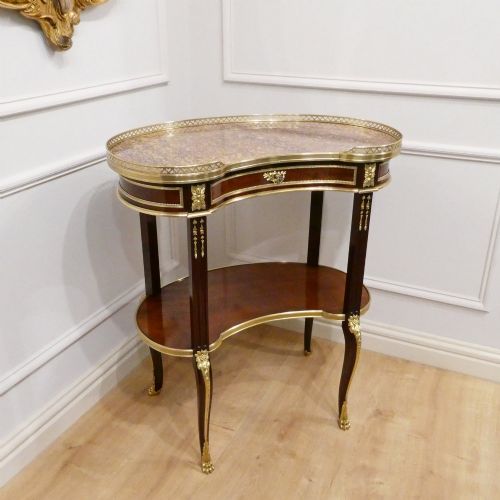
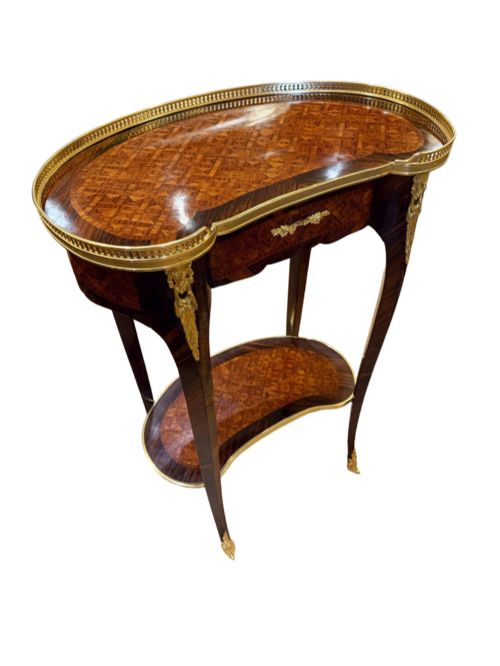
The selection on this page centres on revivalist aesthetics, notably Louis XV and Louis XVI styles, alongside Victorian walnut iterations. Forms range from compact kidney-shaped side tables to freestanding guéridons and card tables intended for central placement in a room.
Materials and technique
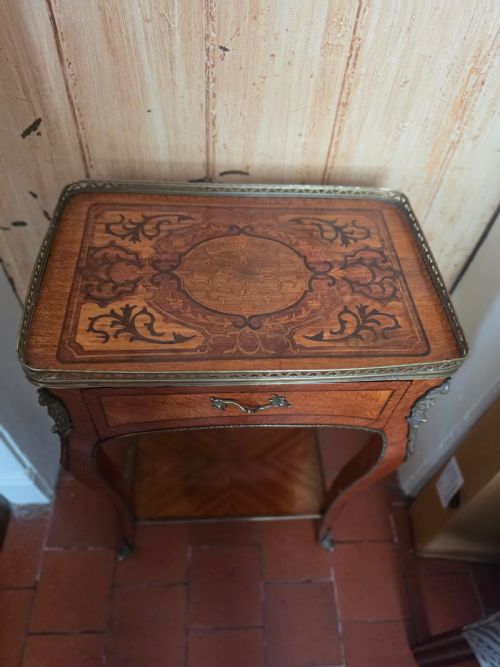
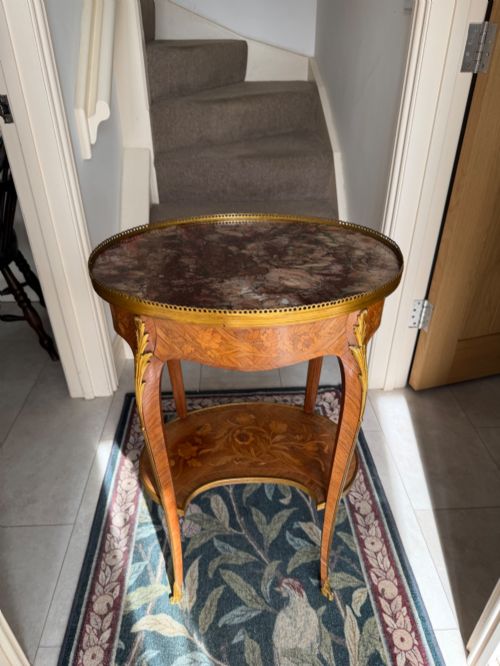
Maker construction relies on dense foundational woods such as mahogany, walnut, and rosewood, frequently overlaid with kingwood veneers arranged in intricate marquetry or parquetry patterns. Marble tops frequently provide a cool, solid surface.
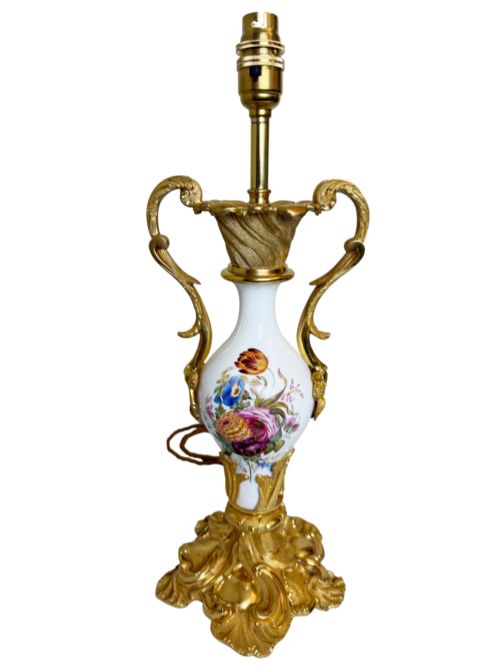
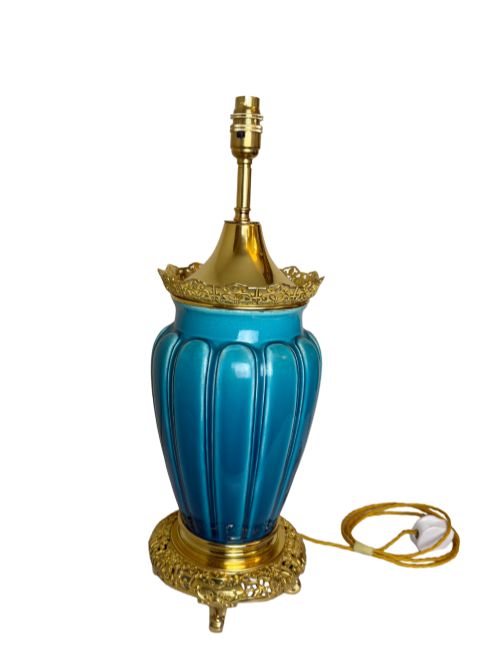
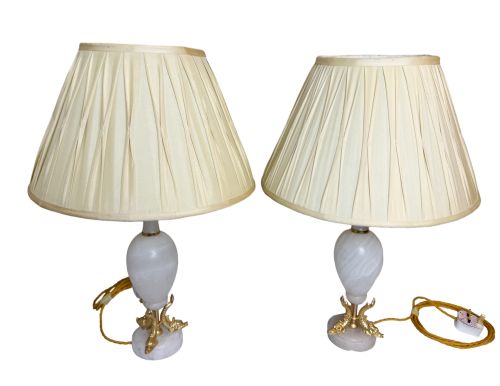
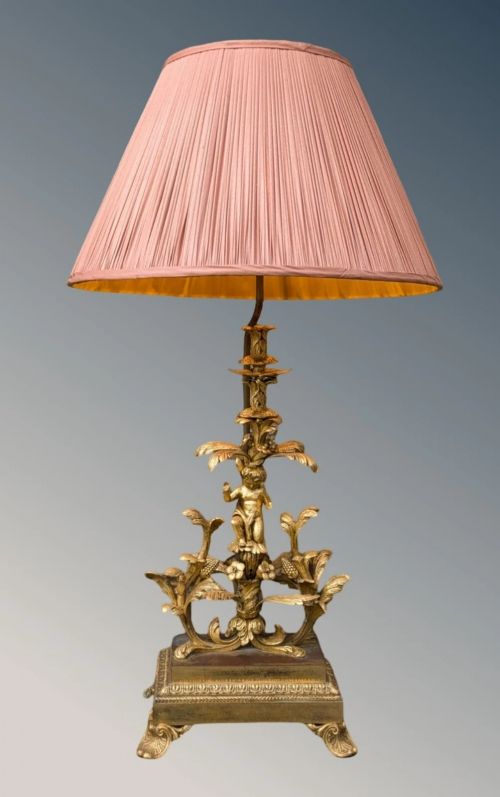
Gilt bronze and ormolu mounts are cast, hand-chased for definition, and secured to the timber carcasses to accentuate curves and corners. Brass and gilt metal elements also appear across various lamp and table configurations.
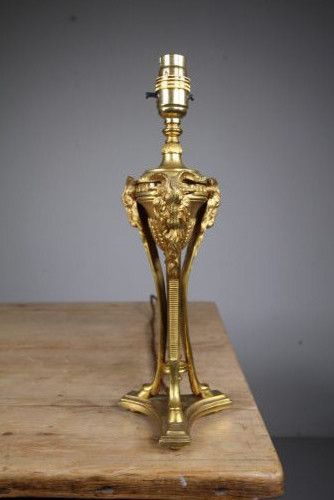
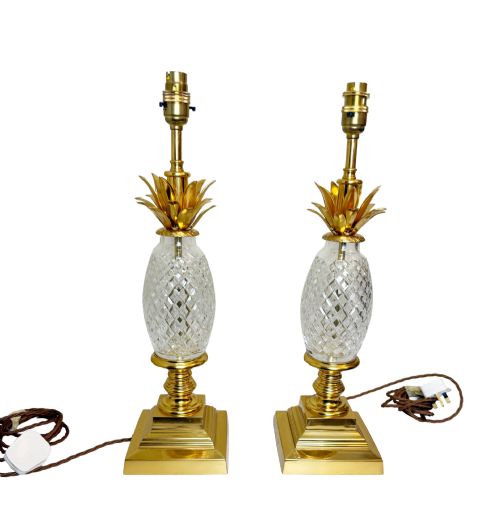
Pineapple and rams head motifs peer out from nineteenth-century lamp bases, proving that historic lighting designers loved a playful touch.
What varies in quality
Quality separates through the crispness of the bronze chasing and the depth of hand-cut marquetry rather than mere material cost. Superior pieces display finely articulated foliage and figures in the ormolu mounts that sit flush against the timber.
Construction fidelity dictates longevity, seen in the precise matching of wood veneers, the weight of the marble slab, and the structural integrity of complex serpentine forms without timber distortion.
Maison Millet·Joseph-Emmanuel Zwiener·François Linke·Edwards & Roberts
The Ormolu Accent Table Glossary
- Ormolu
- Gilded bronze applied as decorative mounts on furniture and lighting. The technique involves applying a mercury and gold amalgam to cast bronze before heating.
- Marquetry
- Inlay work using thin pieces of wood veneer to create pictorial or geometric designs on a furniture surface. This technique requires patient hand-fitting.
- Guéridon
- A small French freestanding table originating in the seventeenth century. These circular occasional tables often stand on a single central pillar or slender cabriole legs.
- Parquetry
- Geometric wood inlay forming repetitive patterns such as cubes or checkers. It differs from marquetry through its strict adherence to angular, repeating motifs.
- Étagere
- A set of open shelves for displaying small objects or books. Nineteenth-century examples often incorporate delicate ormolu framing and marquetry tops.
Ormolu Accent Table: Frequently Asked Questions
How do I clean ormolu mounts?
Gilt bronze mounts require gentle dusting with a soft, dry brush to prevent the accumulation of dirt in the chased recesses. Avoid abrasive metal polishes that strip the historic gilding.
Moisture can harm underlying wooden veneers, so any cleaning cloth should remain dry. Professional conservation is recommended for tarnished or neglected surfaces.
Where should I place an accent table?
Occasional and side tables function effectively beside seating arrangements or within hallways to hold lamps and decorative objects. Freestanding centre tables require clearance to showcase their marquetry from all angles.
Protect these pieces from direct sunlight and temperature fluctuations to preserve the stability of the timber and veneer.
How do I identify French revival styles?
Louis XV revival pieces feature asymmetric curves, cabriole legs, and flowing floral ormolu mounts that echo eighteenth-century naturalism. Louis XVI style introduces stricter symmetry, straight fluted legs, and neoclassical motifs.
Nineteenth-century makers reinterpreted these periods with high technical precision, often combining multiple decorative techniques on a single surface.
Are marble tops original to the tables?
Original marble tops fit snugly into the rebated wooden frames designed specifically to support their weight. Veined varieties like rouge marble complement the surrounding kingwood and mahogany timbers.
Inspecting the underside reveals whether the stone rests securely on original blocking or has undergone later replacement.