
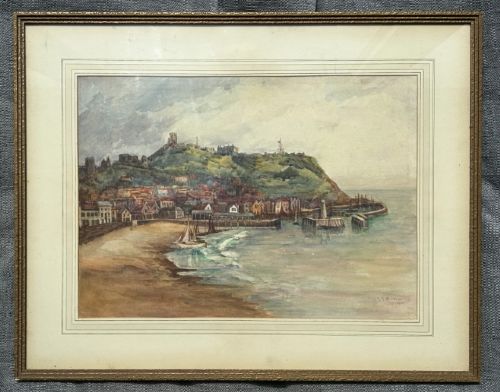


Original Yorkshire Watercolour Painting
These original yorkshire watercolour painting works capture the changing light and rugged charm of northern landscapes, offering collectors an intimate glimpse into historic Dales and coastal scenes.
Original Yorkshire Watercolour Painting
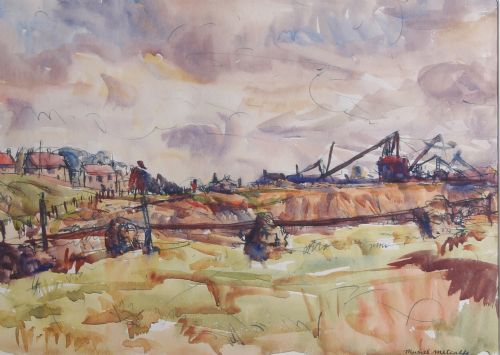
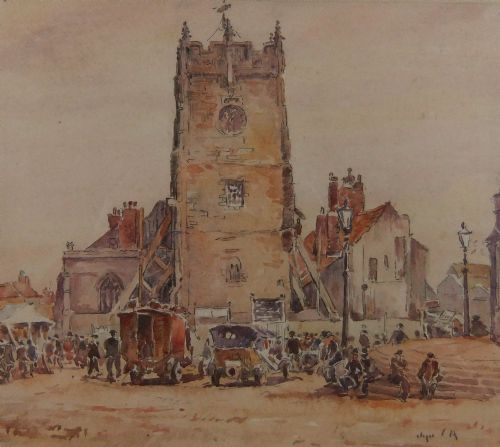
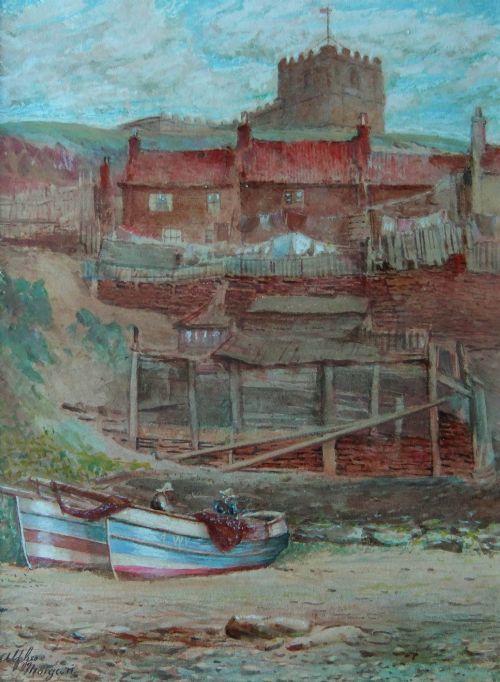
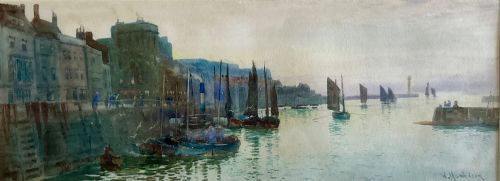
When searching for an original yorkshire watercolour painting, collectors encounter framed artworks depicting regional landmarks such as Whitby harbour, Bolton Abbey, and the sweeping expanses of Wensleydale. The selection spans the nineteenth century through the mid-twentieth century, featuring coastal marine views, sleepy village streets, and atmospheric moorland landscapes.
Most pieces on this page originate from the Victorian and Edwardian eras up to the mid-century period, executed by regional painters who recorded local topography. Common formats include delicate paper sheets mounted under glass, capturing specific historic sites like Staithes, Scarborough, and the River Esk.
How They Were Made
Artists executed these works using water-soluble pigment applied to heavy paper surfaces, often combining fluid washes for skies with precise ink or pencil underdrawing for architectural details. Watercolour paint was layered to build transparent tones, allowing the white of the paper to shine through for highlights on breaking waves and stone cottages.
Finished sheets were secured behind glass within wooden frames to protect the delicate pigments from atmospheric moisture and handling damage.
Several artists braved harsh Yorkshire winters outdoors, returning with frozen fingers and charming snow-dusted cottage scenes.
What Varies in Quality
Quality rests upon the artist's ability to capture atmospheric conditions and natural light, moving beyond mere topographical record to convey genuine mood and movement. Skilled brushwork demonstrates confidence in handling washes, ensuring skies and water remain luminous rather than overworked or muddy.
Compositional strength and the preservation of vibrant pigment without excessive fading distinguish exceptional works from standard regional sketches.
Alfred George Morgan·Fred Lawson·George Graham·John Syer·Rowland Henry Hill
The Original Yorkshire Watercolour Painting Glossary
- Watercolour pigment
- Finely ground colour particles suspended in a water-soluble binder, used to create transparent washes on paper.
- Diptych
- A painting comprising two distinct hinged or paired panels designed to be displayed together. These matched scenes often depict related local architectural views.
- Marine painting
- Artwork focused primarily on the sea, shipping vessels, coastal cliffs, and harbour activities. These maritime subjects form a major pillar of regional northern art.
- Gouache
- An opaque water-based medium sometimes used alongside transparent watercolour to add solid highlights and dense opaque details to a composition.
Original Yorkshire Watercolour Painting: Frequently Asked Questions
How do I date an old Yorkshire watercolour?
Dating relies heavily on stylistic clues, framing materials, and artist biography records. Many Victorian and Edwardian works carry period signatures or precise inscriptions on the reverse.
Paper quality and mounting techniques also offer reliable chronological indicators for pieces lacking a direct date.
Where were these paintings typically displayed?
These works historically hung in domestic parlours, country houses, and regional municipal buildings across the north of England. They served as personal mementos of local travel or celebrations of familiar rural scenery.
Today, they suit studies, living rooms, and hallways where stable indoor humidity protects the paper.
How should I frame and protect my painting?
Watercolours require careful framing behind conservation glass to block harmful ultraviolet light that causes pigment fading. Acid-free mounts prevent chemical degradation of the historic paper support over time.
Placement away from direct sunlight and damp exterior walls ensures long-term preservation.
What subjects are most common in these regional scenes?
Coastal harbours filled with fishing drifters and Whitby abbey ruins dominate many nineteenth-century works. Inland vistas feature Yorkshire Dales villages, rolling moorlands, and historic castles like Bolton and Richmond.
Artists frequently returned to these specific locations to study changing seasonal weather.