


Original Yorkshire Landscape Painting
An original yorkshire landscape painting brings the sweeping dales, rugged coastlines and quiet villages of the north directly into a room.
Original Yorkshire Landscape Painting
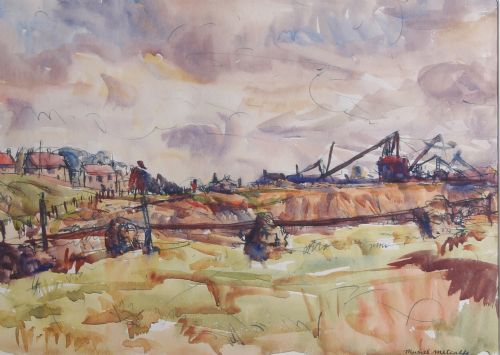
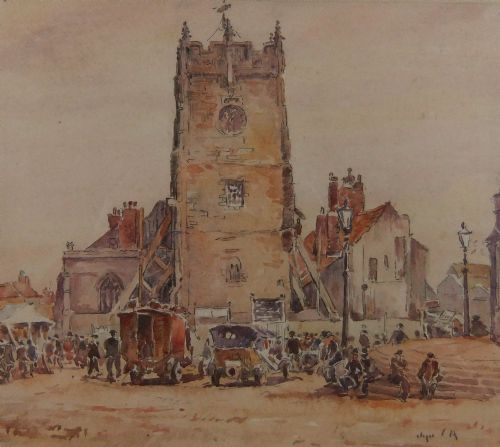
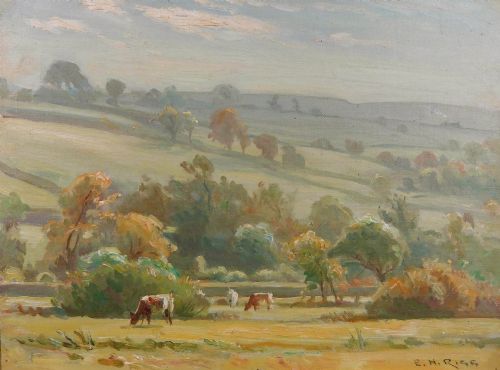
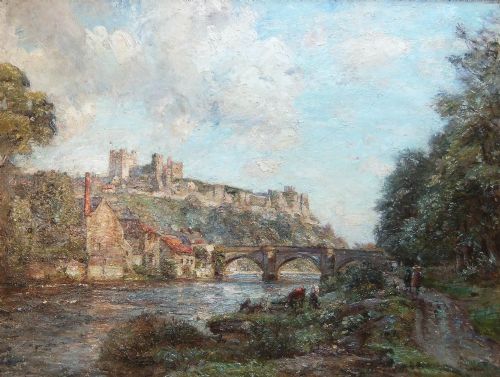
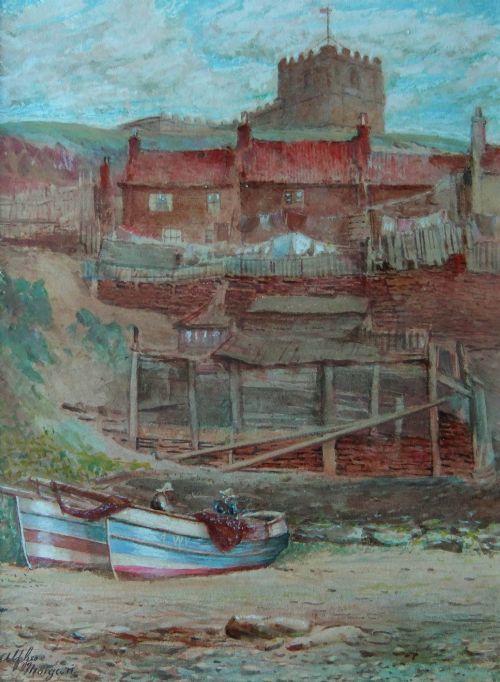
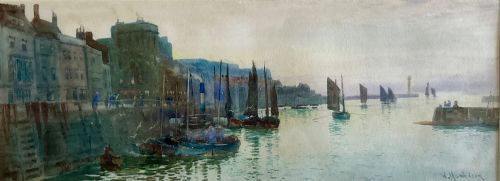
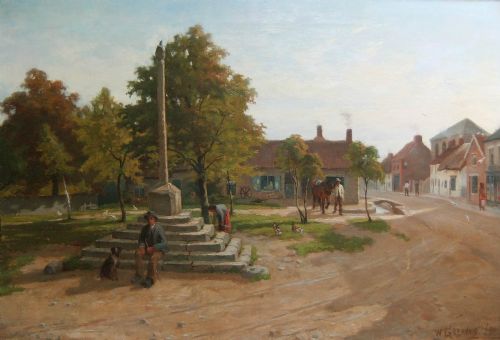
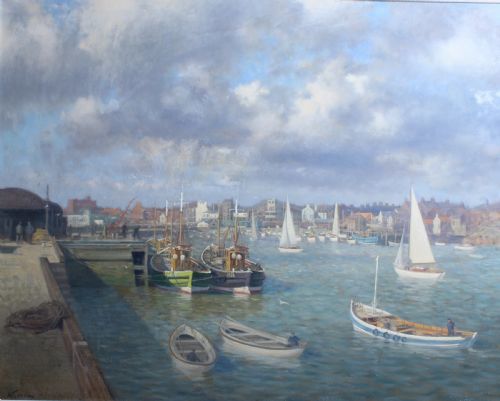
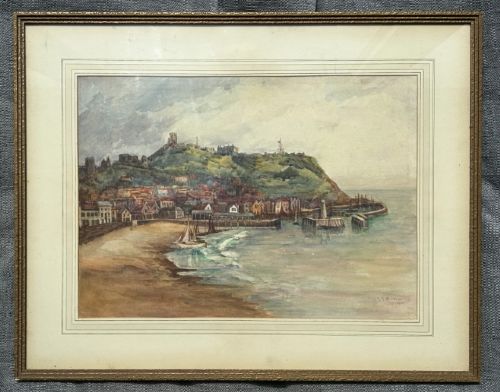
When searching for an original yorkshire landscape painting, a buyer encounters regional views spanning from late Victorian river scenes to mid-century moorland studies. The selections on this page concentrate heavily on works executed across the early twentieth century, capturing local landmarks like Whitby harbour, Wensleydale and the River Wharfe. These pieces range from intimate village watercolours to expansive oil paintings on board or canvas created by regional artists.
Subjects frequently record specific Yorkshire topography, including coastal fishing docks, dales farmsteads, ruined abbeys and open heather moors. The artists often worked on location, translating the shifting northern light and weather conditions directly onto paper or panel. Collectors find that these works preserve a distinct local history and topography through period artistic interpretations.
How they were made
Makers utilised traditional mediums such as watercolour pigment on paper, oil paint on stretched canvas and oil applied to wood panels or boards. Watercolours capture the damp atmosphere of the coast and dales with transparent washes, while oil paintings build up heavier textures to describe moorland vegetation and stone architecture.
Supports vary according to the period and the maker's preference, ranging from heavy artist papers to wooden boards and primed canvas. Many surviving examples retain their period frames, which complement the handling of the pigment and protect the edges of the paper or panel.
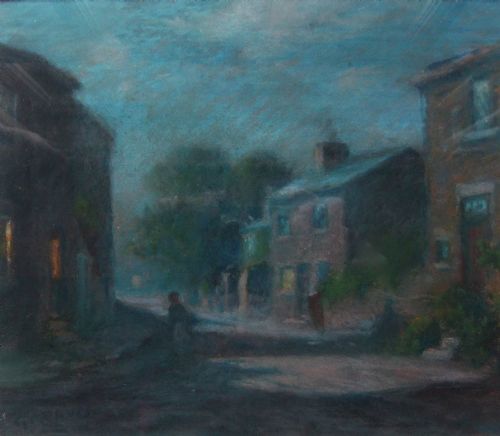
Listings feature works dated from Victorian times through the 1950s, executed in watercolour, oil and pastel.
What varies in quality
The strength of a composition determines much of its visual success, separating routine topographical records from deeply observed portrayals of light and terrain. Skilled brushwork and pigment handling give immediacy to skies, water and stone, whereas weaker examples rely on formulaic dales scenery without atmospheric depth.
The specificity of the location and the fidelity of the tonal values also set finer pieces apart. Works that capture the exact quality of northern light over a recognised landmark carry greater visual authority than generic rural scenes.
Ernest Higgins Rigg·Herbert Royle·Alfred George Morgan·Fred Lawson·Owen Bowen·John Syer
The Original Yorkshire Landscape Painting Glossary
- Watercolour
- A paint consisting of soluble pigment suspended in a water-based solution, traditionally applied to paper.
- Oil painting
- A work executed using pigments bound with a drying oil, allowing for rich textures and gradual blending.
- Canvas
- A closely woven fabric used as a surface for oil painting, typically stretched over a wooden frame.
- Panel
- A flat piece of wood or board used as a rigid support for painting.
- Impressionism
- A style of painting emphasising transient effects of light and spontaneous brushstrokes.
Original Yorkshire Landscape Painting: Frequently Asked Questions
What subjects appear most often?
The works focus heavily on recognisable Yorkshire landmarks, including coastal fishing ports like Whitby and Staithes, alongside inland river valleys such as Wensleydale and Wharfedale.
Views of stone farmsteads, ruined abbeys and expansive heather moors also recur frequently across the different decades represented.
How should I care for a watercolour?
Watercolours require protection from direct sunlight to prevent the pigments from fading over time. Keeping them behind conservation glass in a dry environment preserves the integrity of the paper and the washes.
Changes in humidity can damage paper supports, so stable indoor conditions suit these pieces best.
Are these works signed?
Many examples feature signatures or initials from the artists who painted them, sometimes accompanied by dates or location inscriptions on the front or reverse.
Unsigned pieces still often carry studio provenance or distinct stylistic attributions linking them to regional working groups.
How do oil paintings on board differ from canvas?
Paintings on wood panels or boards offer a rigid support that resists the flexing and sagging sometimes seen in older stretched canvases. This firmness helped artists working outdoors on location in the Yorkshire landscape.
Both supports require clean, stable conditions away from extreme temperature swings to keep the paint layers secure.