




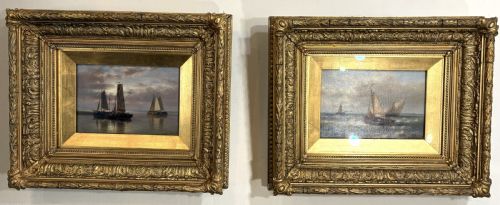
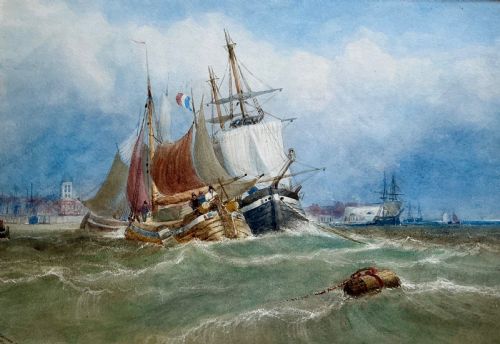
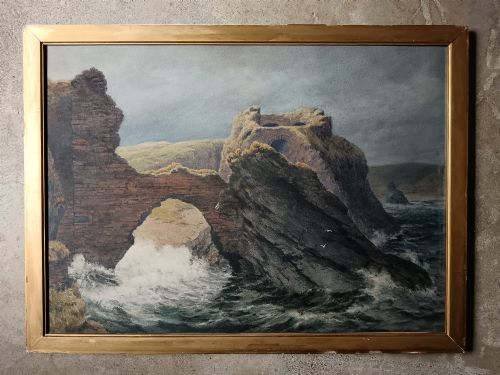

Original Victorian Seascape
An original Victorian seascape captures the drama of 19th-century coastal life and marine trade through oil and watercolour.
Original Victorian Seascape
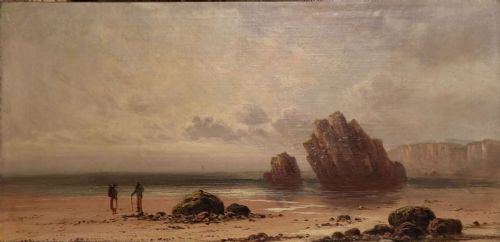
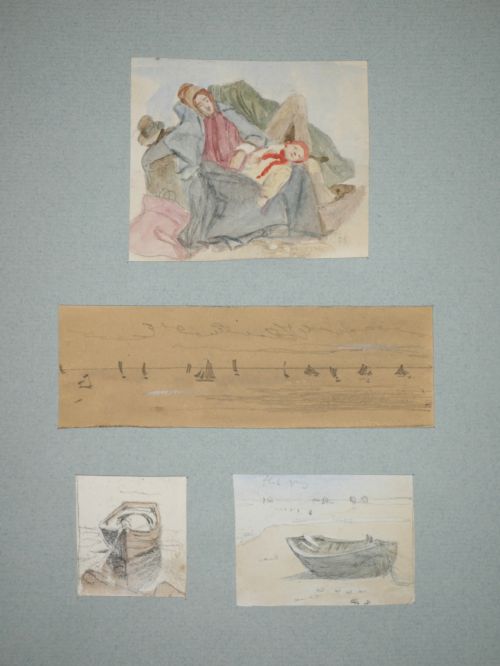
An original Victorian seascape portrays maritime subjects, coastal harbours, fishing boats, and stormy waters painted during the 19th century and early 20th century. A buyer searching this phrase encounters works ranging from detailed watercolours on paper to substantial oil paintings on canvas.
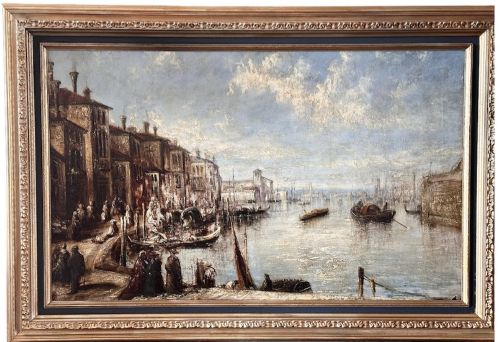
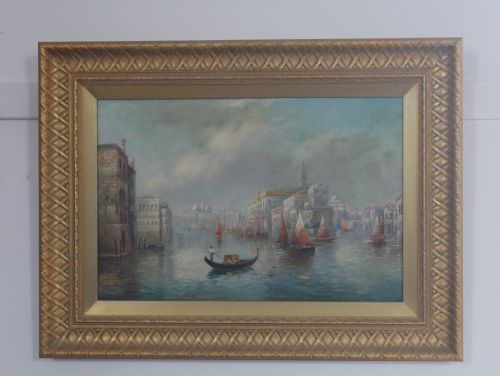
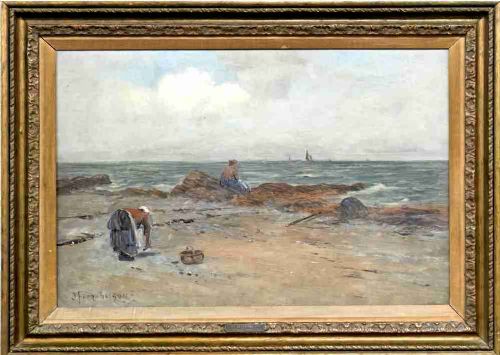
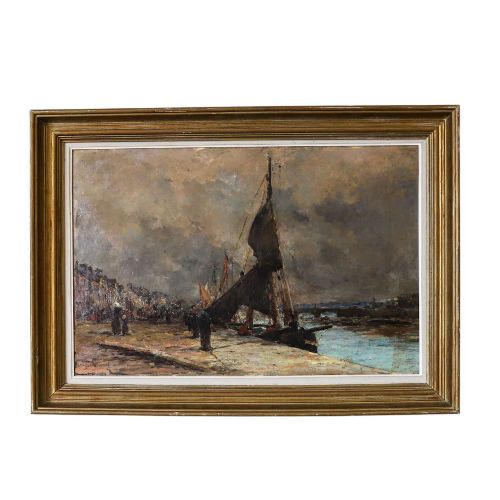
The most common pieces on this page are British and European watercolours and oil paintings dating from the 1860s to 1900. These works frequently depict specific coastal locations such as Yorkshire, Norfolk, Venice, and Scottish shores.
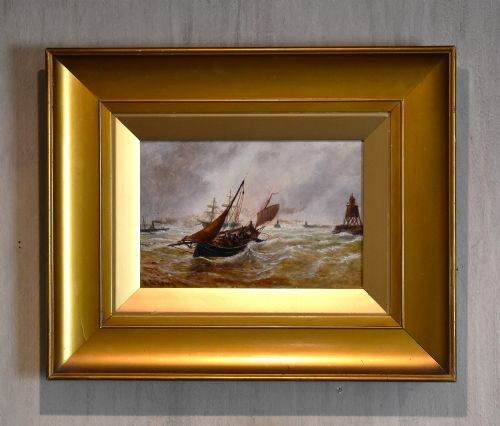
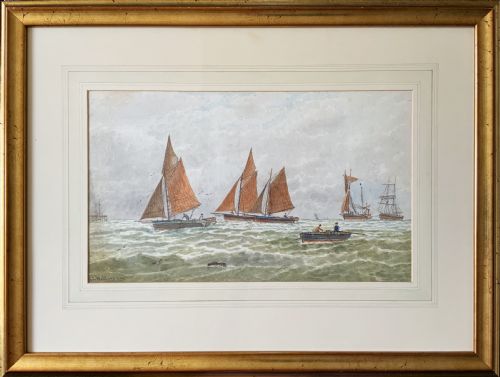
Subjects span from calm river shipping and beach scenes with figures to turbulent open seas and rocky headlands. Artists utilised both paper and canvas to record the changing light and weather of maritime environments.
How they were made
Painters utilised oil paint on canvas, board, or card, and watercolour paint on paper to create these coastal scenes. Many works incorporate original gilt wood frames that complement the painting.
Artists applied oil paint with varied brushwork to render the texture of water, sails, and stormy skies. Watercolours were built up in washes on paper to capture the transparent atmospheric conditions of harbours and beaches.
Listings feature works created between 1860 and 1910, spanning both oil on canvas and watercolour on paper.
What varies in quality
Quality depends upon the artist's ability to render atmosphere, movement, and light within the marine environment. Works by named, exhibiting painters demonstrate superior handling of perspective in shipping and coastal architecture compared to anonymous school pieces.
The choice of medium and preservation also differentiate the range, with well-preserved watercolours retaining their original pigment vibrancy on paper, and stable oil paintings on canvas showing confident brushwork in the depiction of water and skies.
James Orrock·William Banks Fortescue·Francis Moltino·Hector Caffieri·Joseph Farquharson·Bernard Benedict Hemy·George Stanfield Walters·Abraham Hulk I·Henry Barlow Carter·John Moxon·William Frederick Settle·Thomas Bush Hardy·Sir Thomas Newenham Dean·William Greaves·John McDougal·John Douglas Perrett·Frederick William Hattersley·John Mitchell·Frederick William Booty·Kate E Booth·Alfred Pollentine·Alfred Henry Vickers·Thomas Rose Miles·James Webb·William James S Crampton
The Original Victorian Seascape Glossary
- Watercolour
- A painting method where fine pigment is suspended in water-based solution on paper. This medium was widely used by Victorian artists for rapid sketching and finished coastal views.
- Gilt wood
- Wood carved and coated with a thin layer of gold leaf or metallic paint. Frames of this material frequently encase Victorian oil paintings and watercolours.
- Canvas
- Heavy woven fabric stretched across a wooden frame to serve as a support for oil paint. It provides a textured surface suitable for large marine compositions.
- Marine art
- Artistic representation of the sea, ships, and coastal views. This genre encompasses both calm harbour scenes and dramatic shipwrecks in stormy waters.
Original Victorian Seascape: Frequently Asked Questions
What subjects appear in these paintings?
These works depict fishing boats, sailing ships, shipping lanes, and coastal towns. Scenes range from calm harbour anchorages to turbulent seas against rocky cliffs.
Artists frequently recorded specific British and European coastal locations, including Yorkshire ports, Venetian canals, and Scottish shores, often incorporating figures on beaches or quays.
How do I care for a watercolour seascape?
Watercolours on paper require protection from direct sunlight to prevent fading of the pigments. Framing behind glass with acid-free mount board shields the paper from atmospheric moisture and dust.
Displaying these works away from direct heat sources ensures the paper and pigments remain stable over time.
Are these paintings signed by the artist?
Many pieces feature artist signatures, monograms, or inscriptions detailing the location and date. Signed works often provide a documented link to known 19th-century painters and specific regional schools.
Unsigned works from the period are typically attributed to the British or European school based on style, materials, and subject matter.
What is the difference between oil and watercolour seascapes?
Oil paintings utilise oil-based pigments on canvas, board, or card, offering rich textures and deep tones suited to dramatic stormy scenes. Watercolours employ water-based pigments on paper, capturing luminous atmospheric effects and coastal light.
Both mediums were actively used by 19th-century artists to interpret maritime subjects.