
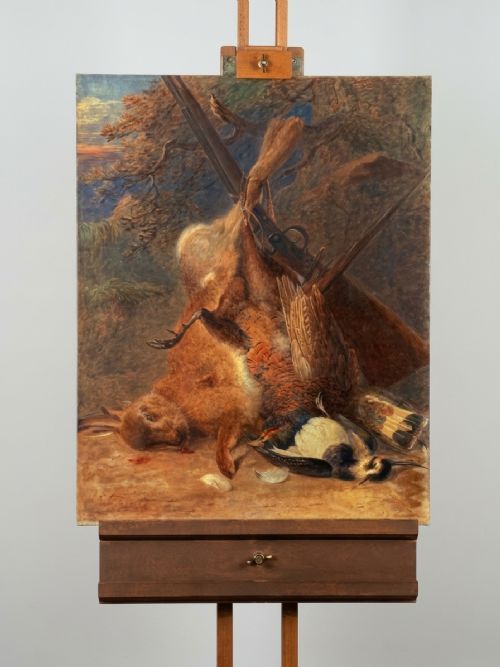
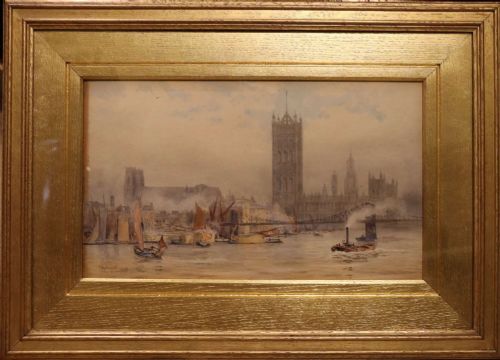
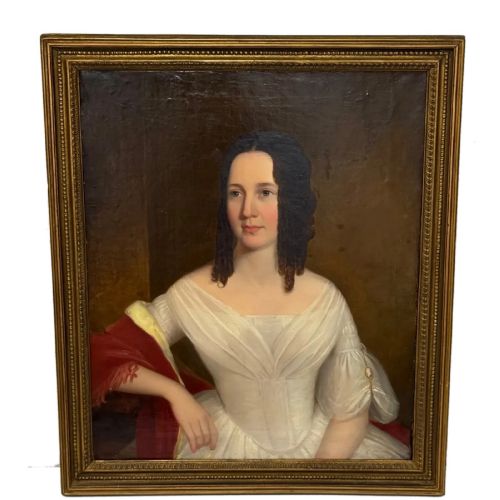
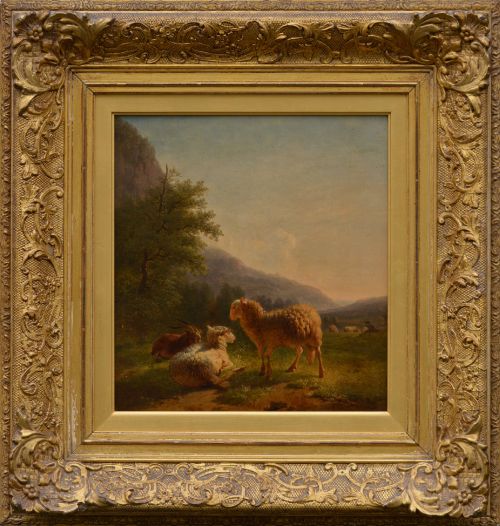

Original Victorian Artwork Framed
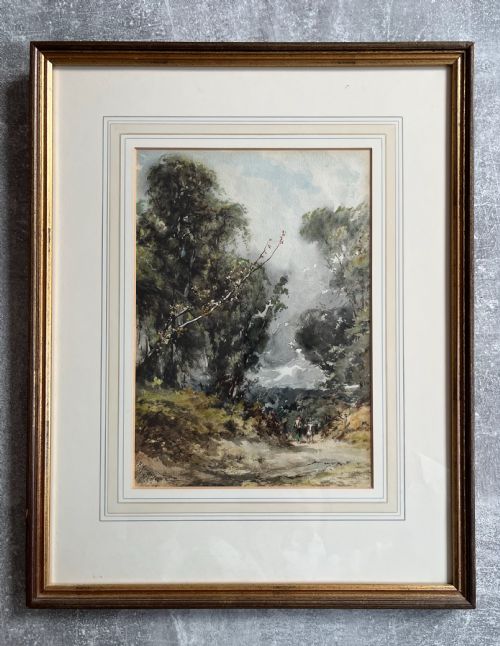
Original victorian artwork framed brings together period watercolours, oil paintings and drawings housed in their original protective surrounds.
Original Victorian Artwork Framed
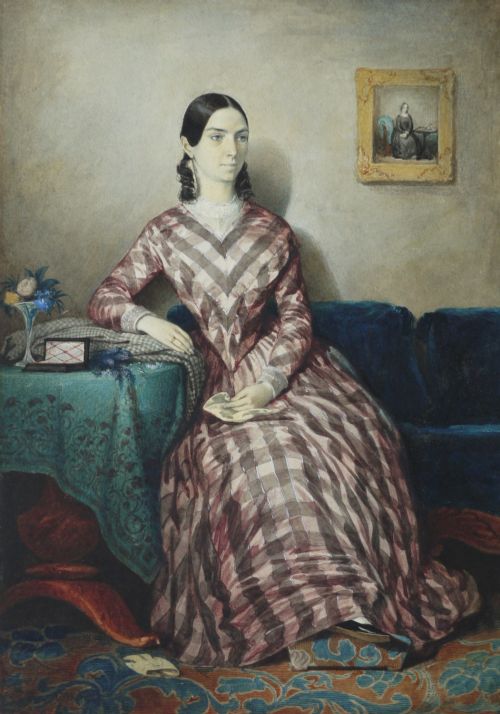
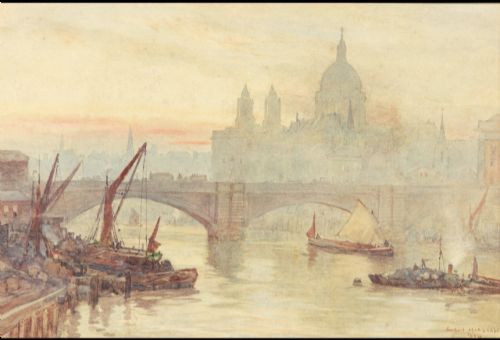
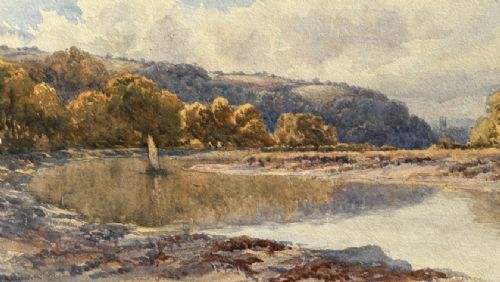
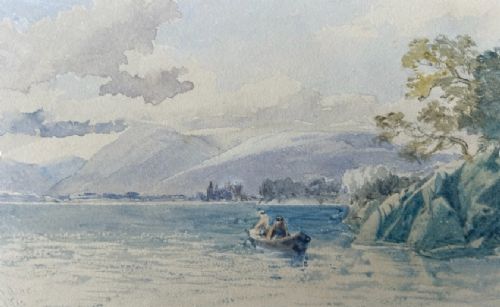
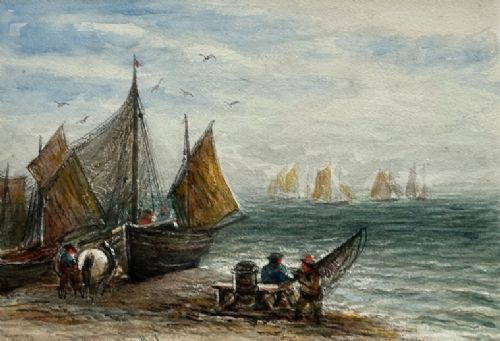
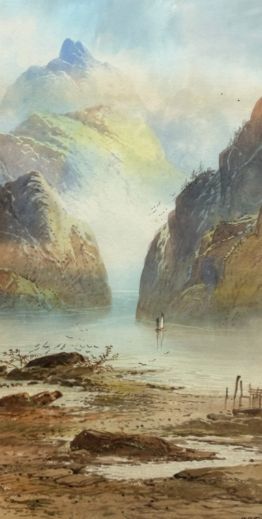
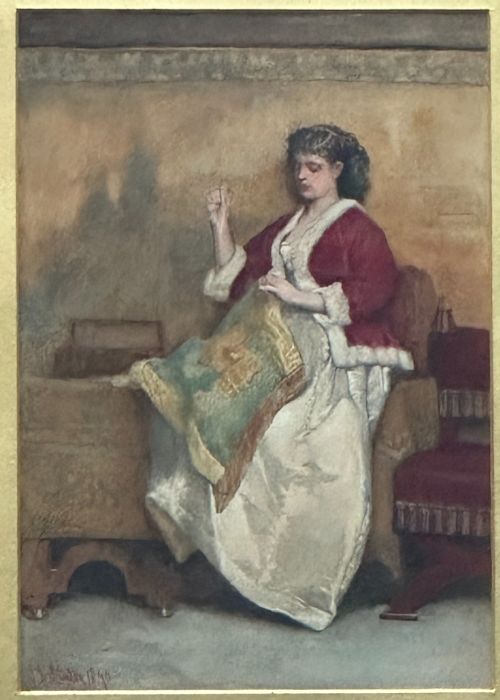
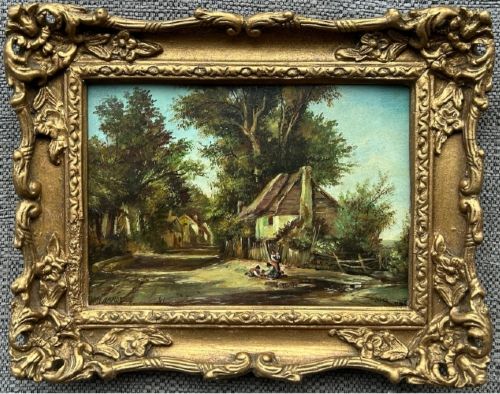
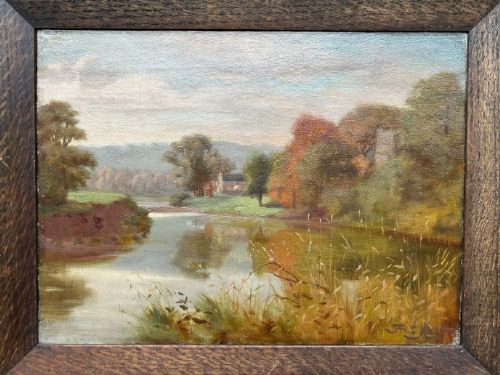
When you search for original victorian artwork framed, you encounter a diverse array of 19th-century paintings, watercolours and drawings produced across Britain and Europe. These pieces capture landscape vistas, coastal scenes, domestic interiors and portraits created during the Victorian and Edwardian eras.
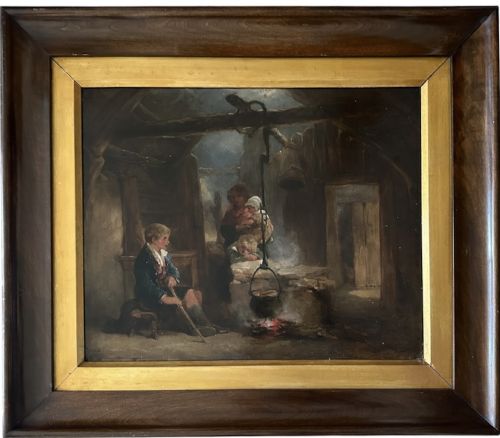
The most common formats on this page include watercolours on paper and oil paintings on canvas, board or panel. Works frequently arrive in period surrounds such as giltwood frames or rosewood mouldings that complement the pictorial subject.
Subjects range from pastoral landscapes and Scottish loch views to botanical studies and figurative compositions. Many bear the signatures of known practitioners from the period or emerge from recognised artistic circles.
Materials and Techniques
Makers utilised traditional painterly mediums including oil paint and watercolour applied to paper, canvas, prepared board or wooden panels. Canvases and panels required careful priming before the application of pigments to ensure longevity.
Surrounds were constructed from wood and glass, often incorporating gesso ornament finished with gilding. Botanical and landscape watercolours were typically mounted beneath protective glass within timber mouldings.
Materials recorded across the inventory include oil paint, watercolour, canvas, panel, paper, wood, glass and giltwood.
Assessment of Execution
The distinction between standard works and superior examples rests upon the dexterity of the brushwork and the confidence of the composition. Skilled practitioners achieved subtle tonal gradations and convincing perspective that elevate a landscape or portrait.
Condition of the medium and the integrity of the original framing elements influence the overall standing of a piece. Well-preserved pigment adhesion and intact period surrounds contribute to the visual coherence of the artwork.
Eugène Verboeckhoven·Thomas Miles Richardson Jnr·James Orrock·William Henry Earp·Sir James Dromgole Linton·Arthur Wardle·John Horace Hooper·John McDougal·Oliver Clare·Vittorio Reggianini·Herbert Dicksee·Henry Silkstone Hopwood·Alfred Pollentine
The Original Victorian Artwork Framed Glossary
- Watercolour
- A painting method where fine pigment is suspended in a water-soluble binder. These translucent applications were frequently executed on paper.
- Giltwood
- Timber decorated with a thin layer of gold leaf or gesso. This finish is commonly found on Victorian picture frames.
- Oil on Canvas
- Pigment mixed with drying oil applied to stretched fabric. This technique allowed artists to build rich textures across the surface.
- Etching
- A printmaking process where acid cuts into unprotected areas of a metal plate to hold ink. Impressions on paper were often produced in limited numbers.
Original Victorian Artwork Framed: Frequently Asked Questions
How do I hang a framed Victorian painting safely?
Ensure the wall fixings match the weight of the timber and glass assembly. Use picture wire attached securely to the original D-rings on the back of the frame.
Position the artwork away from direct sunlight and fluctuating heat sources to protect the canvas or paper from environmental damage.
Are these artworks supplied with their original frames?
Many pieces retain their period wooden or giltwood surrounds, which form an integral part of the presentation. Some listings note specific frame types such as rosewood or gilded moulding.
When a piece retains its period mount, it offers a complete historical package from the nineteenth century.
How should I clean glass on antique watercolours?
Apply a mild glass cleaner to a cloth rather than spraying the surface directly. This prevents liquid from seeping beneath the rebate and damaging the paper.
Wipe gently across the glass while supporting the frame on a flat, stable surface.
What subjects are most common in these paintings?
Landscapes and coastal views dominate the selection, reflecting nineteenth-century appreciation for rural scenery. You will also encounter botanical studies, portraits and genre scenes depicting daily life.
Artists frequently recorded specific locations across Britain, including Scottish lochs and Cornish harbours.