


Original Scottish Watercolour
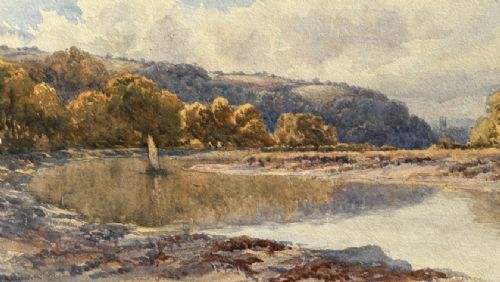
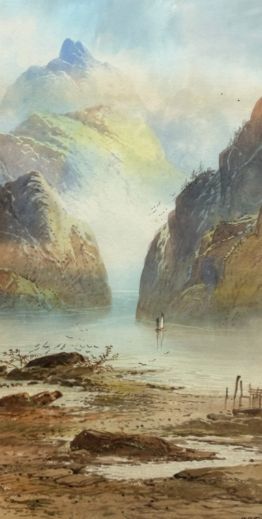
An original scottish watercolour captures mountain mist, loch waters and stone ruins through fluid pigment on paper.
Original Scottish Watercolour
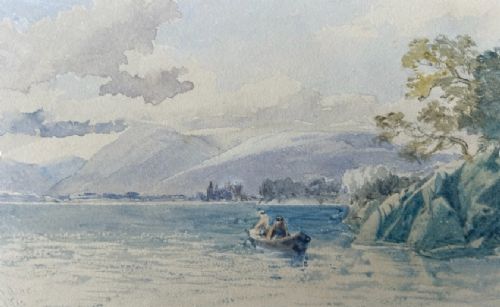
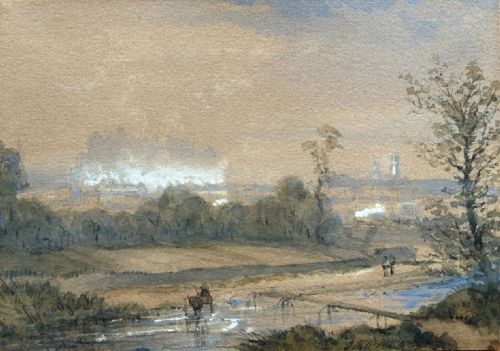
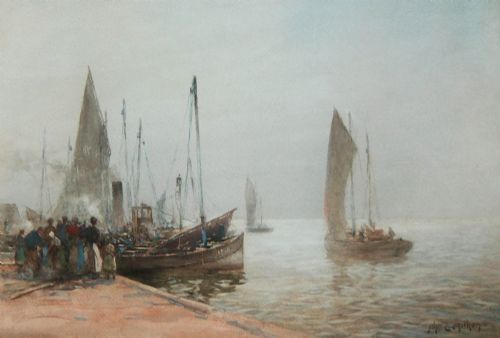
Original scottish watercolour works span landscapes, coastal views, and rural scenes executed across the nineteenth and twentieth centuries. These paintings depict recognizable locations including Loch Awe, Edinburgh, and the Hebrides alongside quiet interiors and botanical studies.
The selection ranges from Victorian topographical watercolours to mid-century modern British compositions. Buyers encounter both expansive mountain vistas featuring highland cattle and intimate village street scenes framed in period gilt wood or simple timber.
How They Were Made
Artists applied watercolour pigment suspended in water directly onto heavy paper supports, often building up translucent washes to achieve atmospheric effects of light and weather. Many works incorporate preparatory pencil sketching beneath the paint layers to define architectural details and landscape contours.
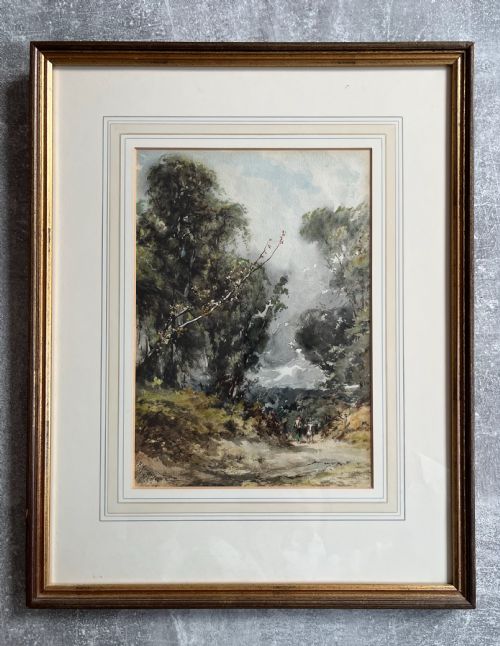
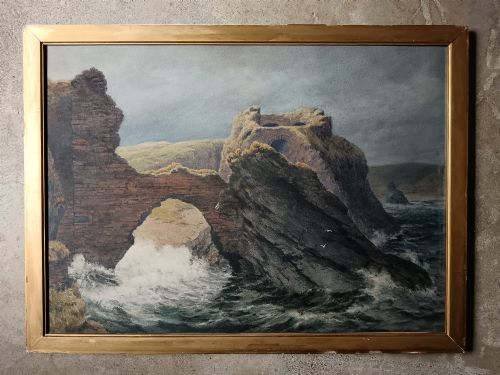
Finished sheets were traditionally protected behind glass within wooden frames, frequently enhanced with gilt mouldings that reflected the aesthetic preferences of the Victorian and Edwardian periods.
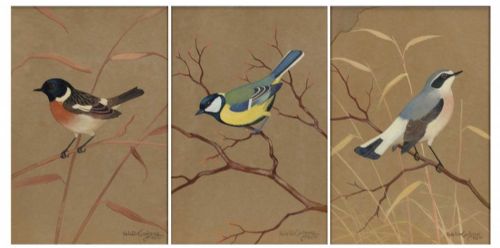
Even Scottish game birds and garden birds occasionally sat still enough for a meticulous watercolour portrait.
What Varies in Quality
The distinction between standard works and masterworks rests upon the confidence of the brushwork and the management of negative space. Superior paintings capture transient atmospheric conditions with economy and precision rather than relying on heavy overworking.
Context also defines a piece, with documented provenance, artist signatures, and exhibition histories elevating specific sheets. Furthermore, the survival of the original pigment vibrancy without excessive fading contributes significantly to the standing of an individual work.
David Law·George Fotherly Hargitt·Thomas Miles Richardson Jnr·William Henry Earp·John R Prentice·James E Aitken·Ralston Gudgeon·John Moxon·Robert Buchan Nisbet·John Mitchell·R P Noble·Stanley Orchart·Margaret Laing·Snaffles·Hirst Walker·Sir William George Gillies·John R Houston·Emily M Paterson·Alfred Graham·John B MacDonald·James Kinnear·Thomas Pritchard·Donald Watson·Fred Lawson·John D Walker
The Original Scottish Watercolour Glossary
- Watercolour paint
- A medium consisting of colour pigments mixed with a water-soluble binder, dissolved and applied with water to paper surfaces. It allows for transparent washes and luminous colour effects.
- Grisaille
- A painting executed entirely in shades of grey or neutral monochrome. This technique often served to emulate sculptural reliefs or provide preliminary compositional studies.
- Monogram
- A motif made by overlapping or combining two or more letters to form a single symbol. Artists frequently utilised these initials to sign works discreetly.
- Provenance
- The chronological history of the ownership of a piece. Documented origins help authenticate works by named makers.
- Topographical
- Representing specific real places with geographic fidelity. These scenes document historical buildings, landscapes, and towns before modern development.
Original Scottish Watercolour: Frequently Asked Questions
How do I date an antique Scottish watercolour?
Dating relies upon paper characteristics, framing styles, and signature details alongside recorded biographical dates of the artist. Contemporary inscriptions on the reverse often supply specific years.
Stylistic shifts also provide clues, moving from detailed Victorian topographical realism toward freer mid-century modern interpretations of landscape.
How should I hang and protect watercolour paintings?
Watercolour pigments remain sensitive to ultraviolet light and damp environments. Position works away from direct sunlight and maintain stable indoor humidity levels.
Use conservation-grade mounting materials behind glass to prevent paper acidification and protect the delicate paint surface.
What subjects are typical in Scottish watercolours?
Highland lochs, misty mountain ranges, and coastal fishing villages dominate the traditional subject matter. Painters frequently recorded historic castles, rural crofts, and local wildlife.
Urban views of Edinburgh streets and quiet interior genre scenes also appear across nineteenth and twentieth-century portfolios.
Are these paintings always signed by the artist?
Signatures vary, with many pieces carrying clear artist signatures, monograms, or dated inscriptions on the front or reverse. Other examples remain unattributed or carry only historic gallery labels.
Attributions are established through stylistic comparison with documented works by known practitioners of the period.