
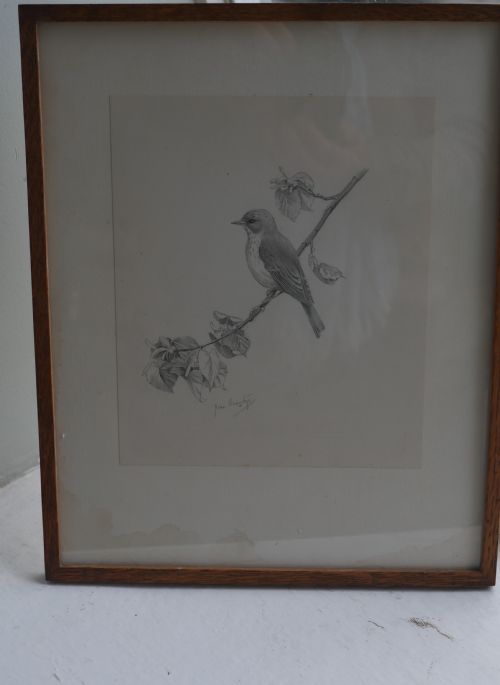


Original Pencil Sketch
An original pencil sketch records a swift observation or a careful study on paper, offering direct contact with a maker's hand.
What an original pencil sketch is
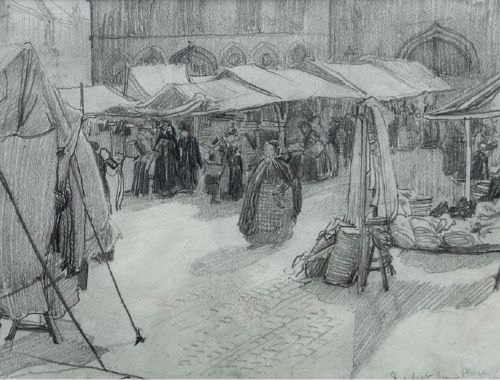
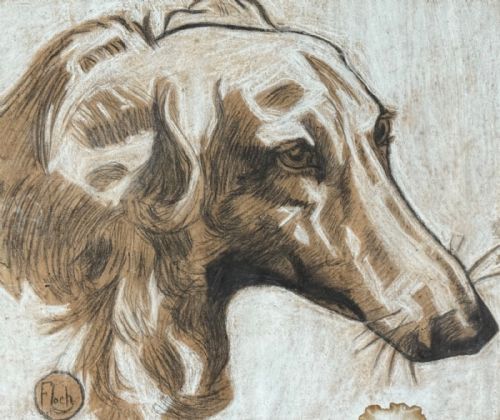
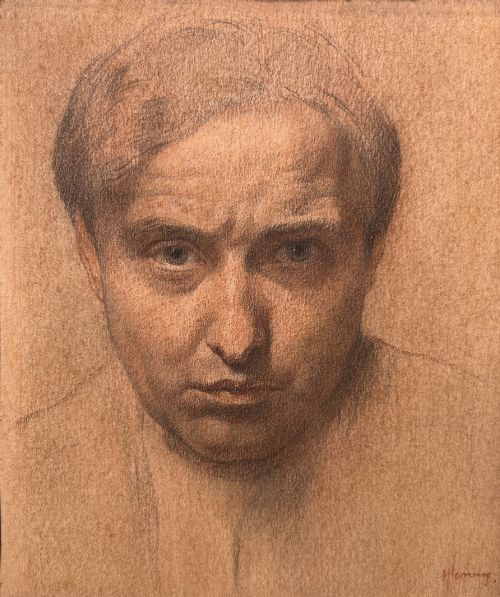
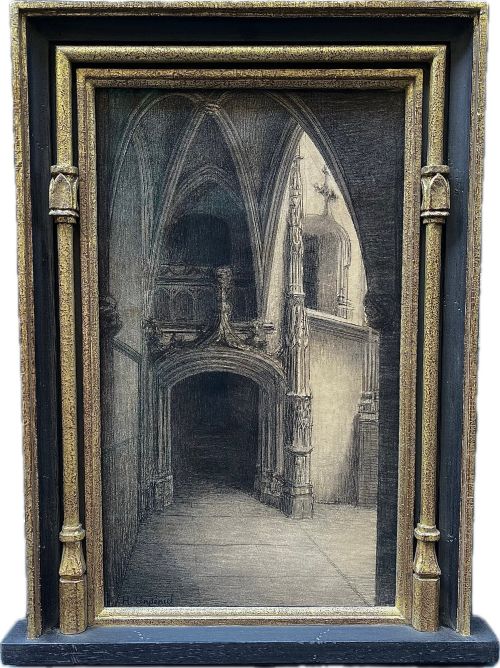
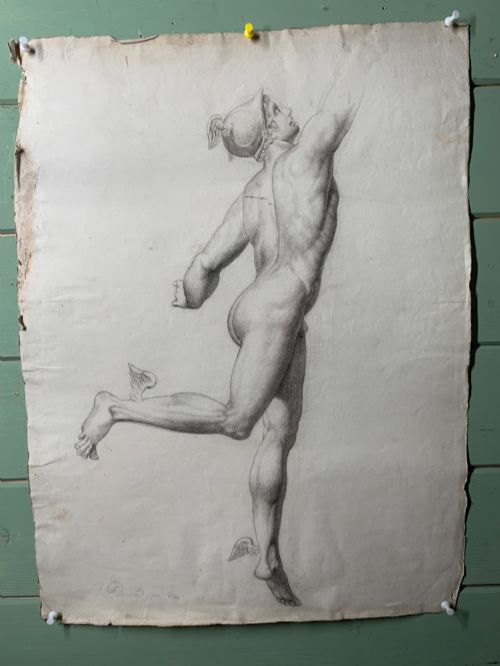
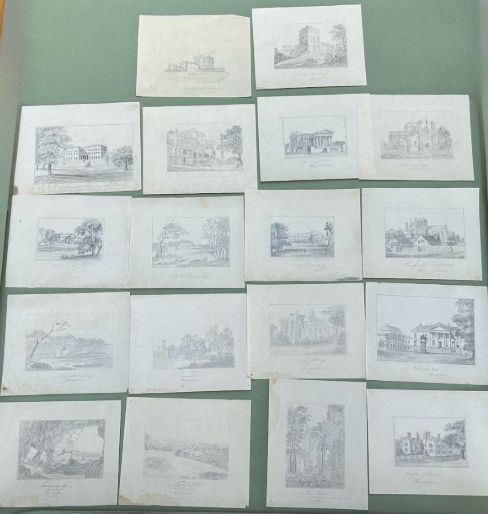
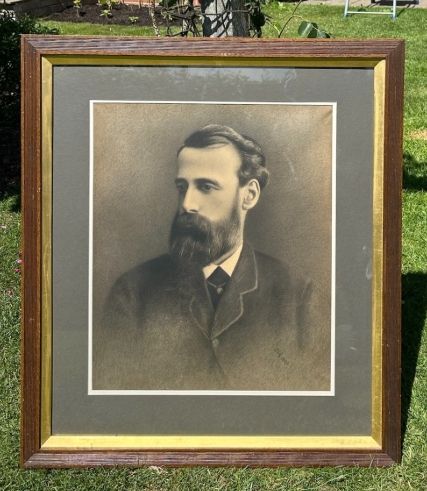
An original pencil sketch captures subjects ranging from English landscapes and architectural studies of York to character portraits and surrealist compositions. These works span the early 19th century through the mid-20th century, encompassing styles from early 20th century British to mid-century modernist and surrealism.
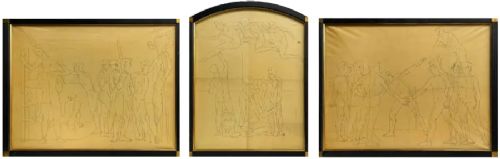
The pieces often take the form of original art, framed artwork, watercolour drawings, and fine art. Works from the 1920s, 1930s, and 1960s sit alongside numerous examples from the 19th century.
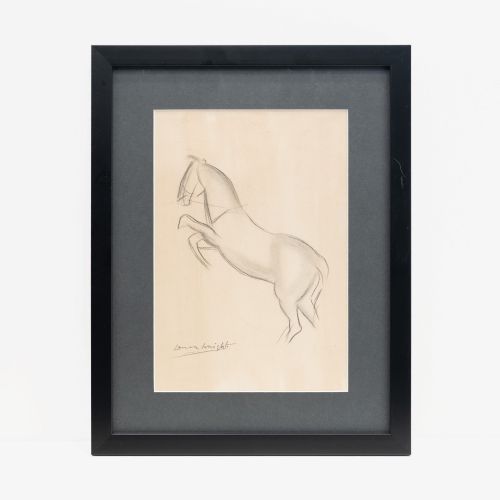
Buyers encounter landscape views of rivers and country estates, townscapes, religious subjects, and figure studies. Many pieces bear signatures, monograms, or dates left by the original maker.
Materials and technique
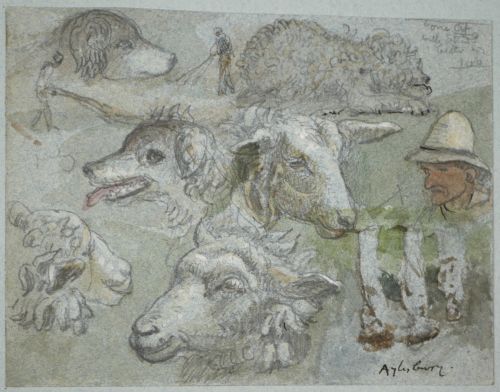
Makers utilised graphite, charcoal, and coloured pencil on paper supports, frequently combining mediums with ink, pastel, or watercolour. Some drawings are heightened in white to add contrast and highlight details within the composition.
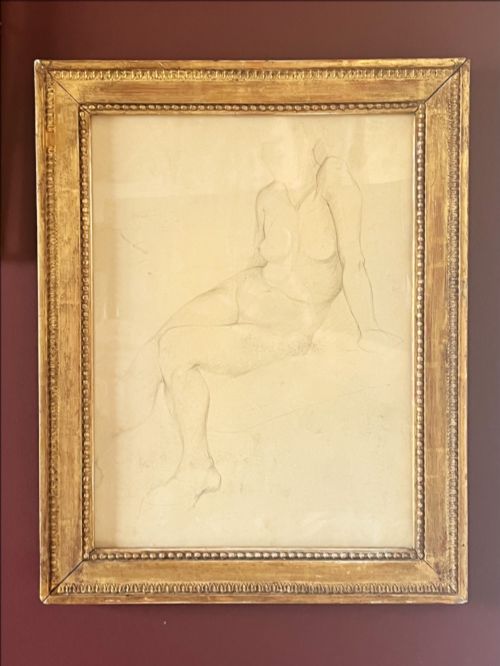
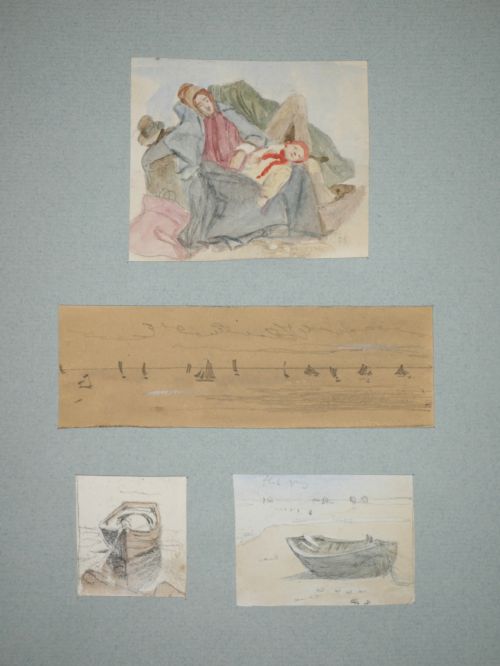
Framed examples are typically housed behind glass within wooden frames, protecting the delicate paper surface and media from atmospheric damage. Works often retain mount boards that frame the central drawing.
Retail Price Guide 2026
Typical UK retail prices for original pencil sketch, calculated from the Sellingantiques database of over a million retail prices indexed since 2003. This retail price guide relies exclusively on Sellingantiques data; no external sources or auction records are used, so the figures do not describe the wider market.
One Victorian sketch captures a bustling crowd of gentlemen in top hats enjoying a day at the races.
Distinctions in quality
The handling of line and tone separates casual jottings from accomplished finished studies. Superior works demonstrate a confident command of proportion and perspective, whether rendering architectural stonework or the play of light across a landscape.
The survival of the paper surface in its original condition influences the character of the piece. Works that retain their crisp contrasts without excessive fading or paper discolouration preserve the direct intention of the maker.
Fred Lawson·Sir Francis Leggatt Chantrey·Harry Epworth Allen·Walter Spradbery·David Roberts RA·George Charles Haite·Frances Wyndham Lady Burrell·E Ridsdale Tate·Henry William Burgess·John Martin
The Original Pencil Sketch Glossary
- Graphite
- A form of carbon used as a drawing medium in pencils. It produces grey or black marks that can range from soft and dark to hard and light.
- Charcoal
- A dry drawing material made from burnt organic matter. It yields deep black, velvety lines suited to rapid sketching and tonal shading.
- Watercolour
- A paint consisting of pigment suspended in a water-based solution. It frequently appears alongside pencil in these works to tint the drawn lines.
- Monogram
- A motif made by overlapping or combining two or more letters. Makers often used these initials to sign works discreetly.
- Heightened in white
- The application of white pigment or bodycolour to highlight specific areas of a drawing. This technique increases tonal contrast against the grey pencil or paper.
Frequently Asked Questions
How should I display an original pencil sketch?
Keep drawings out of direct sunlight to prevent the graphite, charcoal, and paper from fading over time. Framing behind glass with conservation-grade mounts protects the delicate surface from dust and moisture.
Ensure the paper does not touch the glass directly by using a window mount or spacers. Stable indoor humidity levels preserve both the paper support and the wooden frames.
Are these drawings signed by the artists?
Many pieces carry visible signatures, monograms, or contemporary ink inscriptions left by the maker. Some works include artist notes, dates, or titles written on the front or verso.
Unsigned examples are attributed through style, subject matter, or archival records. Inscribed locations and dates often help connect a drawing to a specific period or maker's journey.
What subjects appear most frequently?
Landscapes and architectural studies form a large portion of the works, recording historic townscapes, churches, river scenes, and country estates. Portrait studies of figures, soldiers, and children also recur across the periods.
Artists frequently recorded their travels across Britain and Europe through swift sketches. Occasional surrealist compositions and religious themes expand the range of subjects.
How do I identify the date of a sketch?
Dates are often written directly onto the paper by the hand of the maker, accompanied by locations or signatures. Stylistic clues, such as military uniforms or architectural details, provide further chronological context.
Paper characteristics and framing materials can also indicate the general period of production. Comparing works by known makers helps anchor undated pieces within a specific decade.