



Original Paper Watercolour Art
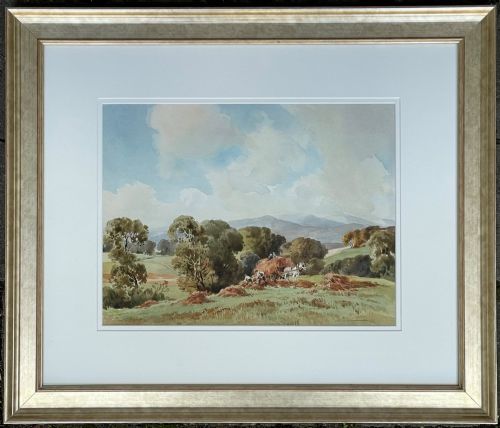
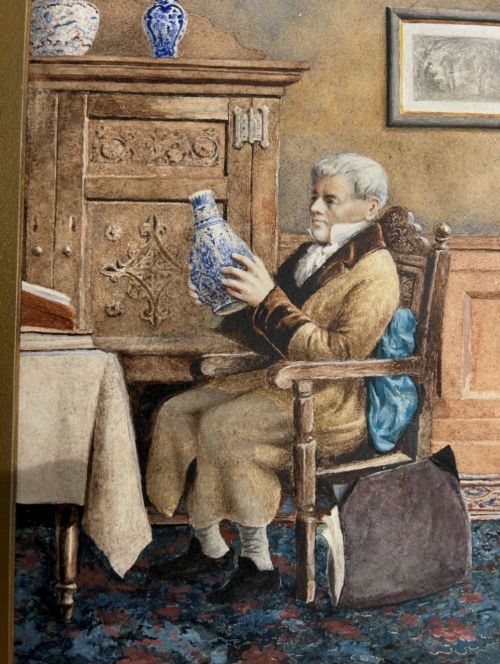
Original paper watercolour art brings hand-painted British landscapes, marine scenes and portraits from the nineteenth and twentieth centuries into a room.
Original Paper Watercolour Art
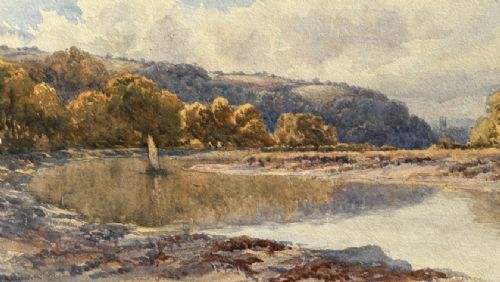
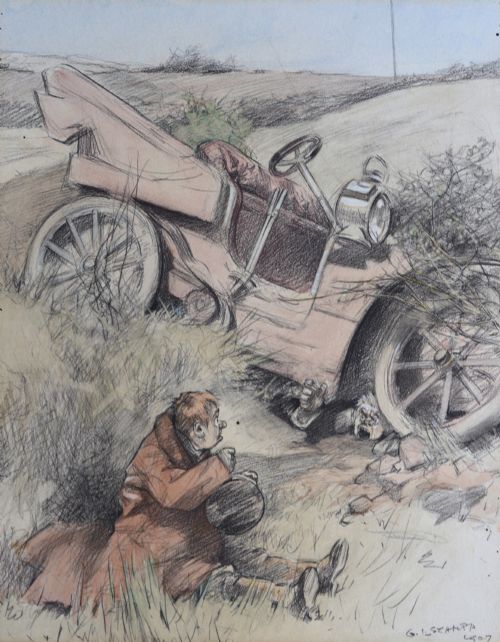
Original paper watercolour art comprises works on paper produced across the nineteenth and twentieth centuries, encompassing Victorian marine art, Edwardian coastal views, and mid-century modern landscapes. These pieces take the form of framed paintings, ink and wash sketches, and wall art created by named artists and schools.
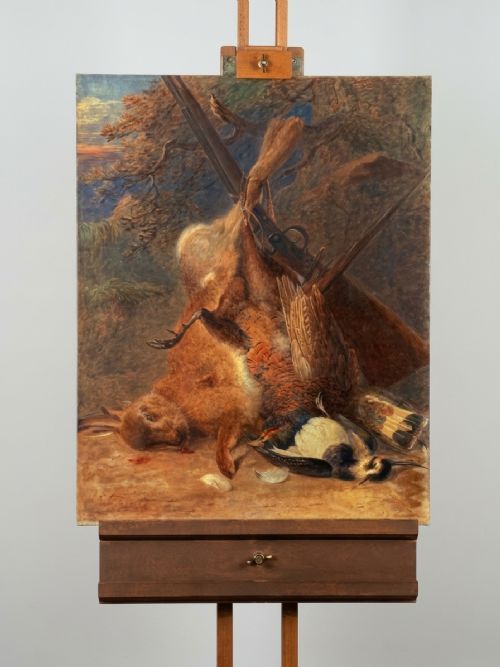
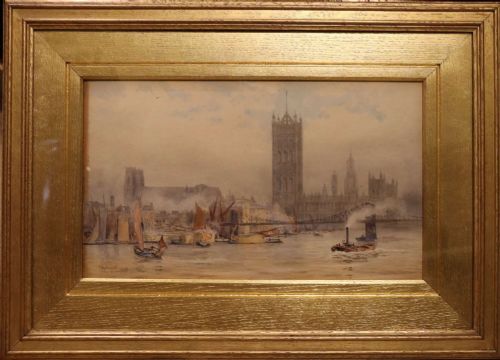
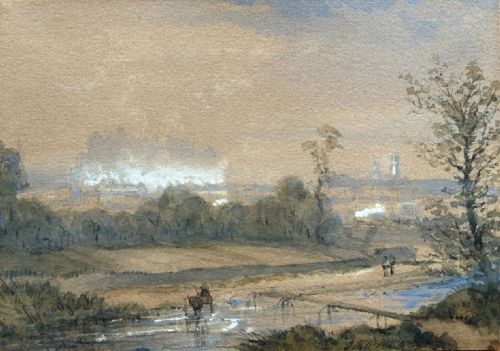
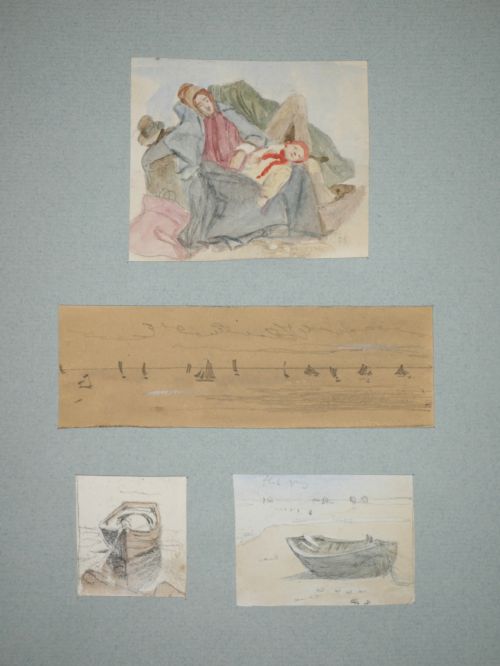
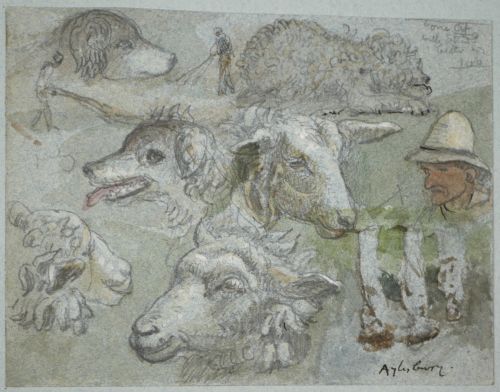
The versions most commonly met on this page date from the Victorian and Edwardian eras through to the 1960s, reflecting British landscape traditions and pastoral scenes. Works range in scale from intimate marine sketches to exhibition-sized animal studies and detailed townscapes.
How they were made
These works rely primarily on watercolour pigment and bodycolour applied to paper support surfaces, often combined with graphite, ink, and wash for line and definition. Artists utilised traditional watercolour paint to build transparent washes or opaque highlights.
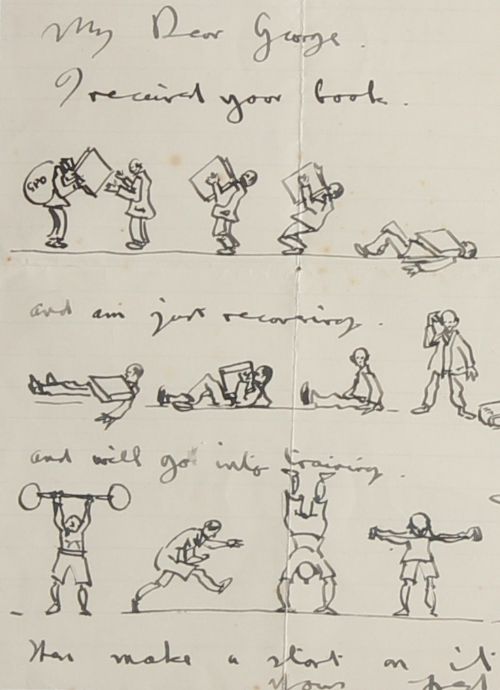
Framed watercolours frequently incorporate protective glass and wooden framing alongside the underlying paper sheet. Mixed media examples integrate pen and ink drawing to establish contours before applying pigment.
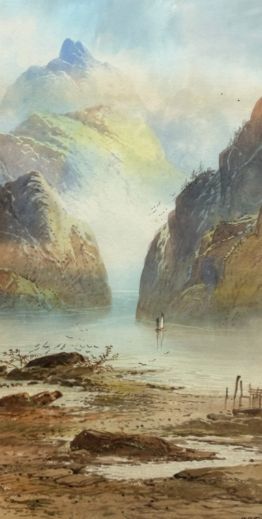
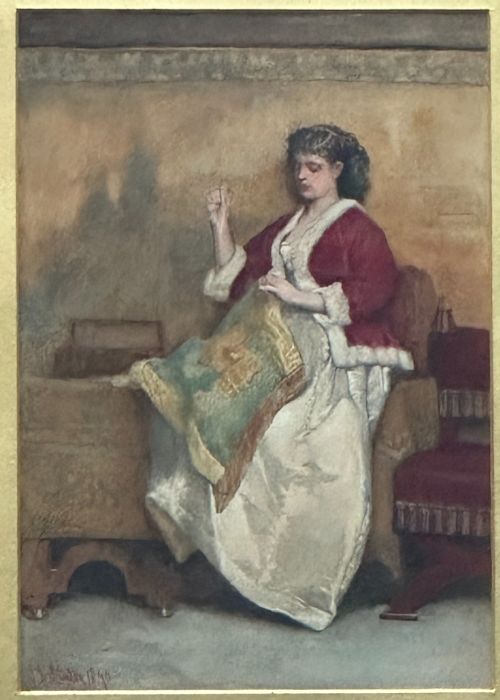
Subject matter spans Scottish and Cumbrian lake landscapes, Venetian canals, maritime shipping, and intimate portrait studies.
What varies in quality
Quality in these watercolours rests upon the precision of the brushwork, the handling of light and atmospheric perspective, and the security of the composition across the paper sheet. Stronger pieces demonstrate confident draughtsmanship in graphite or ink beneath the pigment, particularly in marine and landscape subjects.
The preservation of the paper support and pigment vibrancy further distinguishes the work. Superior examples retain their original tonal depth without heavy fading, while lesser pieces show pigment degradation or loss of contrast in the wash.
George Sydney Shepherd·George Lorain Stampa·James Orrock·William Henry Earp·Sir James Dromgole Linton·John R Prentice·Thomas Ellison·Alfred Young Nutt·Percy Lancaster·Henry Stacy Marks·James Smetham·A Marie Parsons·John McDougal·Robert Leslie Howey·James E Aitken·William Joseph Boyes·Henry Silkstone Hopwood·Muriel Metcalfe·Fred Lawson·John Smith Atherton·Th Thibault·Hector Caffieri·Richard Henry Wright·Thomas Maidment·Alfred G Morgan
The Original Paper Watercolour Art Glossary
- Bodycolour
- Watercolour paint rendered opaque by the addition of white pigment, often used to create highlights and denser areas of colour in nineteenth-century works.
- Wash
- A thin, fluid application of diluted watercolour pigment spread evenly across paper to create skies, water, or background gradients.
- Graphite
- A form of carbon used for preliminary sketching beneath watercolour pigment to outline figures, architecture, and topography.
- Ink and wash
- A technique combining linear ink drawing with translucent washes of watercolour or diluted ink for tonal depth.
- Works on paper
- A collective term for art executed on a paper support, including watercolours, drawings, and sketches.
Original Paper Watercolour Art: Frequently Asked Questions
How should I hang original watercolour art?
Keep watercolours away from direct sunlight to prevent the pigments from fading over time. UV-filtering glass provides additional protection for works on paper.
Position pieces at eye level in rooms with stable humidity levels. Avoid hanging them in damp spaces like kitchens or bathrooms.
How do I identify a Victorian watercolour?
Look for paper stocks, framing styles, and subject matter typical of the nineteenth century, such as detailed British landscapes or marine shipping scenes. Signatures and dates, where present, often confirm the period.
Examine the palette and brush techniques, which frequently favour traditional pastoral or narrative compositions common in nineteenth-century fine art.
What is the difference between watercolour and bodycolour?
Water watercolour relies on translucent washes where the white of the paper shines through the pigment. This creates a luminous, light effect across skies and water.
Bodycolour incorporates white pigment to make the paint opaque, allowing artists to add solid highlights and dense opaque details over dried washes.
Are these watercolours always framed?
Many listings include period wooden frames and glass that protect the fragile paper surface beneath. Framing often reflects the era in which the painting was produced.
Some pieces arrive unmounted or unframed as works on paper, allowing collectors to choose custom conservation framing suited to their interior.