




Original Paper Wall Art
When you search for original paper wall art, you are looking at works on paper spanning centuries, from delicate watercolours to bold lithographs.
Original Paper Wall Art
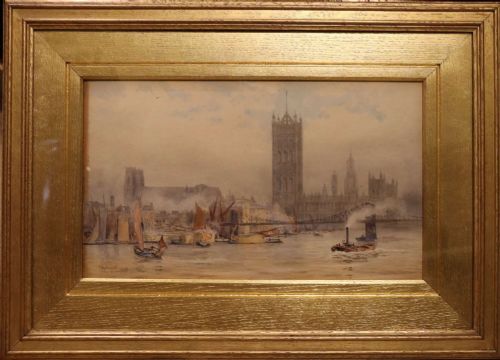
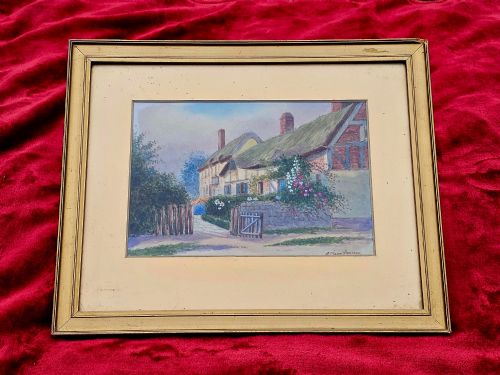
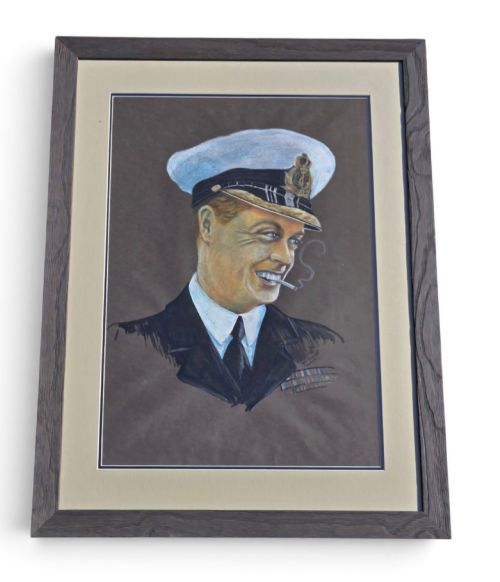
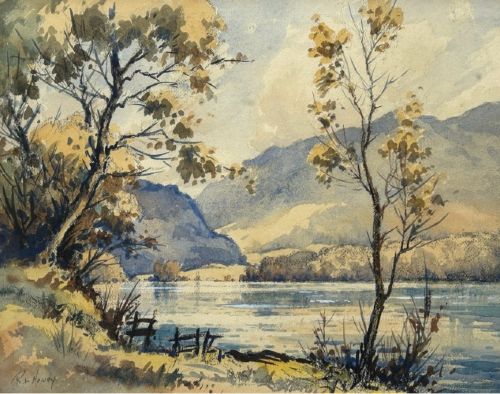
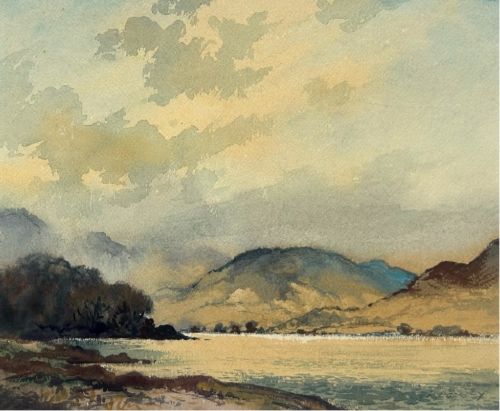
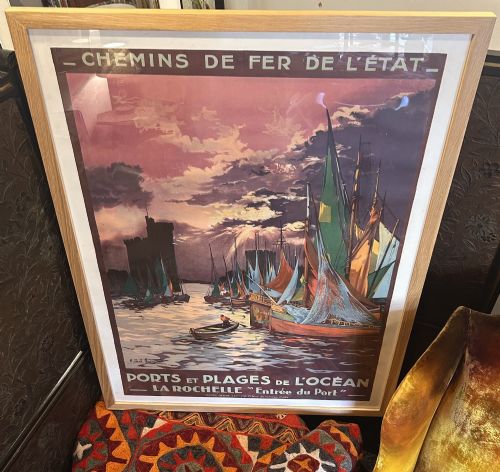
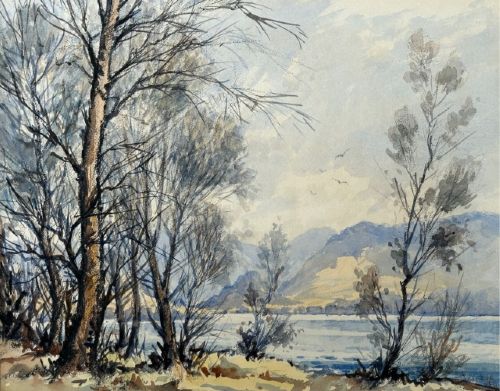
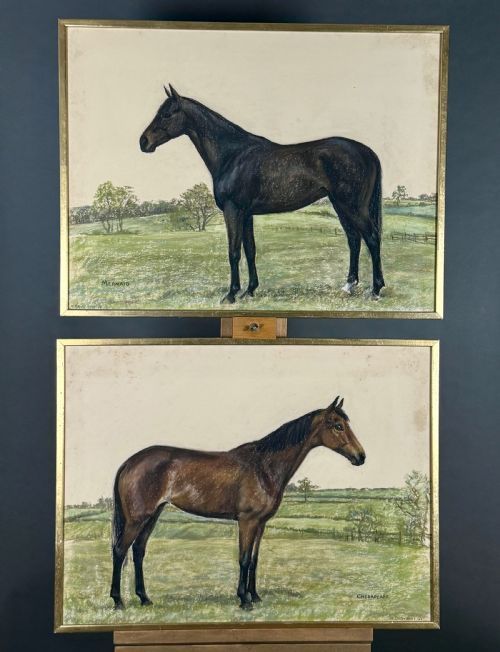
Original paper wall art brings together diverse works created on paper supports, including watercolours, pastels, drawings, and original prints. Pieces range from nineteenth-century landscapes and portraits to mid-century modern lithographs and woodblock prints.
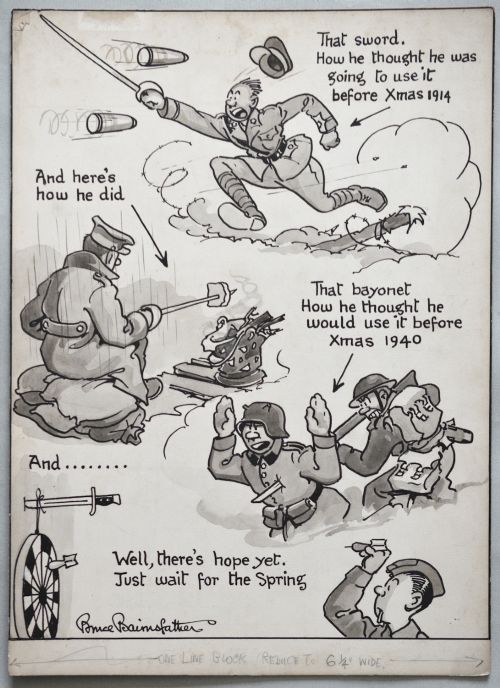
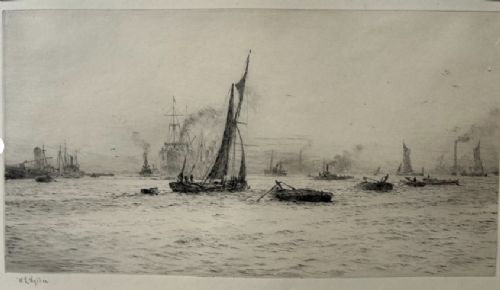
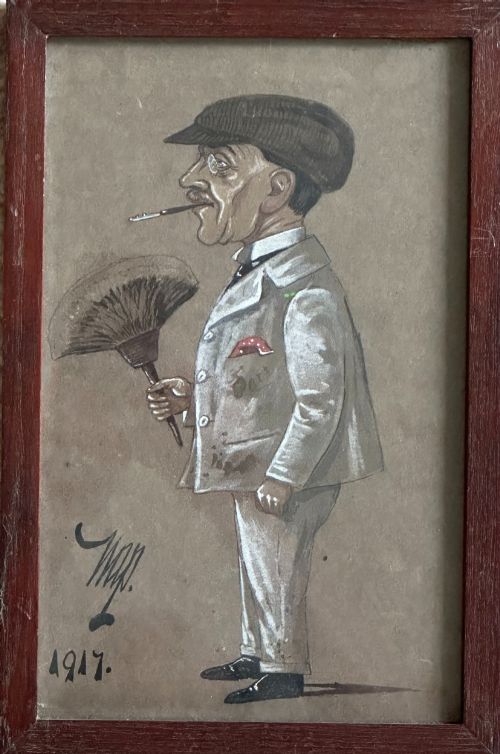
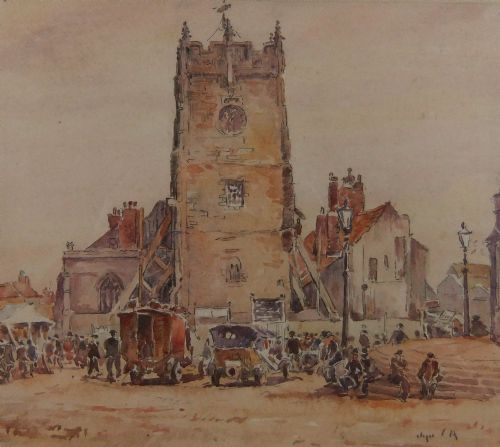
The selections frequently highlight traditional British and European scenes, alongside Japanese prints and satirical illustrations. Framed watercolours and etchings dominate the offerings, providing immediate options for hanging.
Dated examples stretch from the eighteenth century through to the mid-twentieth century, capturing shifts in artistic technique and subject matter across distinct periods.
Materials and technique
Works rely upon paper as the primary support, often paired with watercolour pigment, gouache, ink, pastel, or pencil. Engravings, etchings, and lithographs utilise specialised printing techniques onto paper sheets.
Artists combined these mediums with glass and wood framing, frequently enclosing pieces in period mouldings such as Hogarth frames. The application of ink wash and watercolour pigment allowed for subtle tonal gradations in landscapes and portraits.
Cats, leopards, and garden birds quietly observe passing human buyers from their historical paper perches.
What distinguishes finer examples
Quality rests upon the sureness of the hand, the preservation of the paper support, and the clarity of the medium. Strong works display confident brushwork or sharp impression lines in etchings.
The retention of original framing and genuine artist signatures elevate individual pieces. Condition matters significantly, distinguishing clean sheets from those compromised by heavy fading or foxing.
James Orrock·Alfred Young Nutt·Percy Lancaster·Bruce Bairnsfather·A Marie Parsons·Robert Leslie Howey·William Lionel Wyllie·John Smith Atherton·Marc Chagall·Richard Houston·Thomas Maidment·Herbert Dicksee·Étienne Baudet·William Matthison·Shiro Katamatsu·Ralston Gudgeon·Charles Edward Wilson·Warwick Goble
The Original Paper Wall Art Glossary
- Watercolour
- A painting method in which the paints are made of pigments suspended in a water-based solution. It is typically applied to paper to achieve translucent effects.
- Etching
- A printmaking process where lines are incised into a metal plate with acid before ink is applied and transferred to paper. Signed artist proofs represent early impressions pulled from the plate.
- Lithograph
- A planographic printing process based on the repulsion of oil and water. Artists draw directly onto a stone or metal plate to produce multiple flat-surface prints.
- Pastel
- A dry painting medium in stick form consisting of powdered pigment and a binder. It leaves a velvety texture directly upon the paper surface.
- Mezzotint
- A tonal printmaking method of the intaglio family where the plate is roughened to achieve rich darks and subtle gradations of light.
Original Paper Wall Art: Frequently Asked Questions
How should I hang paper art?
Keep framed pieces away from direct sunlight to prevent the fading of watercolour pigments and paper supports. Consistent indoor humidity helps preserve the integrity of the antique paper.
Ensure proper glazing protects the surface from dust and atmospheric moisture. Secure hanging hardware directly into wall studs for heavier framed works.
What is an artist proof?
An artist proof is an impression of a print pulled to test the plate during the creation process. These carry personal significance as they belonged to the creator's working pool.
Signed proofs often command strong interest from collectors due to their direct association with the printmaker.
Are these works unique?
Paintings, watercolours, pastels, and drawings are entirely unique single-sheet creations by individual artists. Prints and lithographs exist in limited editions rather than as single items.
Each piece retains distinct characteristics based on the hand of the maker and the specific printing or painting session.
How do I identify the period?
Stylistic clues such as Victorian costume, Art Deco geometry, or Edwardian subject matter offer initial chronological markers. Framing styles and paper characteristics also help narrow down the decade of creation.
Signatures, inscriptions, and artist dates recorded on the margin or backing provide the most reliable dating evidence.