

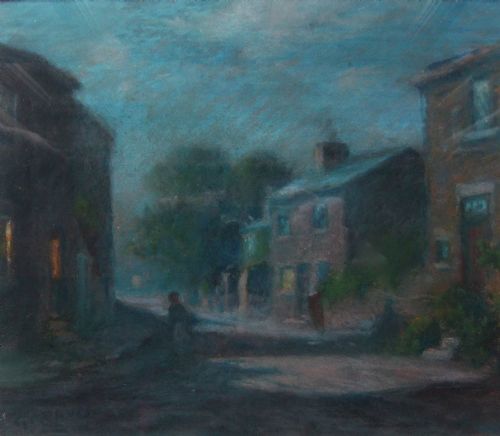


Original Paper Pastel Drawing
An original paper pastel drawing brings immediate warmth and texture to a room, offering direct contact with an artist's hand.
Original Paper Pastel Drawing
An original paper pastel drawing captures scenes from landscape, portraiture, and still life across the nineteenth and twentieth centuries. When searching for this phrase, collectors encounter works spanning Edwardian and Victorian periods through mid-century modern and post-impressionist movements.
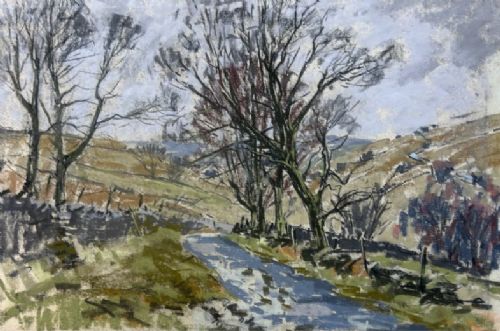
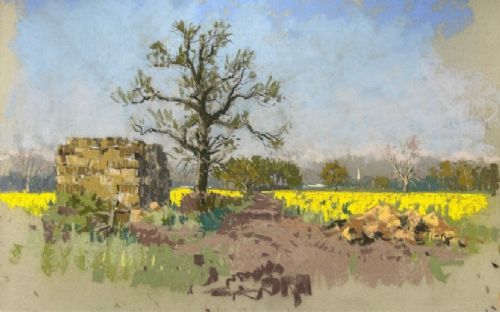
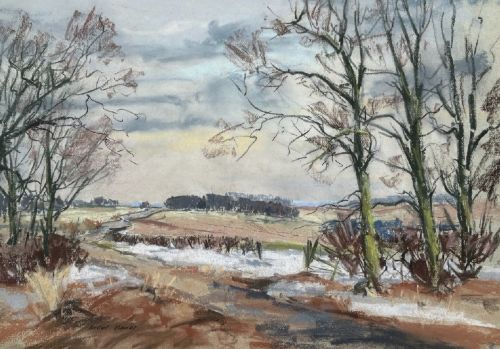
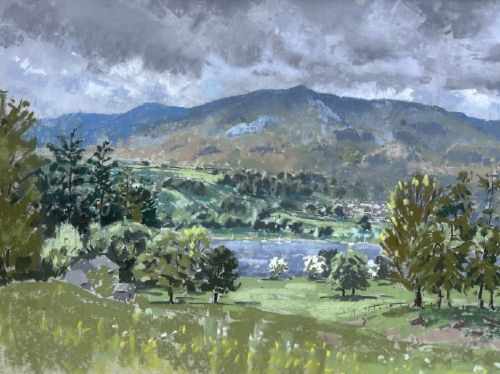
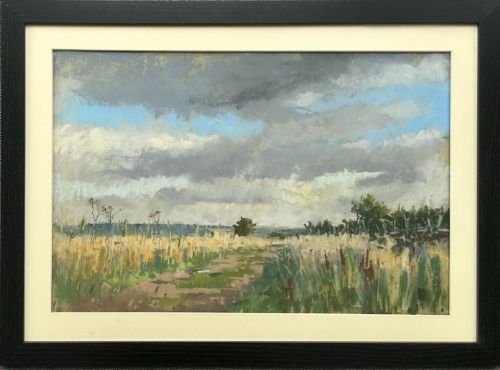
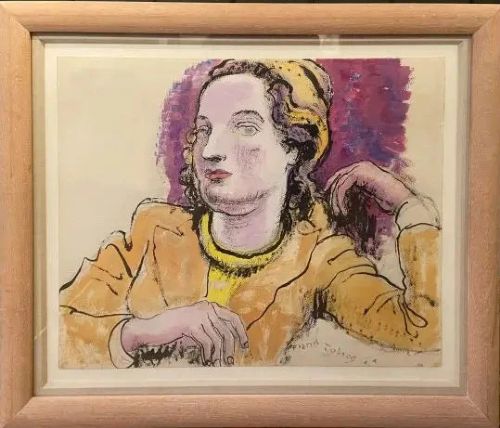
The pieces on this page lean heavily towards mid-twentieth-century British landscapes and portraiture. Artists of these decades utilised pastel alongside charcoal and watercolour to record views from Yorkshire to Cumbria, alongside intimate figure studies.
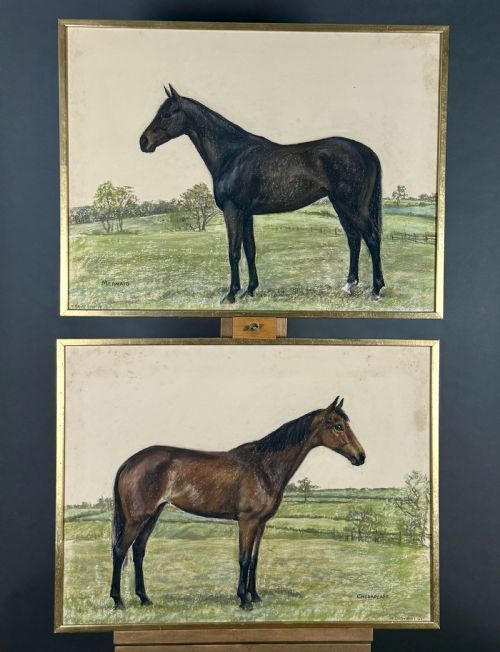
Framed artwork forms the primary vehicle for these pieces, often preserved behind glass in wood or giltwood frames. The subjects range from bustling city streets and quiet rural snow scenes to equestrian studies and intimate portraits.
Materials and technique
Pastel pigment sits directly upon a paper support, sometimes supplemented by chalk, charcoal, or watercolour washes beneath or alongside the dry colour. Certain works apply pastel over lithograph or coloured paper to alter the base tone of the composition.
Because pastel remains friable and delicate, these works rely on glass protection within traditional wooden or giltwood frames to prevent surface smudging and loss of pigment over the decades.
Original Paper Pastel Drawing Retail Price Guide 2026
Typical asking prices for original paper pastel drawing among the pieces listed under this phrase on Sellingantiques today, from the lower quarter to the upper quarter. They describe what is for sale here now, not the wider market.
Several artists captured unexpected subjects, including a lively helter-skelter at the funfair and an intimate portrait of a prince's assistant.
Assessing the standard
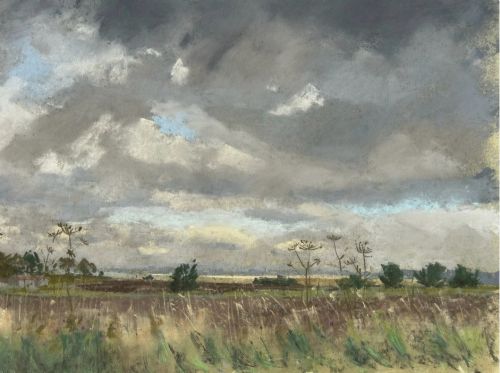
The strength of an original paper pastel drawing depends on the sureness of the draftsmanship and how effectively the artist uses the dry medium to capture light and form. Stronger examples show confident handling of line and tone, whether depicting a turbulent sky or the musculature of a figure.
Conservation and framing condition also separate pieces, as works preserved securely behind glass retain the fresh bloom of the pigment without the dulling effects of historical surface disturbance.
Angus Rands·Frank Dobson·Samuel Rabin·John Rattenbury Skeaping·John Hobson Nicholson
The Original Paper Pastel Drawing Glossary
- Pastel
- A dry painting medium consisting of powdered pigment and a binder, shaped into sticks for direct application to paper. It allows for immediate blending and rich colour saturation.
- Giltwood
- Wood carved and coated with gold leaf or a gold-coloured metallic finish, commonly used for traditional picture frames. This finish provides a reflective border that complements the matte surface of a pastel drawing.
- Post-Impressionism
- An art movement developing from the late nineteenth century onwards, extending Impressionism while rejecting its limitations. Artists prioritised symbolic content and expressive use of colour and form.
- Charcoal
- A form of dry charred wood used for sketching and underdrawing, frequently paired with pastels to establish strong compositional lines before colour is applied.
Original Paper Pastel Drawing: Frequently Asked Questions
How should I hang a pastel drawing?
Keep pastel works out of direct sunlight to prevent the pigments from fading over time. Position them on interior walls where temperature and humidity remain relatively stable.
Ensure the frame stays securely sealed behind glass with a mat that prevents the paper from touching the glazing directly. This protects the friable pigment surface from moisture and physical contact.
Are pastels considered paintings or drawings?
Pastels occupy a unique middle ground between drawing and painting because the medium uses pure pigment applied like a crayon or chalk. Art history often classifies them as both, depending on how densely the artist covers the paper.
Works with heavy, blended pigment application resemble oil paintings in their depth of colour. Lighter applications that expose more of the paper grain read more clearly as drawings.
How do I identify mid-century British pastels?
Mid-century British pieces frequently feature regional landscapes, industrial scenes, or abstracted figures created between the 1930s and 1960s. The palette often reflects northern topography, utilising earthy tones alongside brisk, expressive marks.
Signatures, dates, and framing styles from the period help confirm the era. Many works also carry labels or provenance from regional exhibitions and portfolios.
Why are pastels framed under glass?
Pastel pigment consists of dry powder held together by a minimal binder, meaning the surface lacks a protective varnish. Without glass, any physical contact easily smudges or removes the delicate colour particles.
Glass also shields the paper and pigments from atmospheric dust, airborne grease, and pollutants that would otherwise degrade the unsealed surface over decades.