



Original Paint Buffet
An original paint buffet brings centuries of provincial character and weathered colour into a room, offering both practical storage and a living record of domestic history.
Original Paint Buffet
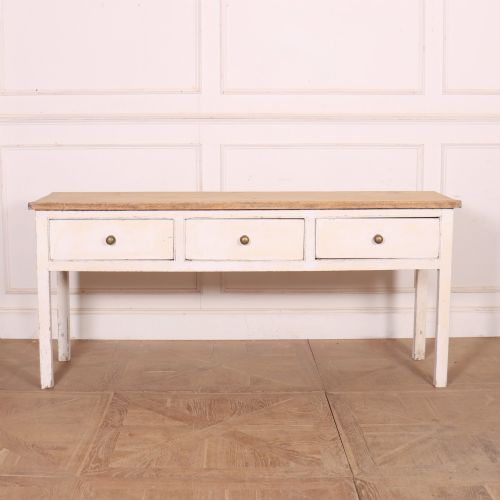
When you search for an original paint buffet, you are looking at substantial timber storage furniture that retains its historic surface rather than a modern reproduction or a later stripped finish. These pieces include sideboards, dresser bases, kitchen cupboards and buffet de corps, serving as both serving surfaces and enclosed storage.
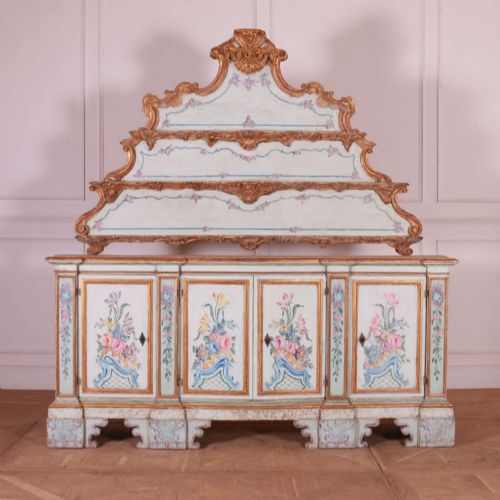
The pieces on this page span the eighteenth and nineteenth centuries, taking forms typical of English, Scottish, French, Italian, Venetian, Scandinavian and rustic country traditions. You will frequently encounter pine, softwood and elm construction finished in original painted, scraped or scumbled surfaces.
Regional vernacular styles define the selection, ranging from the carved detailing of continental workshops to the robust utility of British kitchen furniture. Each piece reflects the aesthetic preferences and daily domestic requirements of its specific geographic origin.
How they were made
Carpenters constructed these items using solid timbers such as pine, softwood, elm and occasionally giltwood for decorative accents, relying on traditional joinery techniques suited to provincial workshops. Drawer boxes, carcass frames and panelled doors were built to withstand heavy daily use in kitchens and dining rooms.
Surfaces received layers of traditional paint, often applied as scumble glazes or scraped back over decades to reveal underlying tones and textures. Iron and brass hardware, including hinges, pulls and escutcheons, were fitted by hand to secure doors and drawers.
Original Paint Buffet Retail Price Guide 2026
Typical asking prices for original paint buffet among the pieces listed under this phrase on Sellingantiques today, from the lower quarter to the upper quarter. They describe what is for sale here now, not the wider market.
Some nineteenth-century cupboards retain stubborn layers of scraped paint that tell the story of every kitchen redecoration they survived.
What varies in quality
Quality in an original paint buffet lies in the integrity of the surviving surface and the proportion of the timber carcass. A piece that retains its early or untouched painted finish without heavy overpainting holds greater visual and historic depth.
Construction standards also vary between rustic vernacular items and pieces from more formal regional traditions. The subtlety of carved details, the patination of the wood beneath the paint, and the balance of the proportions distinguish superior examples.
The Original Paint Buffet Glossary
- Buffet de corps
- A tall French provincial cupboard or sideboard, usually featuring enclosed storage in both upper and lower sections.
- Dresser base
- The lower portion of a kitchen dresser, comprising a solid top with drawers and cupboards below, used independently as a sideboard.
- Scumble
- A decorative painting technique where a translucent glaze is dragged or brushed over a lighter base coat to simulate grain or create mottled texture.
- Vernacular
- Architecture and furniture built by local craftsmen using traditional regional methods and available materials, rather than following academic architectural styles.
Original Paint Buffet: Frequently Asked Questions
What is an original paint buffet?
An original paint buffet is a historic storage piece, such as a sideboard or dresser base, that retains its early or untouched painted surface rather than having been stripped or recently repainted.
These pieces originate from various eighteenth and nineteenth-century European traditions, showcasing regional variations in timber, hardware and decorative painting techniques.
How do I care for historic painted wood?
Caring for painted antique furniture involves keeping the piece away from direct heat sources and fluctuating humidity, which can cause timber to move and paint to flake.
Dust the surface gently with a dry, soft cloth and avoid chemical cleaning products that might damage the historic pigment layers.
Where were these buffets made?
These items were produced in provincial workshops across Britain and continental Europe, reflecting local domestic needs and rural design preferences.
Origins represented include English, Scottish, French, Italian, Venetian and Scandinavian regions, each employing distinct woods and painting styles.
How can I tell if the paint is original?
Assessing a painted surface involves looking for natural wear patterns, historic craquelure, and the accumulation of dust and age within the microscopic crevices of the pigment.
Under magnification, genuine early paint often reveals multiple underlying layers, subtle fading and integration with the timber substrate below.