
Original Oil Still Life
These original oil still life pieces bring domestic intimacy and botanical observation into rooms through painted arrangements of fruit, flowers, and objects.
Original Oil Still Life
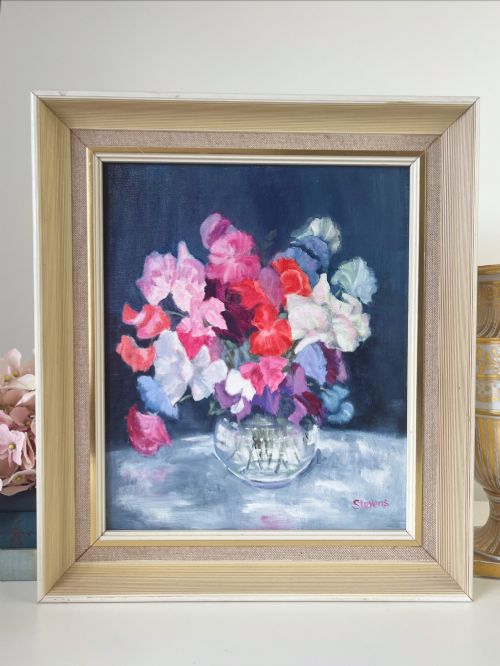
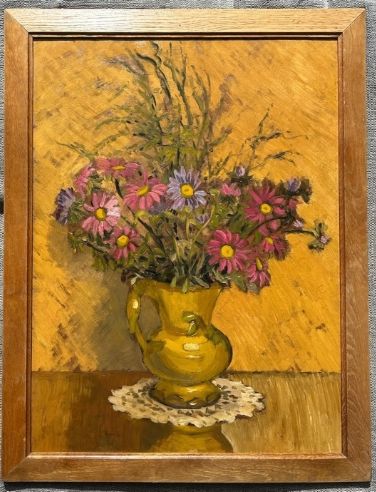
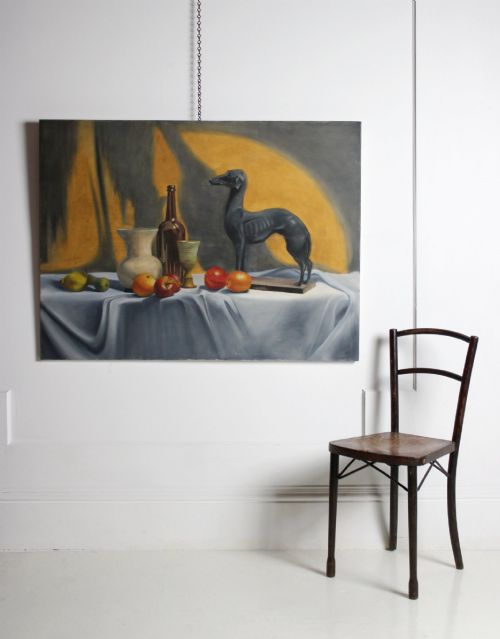
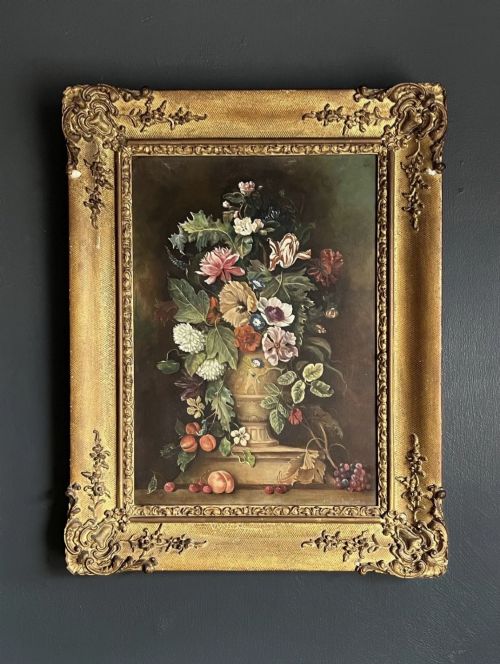
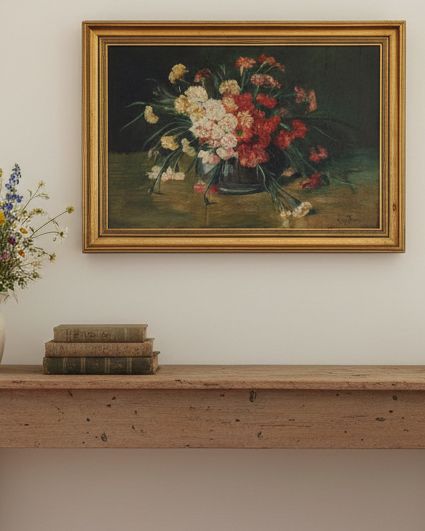
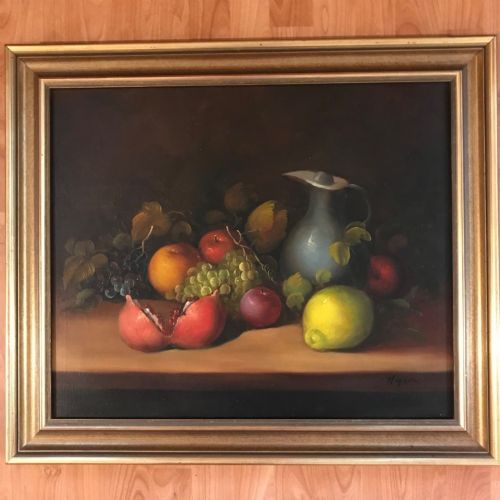
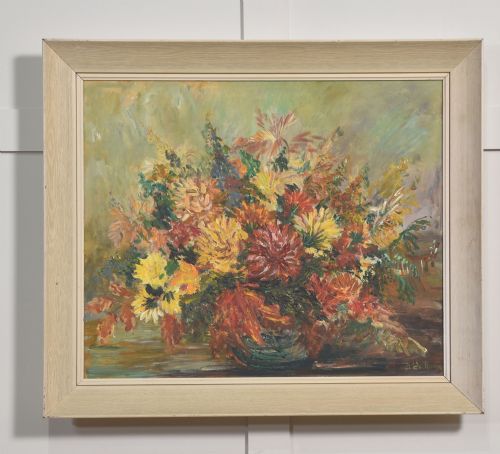
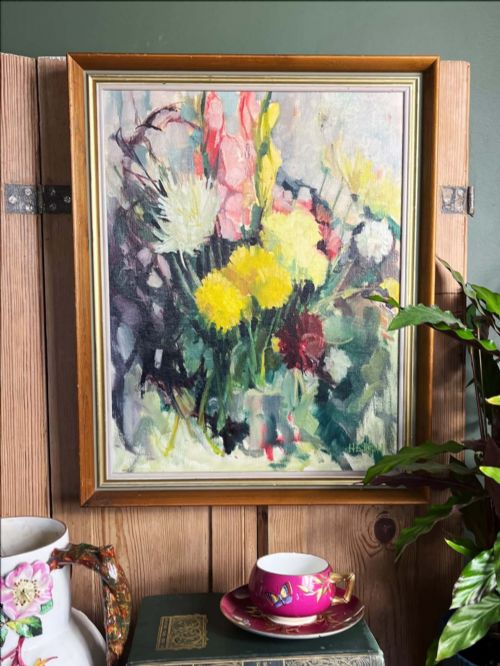
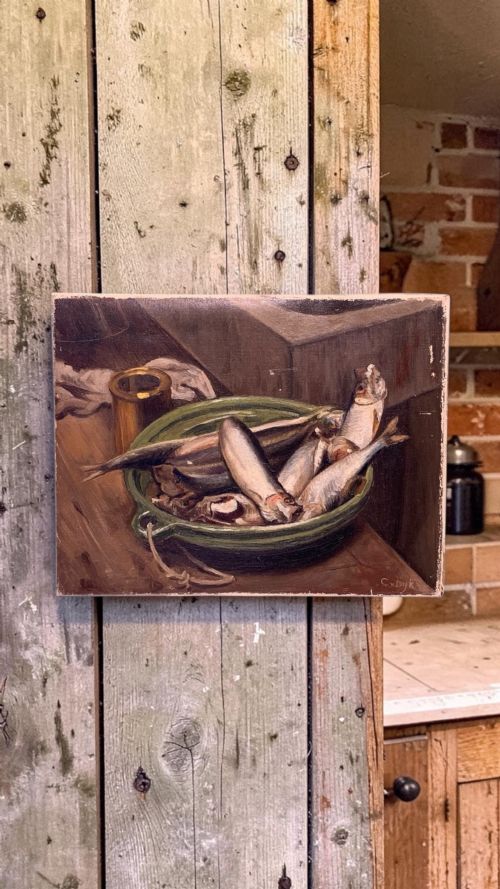
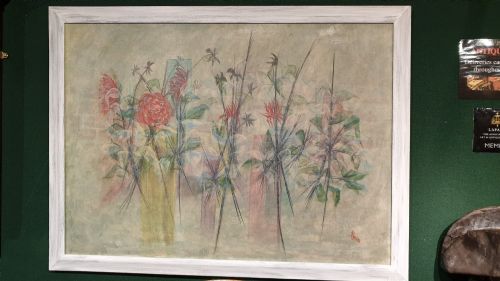
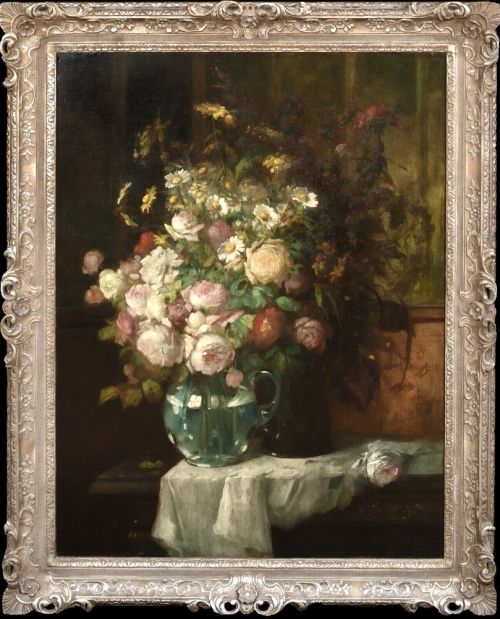
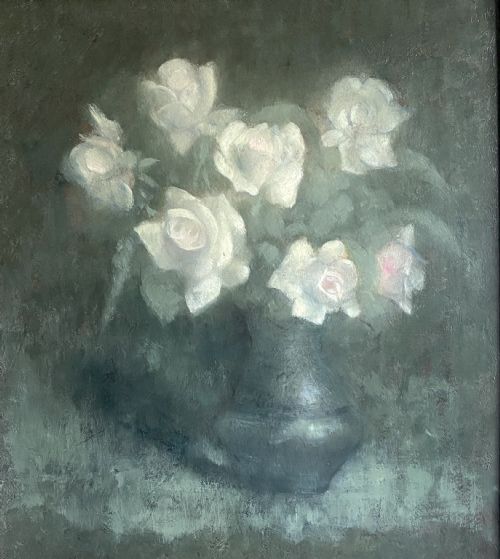
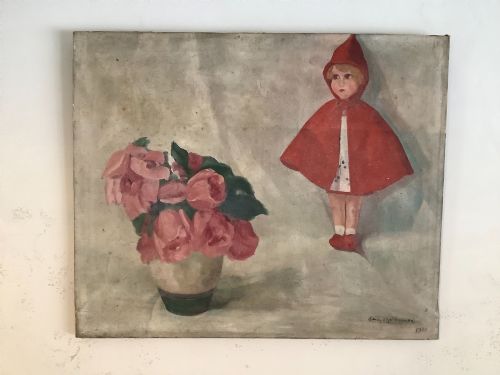
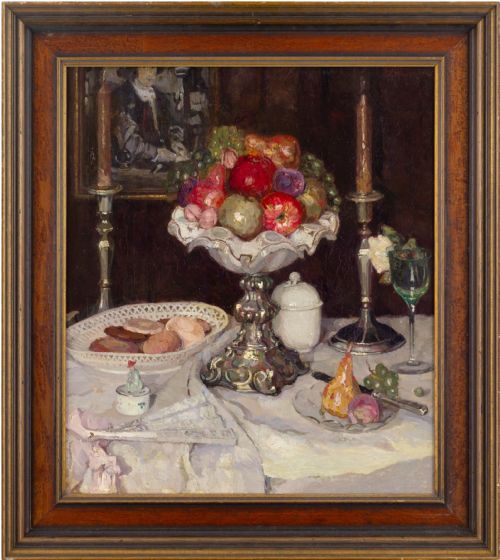
An original oil still life captures inanimate subject matter such as floral arrangements, fruit, and tableware through applied pigments. Buyers encounter Victorian and Edwardian botanical studies alongside mid-century modernist interpretations.
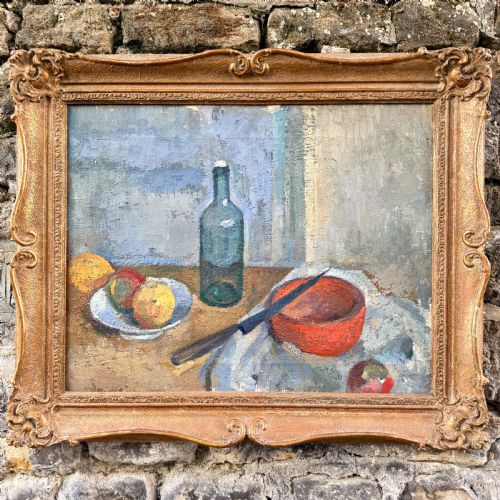
The selections span nineteenth-century academic realism to post-impressionist and mid-century expressionist compositions. Common subjects feature summer roses, autumn apples, and gathered wildflowers arranged in ceramic vases or baskets.
Works originate from British, French, Belgian, and Dutch hands, reflecting distinct regional approaches to colour and light. Canvases and wooden panels present intimate tabletop arrangements scaled for domestic display.
How They Were Made
Painters applied oil paint to stretched canvas, wooden panels, board, or milk glass, building rich surface textures. Brushwork ranges from tight academic precision to loose post-impressionist application.
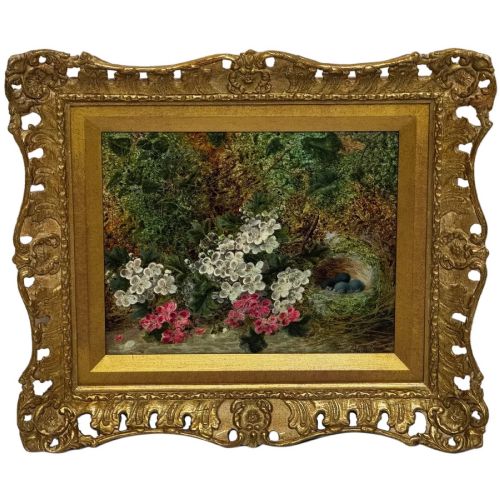
Finished works found housing in ornate gilt gesso frames, solid wood mouldings, or simple oak surrounds. Gilt leaf details highlight nineteenth-century and Edwardian presentations.
Several artists clearly grew very tired of painting fruit and hid tiny butterflies amongst the peaches just to stay awake.
What Varies in Quality
Compositional balance and the handling of light separate routine decorative studies from accomplished works. Stronger paintings demonstrate sophisticated tonal harmony and confident brushwork that defines form and space.
The sensitivity of pigment application dictates depth, particularly in the rendering of translucent flower petals and textured fruit surfaces. Original period framing also contributes to the integrity of the piece.
Oliver Clare·Konstantin Stoitzner·Denis Mitchell·Barbara Hepworth·Owen Bowen
The Original Oil Still Life Glossary
- Canvas
- A heavy woven fabric stretched across a wooden frame to serve as a painting surface. It provides the traditional textured ground for oil pigments.
- Gesso
- A plaster mixture applied to wood panels or frames to create a smooth surface for gilding and painting. It forms a durable base beneath the final layers.
- Impressionism
- A nineteenth-century painting style characterised by relatively small, thin yet visible brush strokes and an emphasis on accurate depiction of light. Painters capture transient visual impressions.
- Post-Impressionism
- An art movement extending Impressionism while rejecting its limitations, favouring more symbolic content and heavier brushwork. Artists explore vivid colours and geometric forms.
- Panel
- A flat piece of wood or metal used as a rigid support for oil painting instead of fabric. Panels offer a smooth, stable ground for detailed brushwork.
Original Oil Still Life: Frequently Asked Questions
How do I care for an oil painting?
Keep paintings away from direct sunlight and dramatic temperature swings to prevent canvas sagging and paint cracking. Dust surfaces gently with a soft, dry brush without applying moisture or cleaning agents.
Professional conservators should handle any deep cleaning or structural repairs to the canvas and frame. Stable indoor humidity preserves both the wooden support and the oil pigments over decades.
How can I date an oil still life?
Examine the support material, stretcher construction, and framing style for period manufacturing indicators. Canvas types and wooden panel preparations often align with specific decades from the nineteenth and twentieth centuries.
Artist signatures, exhibition labels, and inscription styles on the reverse offer further chronological clues. Stylistic markers such as post-impressionist brushwork or Edwardian palette choices narrow down the creation era.
What subjects are most common?
Floral arrangements featuring roses, daisies, and seasonal blooms dominate the compositions. Fruit studies incorporating apples, grapes, and peaches in baskets or ceramic bowls appear frequently.
Tabletop scenes occasionally include glassware, tableware, and botanical nests with eggs. These domestic subjects reflect traditional academic training and interior decorative preferences.
Are these paintings supplied with frames?
Many pieces retain their original period frames, including ornate gilt gesso and solid wood mouldings. These enclosures complement the aesthetic of the era in which the artwork was created.
Listings specify whether a work includes its period frame or unmounted board. Matching the frame style to the painting date preserves the historical presentation of the artwork.