
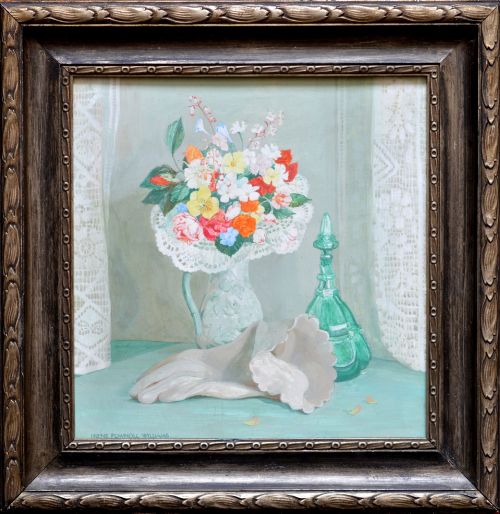
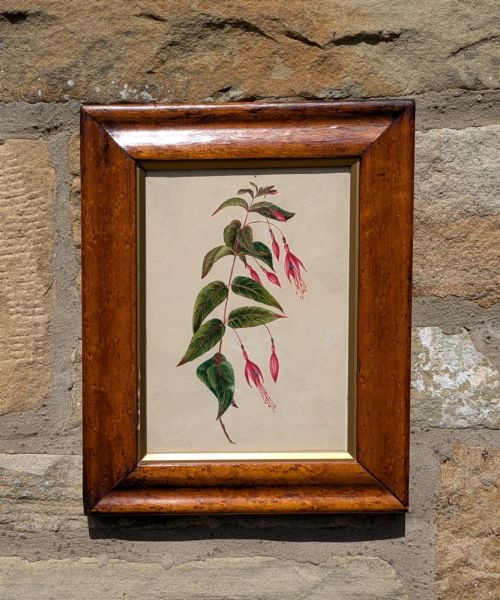
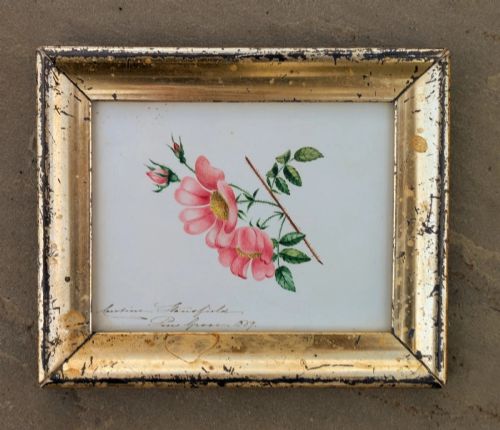
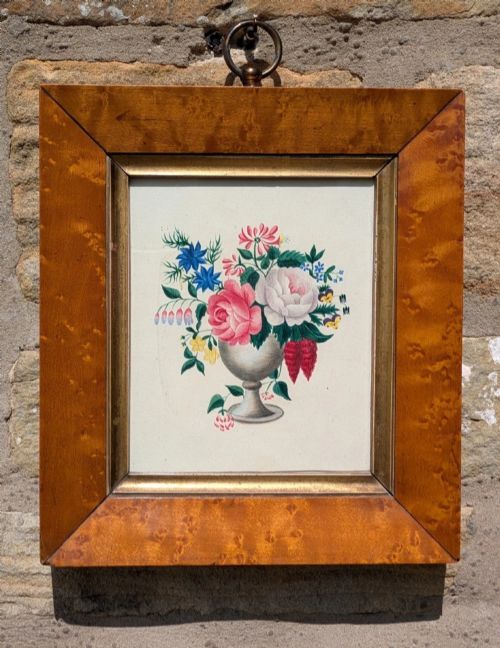


Vintage Flower Study
A vintage flower study captures botanical specimens and floral still lifes across centuries of painting and printmaking.
Vintage Flower Study
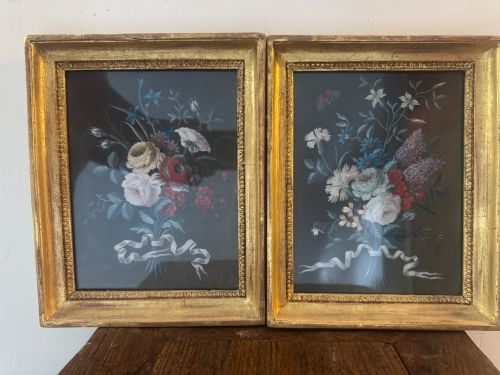
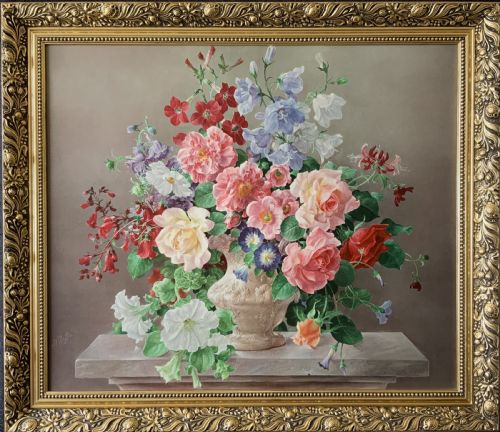
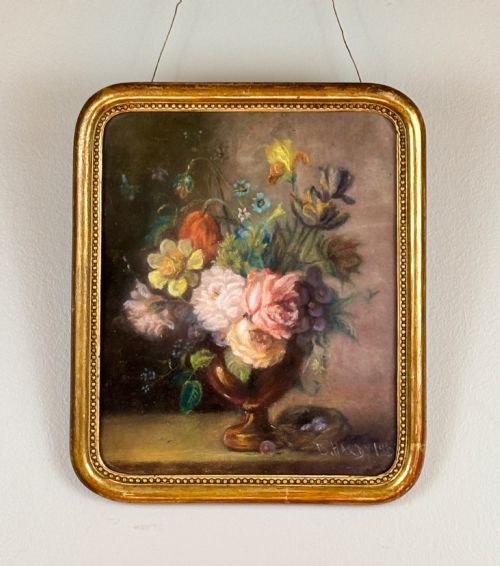
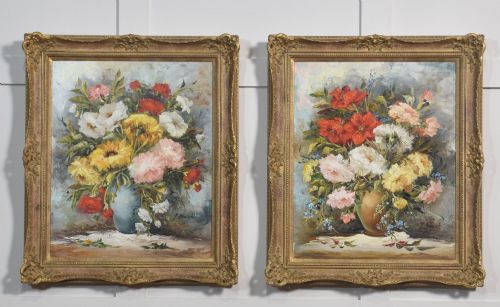
A vintage flower study brings natural specimens and gathered blooms into domestic spaces through varied media. Buyers searching this phrase encounter works ranging from delicate 19th-century watercolours to mid-century oil paintings on canvas and board.
The selection includes botanical specimens, botanical watercolours, and floral still lifes framed in wood and gilt wood. Pieces span periods from the Regency era through to the 1960s, reflecting changing British and European artistic approaches to flora.
How they were made
Artists utilised watercolour and gouache on paper to render precise botanical details, often capturing individual flowers with scientific accuracy. Oil paint and tempera on canvas, panel, and board allowed painters to build heavier impasto textures for more expressive still life arrangements.
Support materials range from traditional wood panels and stretched canvases to silk and paper. Many works are preserved in period frames of gilt wood or oak, maintaining their original presentation.
Listings feature works spanning from the 1850s to the 1960s, executed in oil paint, watercolour, gouache, and print.
What varies in quality
Quality rests on the sureness of the hand and the liveliness of the composition rather than the mere age of the piece. Masterly handling of pigment brings depth to petals and foliage, distinguishing accomplished works from simpler decorative prints.
The fidelity of the botanical observation and the harmony of colour relationships separate standard decorative pieces from finer artistic interpretations. Preservation of the underlying paper, canvas, or panel also influences the enduring integrity of the work.
Irene Christobelle Pownoll Williams·Harold Clayton·Manuela Bonati·Ernest Higgins Rigg·Sir Matthew Smith·Phyllis I Hibbert·Marian Chase·Jennifer Toombs·Charlotte Isa James·Alice Macallan Swan·Marion Broom·Margaret Evangeline Wilson·M.K Rhodes·Owen Bowen·Kershaw Schofield·Minnie Smythe·George Dionysius Ehret·John Burns Robertson·Thomas Sherlock Evans
The Vintage Flower Study Glossary
- Botanical watercolour
- A detailed painting executed in water-soluble pigments on paper, focusing on the accurate representation of plant structures. These works often serve both scientific and decorative purposes.
- Gouache
- An opaque water-based medium that provides denser, heavier coverage than traditional watercolour. It allows artists to build solid blocks of colour and crisp highlights.
- Impasto
- A technique where paint is laid onto a canvas or board in thick layers, leaving visible brush and palette knife marks. This adds tangible texture and dimension to floral petals.
- Oleograph
- A type of chromolithographic print textured to imitate the surface of an oil painting. These prints replicate the look of genuine canvas works for domestic display.
Vintage Flower Study: Frequently Asked Questions
What is a vintage flower study?
A vintage flower study is an artwork depicting floral arrangements or botanical specimens created during past decades or centuries. These pieces encompass watercolours, oil paintings, and prints produced by various artists and makers.
They serve primarily as decorative wall art for domestic interiors. Collectors value them for their artistic interpretation of nature and historical painting techniques.
How should I hang these paintings?
These artworks suit various rooms, from traditional country houses to modern spaces, often displayed as focal wall art or in pairs. Consider placing them away from direct sunlight to protect delicate watercolours and paper supports.
Matching the frame, whether gilt wood or simple oak, to your interior style helps integrate the piece into your home. Grouping smaller botanical specimens together creates a cohesive gallery display.
How do I identify the period?
Dating relies on stylistic clues, framing materials, and signatures or inscriptions left by the artist. Regency and Victorian works often feature meticulous botanical accuracy, whereas mid-20th-century pieces display looser brushwork and bolder palettes.
Examining the backing materials, paper types, and stretcher frames also helps narrow down the decade of production. Comparative study of known artists from the 19th and 20th centuries provides further context.
Are these works original paintings?
The selection includes both unique original works and period prints. Individual listings specify whether an item is an original oil painting, watercolour, gouache, or a vintage print.
Originals feature hand-applied pigments on paper, canvas, or panel, whilst prints replicate historical compositions. Checking the medium in the description clarifies the exact nature of the piece.