

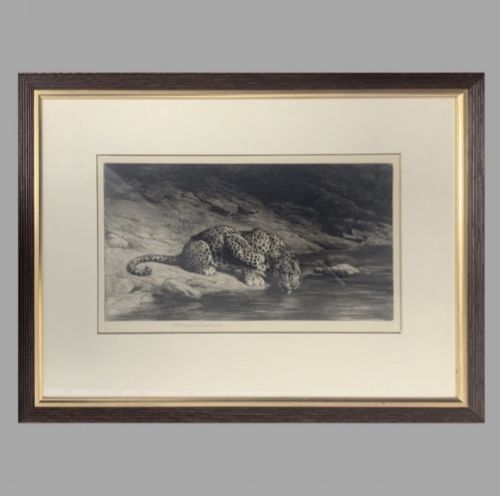
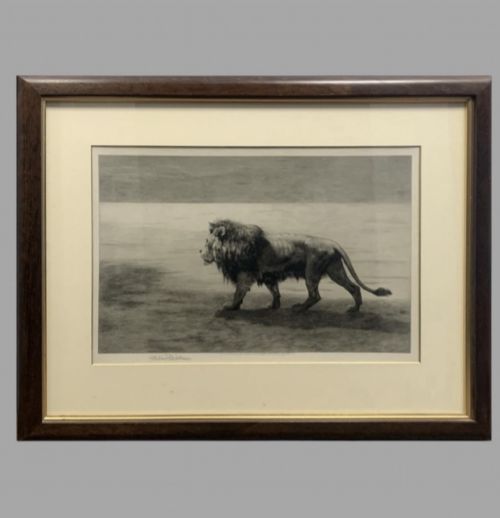


Original Monochrome Etching
An original monochrome etching captures line and tone on paper or vellum, offering collectors direct impressions pulled from a worked plate.
Original Monochrome Etching
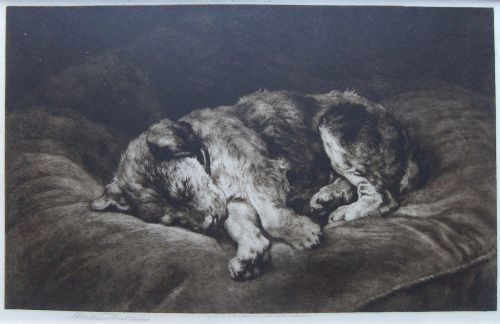
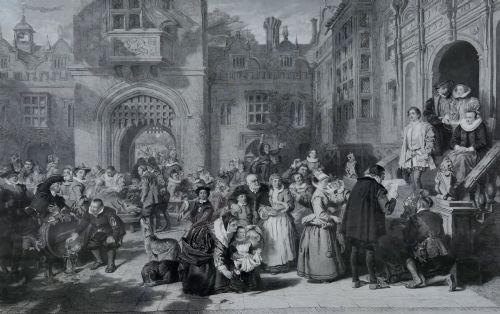
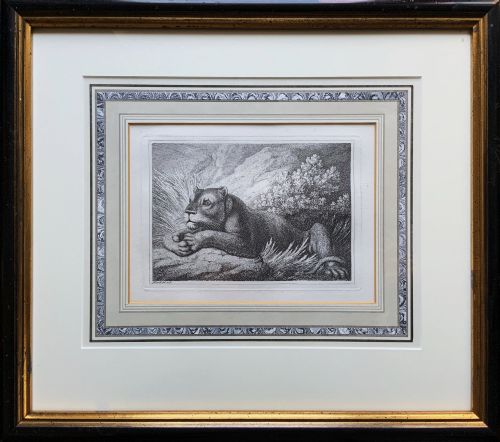
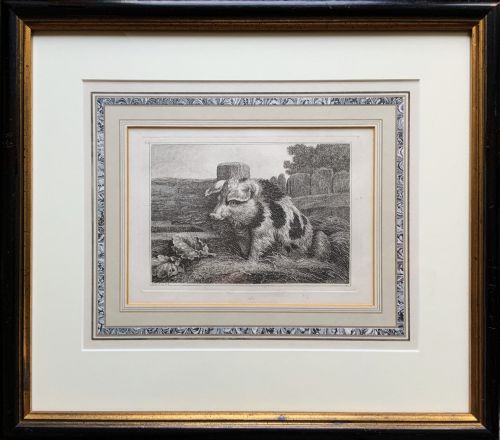
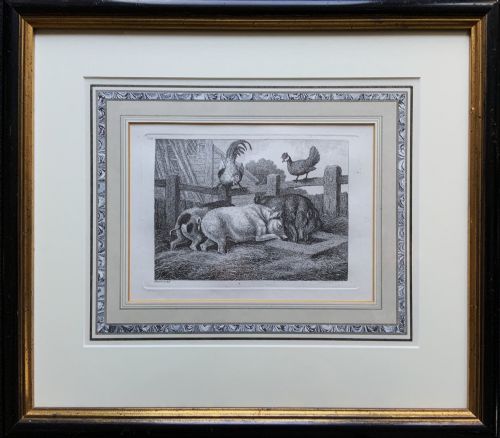
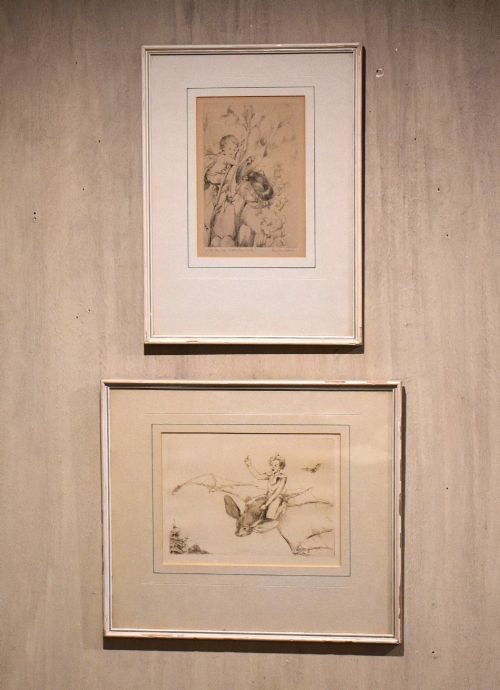
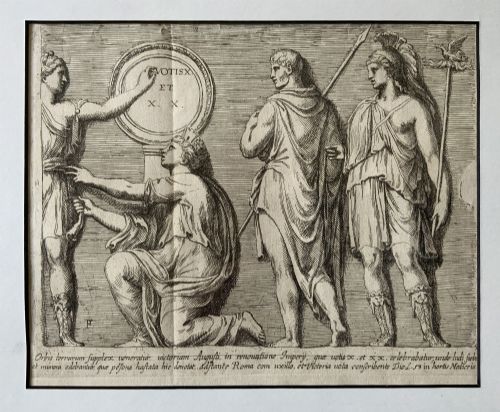
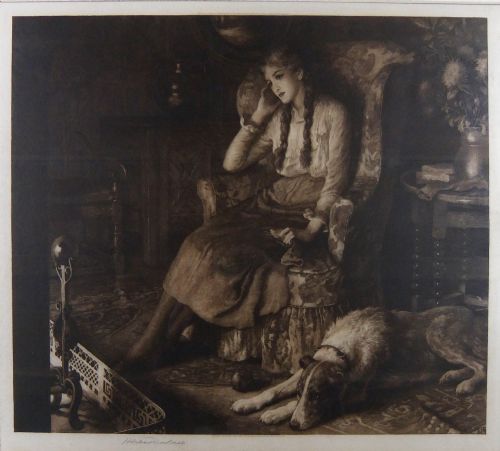
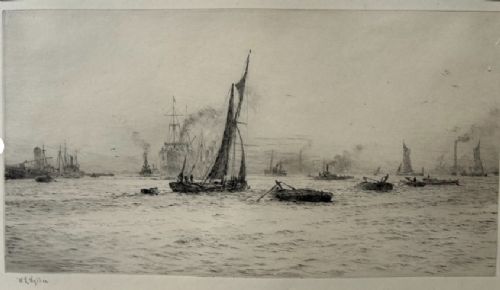
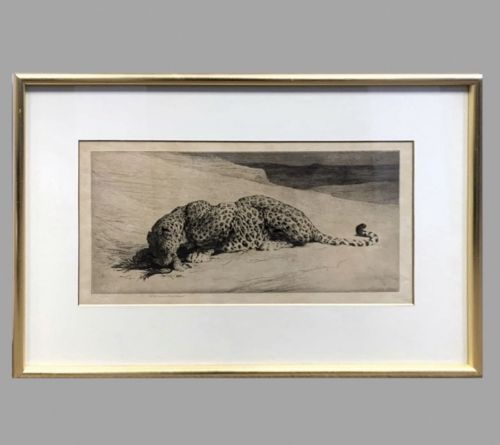
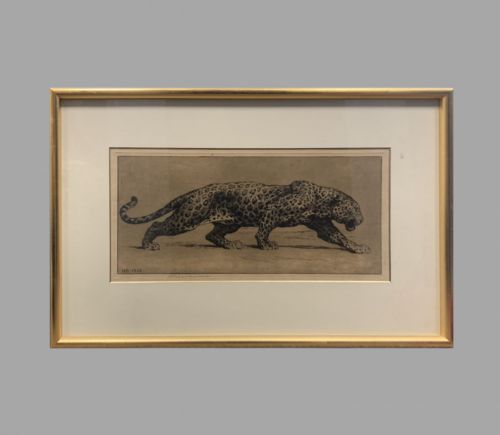
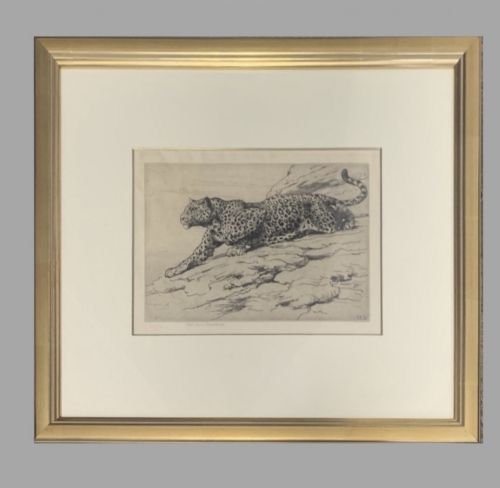
When searching for an original monochrome etching, collectors encounter works spanning the eighteenth century through the early twentieth century, including Victorian and Edwardian periods. These pieces frequently manifest as framed art prints, wall art, and fine art prints depicting maritime scenes, portraits, and animal studies.
Works appear in various formats, from standard paper sheets to impressions pulled on vellum. Framing ranges from simple surrounds to period Hogarth mouldings and gilt wood.
Materials and technique
Plates are worked by hand using direct incision or acid action to hold ink, which is then transferred under pressure to a paper or vellum surface. Artists utilise specialised drypoint needles or etching grounds to build up the matrix.
Printed impressions rely on high-grade ink applied to paper or vellum, occasionally supplemented by aquatint grain for tonal variation. Finished sheets are housed beneath glass within wooden frames, sometimes accented with gold leaf or gilt wood.
Original Monochrome Etching Retail Price Guide 2026
Typical asking prices for original monochrome etching among the pieces listed under this phrase on Sellingantiques today, from the lower quarter to the upper quarter. They describe what is for sale here now, not the wider market.
Canines dominate the subject matter, with spaniels, terriers, and bulldogs frequently inspecting the viewer from behind glass.
Separating the ordinary from the exceptional
Quality rests upon the crispness of the plate impression and the clarity of the printed line across paper or vellum. Early artist proofs pulled directly by the hand of the maker carry greater distinction than later impressions.
The presence of original pencil signatures by the artist elevates a piece significantly. Furthermore, surviving period frames, such as genuine Hogarth mouldings, add historical context to the artwork.
Herbert Dicksee·Kurt Meyer-Eberhardt·William Lionel Wyllie·Augustus Edwin John·Louis Icart
The Original Monochrome Etching Glossary
- Etching
- A printmaking method where acid bites lines into a metal plate to hold ink. This process allows for fine detail and varied tonal ranges.
- Drypoint
- A printmaking technique where an artist scratches directly into metal with a sharp needle. It creates a distinctive velvety burr along the inked line.
- Aquatint
- A printmaking method used to produce tonal areas rather than lines. It creates subtle washes resembling watercolours through resin application.
- Vellum
- A fine parchment prepared from calfskin used as a durable printing surface. It yields rich, creamy impressions favoured for special proofs.
- Artist proof
- An early impression pulled to test the plate before the main edition. These carry high status among collectors for their sharpness.
Original Monochrome Etching: Frequently Asked Questions
How do I identify an original etching?
An original etching shows a distinct plate mark where the edge of the metal plate pressed into the paper during printing. Under magnification, the ink lines sit slightly raised above the sheet rather than resting flat.
Reproductions lack this physical indentation and display uniform dot patterns rather than continuous ink channels. Signatures in pencil also indicate direct oversight by the artist.
What is the difference between an etching and an engraving?
An etching relies on acid to bite the lines into a metal plate covered with a protective ground. This chemical process allows for fluid, spontaneous strokes resembling freehand drawing.
An engraving uses a sharp steel tool called a burin to cut directly into the metal plate without acid. This mechanical method produces crisper, more rigid lines with tapered ends.
How should I display framed etchings?
Etchings on paper or vellum require protection from direct sunlight to prevent fading of the ink and yellowing of the support. Hang them on interior walls away from moisture and extreme temperature fluctuations.
Ensure the frame uses acid-free mount board and quality glass to keep the paper from touching the glazing. Proper framing preserves both the print and any historical backing labels.
What does a pencil signature mean?
A pencil signature beneath the image indicates the artist personally inspected and approved that specific impression. Printmakers often signed limited editions by hand alongside numbering to authenticate the pull.
Unsigned prints may still be period originals, but signed examples confirm the direct involvement of the creator. This provenance often adds considerable interest for collectors.