

Antique Black Picture Frame
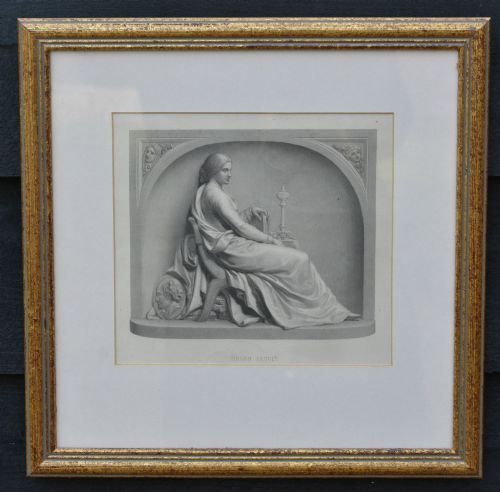
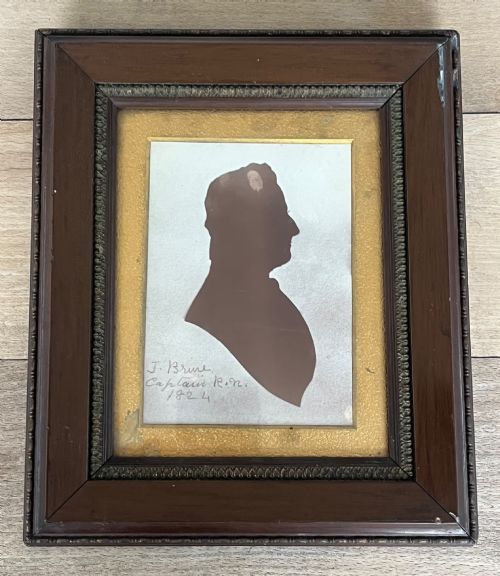
An antique black picture frame brings depth and stark contrast to period portraits, silhouettes and engravings.
Antique Black Picture Frame
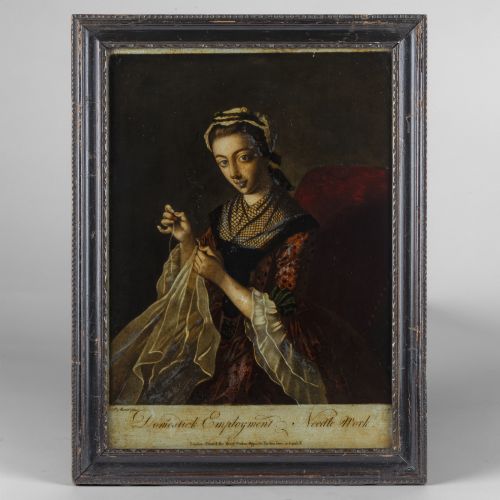
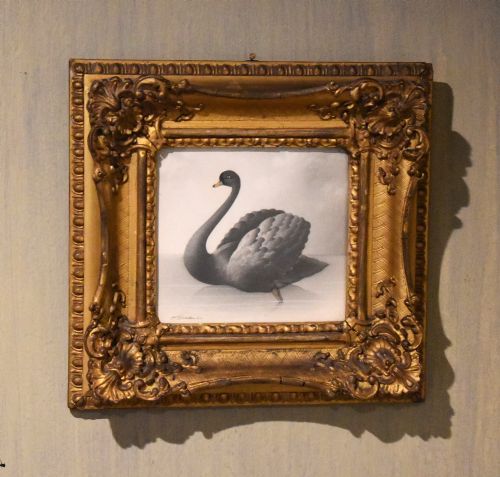
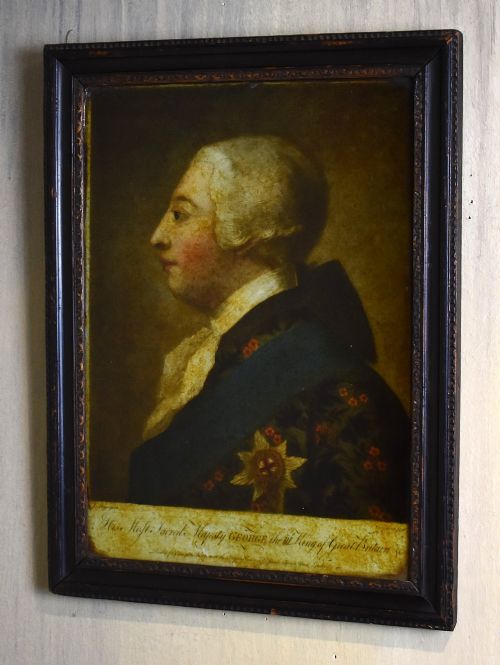
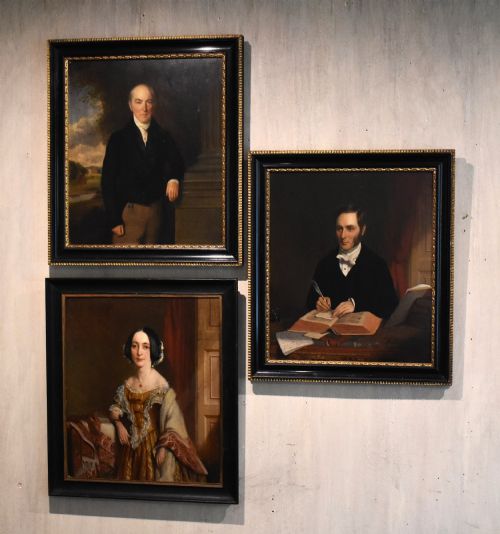
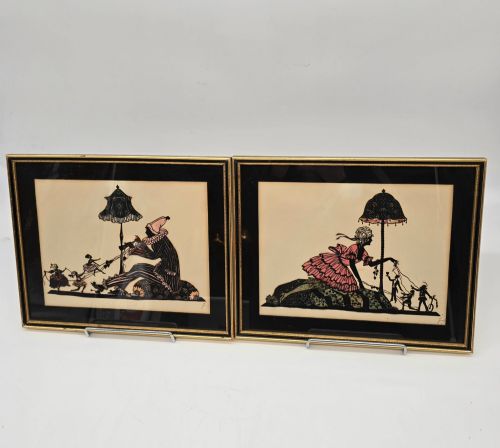
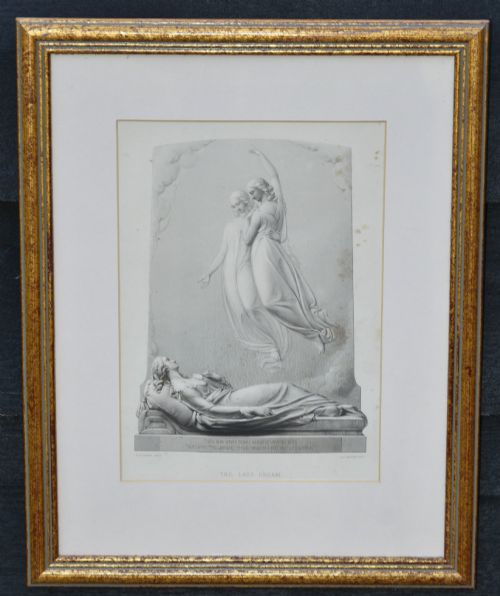
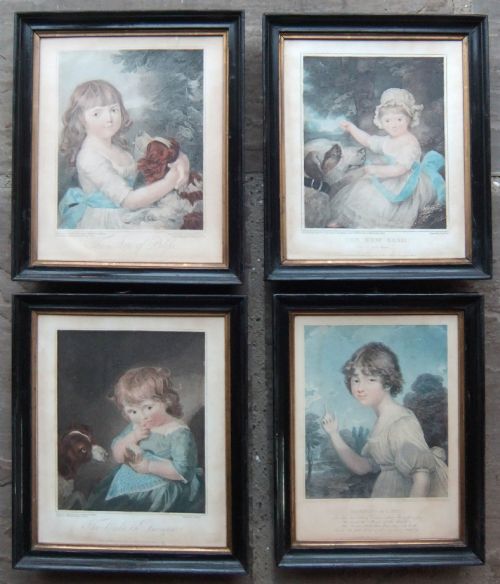
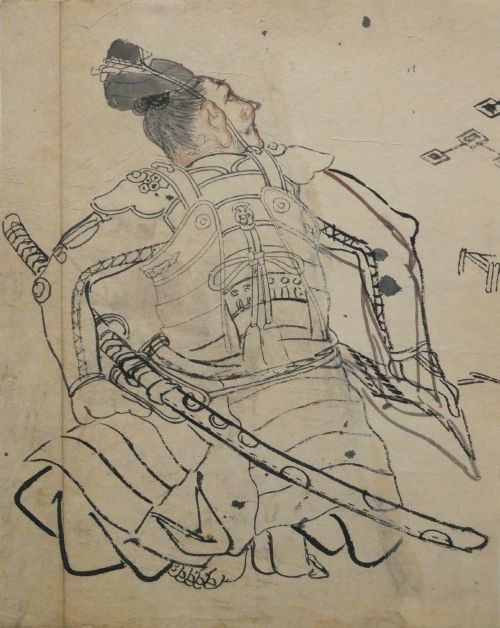
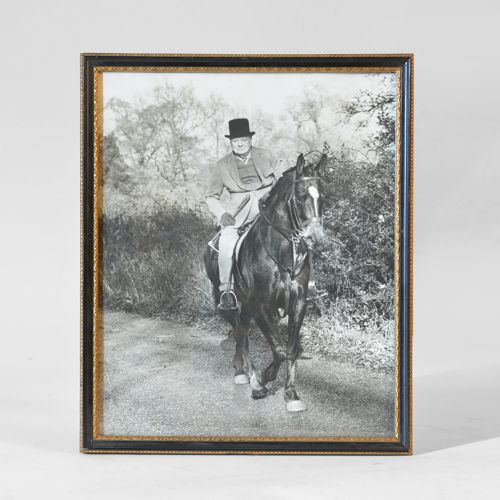
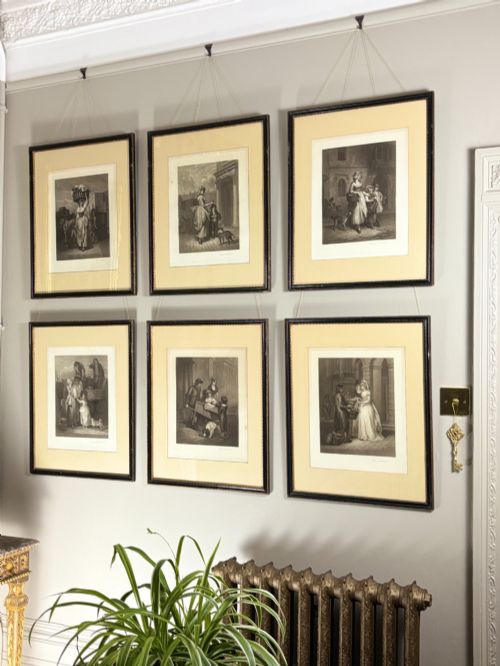
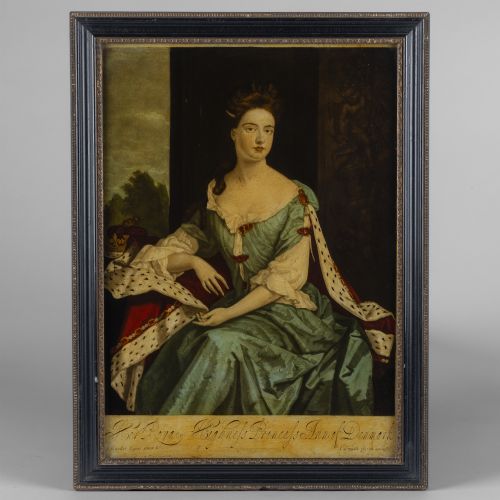
An antique black picture frame surrounds historic works including reverse glass prints, silhouettes, oil paintings and classical engravings. These dark surrounds often appear on Georgian, Regency and Victorian pieces where strong contrast suits the subject matter.
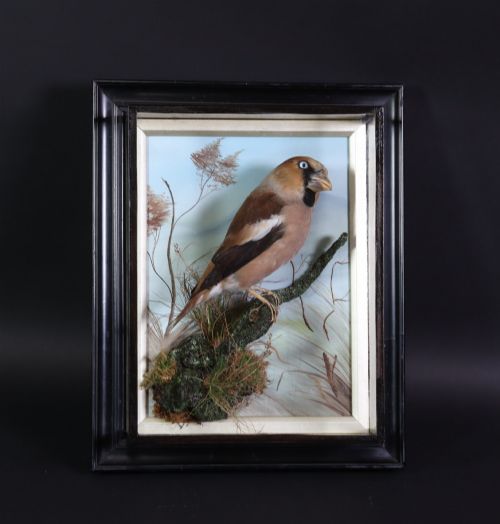
The versions met most frequently on this page combine timber with ebonised finishes or gilded highlights. They house works ranging from 18th century mezzotints to 19th century taxidermy cases.
Materials and construction
Frames are constructed from wood and treated with ebonisation to achieve a deep, dark surface resembling ebony. Artisans often applied gold leaf or gilt accents to catch the light along the inner and outer moulding edges.
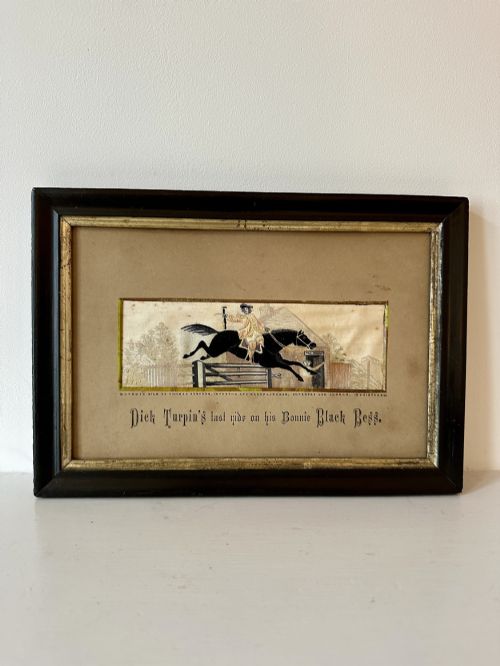
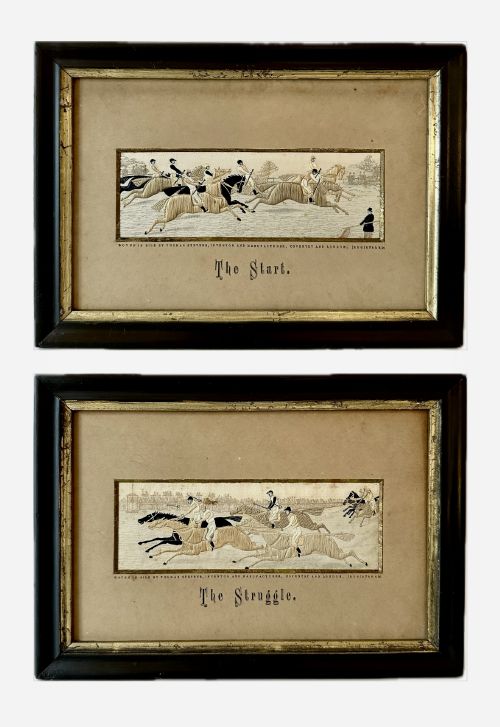
Makers utilised glass and paper alongside timber to house delicate contents such as silk pictures, cut paper silhouettes and watercolour drawings safely.
Antique Black Picture Frame Retail Price Guide 2026
Typical asking prices for black picture frame among the pieces listed under this phrase on Sellingantiques today, from the lower quarter to the upper quarter. They describe what is for sale here now, not the wider market.
Listings feature wood, ebonised wood, and gold leaf across 18th, 19th and 20th century periods.
Distinctions in quality
Quality rests in the precision of the moulding profile and the depth of the ebonised finish. Superior examples display crisp carved details and harmonious proportions that complement rather than overpower the artwork within.
The relationship between the frame and the enclosed object determines overall success. Period frames paired with their original prints or paintings demonstrate greater integrity than later marriages of mismatched components.
Bill Cox of Liverpool·Thomas Stevens·James Albert Clark·James Ferguson
The Antique Black Picture Frame Glossary
- Ebonised wood
- Timber stained or painted to imitate ebony. This dark finish gained immense popularity during the Victorian period for framing silhouettes and engravings.
- Reverse glass print
- An image painted or transferred directly onto the back of a glass sheet. These delicate works frequently sit within narrow black or gilt frames.
- Mezzotint
- A printmaking process of the intaglio family where tones are created by roughening the copper plate. Eighteenth-century examples often appear in dark period frames.
- Stevengraph
- A woven silk picture produced by Thomas Stevens during the 19th century. These miniature textiles are commonly found behind glass in conservative dark surrounds.
Antique Black Picture Frame: Frequently Asked Questions
What goes inside an antique black picture frame?
These frames typically house works on paper, silhouettes, engravings, oil paintings and reverse glass prints from the Georgian and Victorian eras.
Subjects range from formal portraiture and botanical studies to historical scenes and taxidermy displays.
How do I date a black picture frame?
Dating relies on the moulding profile, construction joints, and the nature of the backing materials. Earlier 18th century frames often feature hand-carved elements, whilst Victorian versions utilise standardised machine-planed timber.
The artwork or print contained within the frame usually provides the firmest chronological anchor.
Are these frames always painted black?
Most utilise ebonised wood to achieve a dark, light-absorbing surface, sometimes enhanced with thin lines of gold leaf. Other variations incorporate rosewood or contrasting giltwood elements.
The darkness of the finish was specifically chosen to isolate the artwork from its surroundings.
How should I hang an antique frame?
Heavy frames require secure wall fixings suited to the weight of the timber, glass and internal artwork. Hanging them away from direct sunlight protects both the frame finish and the contents.
Pairing dark frames with lighter wall backgrounds maximises the visual contrast.