


Antique City Landscape Artwork
These antique city landscape artwork pieces capture historic streets and canals across Britain and Europe through oils and watercolours.
Antique City Landscape Artwork
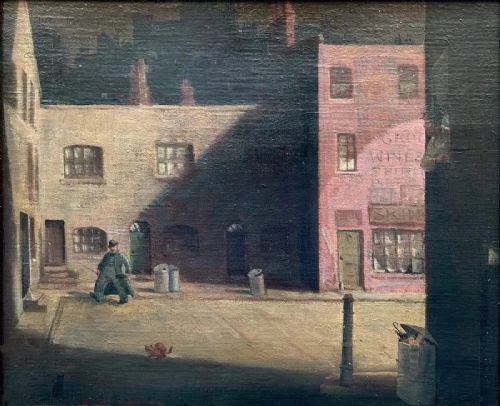
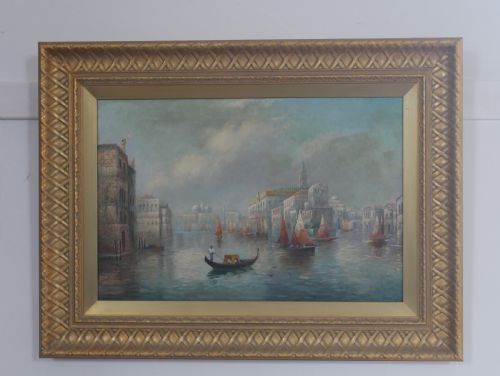
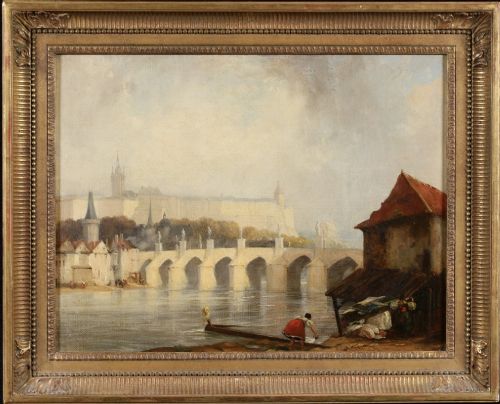
Antique city landscape artwork captures urban streets, riversides and historic architecture from past centuries. The selection here leans heavily towards British and European cityscapes rendered during the nineteenth and early twentieth centuries.
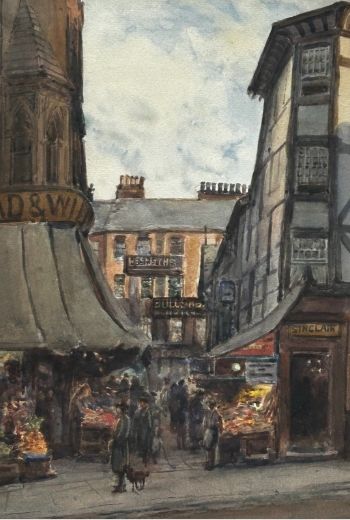
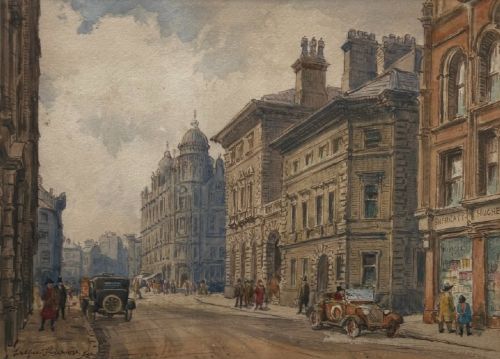
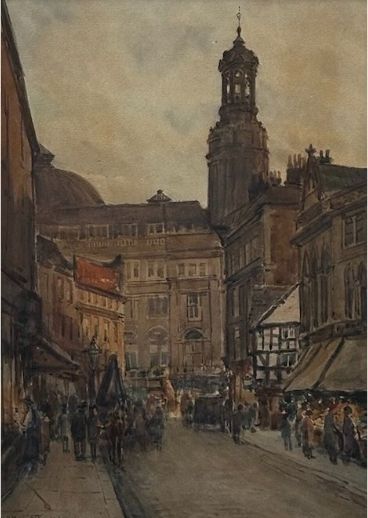
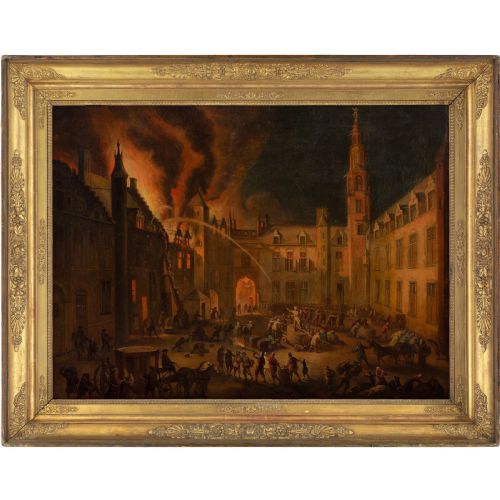
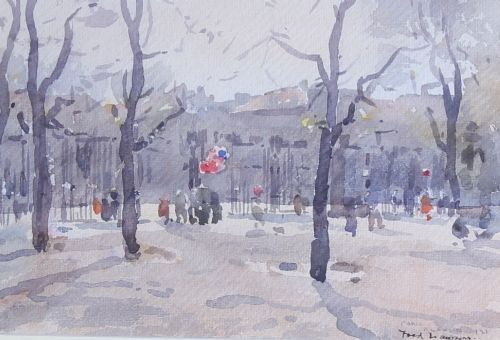
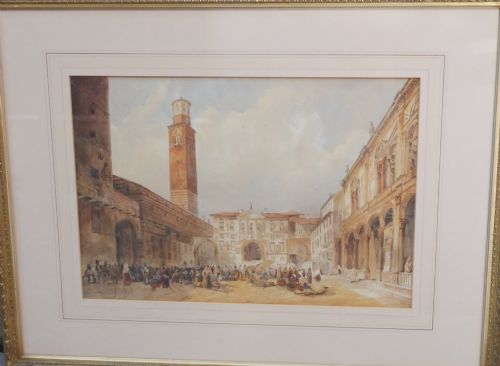
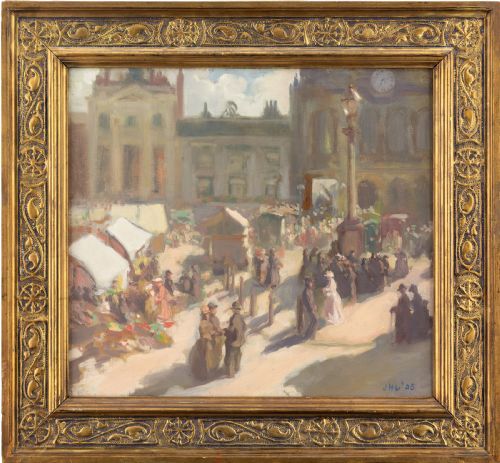
Buyers will find views ranging from busy Manchester marketplaces and London landmarks to Venetian canals and Parisian streets. These works document the changing face of urban centres before modern development altered their layouts entirely.
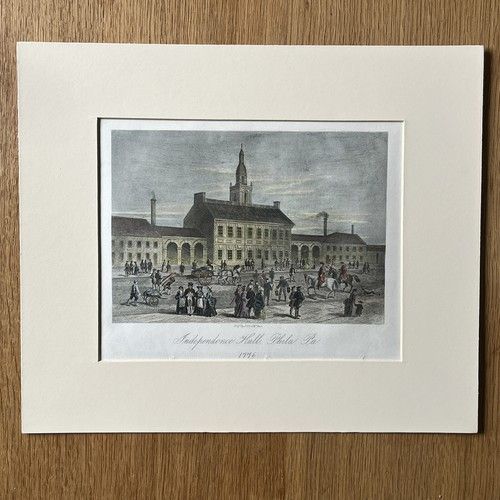
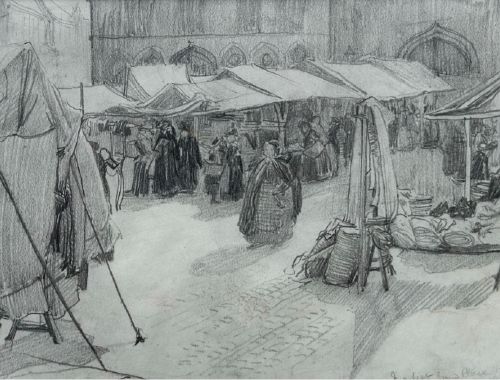
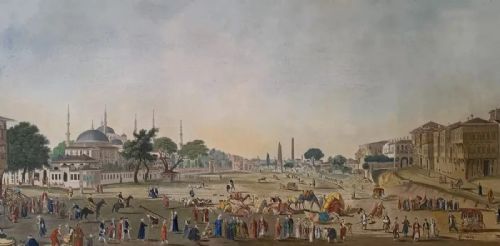
Mediums vary from detailed pencil drawings and hand-coloured steel engravings to luminous watercolours and heavy oil paintings on canvas. Each format offers a distinct window into historical topography and artistic interpretation.
How they were made
Artists traditionally worked en plein air or developed studio pieces from initial pencil and ink sketches drawn on location. Watercolour application required swift, transparent washes on paper to capture changing light conditions.
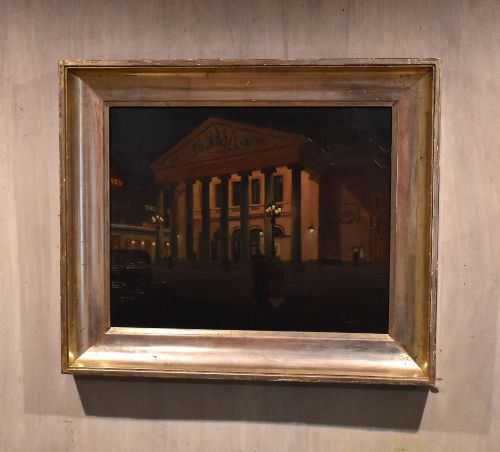
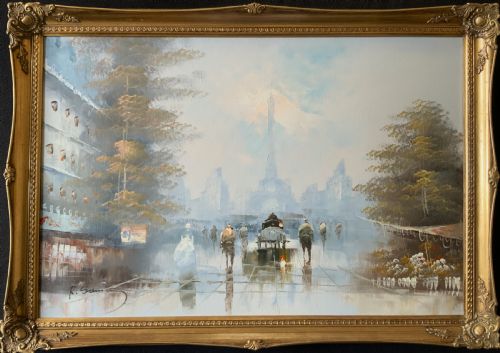
Oil painters utilised layered pigments upon prepared canvas or wood panels, building rich textures and deep tones. Gilding was occasionally applied to frames to complement the warmth within the painted composition.
Engravers employed steel plates to press fine lines onto paper before hand-colouring details with watercolour washes. This printmaking method allowed popular city views to be reproduced for wider distribution.
Antique City Landscape Artwork Retail Price Guide 2026
Typical asking prices for city landscape artwork among the pieces listed under this phrase on Sellingantiques today, from the lower quarter to the upper quarter. They describe what is for sale here now, not the wider market.
Several Victorian artists braved foggy streets to paint smoky London scenes directly from horse-drawn carriages.
What varies in quality
The strength of perspective and spatial depth separates masterly compositions from rigid topographical records. Skilled artists manipulate light and shadow to direct the eye through bustling street scenes and wide squares.
Brushwork fluency determines how successfully a piece evokes atmosphere, whether capturing the damp haze of London or the bright reflections on Venetian water. Hesitant marks reduce the overall visual impact.
Conservation history and the original pairing with period frames influence the integrity of surviving works. Clean paper supports and stable paint layers preserve the artist's original intent without distracting blemishes.
Francis Browne Tighe·Wilfried Rene Wood·Félix Vanden Eycken·Fred Lawson·John C McRae·Henry Percy Huggill·Francisco Sancha·Anton Ignaz Melling·John Hodgson Lobley·William Manners·Edward Leon Cortes·Walter Meegan·Alfred Pollentine·Noel Harry Leaver·Jane Vivian·Tom Dudley·Matthew Hale·Walter Duncan·William Marlow
The Antique City Landscape Artwork Glossary
- Nocturne
- A painting depicting a night scene or evening atmosphere. These works often explore moonlight and gaslamp illumination across urban settings.
- Gouache
- An opaque watercolour paint mixed with a white pigment binder. It creates solid, flat colour areas that contrast with transparent washes.
- Steel engraving
- A printmaking technique where an image is incised into a steel plate with a burin. It allows for exceptionally fine lines and large print runs.
- Plein air
- The practice of painting outdoors to capture direct observations of natural light and atmosphere. This approach became popular among nineteenth-century landscape artists.
Antique City Landscape Artwork: Frequently Asked Questions
What periods do these city artworks cover?
The works span from eighteenth-century topographical depictions through nineteenth-century romanticism up to early twentieth-century British and European movements.
Most pieces concentrate on the Victorian and Edwardian eras when urban growth inspired artists to document expanding cities.
How should I care for antique watercolours?
Watercolours are sensitive to direct sunlight and high humidity, which can fade pigments and damage the paper support over time.
Display them away from windows using UV-filtering glass and acid-free mounting materials to ensure long-term preservation.
What is the difference between oil and watercolour cityscapes?
Oil paintings utilise suspended pigments in drying oils on canvas or wood, offering rich textures, deep layering possibilities, and robust durability.
Watercolours rely on water-soluble pigments applied to paper surfaces, producing lighter, translucent effects that require protective framing behind glass.
Are these artworks original pieces or prints?
The collection includes both unique hand-painted originals, such as oils on canvas and watercolour drawings, alongside historical print mediums.
Listings specify the exact medium used, distinguishing between unique paintings and period steel engravings or art prints.