



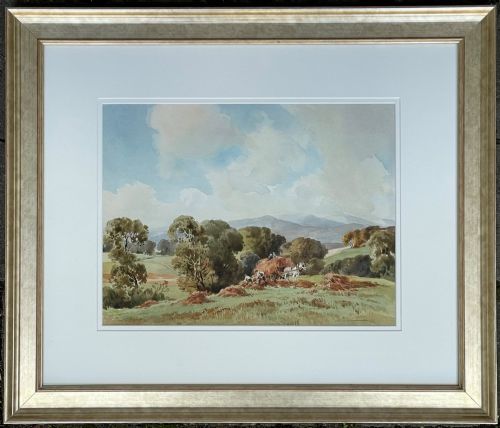
Original Landscape Picture
An original landscape picture brings the outdoors inside through the brush of an artist capturing a specific view of nature.
Original Landscape Picture
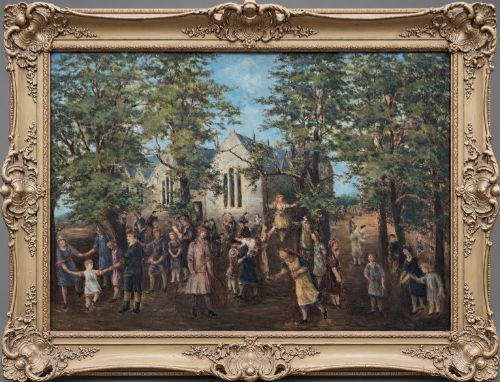
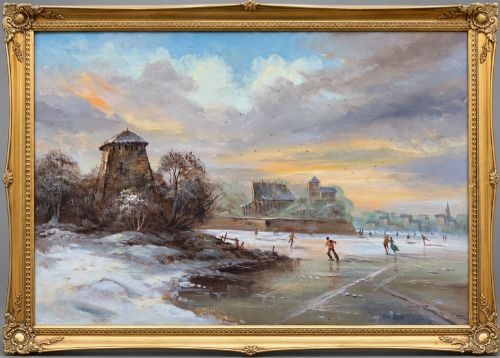
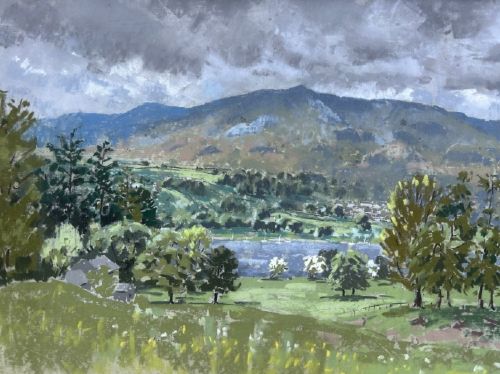
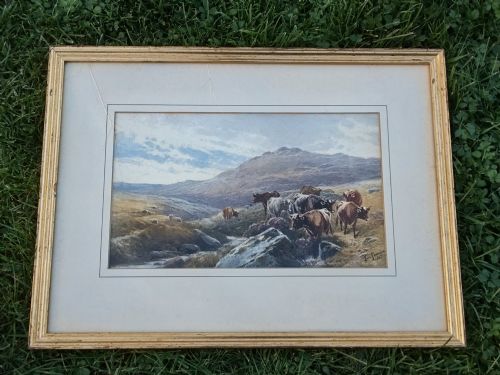
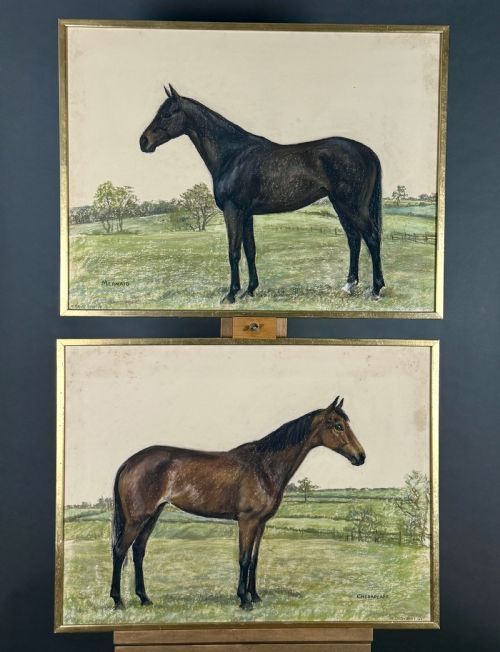
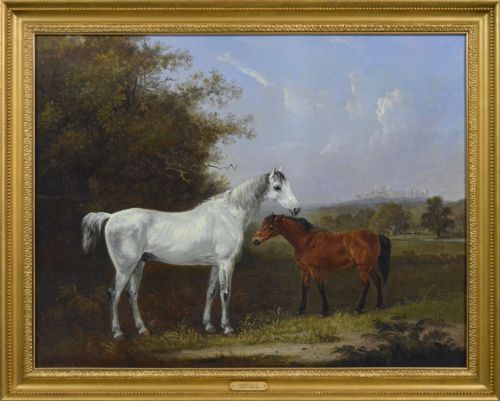
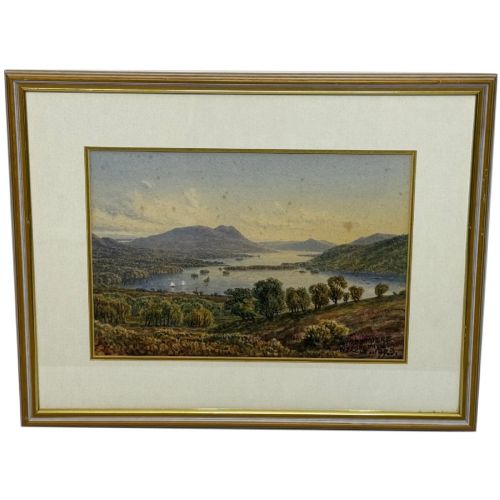
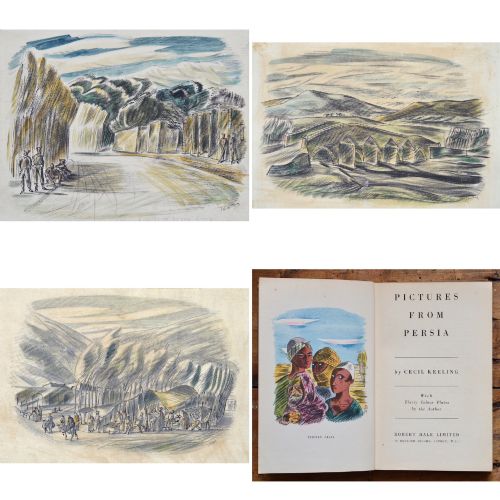
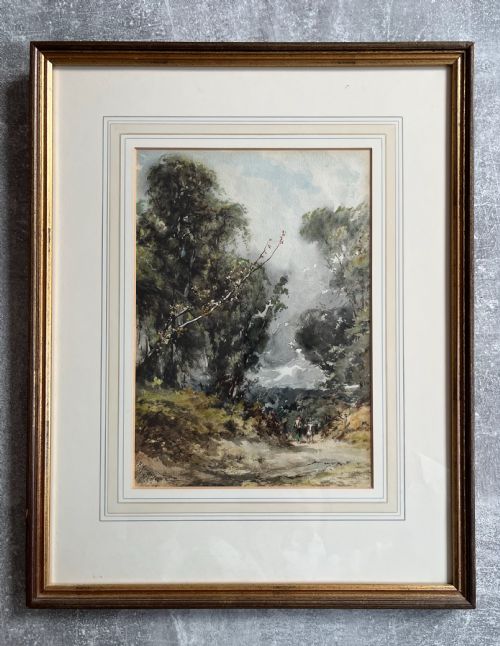
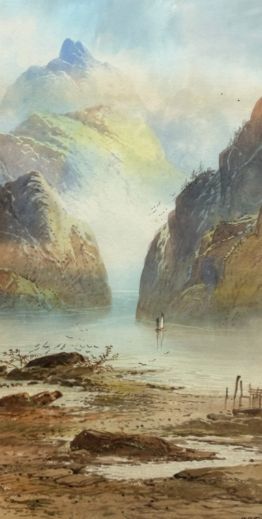
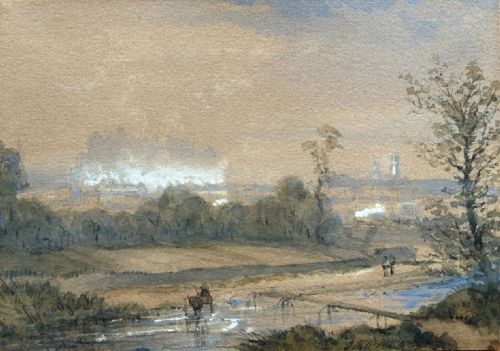
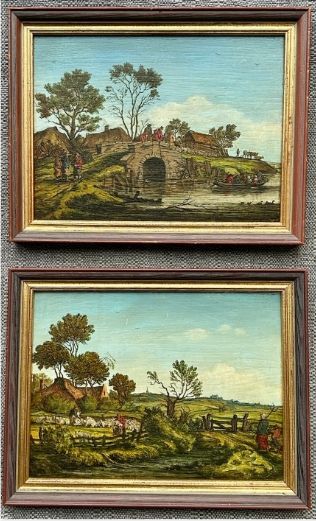
An original landscape picture represents a unique artwork capturing natural scenery, topography or rural views rather than a mechanical reproduction. When searching for an original landscape picture, buyers encounter mediums ranging from delicate watercolours on paper to robust oil paintings on canvas and wood panels.
The selections available span from the nineteenth century through the Edwardian era into the mid-twentieth century. Works frequently depict British and European countryside, featuring rivers, mountains, woodlands and coastal views created by named painters and regional schools.
Materials and Techniques
Artists painted these works utilising traditional media including watercolour pigments on paper and oil paint applied to canvas, board or wooden panels. Watercolours often relied on transparent washes to capture light over rivers and valleys, while oil paints permitted heavier brushwork and rich textures for woodland and coastal scenes.
Framing played an integral role in presentation, with period pieces commonly housed in gilt wood or oak wooden frames designed to complement the artwork. Supports varied from stretched canvas and card to prepared panels, reflecting the technical choices available to painters across the Victorian and twentieth-century periods.
The inventory records mediums including watercolour paintings, oil on canvas, pastels, and limited edition lithographs across British and European schools.
Assessing Artistic Merit
Quality in these works rests upon the confidence of the brushwork and the artist's command of light and atmospheric perspective. Superior paintings demonstrate a coherent composition that guides the eye naturally through the terrain, whereas lesser examples rely on formulaic repetition without observation from life.
The handling of medium-specific properties dictates distinction, such as luminous washes in watercolour or textural depth in oil paint. Provenance and documentation, including signatures, exhibition labels or attribution to Royal Academy participants, elevate the standing of a piece within the field.
George Fotherly Hargitt·William Henry Earp·John R Prentice·William H Myers·Alfred Young Nutt·Percy Lancaster·Alfred Fontville de Breanski Jr·George Houston·Robert Leslie Howey·William Joseph Boyes·David Bates·Benjamin Barker of Bath·Charles Houben·Francis Moltino·Richard Henry Wright·John Horace Hooper·Lucy Pratt·Harald Foss·John Hodgson Lobley·Thomas Maidment·Albert Rieger
The Original Landscape Picture Glossary
- Watercolour
- A painting method where fine pigment is suspended in a water-based, translucent solution. It is typically executed on paper to create luminous effects.
- Oil on Canvas
- A technique utilising pigments bound in a drying oil applied to a woven fabric support. This combination permits rich colour blending and textured impasto.
- Gilt Wood
- Timber carved and surfaced with a thin layer of gold leaf or metallic powder. It was frequently utilised for decorative antique picture frames.
- Impressionism
- An art style characterised by relatively small, thin yet visible brush strokes and open composition. It prioritises the accurate depiction of light in its changing qualities.
- Provenance
- The chronology of the ownership, custody or location of a historical historical artwork. Documented origin establishes authenticity.
Original Landscape Picture: Frequently Asked Questions
How do I date an antique landscape?
Dating relies upon stylistic markers, framing techniques, and the paper or canvas supports characteristic of specific decades. Signatures and exhibition labels on the reverse also offer reliable chronological clues.
Comparison with documented works by the same artist helps narrow the decade of creation. Material analysis of the stretcher bars and pigments further confirms the period.
What is the difference between oil and watercolour?
Oils use slow-drying pigments suspended in oil, allowing for rich textures and deep colour layering on canvas or panel. Watercolours use water-soluble pigments on paper, producing luminous and transparent effects.
Oils generally require protective framing without glass, whereas watercolours need glazing to protect the paper surface from moisture and atmospheric dust.
Where should I hang a landscape painting?
Hang these works away from direct sunlight and damp environments to protect paper supports, pigments, and gilt wood frames. Stable indoor temperatures prevent warping in wooden panels and canvas stretchers.
Position paintings at eye level where adequate ambient light can illuminate the brushwork and composition without causing glare on the glass or varnish.
How do regional British landscapes differ?
Scottish and Welsh subjects often showcase dramatic mountainous terrain, turbulent rivers, and rugged coastlines rendered with vigorous brushwork. English scenes frequently feature pastoral valleys, agricultural fields, and gentle riverways.
Artists working in specific regions captured the distinct atmospheric light and topography of locations ranging from the Lake District to the Thames Valley.