



Original Ink Line Drawings
Original ink line drawings capture immediate gestures and precise detail across centuries, offering buyers direct contact with an artist's hand.
Original Ink Line Drawings
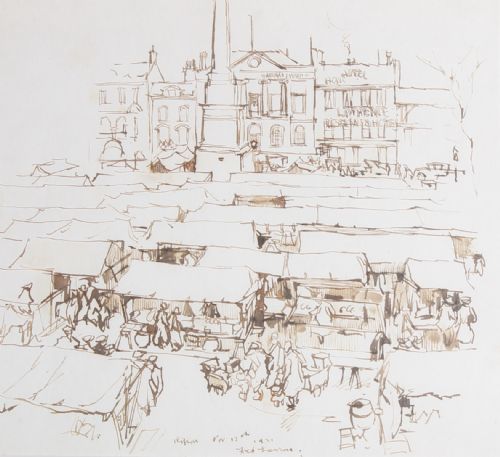
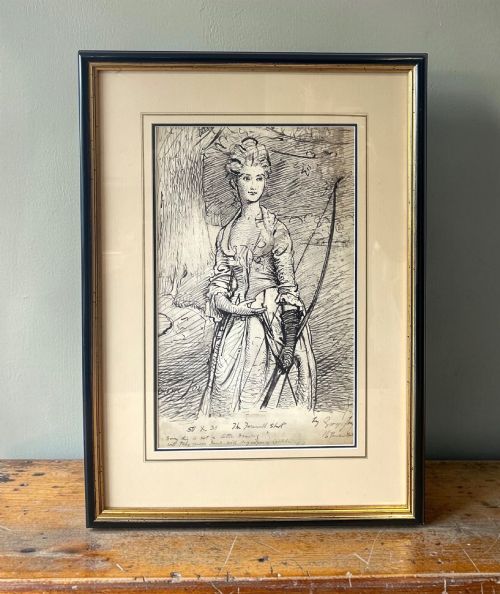
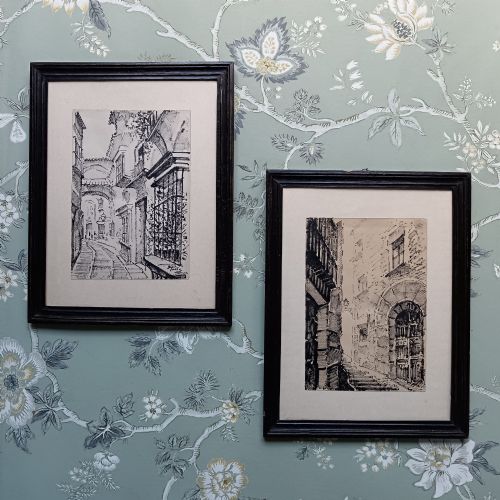
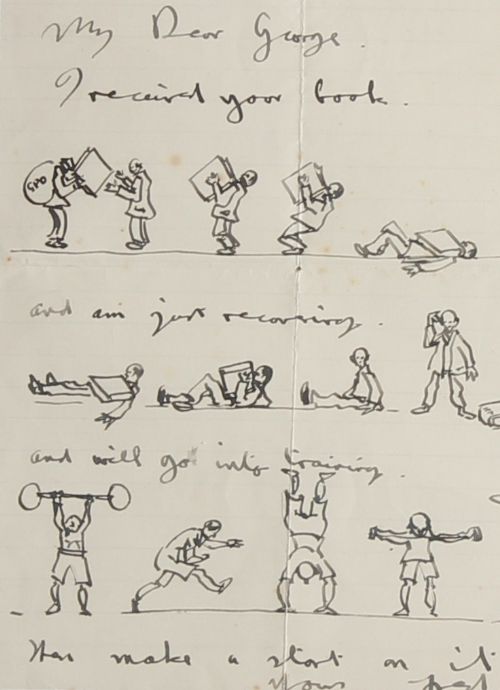
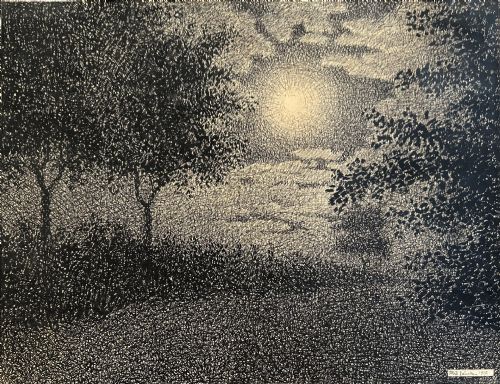
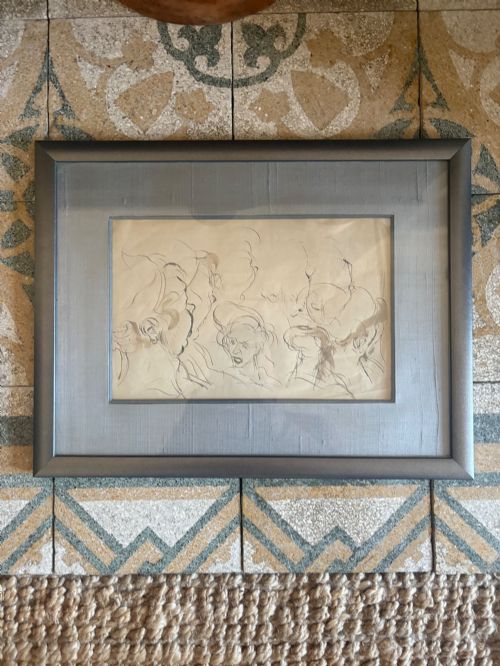
When searching for original ink line drawings, a buyer encounters works spanning the eighteenth, nineteenth, and twentieth centuries, including architectural studies, theatrical figures, and landscapes. These pieces take the form of works on paper, framed artwork, and preparatory studies executed by various European schools.
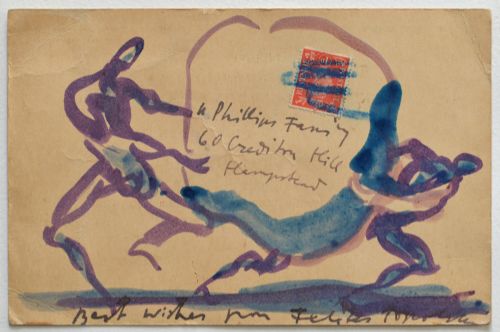
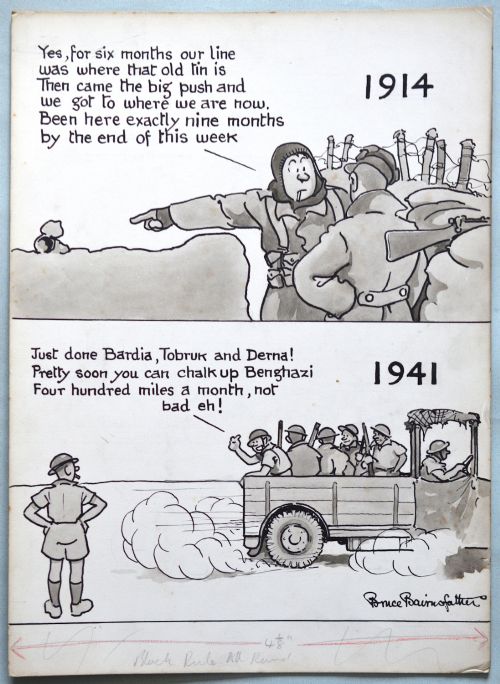
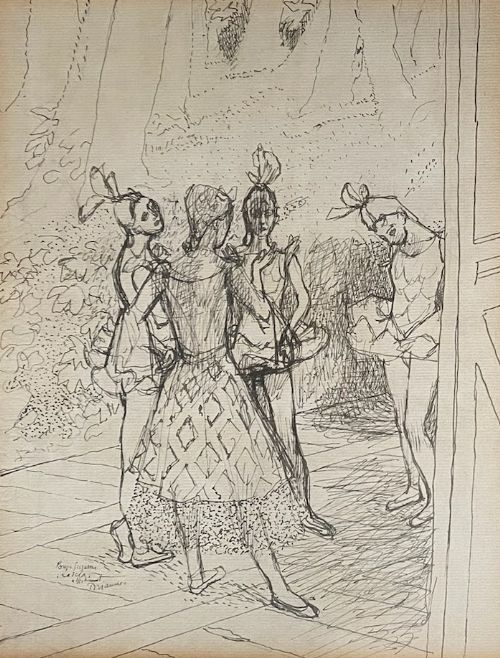
The most common examples on this page are twentieth-century works, often combining ink with watercolour or wash on paper. Subjects range from French theatrical scenes and British landscapes to intimate portrait studies and architectural renderings.
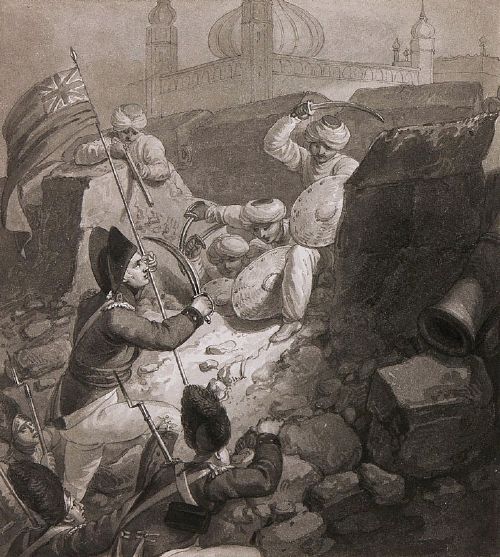
Earlier pieces from the eighteenth and nineteenth centuries include detailed historical scenes and architectural compositions framed in traditional wood and glass settings. Each work represents a direct historical record preserved through graphic media.
Materials and Technique
Artists create these works primarily using ink applied to paper supports, occasionally augmented with wash, watercolour, gouache, or gold leaf to build tonal depth and highlights. The application relies on fine pens or brushes to achieve precise lines and fluid contours.
Works are frequently housed behind glass within wooden frames, protecting the delicate paper and water-soluble pigments from atmospheric damage. Two-coloured inks and monochrome applications demonstrate the versatility of the medium across different stylistic periods.
Original Ink Line Drawings Retail Price Guide 2026
Typical asking prices for original ink line drawings among the pieces listed under this phrase on Sellingantiques today, from the lower quarter to the upper quarter. They describe what is for sale here now, not the wider market.
Listings feature periods ranging from the eighteenth century through to the mid-twentieth century, utilising ink, wash, and watercolour on paper.
Evaluating Quality
Quality rests upon the sureness of the line and the expressive economy of the draftsmanship, distinguishing confident preparatory studies and finished compositions from hesitant exercises. The relationship between the ink work and secondary media like wash or watercolour dictates the visual balance of the piece.
The preservation of the paper support and the clarity of the original ink pigment influence the visual impact of the work over time. Context, including documented attribution to known artists or identifiable schools, elevates the significance of an individual piece.
Fred Lawson·Bruce Bairnsfather·William Marshall Craig·Maurice Brianchon·James Tower·Alfred Dehodencq·Lucien Freud·John Duncan Fergusson
The Original Ink Line Drawings Glossary
- Wash
- A technique where diluted ink or watercolour is applied in broad, fluid layers to create tonal shadows and depth. It provides a soft contrast to crisp ink lines.
- Preparatory study
- A preliminary drawing executed by an artist to plan a larger painting, sculpture, or finished composition. These works reveal the working method behind a final piece.
- Gouache
- An opaque, water-based paint often used alongside ink to add solid highlights and colour elements. It differs from transparent watercolour through its chalky density.
- Works on paper
- A collective category encompassing drawings, watercolours, prints, and manuscripts executed on a paper support. This term highlights the fragile nature of the primary material.
Original Ink Line Drawings: Frequently Asked Questions
How should I frame an ink drawing?
Protect the paper by using acid-free mounts and framing the work behind glass that blocks ultraviolet light. Keep the piece away from direct sunlight to prevent the ink and paper from fading.
Ensure there is a small gap between the glass and the drawing surface so moisture cannot become trapped against the paper.
Are ink drawings sensitive to light?
Paper and certain ink formulations can fade or discolour when exposed to bright light for extended periods. Display these works in shaded areas of a room rather than in direct sunlight.
Rotating pieces or using specialist conservation glass helps preserve the original contrast of the lines.
How do I identify a preparatory study?
Preparatory studies often feature visible compositional changes, grid lines, or marginal annotations made by the artist during the planning process. They tend to focus on specific figures or structural elements rather than presenting a polished narrative.
These works offer a direct glimpse into the creative methodology of the period.
What is the difference between ink and wash?
Ink lines provide the primary definition, contour, and structural framework of the drawing. Wash involves diluted pigment applied with a brush to introduce shaded areas and atmospheric volume.
Together, they build both sharp detail and subtle tonal gradation within a single composition.